
Early Life and Rise to Fame
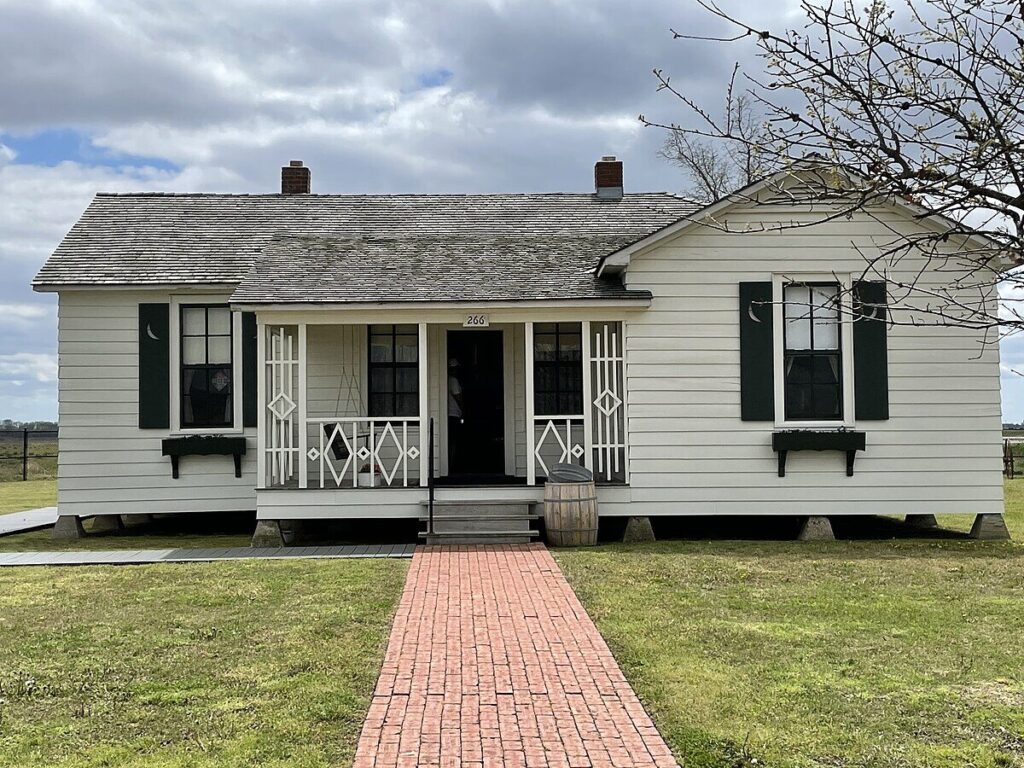
Johnny Cash’s journey began in the cotton fields of Kingsland, Arkansas. Born to a hardworking Baptist family, music became his lifeline amid daily toil. Cash’s mom, Carrie, worked hard to pay for his singing lessons, believing in her son’s talent.
Cash’s brother, Jack, tragically died in a sawmill accident in 1944, leaving a scar on young Johnny that would later influence his music. After a stint in the Air Force, Cash returned to pursue music.

In Memphis, Johnny met musicians Luther Perkins and Marshall Grant. Together, they caught the attention of Sun Records’ Sam Phillips. The 1955 release of “Hey Porter” and “Cry, Cry, Cry” got people’s attention, but Johnny’s breakthrough came with “I Walk the Line,” launching him to fame.
As Cash’s popularity grew, so did the toll of touring. Amphetamines became a problem, affecting his relationships and career. By the mid-60s, Johnny was struggling with addiction, leading to public scrutiny and marital issues. June Carter emerged as a support during this time, helping Cash begin to overcome his challenges.
Despite his struggles, the stage remained Johnny’s sanctuary. His 1968 album, “At Folsom Prison,” reignited his career, showing that even in tough times, there was hope for a comeback.
Struggles with Addiction
Johnny Cash’s battle with amphetamine addiction took him from the height of fame to personal lows. The pills, initially used to keep up with the demanding tour schedule, quickly became a problem.
The addiction affected Cash’s behavior and relationships. His marriage with Vivian began to crumble, while his connection with June Carter grew stronger. June became a source of support during his struggles.
Cash’s dependency led to missed performances and legal troubles, including his arrest in 1965. This served as a wake-up call, but recovery wasn’t immediate. It took determination, June’s support, and life’s hard lessons to guide him towards sobriety.
Through it all, music remained Cash’s outlet. His songs, raw and honest, reflected his personal battles, resonating deeply with audiences. Cash’s openness about his struggles added depth to his music and persona, cementing his status as a relatable icon.
Redemption and Faith
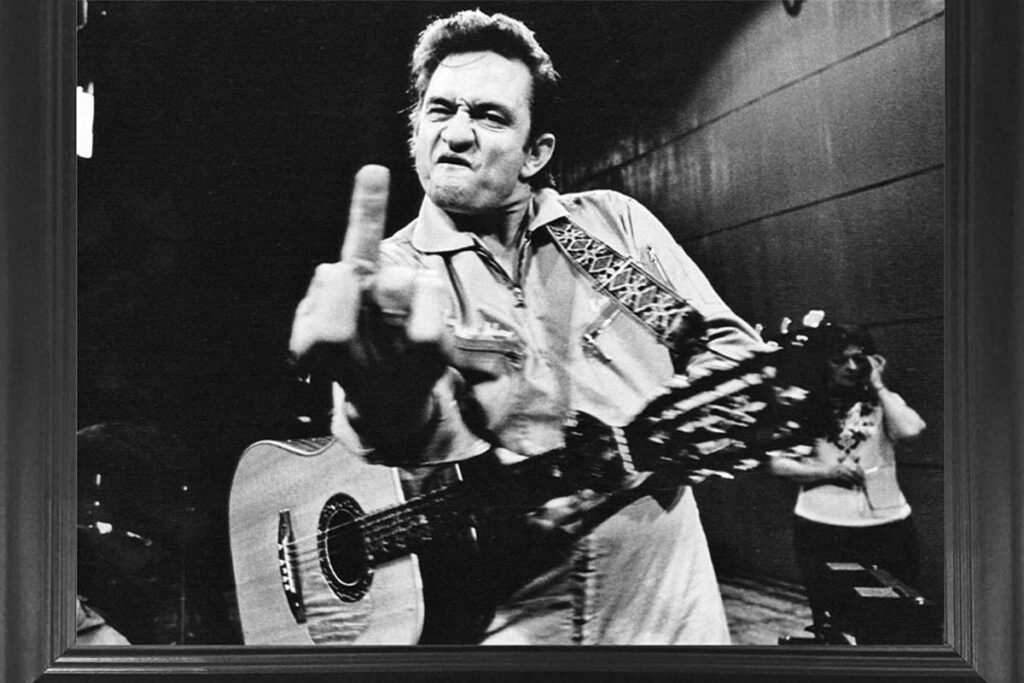
Johnny Cash’s journey towards redemption was closely tied to his faith and his relationship with June Carter. After hitting rock bottom, Cash had a spiritual awakening that reignited his inner strength.
June Carter played a crucial role in Cash’s recovery. Their relationship was built on love and shared faith, helping Johnny navigate through his challenges. Together, they created a powerful partnership both on and off stage.
Cash’s redemption wasn’t just personal; it became a platform for spreading hope. He used his experiences to advocate for prison reform and share messages of second chances. His story showed that redemption is possible, even from the darkest places.
This journey of faith and redemption deeply influenced Cash’s music and public persona. It added depth to his performances and resonated with fans who saw in him a flawed but determined man striving for better.

Impact on Prison Reform
Johnny Cash’s involvement in prison reform was a significant part of his legacy. His famous concerts at Folsom Prison and San Quentin were more than just performances; they were statements about the humanity of inmates.
Cash used his platform to advocate for prisoners’ rights and rehabilitation. He testified before the US Senate, sharing stories from his prison visits and highlighting the need for reform. His celebrity status helped bring these issues to public attention.
Through his music and activism, Cash challenged society’s perceptions of prisoners. He emphasized the possibility of redemption and the need for a more humane approach to incarceration. His efforts contributed to a shift in how prisons were viewed, encouraging a focus on rehabilitation rather than just punishment.
Cash’s work in prison reform showed how an artist could use their influence for social change. His compassion for the incarcerated left a lasting impact on discussions about justice and rehabilitation in America.
Legacy and Lasting Influence
Johnny Cash’s influence on music and culture continues long after his passing. His unique style and honest lyrics have inspired generations of musicians across various genres.
Cash’s collaborations with artists like Bob Dylan and Willie Nelson helped bridge different musical styles. His ability to connect with audiences through authentic storytelling set a standard for songwriting that many still aspire to.
The recognition Cash received, including multiple Grammys and inductions into both the Country Music and Rock and Roll Halls of Fame, speaks to his broad appeal and lasting impact.
Many modern artists cite Cash as an influence, appreciating his blend of personal experience with artistic expression. His willingness to address difficult subjects in his music paved the way for more honest and diverse storytelling in songwriting.

Beyond music, Cash’s personal story of overcoming addiction and finding redemption continues to inspire. His legacy reminds us of the power of resilience and the possibility of positive change, even in the face of significant challenges.
Johnny Cash’s story is a reminder of the strength found in embracing one’s own journey. Through the ups and downs, his life and music continue to inspire, showing us that redemption and hope are always within reach.
- Cash J. Cash: The Autobiography. HarperOne; 2003.
- Hilburn R. Johnny Cash: The Life. Little, Brown and Company; 2013.
- Streissguth M. Johnny Cash: The Biography. Da Capo Press; 2006.