
Imagine a time when families gathered around the dinner table, sharing stories and wisdom passed down through generations. Today, the landscape has shifted, with technology and modern life altering how we connect with our elders. This shift raises questions about the value we place on the experiences and knowledge of older generations, and how we can adapt to preserve these connections in a rapidly changing world.
From Tight-Knit to Torn Apart: How the Modern World Shattered the Family Bond
Back in the day, families were like a well-oiled jukebox, every member playing their part harmoniously. Today, it’s like everyone’s off doing their own thing, chasing dreams across states or even oceans. This modern mobility is a big deal. Families aren’t clustered like they used to be, with three generations under one roof, sharing stories at dinner.
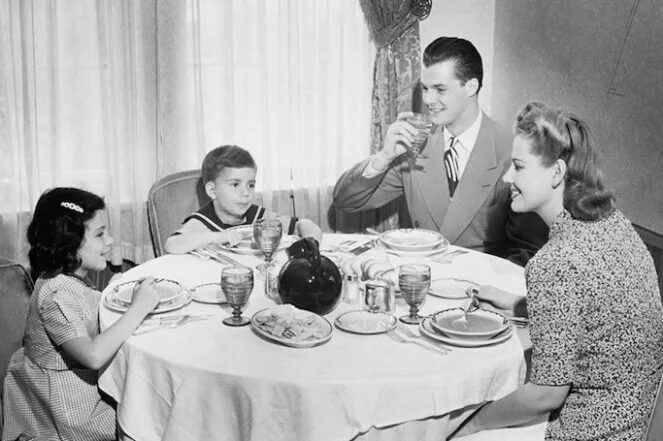
The hustle of modern life means visits to Grandma’s have been replaced with likes and emojis on social media. It’s not that people don’t care—it’s just that moving for a job or a partner is normal now.
We’re living in a time where Skype calls and texts have taken over the space that Sunday dinners once held.
With fewer kids running around, there are also fewer nieces, nephews, and grandkids to absorb knowledge from the elders. There’s less opportunity for those golden moments where Grandpa teaches you about changing a tire or Grandma shares her secret cookie recipe.
Elders used to be the glue in the family, the wise ones everyone turned to for advice. But now, with everyone scattered, that role has shifted. It’s like old cassette tapes gathering dust while everyone’s streaming online.
These changes affect relationships between young and old. Simple misunderstandings can turn into silence when there’s no close-knit bond. It’s a bit like losing the beat in a favorite song—the rhythm’s just not the same anymore.
But it’s not all bad news. Technology could also be the hero here. Video chats and social media offer threads of interaction that keep connections alive. Sure, it might not be the same as sitting together, but it’s something. Maybe there’s a chance to find a new way to value what elders bring to the table—whether it’s wisdom, experience, or just a friendly ear.
Why ‘Boomer’ Became an Insult—And What It Says About Us
Flip through the channels and you’ll see those silver-haired folks portrayed as either comic relief or that grumpy neighbor next door. Our media’s got a knack for playing the same tunes over and over, and stereotypes are one of those broken records.
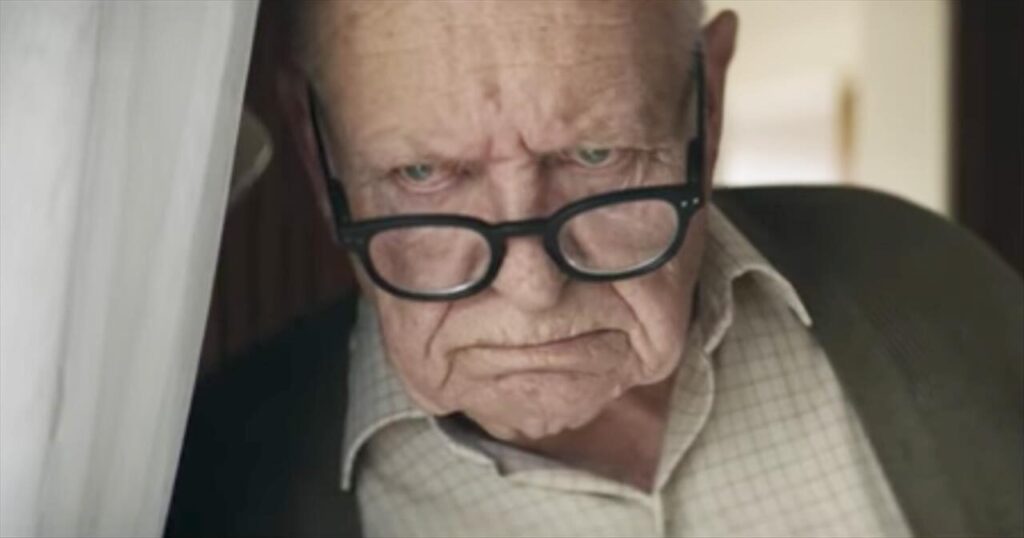
These portrayals have done more than fetch a few laughs—they’ve helped stitch together a quilt of ageism that’s spread over society. When we see elders reduced to caricatures, it’s no wonder respect for the older generation starts slipping.
In the workplace, older adults are sometimes seen as outdated tracks that belong in the clearance bin. They’re presumed to lag behind in tech-savvy or innovation, which is crazy because they were tackling life challenges before some of us could even spell “challenge”.
These assumptions paint older adults as less valuable, sidelining their contributions. It’s like opting for a cover band when you’ve got the original legends ready to play. The result? Missed opportunities for younger folks to learn from true sages who’ve been around the block.
This stereotype mix pushes elders away from the collective conversation. Their rightful role as our familial DJs and life coaches gets overshadowed by loud vocals of “what they can’t do”.
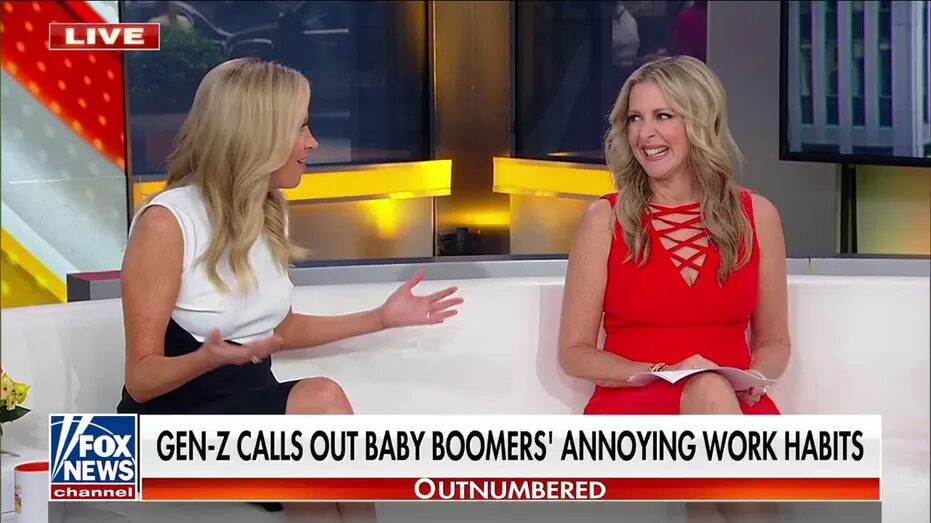
It’s time to change how we perceive and engage with our elders. Just like vinyl is making a comeback, we need to tune back into the elder station, appreciating the rich notes of their stories and experiences. Let’s break these ageist perceptions and allow our societal symphony to shine with every generation in harmony.
In Other Cultures, Age is Power – Why Did We Turn Our Backs on Our Elders?
Let’s spin the globe a bit. In Japan, elders are revered like rock stars. They call it “respect for the aged,” and even have a national holiday to celebrate seniors. It’s inspiring to see younger generations actively seeking out the wisdom of their elders.
In India, family ties are as strong as a hot cup of chai. Households tend to be joint, with three generations under one roof like a close-knit band. Grandparents often act as the carriers of culture and values. Age is seen as a triumph, a time to reap the respect sowed over years of hard work.
Aboriginal communities in Australia consider elders as wisdom keepers who hold a prestigious place. It’s like having your own personal living library, where knowledge and culture are passed down with respect. They’re the guides who help shape the younger generation, ensuring traditions don’t fade into obscurity.
Now, let’s look at American society. While we’ve been chasing youthfulness and ambition, our appreciation for the seasoned has been dialed down. The focus has been on individualism—everyone’s been jamming to their own beat, sometimes missing the chance to harmonize with wisdom from the past.
What can we learn from these global beats? Recognizing the seasoned vet in the room can shift the entire dynamic of family and society. It means acknowledging the value in life’s experiences, whether it’s sharing a secret recipe or imparting advice that saves us a few detours.
Embracing respect for elders doesn’t mean rolling back the clock; it’s about remixing those values into our modern lifestyle. Imagine a track where the old and young create harmonies, mixing classic wisdom with fresh perspectives. Every generation brings a unique rhythm to the table, and together, we’re one heck of a symphony.
The Lost Art of Respect: Can We Bring Back the Best of the Old Ways?
Back in the 1950s, respect for elders was as common as Elvis on the radio. Phrases like “Yes, Ma’am” or “No, Sir” rolled off the tongue easily. Elders were seen as the custodians of wisdom, and families often lived close by. Sunday dinners were perfect for grandparents to share tales and advice that shaped values and character.
Fast forward through the post-war economy boom and rise of suburbia, and the picture changes. The 1960s and 70s saw a shift in gear. New tunes of independence, free speech, and questioning authority played. The counterculture, women’s liberation, and civil rights movements changed the landscape and challenged authority. Elders were still respected, but the hierarchy wasn’t as clear-cut.
As technology entered the scene, it created new avenues for information that weren’t tied to family lineage. Younger generations had new mentors beaming into their living rooms. The world expanded beyond the family circle, and reliance on elders for knowledge began to shift.
The 1980s and 90s saw more dual-income households and less time at home. Add changing views on religion and sexuality, and you saw a move away from rigid family structures. These changes signaled a gradual cultural remix, trading certainties for fresh possibilities.
The 21st century brought smartphones and social media. Time spent listening to elders’ stories got sidelined for binge-streaming and scrolling through hashtag trends. The emphasis shifted to peer interactions over family sagas. However, the legacy of the past continues to hum along; though quieter, it’s still there waiting to be turned up again.
So, what about respect today? It’s still around, but it’s undergone a serious remix. Elders aren’t just overseeing traditional upbringing; they’re guides through the chaos of modern life. They’ve got stories of resilience, sharp humor, and tales about surviving without Google Maps!
As we bop along to a less predictable world, embracing a respectful nod to what elders bring might just be the new rock and roll. Time to pull up a chair, listen closely, and blend those timeless lessons into the hustle of life today. After all, everyone loves a good comeback tour, right?
Can We Use Screens to Bring Us Closer? Finding Connection in the Digital Age
Let’s tune into today’s rhythm, where technology has remixed how generations connect. We’ve gone from face-to-face chats and postcards to Snapchats and status updates as our lifeline for sharing daily life.
In this world of emojis and hashtags, the art of patience and listening that grandpa would have taught during porch talks feels like a rare vinyl track. A quick “like” or “thumbs-up” often replaces those warm Sunday afternoon story sessions over tea.

The digital age has put us in touch with far-off relatives, which is cool. But it also means those gabfests with Nana, filled with her experience and the scent of homemade pie, aren’t as frequent. We’ve swapped heartfelt conversations for pixels on a screen.
It’s not all bad news, though. Social media creates opportunities for connection across time and space. Elders who embrace these platforms can share family history, turning it into digital gold. A viral post or streamed family gathering keeps the youthful and seasoned in sync.
Yet, it’s easy to forget the wisdom waiting off-screen when every ping demands attention. Younger generations often lean more on Google than Grandma’s advice, and online forums sometimes overshadow those heart-to-heart “back in my day” chats.
The challenge is finding balance. It’s about managing endless notifications while still catching the twinkle in Grandpa Joe’s eye as he recounts his greatest adventure. The digital age brings a whirlwind of interaction, but it’s up to us to ensure it doesn’t sweep away the guiding stars of old.
As we dance in this techno-beat world, let’s harmonize our modern gadgets with elder insights. Technology might bring efficiency, but it’s the stories shared across generations that turn houses into homes and remix life’s soundtrack into something truly timeless.
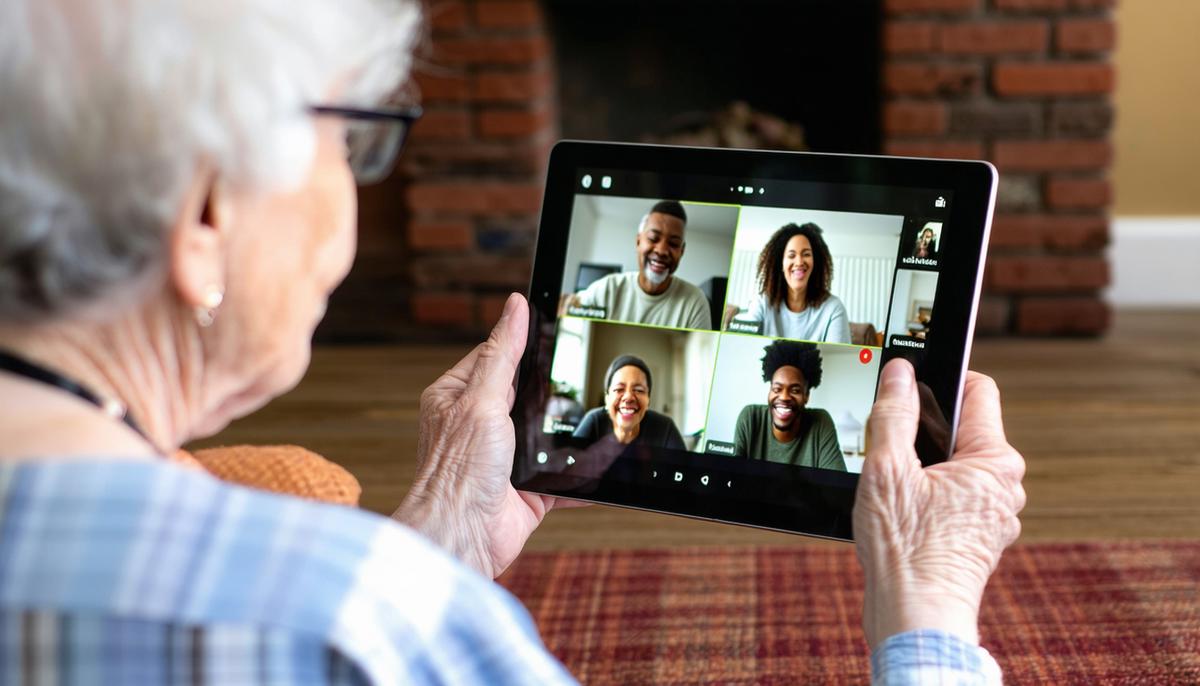
As we move forward, it’s crucial to remember the importance of bridging the gap between generations. By valuing the wisdom of our elders and blending it with modern perspectives, we can create a harmonious balance that enriches our lives and strengthens our communities.
- Wilkinson JH III. All Failing Faiths. Encounter Books; 2017.
- Pew Research Center. Religion Among the Millennials. 2010.
- General Social Survey. NORC at the University of Chicago. 2014.
- Ortman JM, Velkoff VA, Hogan H. An Aging Nation: The Older Population in the United States. U.S. Census Bureau; 2014.
- Frey WH. The US Will Become ‘Minority White’ in 2045, Census Projects. Brookings Institution; 2018.
- Rosenberg M. The Implications of Demographic Changes for Urban Planning. Journal of Urban Affairs. 2015;37(2):131-140.