Postwar Economic Boom
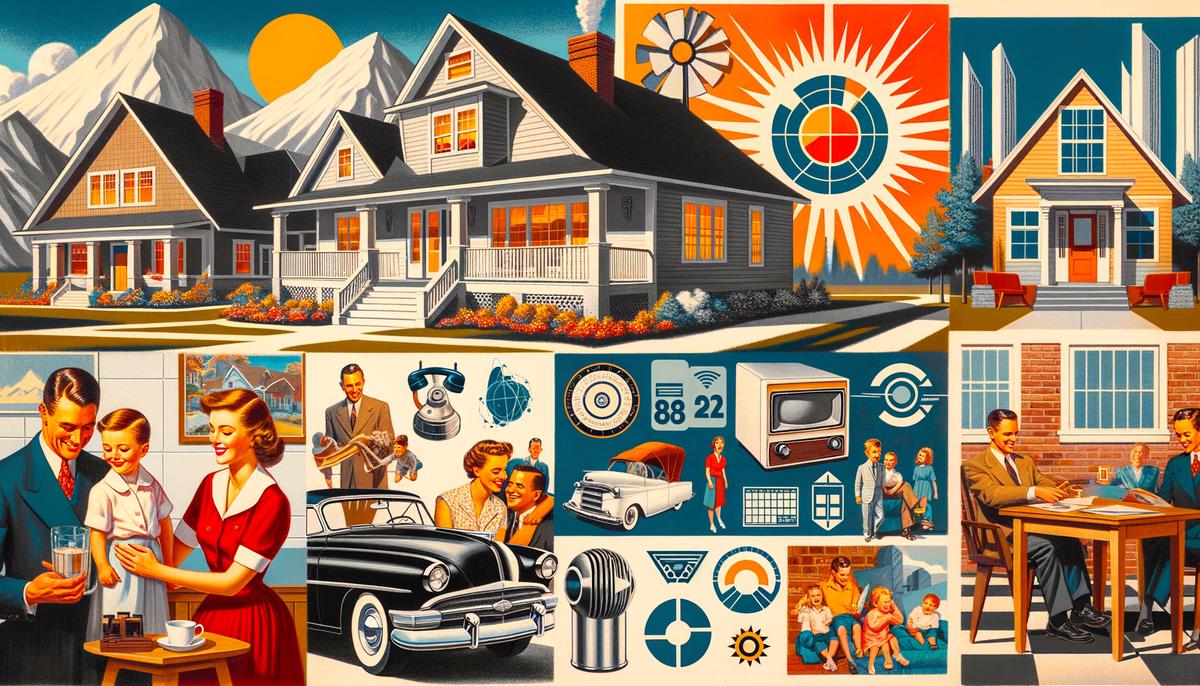
The 1950s were a time of economic prosperity. Fresh off the war, people were ready to work hard and spend money. The economy was buzzing with activity. Folks were buying cars, fridges, TVs—just about anything new and shiny.
Suburbs were popping up fast, offering young families a piece of the American Dream. The GI Bill had servicemen trading uniforms for lawn mowers. These new neighborhoods promised prosperity with mom, dad, kids, and a picket fence.
The middle class was booming. Job opportunities were plentiful, often offering benefits and pensions. Schools and roads were under construction, showing visible signs of growth. Evenings were spent around TV sets, with advertising jingles encouraging this lifestyle.
Workers had a strong sense of duty. Men in suits at desks and folks on assembly lines kept America running smoothly. Hard work was valued, and job loyalty was common. This work ethic knit society together, binding everyone to a common purpose.
It was a time when progress seemed guaranteed. From the work bench to the boardroom, a prosperous path was carved through effort and enterprise. This mix of hard work and optimism laid the groundwork for the nation's future.

Generational Workforce Dynamics
The 1950s workplace saw two generations working side by side: the Silent Generation and the Baby Boomers. Each brought their own flavor to the job.
The Silent Generation, shaped by the Great Depression and World War II, valued stability. They played by the rules and preferred a smooth-sailing workplace. They were the calm, steady force in offices and factories.
Baby Boomers burst onto the scene with high energy. Born into prosperity, they had big dreams. While they brought zeal to work, they also learned from their elders—adopting some of that conformity and loyalty, but always with their own twist.
Both generations prized job security. Loyalty to a company was common, with many folks sticking to one job for decades. The promise of benefits and a pension was a strong motivator.
This mix of generations created a workplace hum of teamwork and respect. Their combined dedication laid the groundwork for a thriving nation, where every hour on the clock felt like a promise kept.
Role of Women in the 1950s
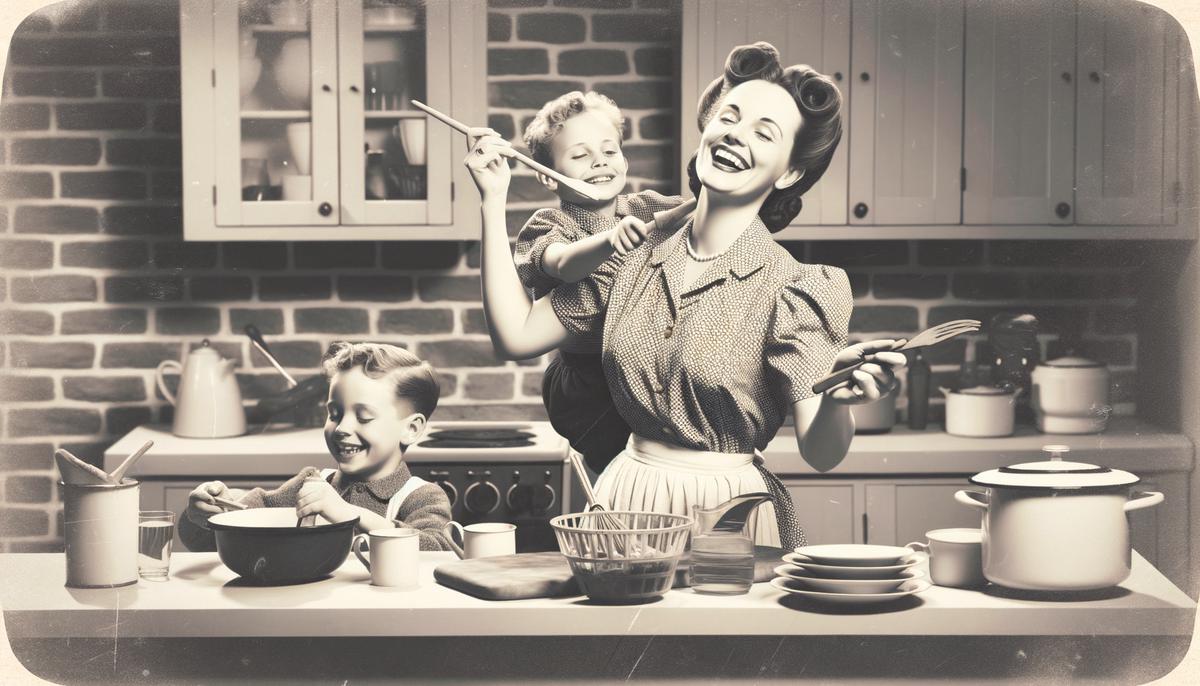
In the 1950s, women were often seen as homemakers first. They were the unsung heroes of the domestic sphere, juggling everything from Tupperware parties to keeping Junior's hair neat for school.
Society expected women to be the perfect wife, mother, and housekeeper. It was like baking a pie while wearing a corset—challenging but expected.
Career-wise, women were often limited to roles like:
- Secretaries
- Nurses
- Teachers
These jobs were valued for their nurturing qualities but offered little chance for advancement.
But beneath the surface, change was brewing. Women began to want more than just domestic bliss. This desire for more would eventually spark the feminist movement of the '60s.
While the '50s might have limited women's roles, it also set the stage for future changes. Many of those homemakers would soon embrace new identities and adventures, paving the way for greater equality and opportunity.
Civil Rights Movement and Workforce
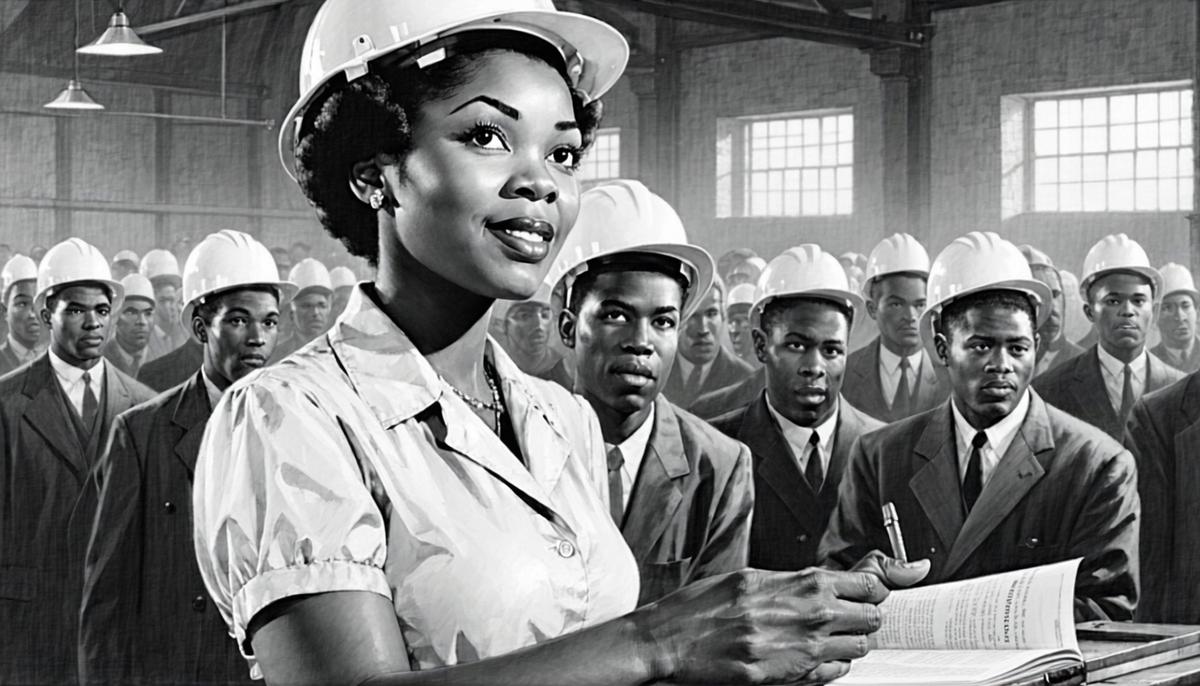
The 1950s weren't all picket fences and prosperity. For African Americans and other minorities, it was a time of struggle against discrimination, especially in the workplace.
Imagine trying to climb the career ladder when some rungs were off-limits. Many African Americans faced closed doors in the job market, missing out on the perks of the booming economy.
"Separate educational facilities" for black children were "inherently unequal."
This landmark ruling from the 1954 Brown v. Board of Education case was the first nail in Jim Crow's coffin.
But this didn't stop them from demanding fair treatment. They joined the chorus of workers calling for respect and equal opportunities. Their fight wasn't just about dignity; it was about getting a fair shake at work.
This push for equality had a ripple effect. It made society reconsider what hard work and success should look like. The movement showed that the American Dream should be for everyone, not just those born into privilege.
The civil rights struggle in the workplace became a key part of the 1950s story. It mixed the era's strong work ethic with a powerful demand for fairness. This blend of tradition and progress set the stage for changes that would echo for years to come.
Cold War Influence on Work Ethic
The Cold War didn't just hover above international skies, it seeped into American life, giving everyone a reason to glance over their shoulders. This tension acted like a boost to our patriotism-infused work ethic. Every office desk, factory line, and classroom became a frontline in a silent battle—a testament to capitalism's promise as the ideology of freedom and prosperity.
Americans got to work like busy bees, bustling with purpose and production. The drive to display the virtues of American life went deeper than pie-charts and morning coffee. It became almost a rite of passage to be a devoted part of the engine of capitalism. After all, what better way to give the Red Scare the cold shoulder than by thriving on this side of the iron curtain?
It wasn't all doom and gloom, though. The vibe was something like a team spirit rally, with echoes of freedom's call bouncing off living room walls, fueled by TV broadcasts and radio announcements. Uncle Sam donned his work boots right alongside folks, rallying everyone to rise to the occasion. Industries expanded and scientific endeavors reached for the stars, entwining with national pride. It wasn't just about making a buck, but building a bolder, better nation.
Yet, underneath the star-spangled surface, there was a bit of a paradox. The same society that fostered unity through this work ethic also kept a watchful eye on anyone deemed too un-American, creating an environment where diversity sometimes took a backseat to unity.
The Cold War presented a blend of fear and motivation that imbued daily life with a kind of electric energy. It was a moment where shared national anxiety about communism inadvertently strengthened the very work ethic that made the nation hum.
Looking back, it was an era both complex and colorful, where every paycheck and fulfilled duty bore the weight of an unwritten contract to persevere. The Cold War wove itself into the fabric of day-to-day life, blending vigilance, determination, and hard work into a uniquely American experience that's still remembered with a hint of nostalgia.
Reflecting on the 1950s Work Ethic
The 1950s was a decade marked by a collective spirit of progress and unity. This era laid the groundwork for future generations, showcasing the power of resilience and ambition in shaping a nation. Here are some key aspects of the 1950s work ethic that built a better nation:
- Economic Boom: The gross national product more than doubled between 1945 and 1960, growing from $200 billion to over $500 billion.
- Low Unemployment: Rates of unemployment and inflation were low, while wages were high.
- Suburban Expansion: The G.I. Bill subsidized low-cost mortgages for returning soldiers, fueling suburban development and homeownership.
- Technological Advancements: Government spending on new technologies like computers contributed to economic growth.
- Consumer Culture: The expanding economy led to increased availability of consumer goods and higher spending power for the middle class.
However, it's important to note that this prosperity wasn't equally distributed. The implementation of the G.I. Bill, for instance, often favored white veterans over veterans of color, contributing to growing gaps in wealth, education, and civil rights.
The 1950s work ethic was also characterized by a strong sense of national purpose, driven in part by Cold War tensions. Americans felt compelled to demonstrate the superiority of capitalism over communism through their productivity and innovation.
"America at this moment stands at the summit of the world." – Winston Churchill, 1945
This quote encapsulates the optimism and confidence that permeated American society in the post-war era. The belief in American exceptionalism fueled a drive to excel in all areas of life, from the workplace to scientific endeavors.
While the 1950s work ethic contributed significantly to America's economic dominance, it also had its drawbacks. The pressure to conform to idealized roles, particularly for women and minorities, created underlying tensions that would erupt in the social movements of the 1960s.
In conclusion, the 1950s work ethic, with its emphasis on hard work, national pride, and material progress, played a crucial role in building the America we know today. Its legacy continues to influence our understanding of the American Dream and the relationship between individual effort and national prosperity.