
I Love Lucy: A Comedy Revolution
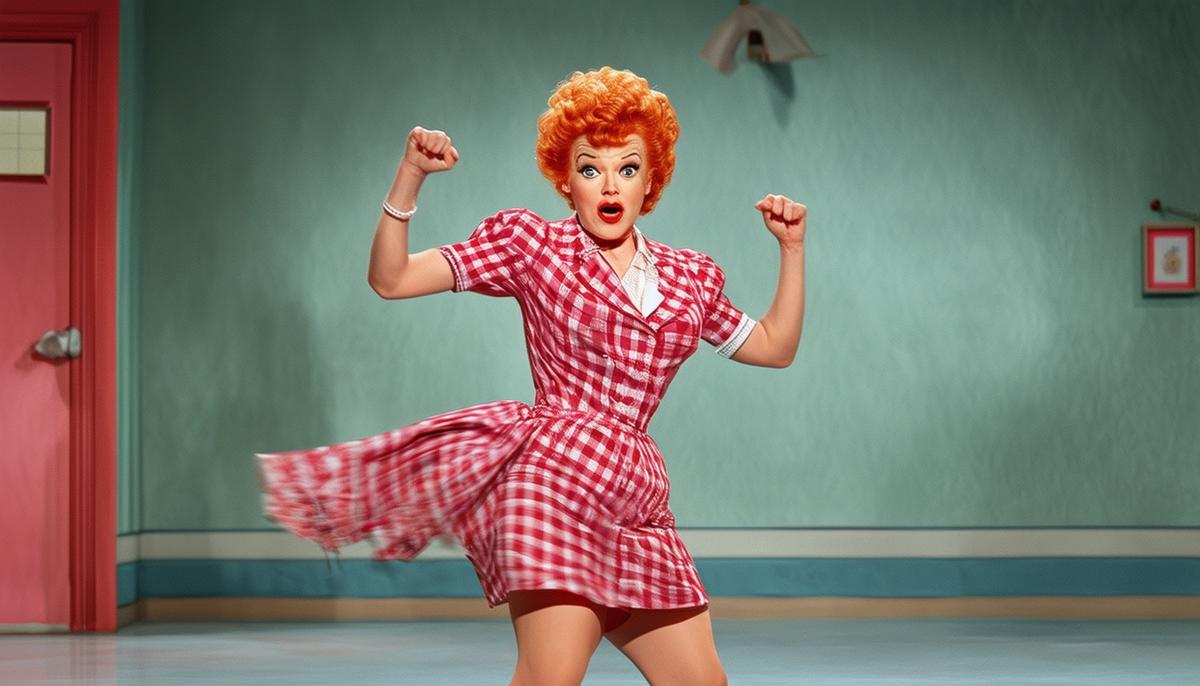
"I Love Lucy" brought laughter straight into living rooms, changing the television landscape. It introduced live audiences to sitcoms, adding authenticity to each scene. Lucille Ball's comedic genius shone through her physical comedy and wit, making viewers feel better about their own mishaps.
The show perfected the art of comedy while touching on relatable themes like:
- Friendships
- Marriage
- Work-life balance
For the 1950s, it wasn't just a show; it was the heartbeat of prime time. Whether revisited on black-and-white screens or remembered as family lore, "I Love Lucy" left an indelible mark on how storytelling brings people together.
The Twilight Zone: Sci-Fi and Social Commentary
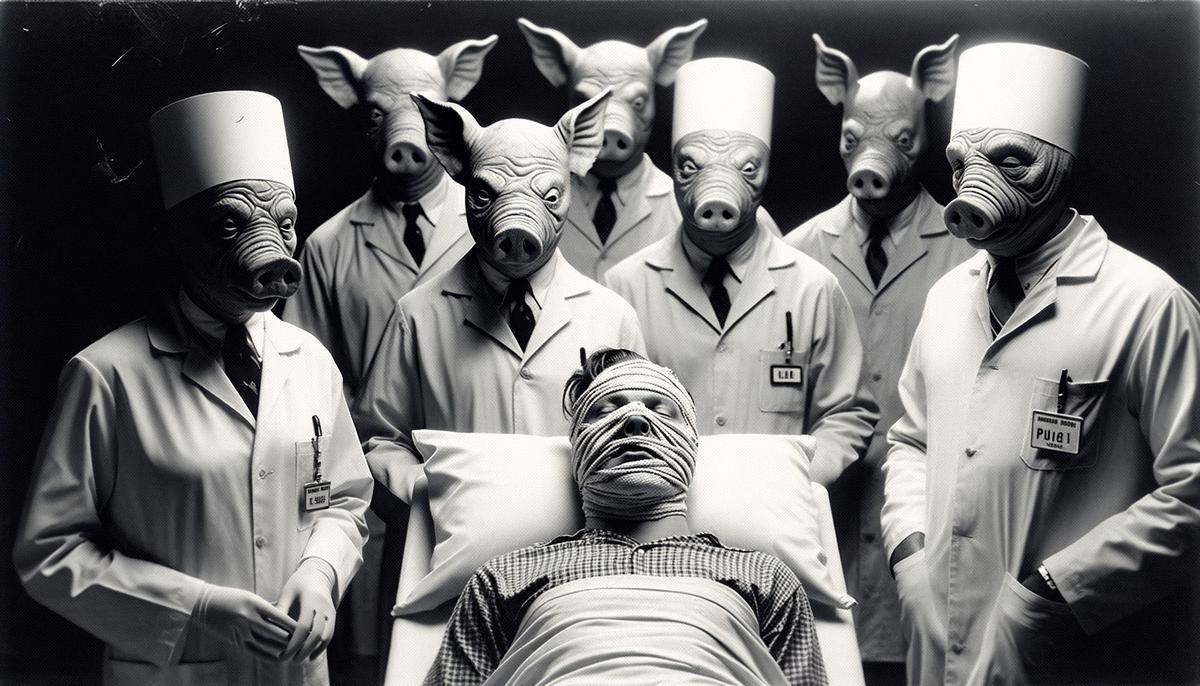
"The Twilight Zone" took audiences on a journey beyond the everyday, exploring areas where the bizarre and profound coexisted. Rod Serling wrapped social critique in the alluring package of speculative fiction, asking viewers to reconsider truths they took for granted.
Notable episodes include:
- "The Monsters Are Due on Maple Street" – tapped into communal paranoia, showcasing the perils of mob mentality.
- "Eye of the Beholder" – explored themes of conformity and beauty, making viewers ponder societal norms and personal identity.
The show dared to blend moral quandaries with captivating stories, using science fiction to explore pressing social dilemmas. Its legacy remains a beacon for future stories that merge fiction with real-world conversations. Even today, these iconic episodes possess a timelessness that reminds us of both the era's concerns and enduring human nature.
Leave It to Beaver: Portraying the Ideal American Family
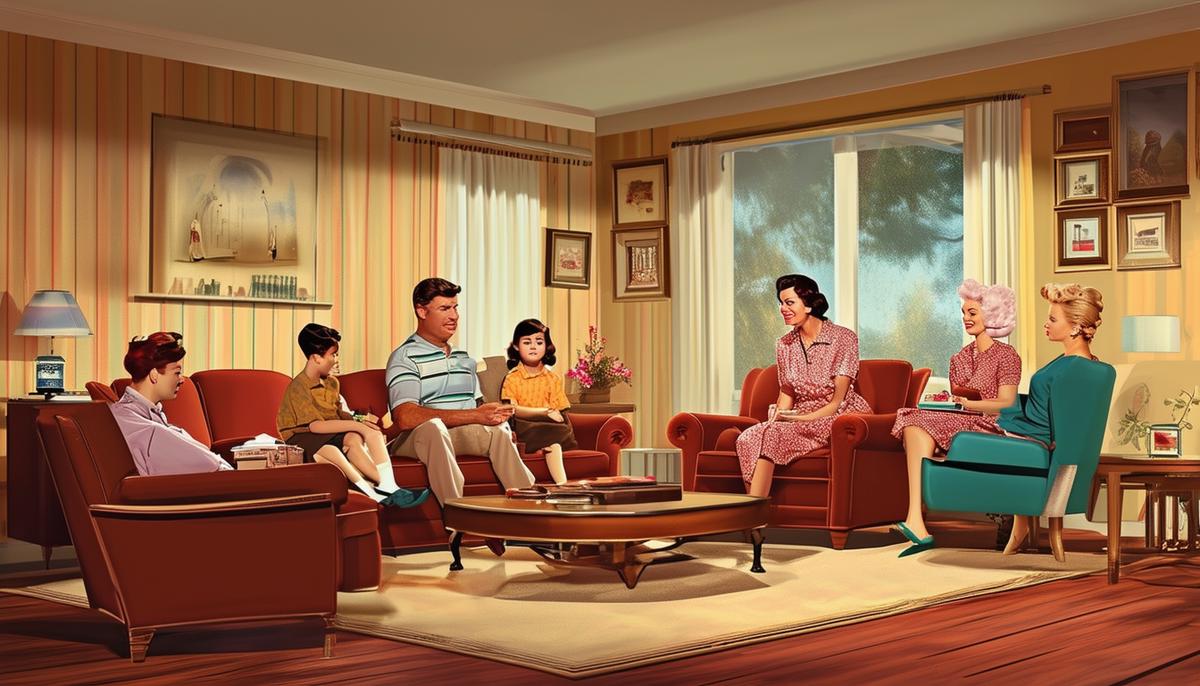
"Leave It to Beaver" embodied the optimism and charm of 1950s suburban life. The Cleaver family represented traditional values, with June and Ward as paragons of parenting. Their household showcased the quintessential post-war American dream, complete with manicured lawns and tidy neighborhoods.
Every misadventure faced by Wally and Beaver culminated in heartfelt lessons, resonating with viewers longing for connection. The show encapsulated the zeitgeist of the 1950s, providing a world where problems found neat resolutions over milk and cookies at the kitchen table.
"Leave It to Beaver" offers a glimpse into a world both familiar yet distinct from the present, reminding us of simpler times when kindness and communication often solved life's small stumbling blocks.
Though society has evolved, the essence of family and togetherness depicted still echoes, tickling our fancy with dreams of vintage unity.
The Ed Sullivan Show: A Variety Show Phenomenon
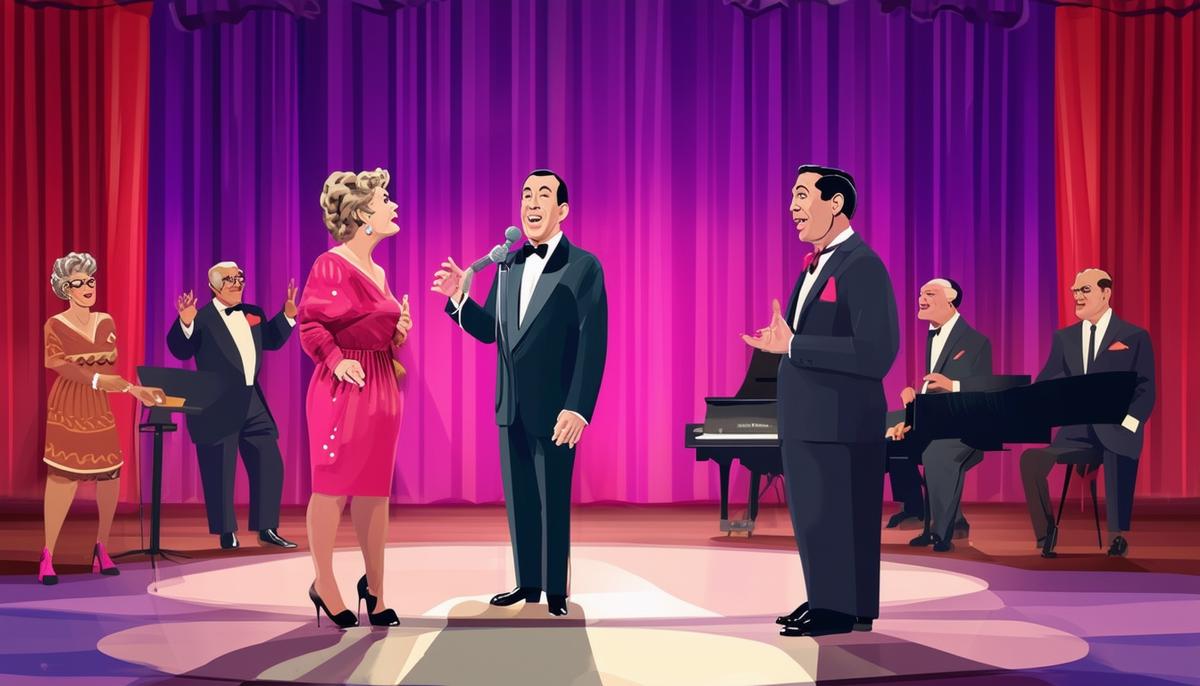
"The Ed Sullivan Show" brought a kaleidoscope of talent into American living rooms. It wasn't just television; it was an event. Sunday nights transformed into a medley of acts that crossed genres and generations, from classic crooners to ground-breaking rock 'n' roll bands.
The show's magic lay in its variety, showcasing everyone from Elvis Presley to the Beatles. Ed Sullivan had a knack for spotting talent, and his stage became the proving ground that catapulted many careers into fame. His understated demeanor provided a calming presence amid the whirlwind of acts.
The show's cultural reach was unparalleled, playing a pivotal role in the evolution of television. It fostered a sense of community and wonder, creating a living mosaic of entertainment that brought people together. Its legacy lingers as a heartwarming reminder of a golden era where television not only mirrored society's collective soul but also enriched it with every captivating act.
The Honeymooners: Blueprint for Sitcoms
"The Honeymooners" brought a fresh perspective to sitcoms by giving voice to the everyday struggles and joys of middle-class life. Ralph Kramden, the larger-than-life bus driver, and his wife Alice showcased a new family dynamic that audiences could relate to and admire.
The show's character-driven comedy set it apart. Ralph's get-rich-quick schemes and Alice's quick wit created a dance between tension and tenderness that marked the series as something special. Their interactions, along with their best friends Ed and Trixie Norton, were pure gold.
"The Honeymooners" proved that a simple domestic setting with complex, vibrant characters could wield enduring universal appeal. It captured the timeless essence of making the best out of life's little messes, setting the stage for generations of television comedy to come.
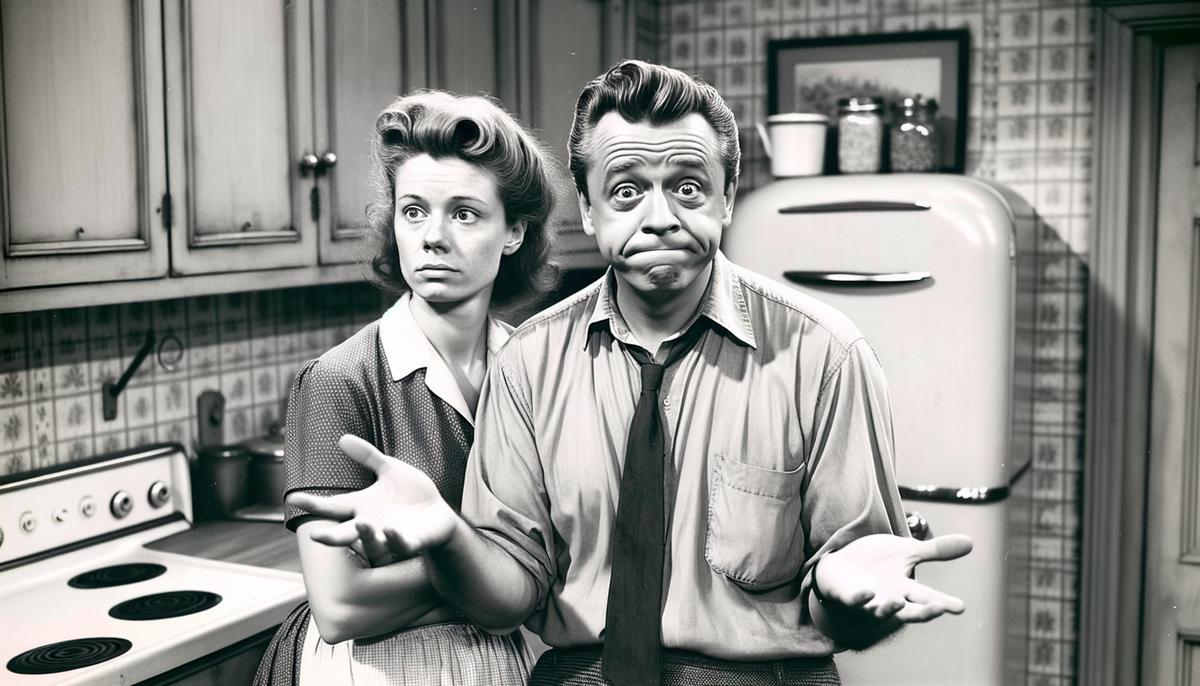
Reflecting on these 1950s television shows, we see how they shaped the cultural landscape through laughter, introspection, and familial warmth. As we revisit these classics, we're reminded of the enduring power of storytelling to connect us all.
- Brooks T, Marsh E. The Complete Directory to Prime Time Network and Cable TV Shows, 1946-Present. New York: Ballantine Books; 2007.
- Edgerton GR. The Columbia History of American Television. New York: Columbia University Press; 2007.
- Marc D, Thompson RJ. Prime Time, Prime Movers: From I Love Lucy to L.A. Law—America's Greatest TV Shows and the People Who Created Them. Syracuse: Syracuse University Press; 1995.