
Origins and Rise of Drive-In Theaters
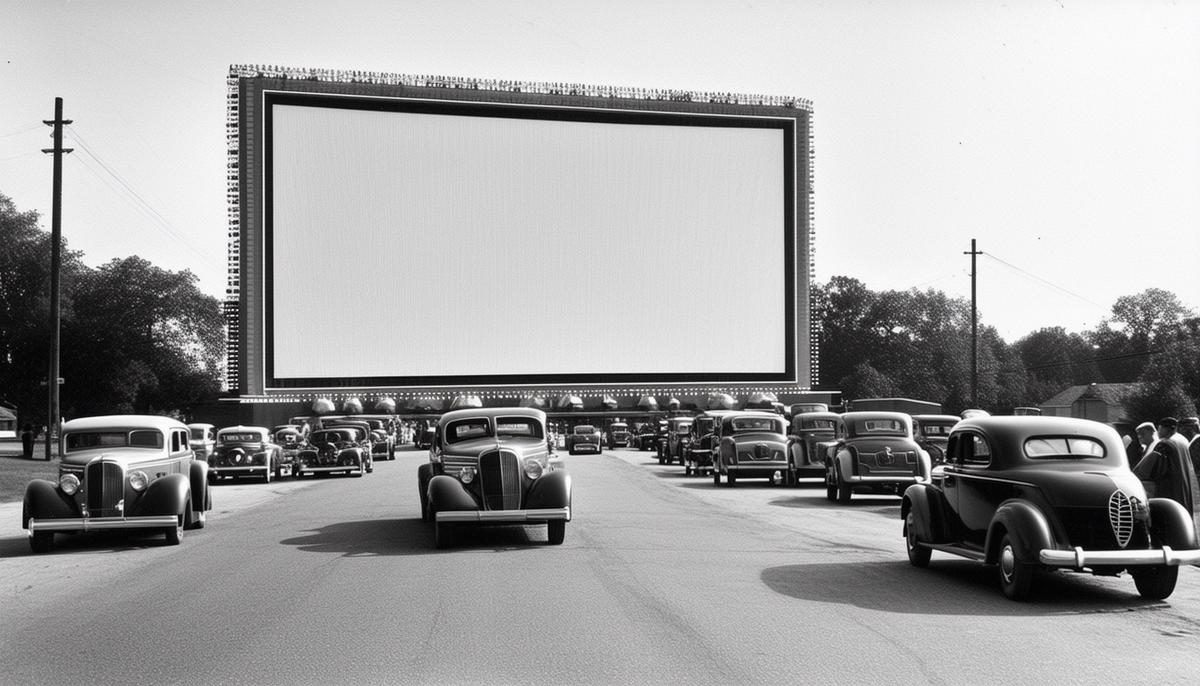
Richard M. Hollingshead came up with the drive-in theater idea, getting a patent for it in Camden, New Jersey, in 1933. Picture watching movies from your car under the stars – that was the drive-in experience.
After World War II, Americans were ready for fun. Car ownership was up, and suburban life was booming. Drive-ins started popping up everywhere. By 1951, there were 4,151 of them, up from just 155 a few years earlier.
These outdoor theaters were usually on the edges of towns. They were great for families, cheap dates, and bringing your own snacks. Folks would tune their car radios for sound, enjoy the breeze, and relax under the night sky.
Kids would sprawl out in the backseat, couples would snuggle under blankets, and everyone got to enjoy Hollywood's latest under the stars. It was a unique way to spend a summer evening.
Cultural Impact on 1950s Entertainment
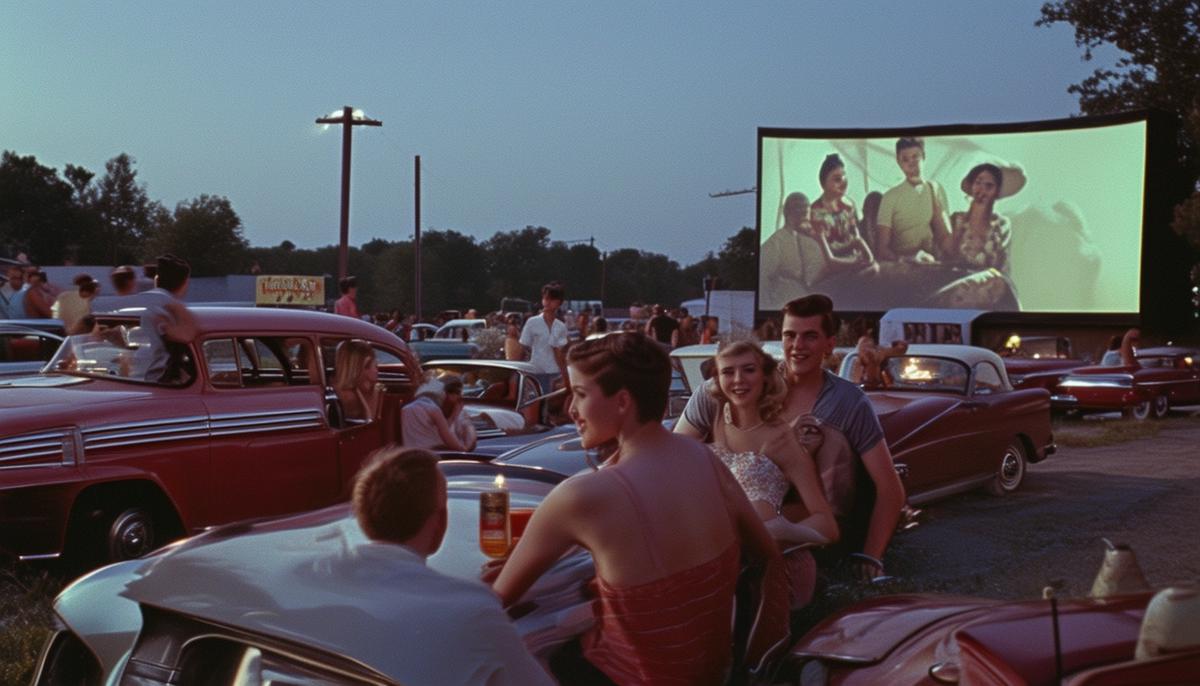
Drive-in theaters weren't just about movies – they were where 1950s America came to life. These spots became the place to hang out, socialize, and be part of the community.
High schoolers would hope to bump into their crushes, while families enjoyed a budget-friendly night out. It was like a real-life social network, minus the smartphones.
The drive-in celebrated pop culture, from Elvis on screen to sci-fi thrillers. It brought different walks of life together, all tucked into their cars. You weren't just watching a film; you were sharing an experience with the whole town.
As rock 'n' roll played through car speakers, drive-ins offered a sense of freedom that drew people in. It was where life felt like an adventure, complete with fizzy sodas and candy under the stars.
Technological and Social Factors Leading to Decline
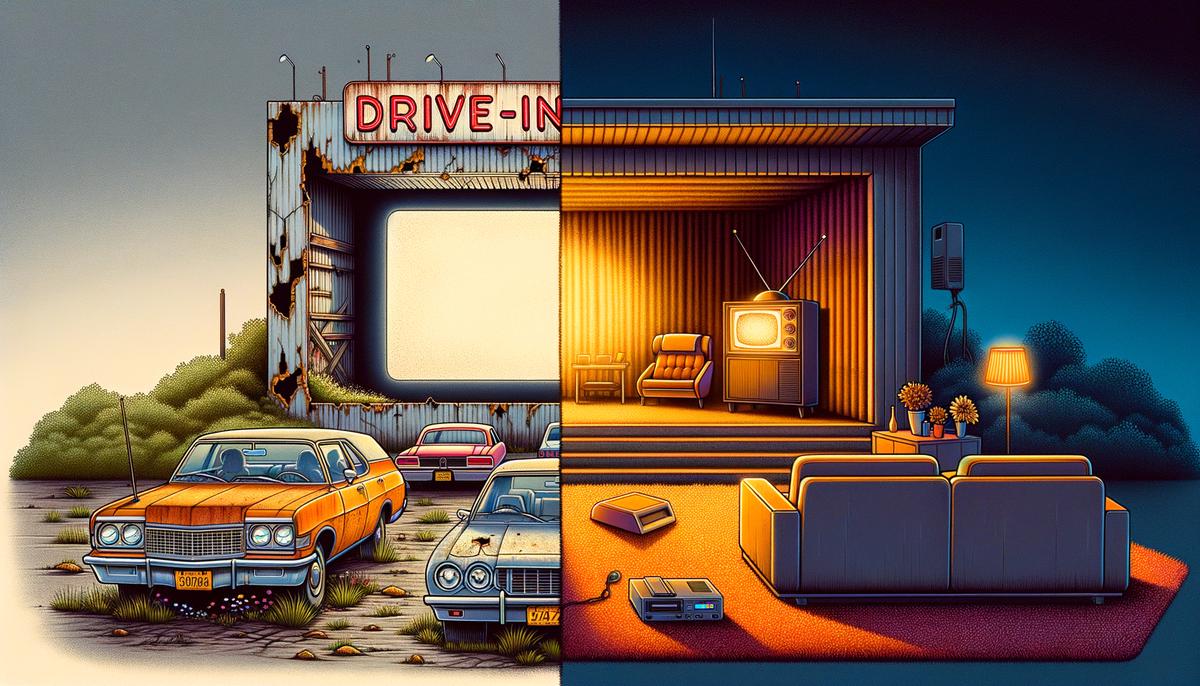
The 1970s and 1980s brought changes that challenged drive-ins. Color TV let folks watch their favorite stars at home in full technicolor. Then came VCRs, giving people the power to pause and replay movies whenever they wanted.
Cable TV added even more choices, offering a variety of films and shows for less than drive-in prices. These home entertainment options made it tempting to stay in rather than go out.
Social changes played a part too. As suburbs grew, developers saw drive-in lots as prime real estate for shopping centers and housing. Some people also worried about safety at drive-ins, and not all the content shown was family-friendly.
While drive-ins started to fade, they left behind fond memories of nights under the stars. Like a cherished old record, the drive-in era reminds us of when movies felt grand and life seemed a bit simpler.
Legacy and Nostalgia of Drive-In Theaters
Drive-in theaters hold a special place in our hearts, like a favorite old song. They remind us of simpler times when a night out meant stargazing and movie magic.
These outdoor cinemas represent more than just watching films. They're about summer nights, classic cars, and communities coming together. Drive-ins encompass everything from teen hangouts to family outings.
Recently, there's been renewed interest in drive-ins. People are looking back at them with curiosity, sparking a bit of a revival. It's like rediscovering a fun old hobby that still has charm today.
Drive-ins have even found new relevance in times when folks want to gather safely. Their open-air setup offers a unique experience that indoor theaters can't match.
Movies and TV shows keep the drive-in spirit alive too, often featuring scenes at these iconic venues. It's a nod to a piece of Americana that refuses to be forgotten.
In the end, drive-in theaters remind us of when life seemed a little less complicated. They represent good times, shared experiences, and the joy of watching stories unfold under the stars.
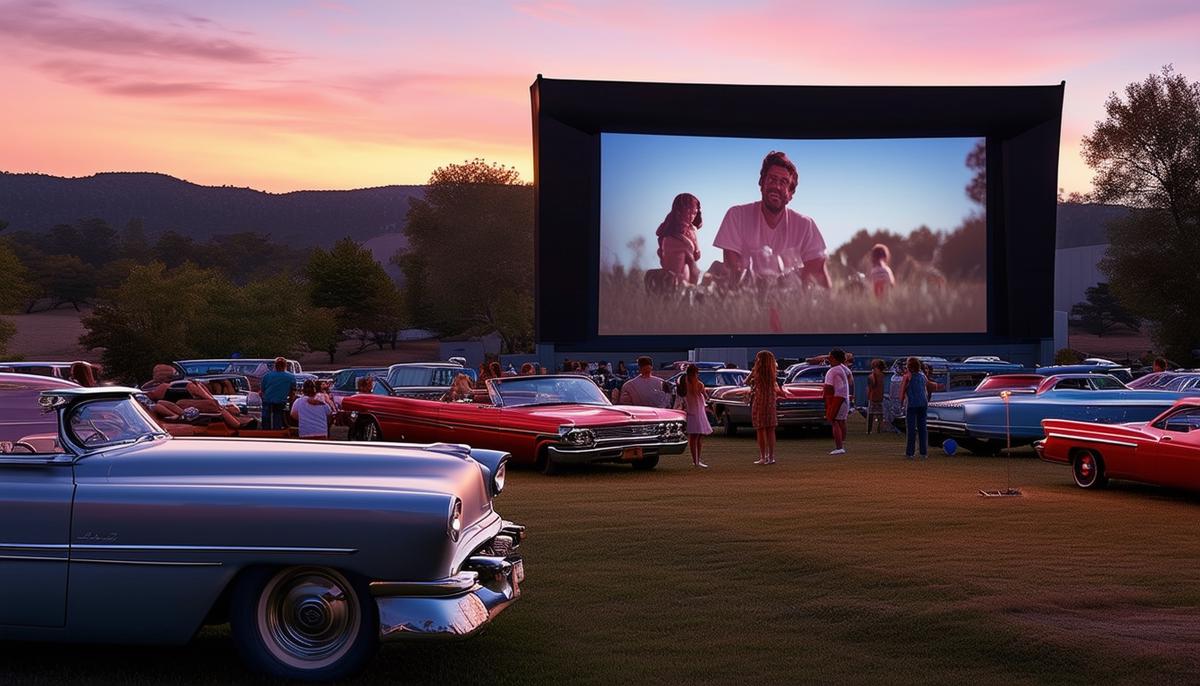
Drive-in theaters hold a special place in our memories. They remind us of watching movies under the stars and communities coming together. Though most drive-ins have closed, their spirit lives on, reminding us of those fun nights out.
Fun Facts about Drive-In Theaters:
- The first drive-in theater opened in Camden, New Jersey in 1933.
- At their peak in the late 1950s, there were over 4,000 drive-in theaters in the United States.
- Pennsylvania was a popular state for drive-ins, with more than 180 operating in the late 1950s.
- Today, there are only about 300 drive-in theaters still operating in the U.S.
- Pennsylvania currently ranks second in the nation for active drive-in theaters, with 28 still in operation.
- Driveinmovie.com. The History of Drive-In Movie Theaters.