
Wringer Washer Experiences
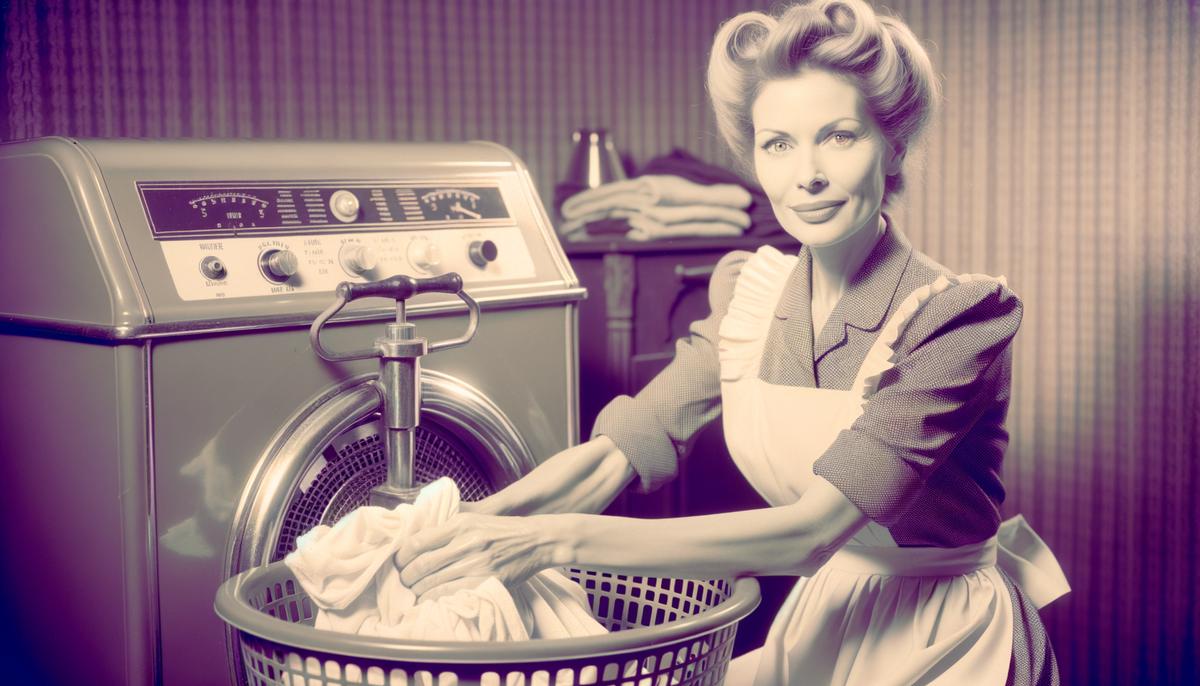
Let me tell you, working with a wringer washer in the 1950s was quite an experience. These machines were the backbone of laundry day, and they sure had a personality! My granny used to say, "That contraption's got a mind of its own." And she wasn't wrong. One slip of the hand and you could end up in a tussle you weren't expecting.
Wringer washers weren't just about getting clothes clean. They were a social event where neighbors swapped stories while working up a lather. It required your full attention and sometimes a bit of muscle power. My grandma would stand there with her sleeves rolled up, ready for whatever the machine threw at her.
In the 1950s, wringer washers were almost a rite of passage. I remember my uncle sharing tales of near-misses, as if he were recounting a great fishing story. It was a reminder of how these machines kept you on your toes.
Accidents weren't uncommon. A hand caught in those rollers happened more often than you'd think. My mom would often remind us, "You reach in, double-check, then think twice about putting your hand anywhere near those rollers."
Despite the risks, folks often spoke fondly of their trusty wringer washers. Fast and efficient, they were champs at handling sticky or muddy clothes. Some even claimed these old-timers could outperform the newer automatics.
Washing with those machines felt like a dance—twisting, guiding, making sure nothing got caught where it shouldn't. It taught us lessons about patience and caution. Life with a wringer was full of unexpected moments, colorful detergents, and the satisfaction of freshly sun-dried laundry.
Technological Evolution
In the 1950s, washing technologies were changing like the popular music of the day. Those trusty wringer washers found themselves sharing space with new electric models. As more homes got electricity after World War II, washer makers started designing machines that needed less manual work.
The evolution of washing machines progressed as follows:
- Hybrid models: semi-automatic wonders combining old-school cranks with modern tech
- Fully automatic machines: sleek and efficient, requiring minimal user intervention
- Push-button models: promising more free time for housewives
But why didn't the wringer washer stick around? Well, it was partly about convenience winning out. Despite their charm, wringer washers needed constant attention, while the new automatics promised an easier laundry day.
As more people got access to these user-friendly washers, the beloved wringers started to fade away. Many remembered them fondly, even as they switched to the new push-button models. It was a bit like trading in your old bicycle for a new car – kind of sad, but also exciting.
Each time we hear a modern washer humming away, it echoes the progress that started with those wringer washers. This slow dance of technology changed our machines from hands-on champions to automated helpers, setting the stage for all the cool gadgets we have in our homes today.
As the hum of modern machines fills our homes, it's a gentle reminder of how far we've come from the days when wringer washers ruled laundry day. Those old machines may have demanded more effort and attention, but they also brought people together in ways that today's conveniences rarely do. While technology continues to advance, there's something timeless about the shared stories and adventures that those early appliances inspired.
"It is said that the washing machine did more to liberate women in the 20th century than the pill or the right to work or vote."
This sentiment reflects the profound impact that washing machines, including wringer washers, had on society. They transformed not only the way we do laundry but also the social dynamics of households and communities.
- Hardyment C. From Mangle to Microwave: The Mechanization of Household Work. Cambridge: Polity Press; 1988.
- Cowan RS. More Work for Mother: The Ironies of Household Technology from the Open Hearth to the Microwave. New York: Basic Books; 1983.