
Lone Ranger Memorabilia Auction
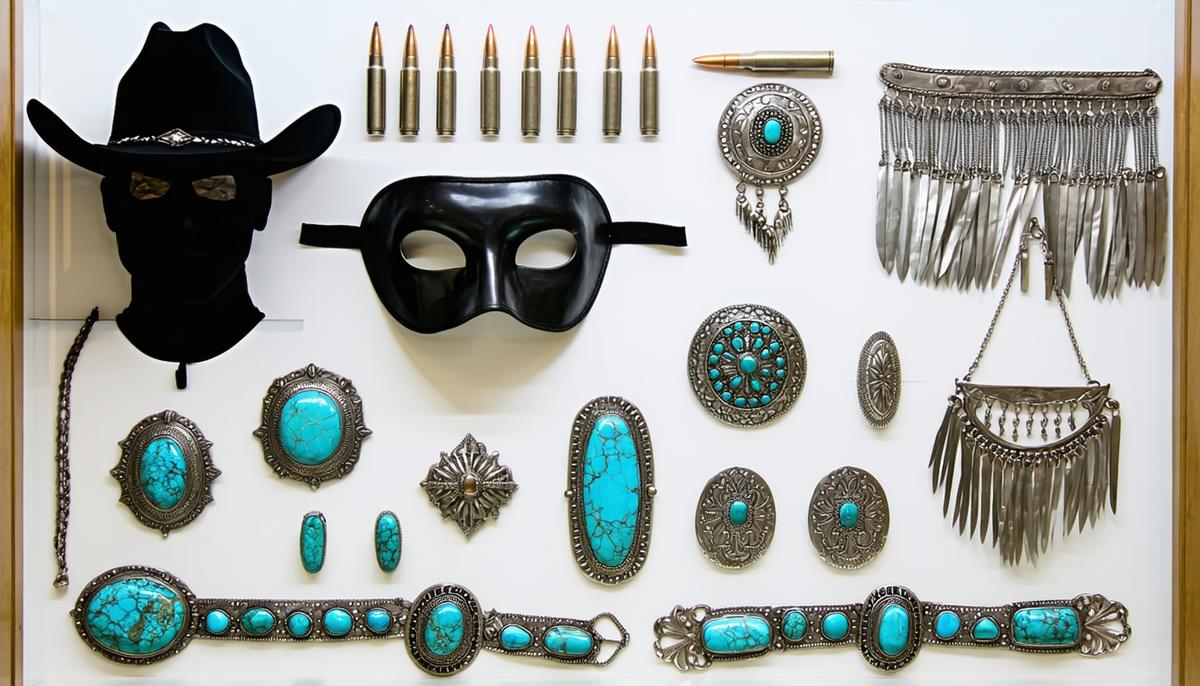
In 2000, a unique online auction featured Clayton Moore's personal Lone Ranger treasures. Fans could bid on iconic items like aluminum "silver bullets" that Moore handed out, reminding everyone of the Lone Ranger's commitment to justice without violence.
The auction included one of Moore's black domino masks, sparking high bids at Sotheby's. Memorabilia from Jay Silverheels, who played Tonto, also fetched good sums, especially fan letters.
Moore's jewelry with Southwest flair, particularly turquoise pieces, caught collectors' eyes. But the real stars were the Lone Ranger's boots, vests, and other iconic gear. These items represented both the character and the actor, blending fiction and reality.
The auction wasn't just about owning cool stuff – it was a chance for fans to preserve a piece of TV history and the values the Lone Ranger stood for.
Notable Auction Items:
- Aluminum "silver" bullets
- Black domino mask
- Turquoise jewelry
- Lone Ranger costume pieces
- Jay Silverheels memorabilia
Clayton Moore and the Character of The Lone Ranger
Clayton Moore wasn't just acting as the Lone Ranger – he became the embodiment of a hero's spirit both on and off screen. From the moment he put on that iconic mask, Moore set a standard, blending character and creed.
Even after the cameras stopped rolling, Moore lived the Ranger's principles of honesty, respect, and justice. He spread these American virtues through personal encounters and public appearances. This wasn't just showbiz savvy; Moore truly transformed his life with the ideals he portrayed on screen.
For kids growing up in the '50s, those episodes of justice on horseback were more than entertainment – they were lessons, with Moore as the teacher. When fans saw Moore in public, many wondered, What would the Lone Ranger do?
Moore showed real-life courage too, like when he fought legally for the right to keep wearing the Ranger's mask. He became more than a childhood hero – he was a touchstone of integrity for his fans.
Cultural Impact of The Lone Ranger
The Lone Ranger galloped onto 1950s TV screens and left a lasting impact on American culture. At a time when the country was finding its post-war footing, the show delivered a righteous message wrapped in action-packed episodes.
The Lone Ranger's silver bullets symbolized life's worth, with every shot aimed to disarm rather than destroy. This gentle reminder that good intentions trump violence resonated with viewers.
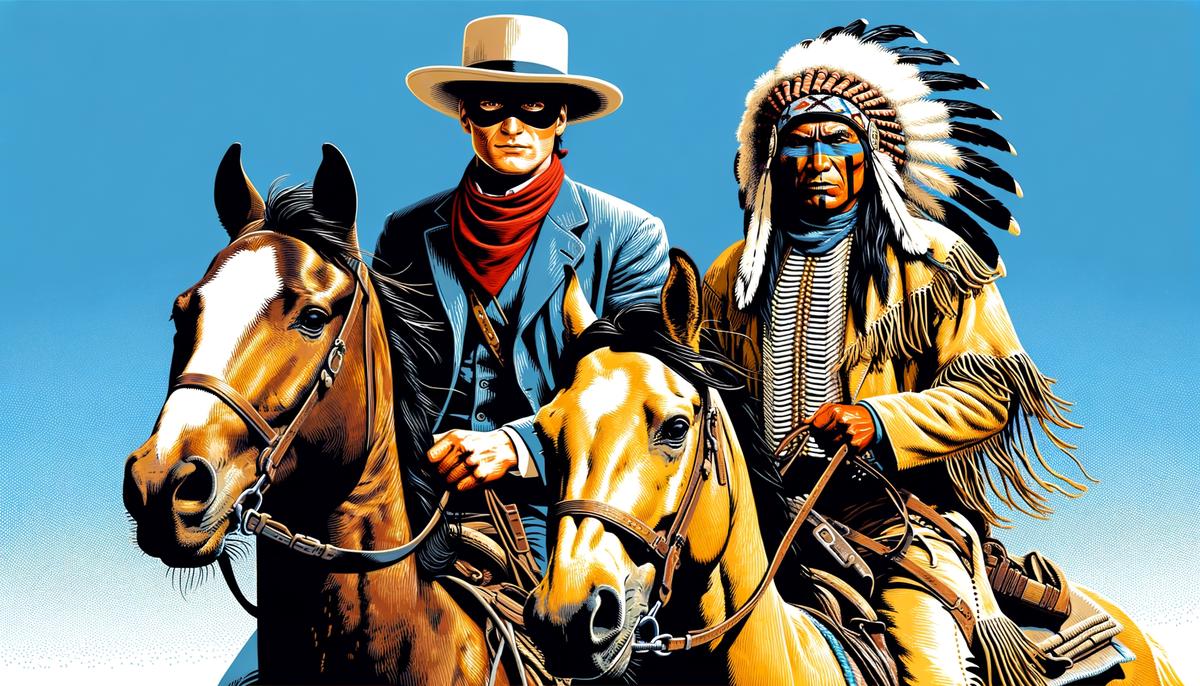
The show also played a role in promoting racial tolerance. Tonto, played by Jay Silverheels, wasn't just a sidekick – he was the Ranger's equal and friend. Their on-screen bond illustrated respect and camaraderie across racial lines, a significant message in segregated times.
As TVs became common in American homes, The Lone Ranger taught a generation that goodness was worth pursuing. While movies explored moral complexity, this cowboy offered clear-cut values and reassuring steadfastness.
Kids donned masks and played at being heroes, learning that standing up for what's right was as much a part of being a cowboy as horses and "howdy". Adults found comfort in the show's simplicity during changing times.
The Lone Ranger didn't just entertain – it helped shape the moral landscape of 1950s America, leaving a legacy that's still remembered fondly today.
Collectibles and Value
Lone Ranger collectibles are prized for their mix of cultural legacy and nostalgia. What makes these items so special to collectors? Let's take a look.
- Cultural significance: Each piece represents a slice of America's storytelling history, preserving the heroic saga of the Lone Ranger in a tangible way.
- Rarity: Plays a big role, especially for items like the silver bullet belt buckles. Owning something that few others have adds to the thrill of collecting.
- Public auctions: Really show the demand for these items. When a Lone Ranger relic goes up for bid, it's not just a sale – it's a celebration of the legend, bringing enthusiasts together.
- Personal stories: Add value too. Knowing that Clayton Moore once held that silver buckle or that a comic book provided hours of entertainment to a young fan makes these pieces more than just old stuff.
When you look at Lone Ranger memorabilia, you're not just seeing a collectible. You're connecting with a piece of Americana that's still riding tall in our cultural memory.
The Symbolism of the Silver Bullet
In The Lone Ranger, the silver bullet was more than just ammunition – it was a symbol packed with meaning. These shiny props weren't about perfect aim or scaring bad guys. They represented the Lone Ranger's promise that life was precious.
The silver bullets stood for justice with mercy. They were a reminder tucked in the hero's gunbelt that even in the Wild West, there was a better way than violence. When the Ranger took aim, he was showing that wisdom beats brute force.
Interestingly, these famous bullets weren't real silver – they were lightweight aluminum. But that didn't matter to fans. The idea of a hero choosing restraint over revenge was powerful enough.
Those silver bullets became little vessels of ideals, encouraging viewers to think about justice and the value of life. They helped turn the Lone Ranger from a simple cowboy character into a lasting symbol of doing what's right.
Even today, the Lone Ranger's silver bullets remind us that true heroes use their power wisely and always try to preserve life. It's a lesson that still rings true, whether you're wearing a mask and Stetson or not.

As we look back, the Lone Ranger's legacy reminds us that integrity and justice never go out of style. Clayton Moore's portrayal, both on and off screen, showed that being a hero is about more than cool gear – it's about standing up for what's right. In a world that could use more heroes, the Lone Ranger still inspires those who remember the lessons wrapped in silver bullets and cowboy hats.
- Striker F. The Lone Ranger. New York: Grosset & Dunlap; 1936-1955.
- Moore C. I Was That Masked Man. Lanham: Taylor Trade Publishing; 1996.
- Rothel D. Who Was That Masked Man? The Story of the Lone Ranger. San Diego: A. S. Barnes; 1981.