
Chester Gould's Artistic Style
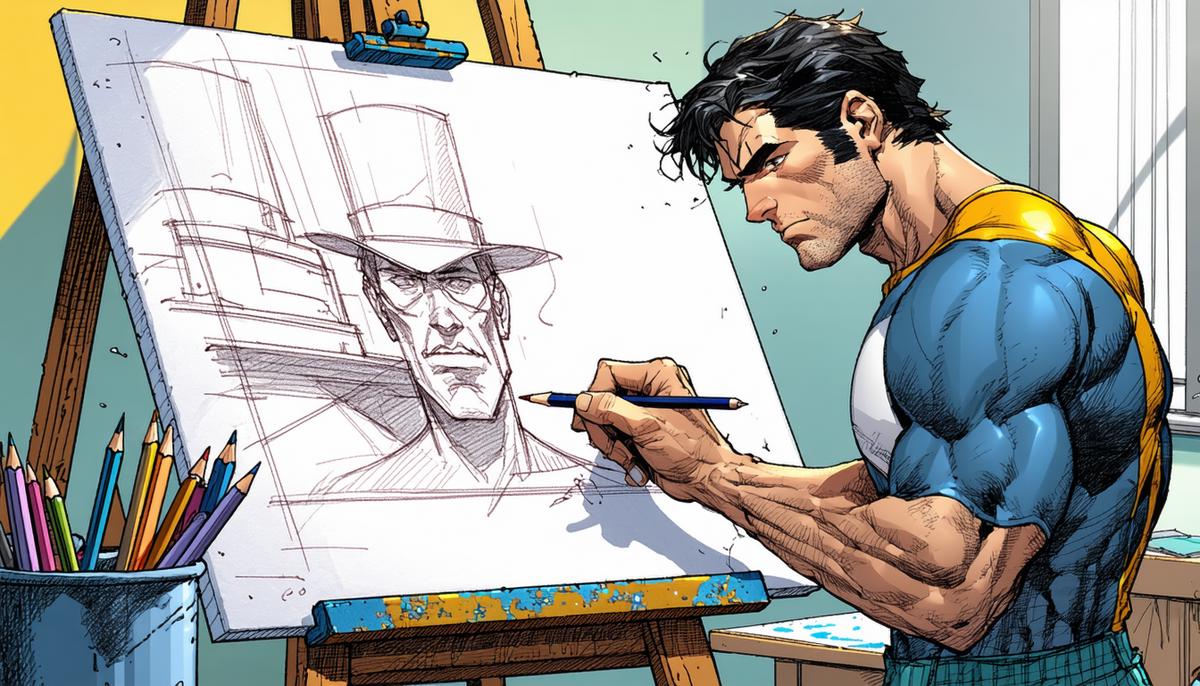
Chester Gould's Dick Tracy comics in the 1950s were a wild ride. His art style was bold, with thick lines and characters that popped off the page. Gould mixed realism with a dash of the bizarre, creating a world that was both familiar and fantastical.
Tracy himself was the picture of a tough lawman, with a chiseled jaw and eyes that told stories of street battles. But it was the villains who really stole the show. Gould didn't just draw bad guys; he created unforgettable spectacles. Each villain had a unique look that matched their criminal nature – like Flattop with his pancake head or Pruneface with his sour mug.
Gould's city felt both dangerous and oddly cozy, like your hometown with a noir twist. His art kept readers hooked, daring them to look away from the exciting chaos. In the crazy 1950s, Dick Tracy was right there, reflecting the times with its eye-catching visuals and larger-than-life characters.
Iconic Villains of the 1950s
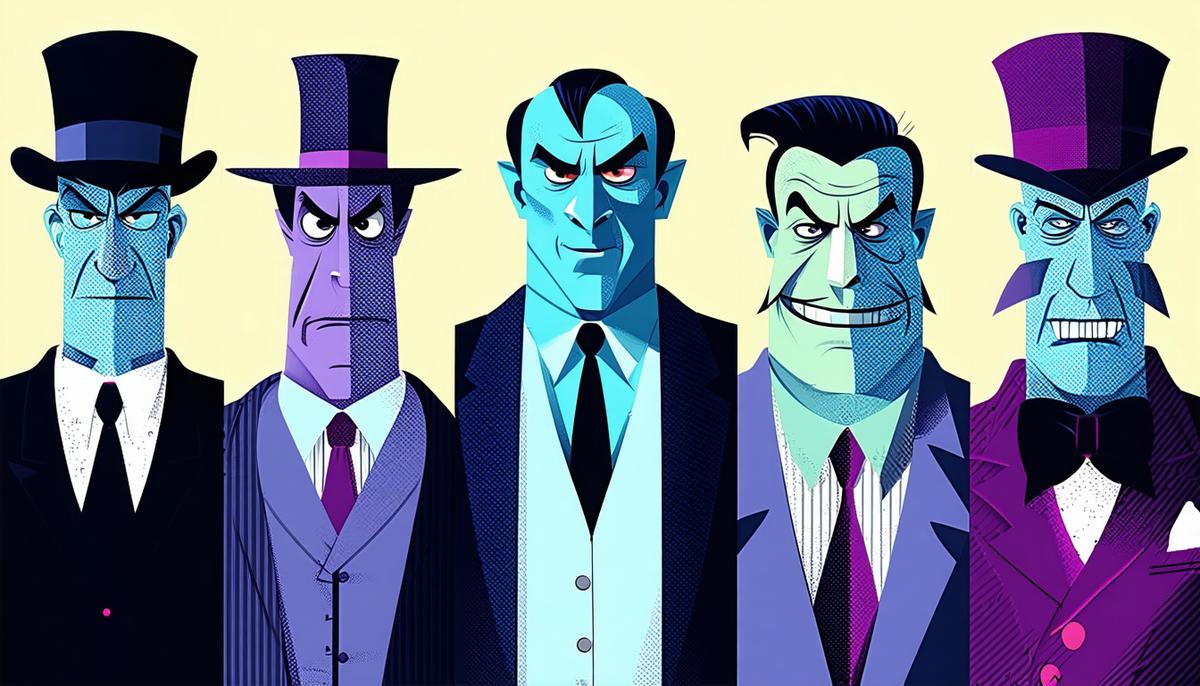
The 1950s saw Dick Tracy comics packed with some of the most memorable baddies in comic history. Chester Gould had a knack for creating villains that were hard to forget.
Take Flattop Jones, the hitman with a head like a landing strip. His unique look and icy stare made him a fan favorite. When Flattop met his end, readers were so upset that Gould had to retell the story to calm them down.
Then there was Pruneface, whose wrinkled face matched his sour disposition. He wasn't just mean; he was a symbol of the era's pulp fiction villains.
And who could forget Mumbles? His garbled speech and sneaky ways kept both Tracy and readers guessing. He brought a mix of humor and danger to the comics that was pure entertainment.
These villains weren't just obstacles for Tracy; they were a big part of what made the comics so popular. Their wild looks and backstories made them stand out, turning each issue into a thrilling game of cat and mouse.
Technological Innovations in the Strip
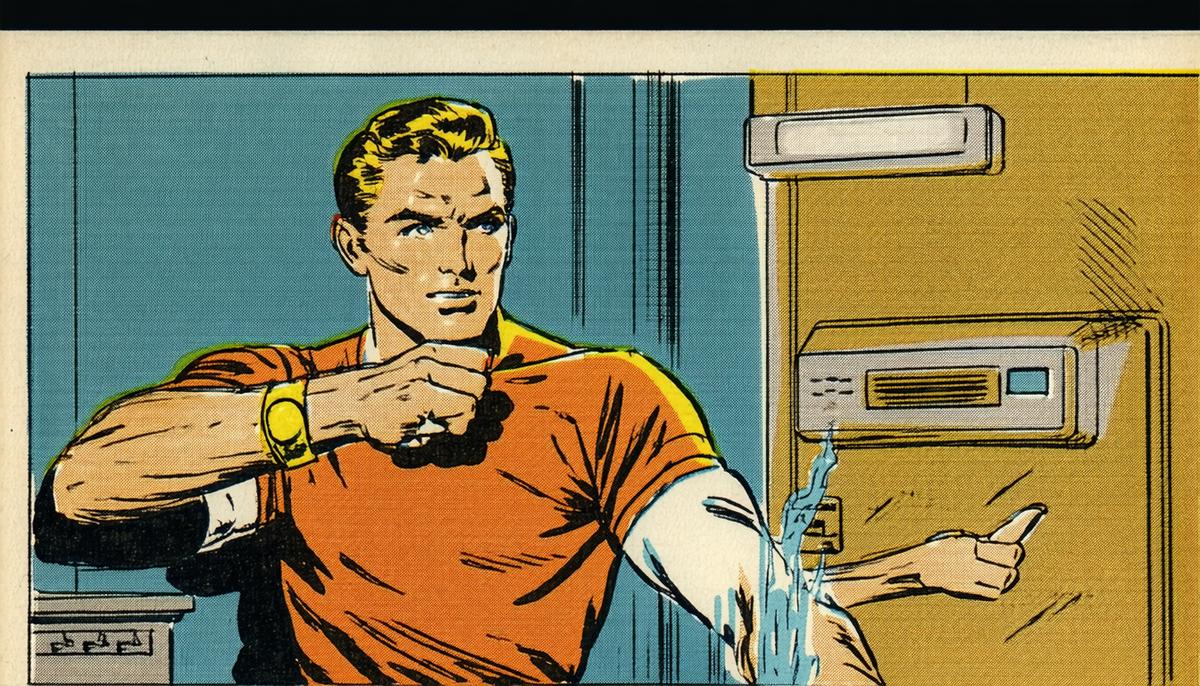
Dick Tracy's world was full of cool gadgets, but none as famous as the 2-Way Wrist Radio. Introduced in 1946, this little device was way ahead of its time. It was like having a phone on your wrist – something we take for granted now, but back then it was pure sci-fi.
The 2-Way Wrist Radio wasn't just a prop; it was Tracy's lifeline in his fight against crime. It kept readers excited, wondering what new trick Tracy would use to catch the bad guys. In 1964, Gould upped the ante with the 2-Way Wrist TV, showing video calls before they were a real thing.
These gadgets weren't just fun additions to the story. They reflected the 1950s fascination with technology and the future. Gould tapped into America's love for new inventions, making Tracy's world feel cutting-edge and exciting.
Through these innovations, Gould didn't just tell thrilling crime stories; he painted a picture of a future where technology could help make the world a safer place. It was this mix of action and innovation that kept fans coming back for more.
Narrative Themes and Storylines
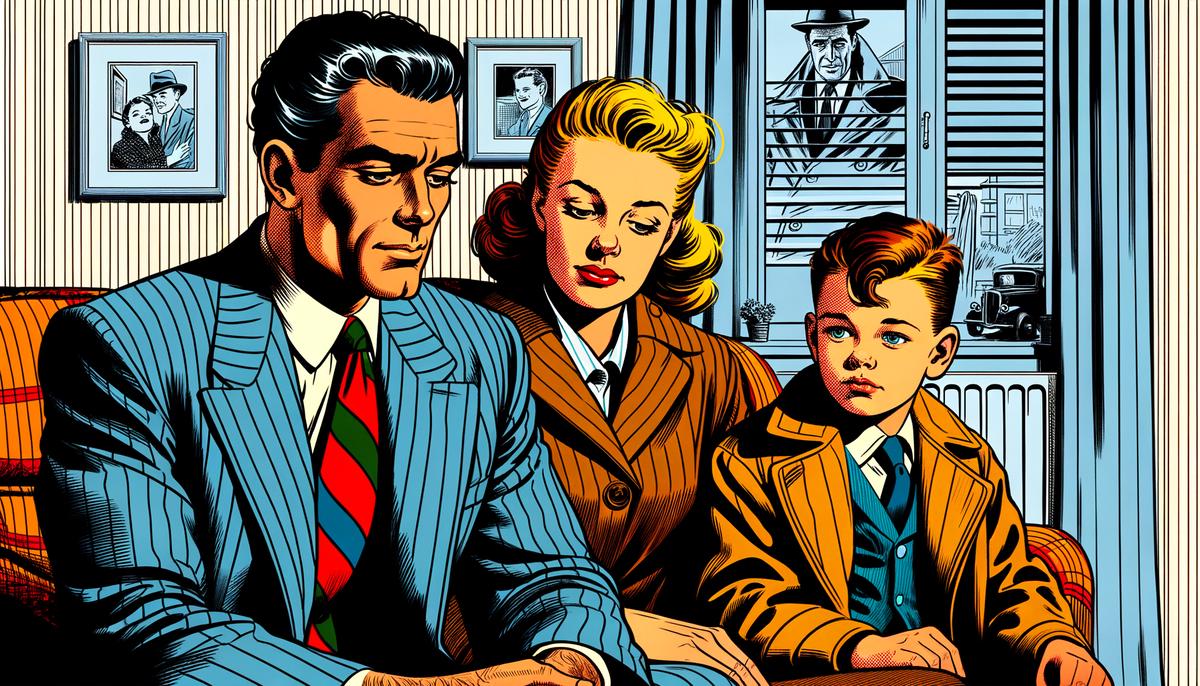
Dick Tracy comics in the 1950s were a perfect blend of crime-fighting action and personal drama. Chester Gould knew how to keep readers on the edge of their seats with stories that mixed danger, justice, and a touch of everyday life.
At its core, Dick Tracy was about the battle between good and evil. Tracy wasn't just fighting run-of-the-mill crooks; he was up against some real oddballs who loved causing trouble. The stories often felt like showdowns, with Tracy standing tall against the bad guys, no matter how tough things got.
But it wasn't all about catching criminals. Gould added depth to Tracy's character through his relationship with Tess Trueheart. Their story of love versus duty showed that even tough detectives had a softer side. And let's not forget Junior, the young sidekick who grew up under Tracy's wing. His journey from wide-eyed kid to budding officer gave young readers someone to root for.
These elements – the thrilling action, quirky villains, and glimpses of Tracy's personal life – created stories that kept folks coming back day after day. Gould's plots weren't just entertaining; they tapped into the idea that good could win out, even when things looked rough.
Cultural Impact and Legacy
Dick Tracy wasn't just a comic strip; it was a cultural phenomenon that left its mark on 1950s America. Chester Gould's creation influenced how people viewed crime and law enforcement during a time of post-war anxiety.
Tracy became the ideal cop – trustworthy and always getting his man. This image of a hero who could solve any case was comforting to readers dealing with real-world uncertainties. The stark contrast between Tracy and his grotesque villains made it easy for fans to root for the good guys.
The comic's popularity led to radio shows and movies, bringing Tracy to an even wider audience. Families would gather to listen to his adventures, making crime-fighting a shared experience. While the films might not have been blockbusters, they helped cement Tracy's iconic status.
Gould's imaginative gadgets, like the 2-Way Wrist Radio, captured the public's fascination with technology. These inventions weren't just cool props; they inspired people to think about the future of crime-fighting tools.
Dick Tracy did more than entertain; it reflected the spirit of the 1950s – a time of big dreams and big worries. The comic's mix of justice, innovation, and larger-than-life characters struck a chord that still resonates in pop culture today.
Chester Gould's work on Dick Tracy was more than just a comic strip; it was a reflection of an era where justice, innovation, and larger-than-life characters captivated readers. His art and storytelling left an indelible mark, capturing the spirit of the 1950s with every panel.
- Maeder J. Dick Tracy – The Official Biography. Plume; 1990.
- Collins MA, Masterson M. Chester Gould Speaks, Part II. In: The Complete Chester Gould's Dick Tracy Vol. 2: 1933-1935. IDW Publishing; 2006.