
Origins of Boontonware
The 1950s saw Boontonware enter American kitchens, revolutionizing dining with melamine plastic. Created by Leo Baekeland, who earlier invented Bakelite, melamine became the star material.
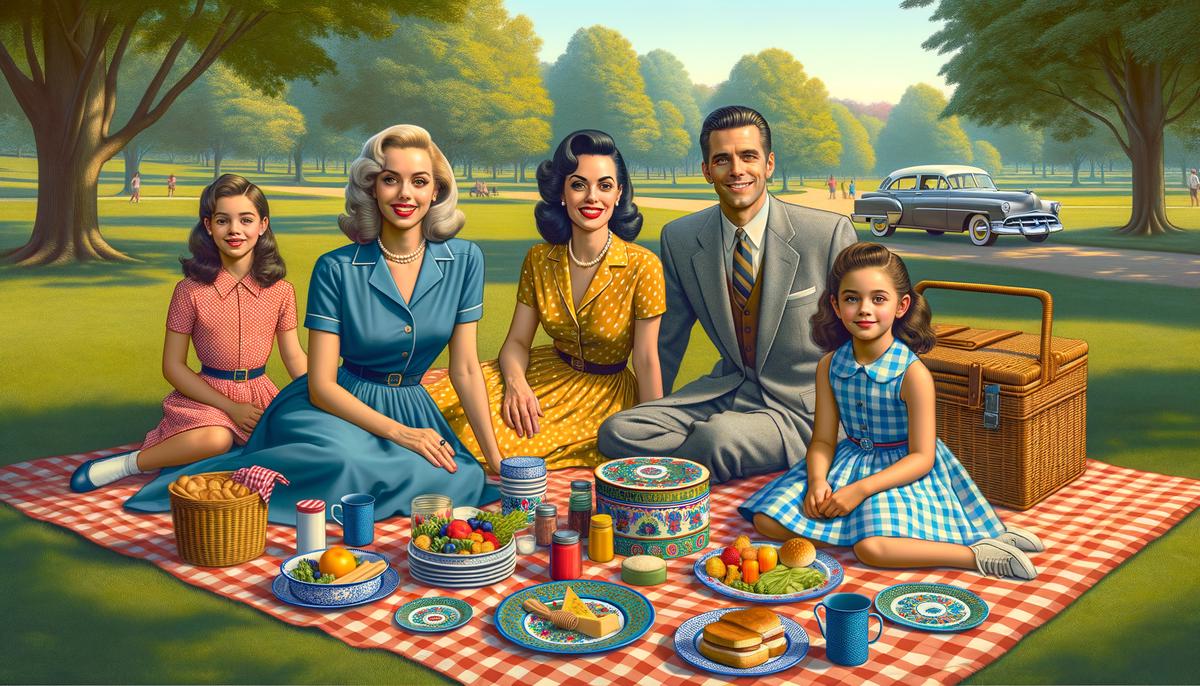
In Boonton, New Jersey, the Boonton Molding Company produced this colorful, unbreakable tableware. It quickly became essential for family meals, picnics, and summer BBQs. Tough and vibrant, from pastel pink to teal, it was the practical yet stylish choice for the post-war era.
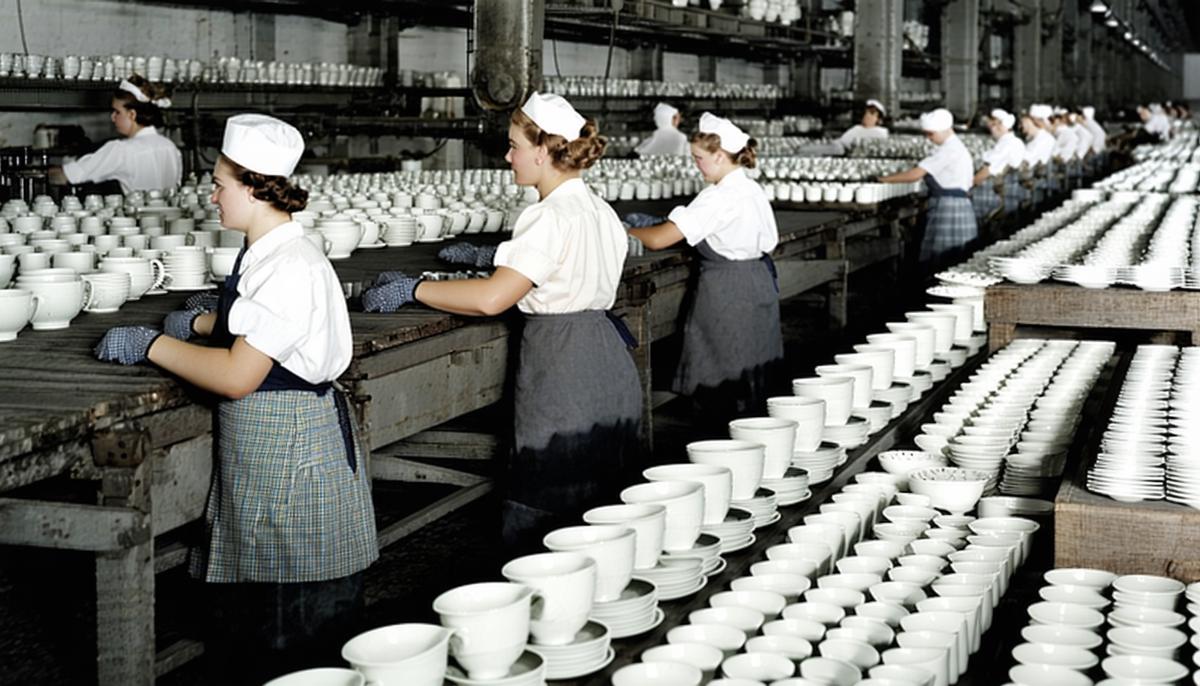
The manufacturing process was impressive. Melamine resin was shaped under extreme heat and pressure, creating tableware so resilient that families could pass it down through generations.
Boontonware mirrored the dreams of a growing nation, embracing the new, bold, and colorful future America envisioned after the war. Today, it's a piece of Americana, etched in design history and treasured by collectors and nostalgia seekers alike.
Design and Popularity
Boontonware's design was a refreshing change for kitchens. It could withstand a toddler's curious hands or a lively family gathering, making it a dependable companion at the table.
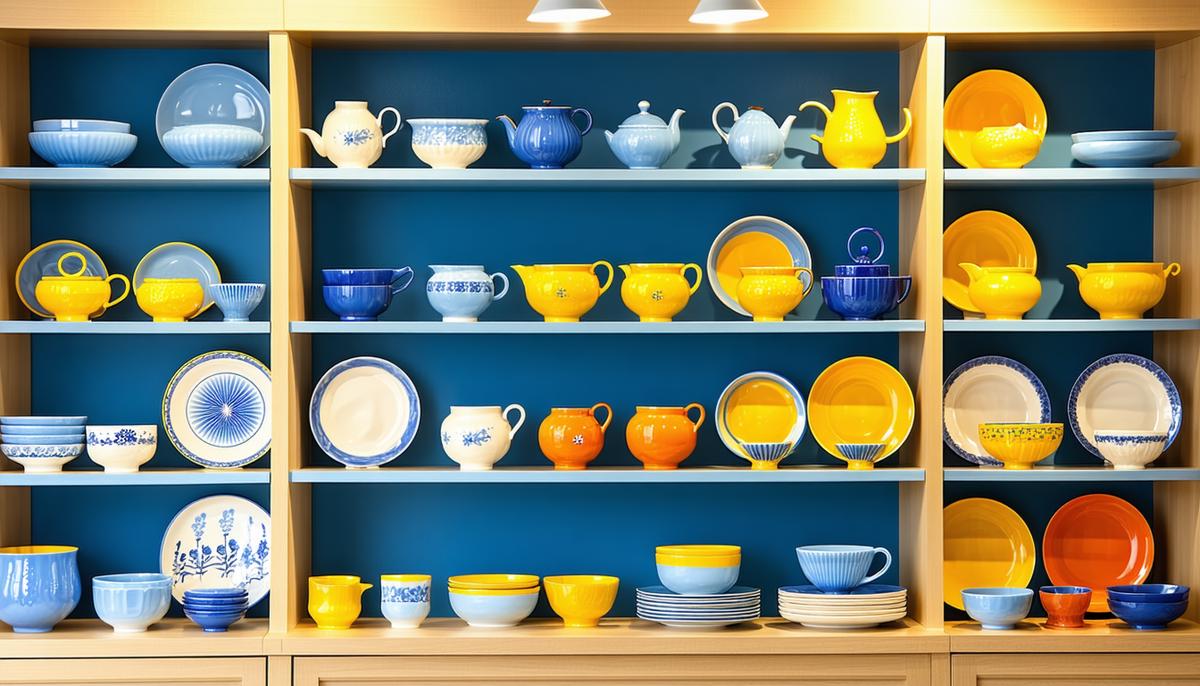
The vibrant hues truly distinguished Boontonware, offering a color palette from soothing pastels to bold tones. Each shade nodded to an era beginning to embrace individuality and expression.
Key Features of Boontonware:
- Durability: Light enough to pass around effortlessly, yet sturdy enough to handle any spill or crack.
- Stain-resistant: A blessing for families who never shied away from a hearty spaghetti night!
- Easy cleaning: A quick rinse and they were ready for the next use.
- Versatility: Suitable for formal dinners or backyard barbecues.
Beyond the kitchen, Boontonware became part of the American story—symbolizing a time when design wasn't just about looks but about feeling good too. Each piece was a practical, colorful nod to progress, showing that even simple designs can inspire vibrant lives.
Cultural Impact
In the 1950s, as America embraced progress, Boontonware emerged as more than practical plastic dishes; it became a symbol of the era's broader cultural shifts.
Convenience was key, and Boontonware fit right in. Its lightweight nature and scratch-resistant quality mirrored society's focus on efficiency without compromising style. Housewives across America said goodbye to endless scrubbing and hello to more free time.
The style was unmistakable. Boontonware's bold colors made it a fashion statement for the kitchen. Those bright turquoise, lemon yellow, and pretty pink hues found their way into homes as easily as rock 'n' roll hit the radio.
"Boontonware quietly joined the parade of progress that defined the decade. It promised—and delivered—a break from the past, hinting at an efficient and stylish future."
It became more than dinnerware; it was a token of the modern world unfolding, bringing comfort and beauty to ordinary days.
Collectibility and Legacy
Today, Boontonware has achieved celebrity status among collectors, attracting interest decades after its peak. This plastic tableware combines nostalgia, aesthetic appeal, and a longing for a simpler past.
For collectors, Boontonware offers a tangible piece of the 1950s. Its design exemplifies mid-century modern—clean lines, functional form, and those irresistible, vibrant colors that scream retro. Each piece tells a story, preserving memories of an era when families gathered around TVs with rabbit-ear antennas.
The craftsmanship adds to its appeal. Unlike other vintage items, these pieces often retain their original charm without needing gentle handling. For mid-century design enthusiasts, Boontonware offers an accessible entry into a technicolor daydream of the past.
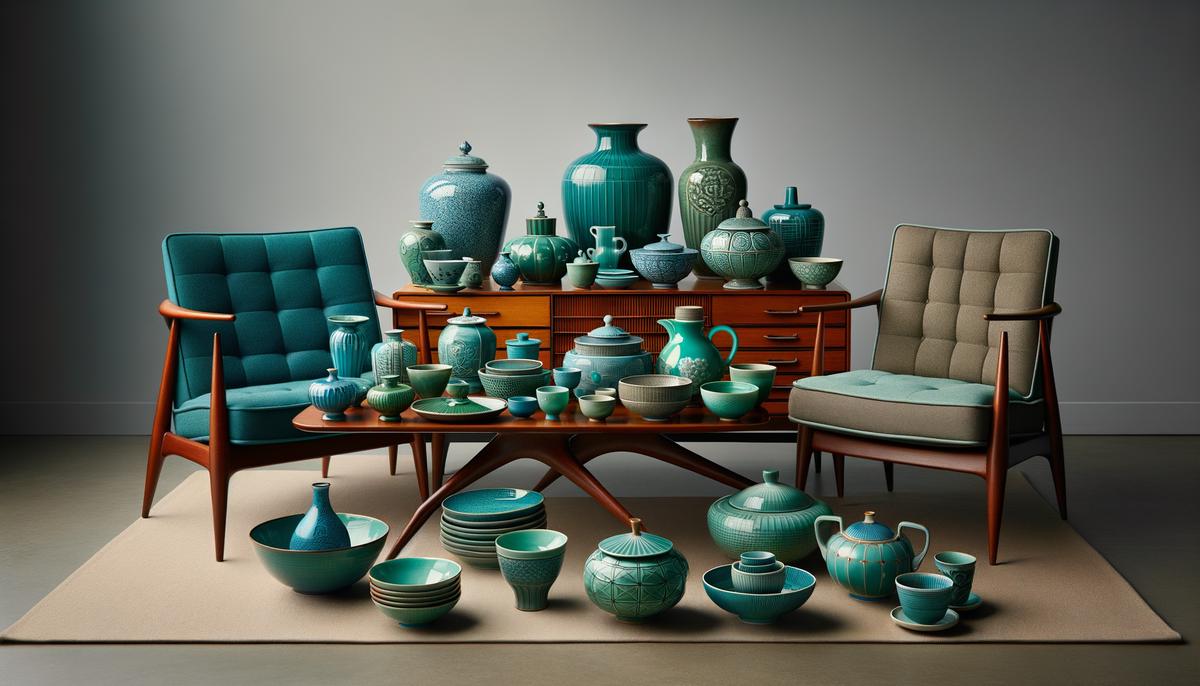
In the collector's market, vintage Boontonware's value reflects its cultural significance. Prices vary widely, often influenced by rarity, color, and condition. Deep teal or mint green sets are the most sought-after, drawing attention when they appear.
Despite our world's increasing fondness for sleek, minimalist design, Boontonware's legacy endures. These vibrant dishes still serve as a backdrop for cherished family meals, inspiring the same warmth and laughter as decades ago.
Boontonware, with its vibrant colors and enduring charm, stands as a testament to a time when American families gathered around tables filled with laughter and optimism. It reminds us of an era where even the simplest designs could bring joy and a sense of connection, making every meal a celebration of life and progress.
- Meikle JL. American Plastic: A Cultural History. New Brunswick: Rutgers; 1995.
- Kirkham P. Women Designers In the USA, 1900-2000: Diversity and Difference. New York: BGC; 2000.
- Katz S. Plastics: Common Objects, Classic Designs; with a Collector's Guide. New York: H.N. Abrams; 1984.
- Hellman M. Making Coffee at Home in America: Episodes in the Cultural History of Design. In: You YF, ed. Coffee, Tea, and Chocolate: Consuming the World. Detroit: Detroit Institute of Art; 2016.