
Ah, the 1950s—a time when Hollywood was a stage for captivating stories. Behind the silver screen, tales of romance and intrigue played out with all the drama of a blockbuster film. From whirlwind affairs to political controversies, these moments left their mark on both stars and fans alike.
1. Ingrid Bergman's Affair with Roberto Rossellini
Ingrid Bergman, the darling of the silver screen, shook up Hollywood when she fell for director Roberto Rossellini. At the time, Bergman was married to Petter Lindström, but that didn't stop love from sweeping her off her feet. Rossellini and Bergman met while shooting the 1950 film Stromboli. Sparks flew, and before long, she was expecting his child.
In an era known for its strict moral standards, this lovechild caused quite a stir. Boycotts and bans popped up, with Bergman's films shunned in protest. Hollywood couldn't believe their eyes—or ears. Bergman went from beloved actress to public pariah in no time.
The scandal reached such intensity that even the Senate got involved. Senator Edwin C. Johnson took to the floor, using Bergman as a cautionary tale and labeling her an "influence for evil." Talk about harsh!
But Hollywood loves a comeback, and Bergman's acting chops proved too strong to ignore. She returned to La La Land a few years later, scoring more Oscars—and proving you can't keep a good star down for long.
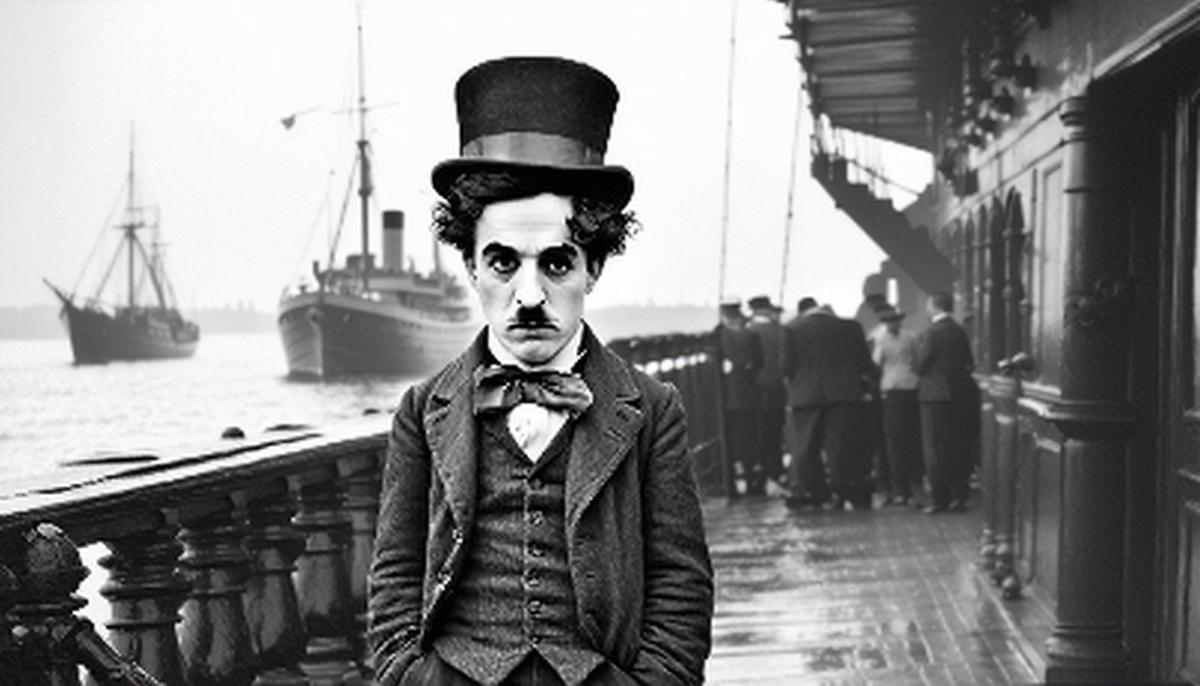
2. Charlie Chaplin's Communist Accusations
In the 1950s, Charlie Chaplin found himself in hot water. Our beloved Tramp—a silent movie icon—got caught up in the Red Scare. With his progressive views and pointed satires, he'd managed to ruffle some feathers.
The accusations flew fast: communist sympathies! Chaplin suddenly found himself skating on thin ice with Uncle Sam. He was banned from re-entering the United States—a dramatic twist worthy of a silent film climax.
Imagine it: one day, you're worried about mustache grease, and the next, you're caught in an international tangle of politics. Chaplin was locked out of Hollywood and detached from the life he had built.
For nearly two decades, Chaplin weathered the storm in exile in Switzerland. But like the silver screen tricks he mastered, he eventually found a way to turn the tide.
His return visit to the U.S. in the 1970s was met with applause, not jeers. Chaplin was celebrated for his contributions to cinema. Just like that, the country had moved on, and our dear Tramp had the last laugh.
3. Elizabeth Taylor's Love Triangle
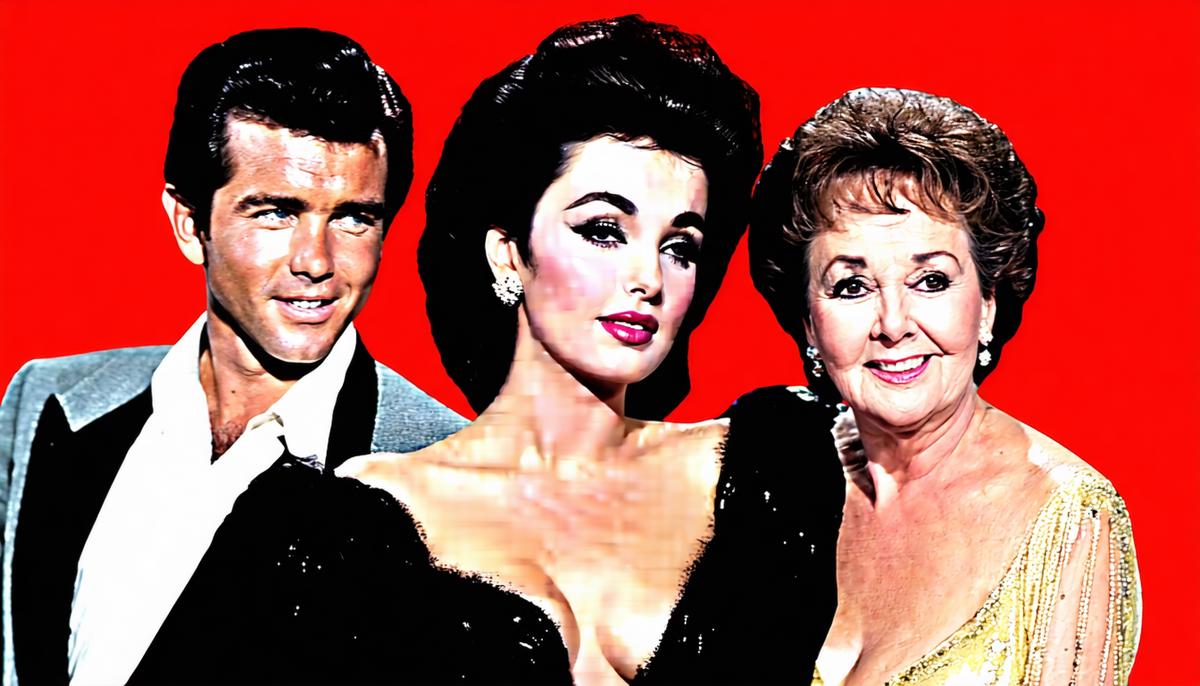
Elizabeth Taylor's personal life was as compelling as her onscreen presence. One chapter reads like a soap opera, starring singer Eddie Fisher and his then-wife, Debbie Reynolds.
It's the 1950s, and Taylor is fresh from losing her husband, producer Mike Todd, in a plane crash. Enter Eddie Fisher, a close family friend married to America's sweetheart Debbie Reynolds. Their friendship seemed solid until it wasn't.
As grief faded, scandal took center stage. Taylor and Fisher found comfort in each other's company. Rumors buzzed, and the media sunk their teeth into this love triangle. Taylor was painted as a home-wrecker, draped in designer gowns and diamonds.
Fisher fell for Taylor, leaving Reynolds and the kids behind. The tabloids had a field day, plastering the story across every newsstand. Public attention was intense, to say the least.
"The extravagant expeditions of this colored prince and his 'friend' have become an insult to decent-minded women the world over."
But what's a Hollywood drama without a Hollywood ending? The affair fizzled, and Taylor eventually moved on. Years later, Taylor's remorse led to a reconciliation with Reynolds, proving even Hollywood's stormiest dramas could find a happy ending.
Taylor continued to navigate romance with the same flair she applied to her roles—showing that even amidst scandals, she was nothing less than a Hollywood siren.
In reflecting on these iconic tales from Hollywood's golden era, it's clear that even amidst scandal, stars found ways to bounce back. Whether facing public scrutiny or personal trials, each found their way back into the spotlight—proving that in Tinseltown, comebacks are always possible.
- Niven D. Bring on the Empty Horses. New York: Putnam; 1975.
- The New Yorker. Profile of Tallulah Bankhead. The New Yorker. 1948.