
The 1950s were a time when toys sparked imagination without batteries or screens. These cherished items thrived on the boundless energy of a child's mind, offering simple yet delightful fun.
1. Mr. Potato Head
Mr. Potato Head started as a set of plastic parts that kids would poke into real potatoes. Can you imagine a toy that encouraged playing with food? When safety concerns arose, Hasbro introduced a plastic body. The entire Potato Head family became a staple in American households, even making it to the big screen in animated films.
Mr. Potato Head was more than just a toy; he invited kids to unleash their creativity with mismatched features and wild combinations. Whether you had just Mr. Potato Head or his array of relatives and accessories, he was a gateway to a world of imagination—and a whole lot of silliness.

2. Silly Putty
Silly Putty, originally conceived as a rubber substitute during WWII, became a toy sensation in the 1950s. This stretchy blob could bounce, snap apart, and even lift newsprint from comics and newspapers. Kids marveled at pressing it onto the Sunday funnies and pulling away with a comic strip clinging to its surface.
Pocket-sized and versatile, Silly Putty could be an impromptu bouncy ball or a fun stress reliever. Its simplicity offered endless possibilities, illustrating how sometimes the best toys need nothing more than imagination and a sense of fun.
3. Magic 8-Ball
The Magic 8-Ball, a fortune-teller in the form of a black orb, was every curious kid's companion. This mystical sphere delivered answers to life's pressing questions with a simple shake. Its 20-sided die floated in liquid, offering cryptic messages like "Yes," "No," or "Ask again later."
While it promised to glimpse the future, its true magic lay in fueling hours of imaginative speculation. Perfect for sleepovers or quiet contemplation, the Magic 8-Ball offered guidance, reassurance, and giggles. Its witty responses and simple operation remain unchanged, serving as a nostalgic reminder of simpler times.

4. View-Master
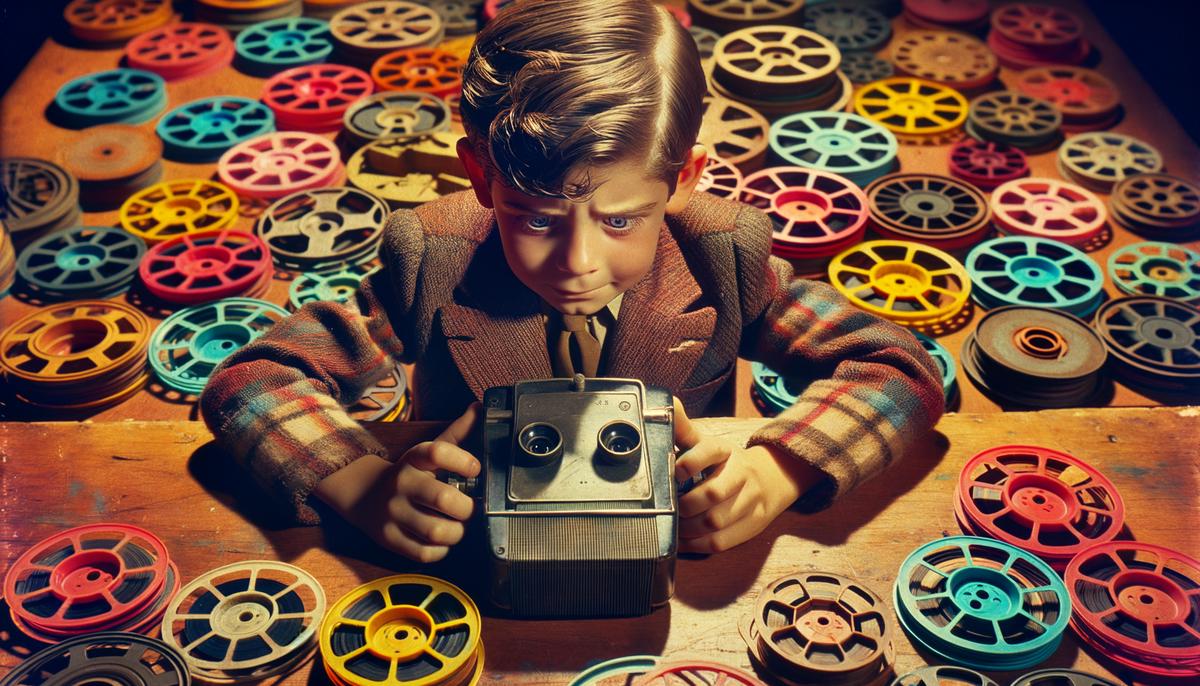
The View-Master transformed lazy afternoons into journeys to far-off lands. Insert a reel, peer through the eyepiece, and you were instantly transported to exotic locales through vivid 3D images. Each click was a passport to adventure, whether exploring the pyramids of Egypt or walking through Paris.
The reels came in various themes, from natural wonders to popular cartoons. For those who spun endless reels, the View-Master wasn't just a toy; it was a window to wonder, opening wide the imaginative horizons of anyone daring to peek through.
5. Hula Hoop
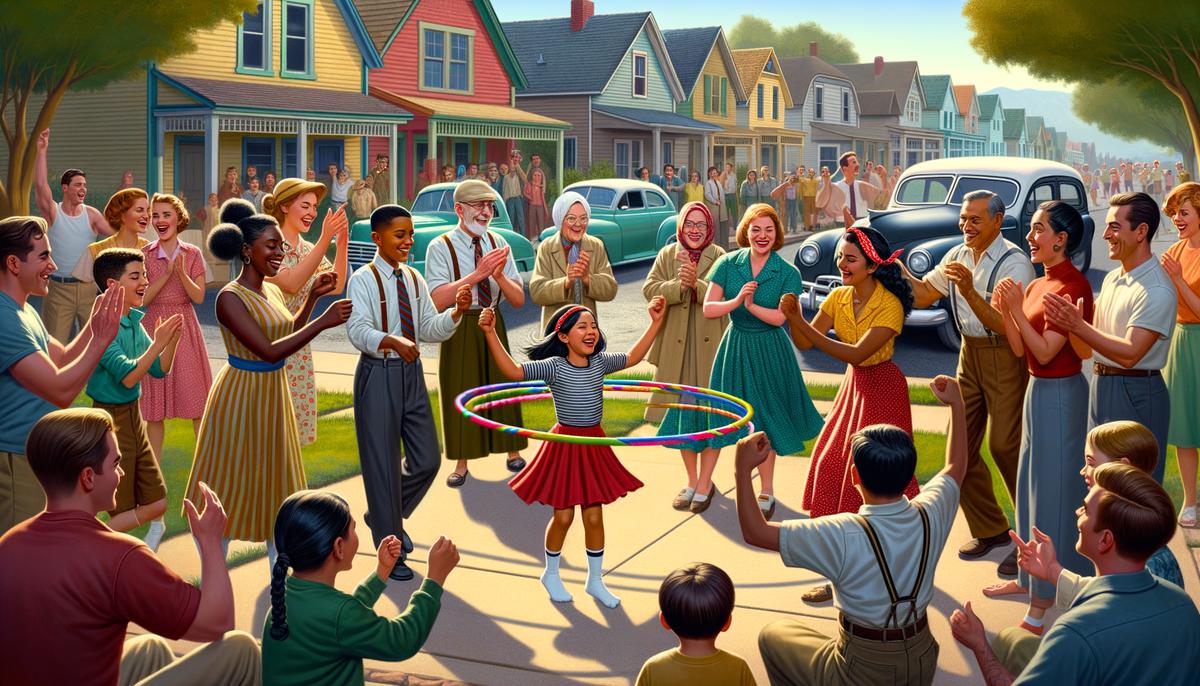
The Hula Hoop, launched in the late 1950s, became a sensation that wrapped itself around the world. This simple plastic ring turned into the ultimate playground challenge and living room pastime. The concept was brilliantly simple: keep the hoop spinning around your waist through hip motion.
It tapped into a universal desire for fun and fitness, enticing people of all ages to give it a whirl. Schools held contests, and neighborhood block parties featured hoop-offs. The Hula Hoop wasn't just about spinning; it evolved into a showcase of agility and creativity, with hoop-dancing and gymnastic routines capturing imaginations.
6. Erector Sets
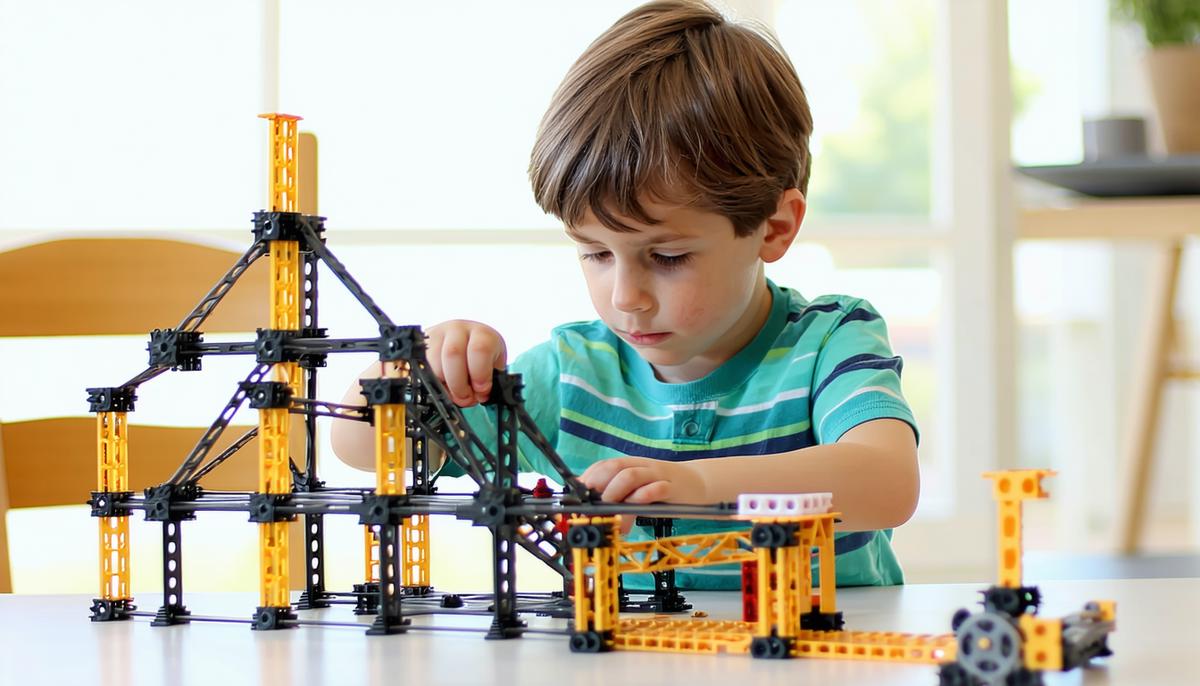
Erector Sets were the ultimate hands-on experience for young tinkerers and budding engineers. These kits of perforated metal beams, nuts, and bolts turned dining room tables into DIY workshops. Each set invited kids to construct everything from simple bridges to intricate machines with moving parts.
Erector Sets weren't just about the finished product; they taught valuable lessons in perseverance and creativity. With each rebuild came new insights and better designs, cultivating a mindset that many future inventors and architects would carry into their careers.
7. Colorforms
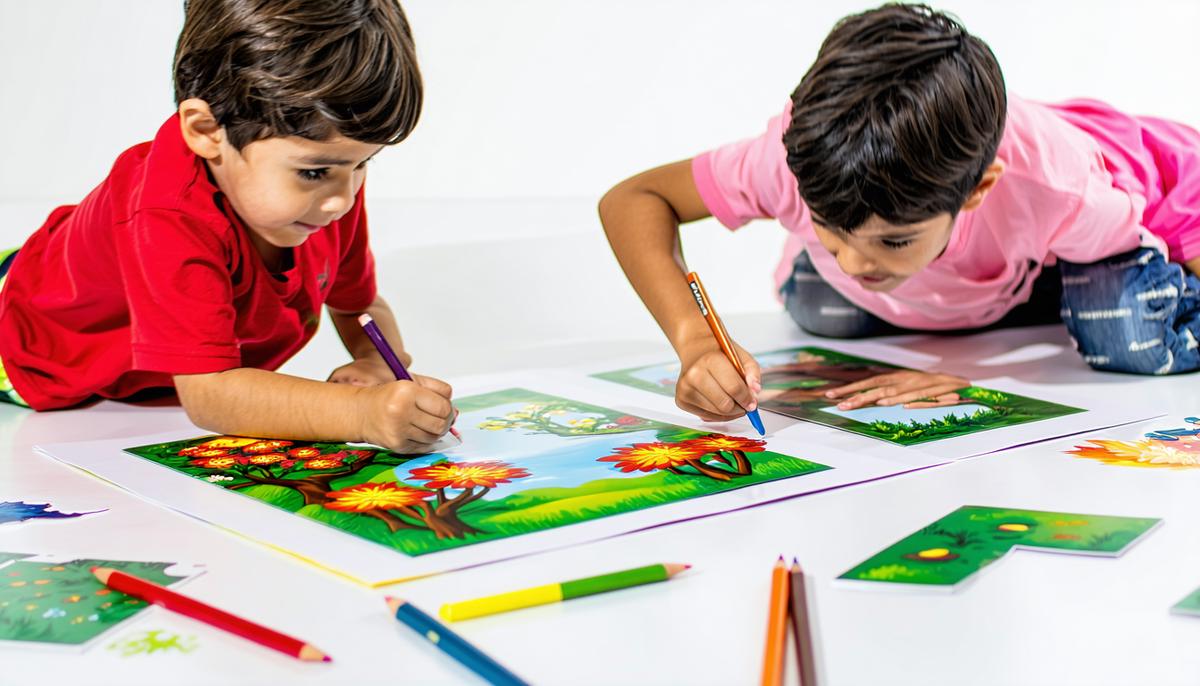
Colorforms offered a tactile and reusable way to create art without the mess of paints or markers. The set came with vibrantly colored geometric shapes and characters that stuck effortlessly to a glossy background board. These vinyl pieces invited young artists to mix and match endless scenes, characters, and stories.
From abstract compositions to themed sets, Colorforms provided a canvas as limitless as one's dreams. They encouraged exploration beyond boundaries, nurturing both problem-solving skills and artistic expression.
8. Barbie
Introduced in 1959, Barbie quickly became a fashion icon and emblem of imagination. With her glamorous wardrobe and countless careers, she ignited the dreams of children everywhere. Barbie could be anything—a doctor, an astronaut, or a rock star! Her world was limitless, just like the imagination she inspired.
Barbie wasn't just about glitz; she sparked discussions about beauty, diversity, and gender roles. Despite occasional controversies, Barbie proved adaptable to changing times, introducing dolls that celebrated different ethnicities, careers, and body types. She remains a cherished childhood companion and a symbol of the limitless potential of play.
These iconic toys remind us that sometimes, the most enduring joys come from life's simplest pleasures. They hark back to an era when imagination reigned supreme, and a child's creativity was the most powerful battery of all.
- Weston J. The Golden Age of Toys. Vintage Press; 1998.
- Smith A. Play in the 1950s: A Cultural History. Childhood Studies Quarterly. 2005;30(2):45-62.
- Johnson R. From Erector Sets to Barbie: Gender and Toys in Post-War America. American Cultural Review. 2010;15(4):78-95.