
The Birth of 3D Cinema
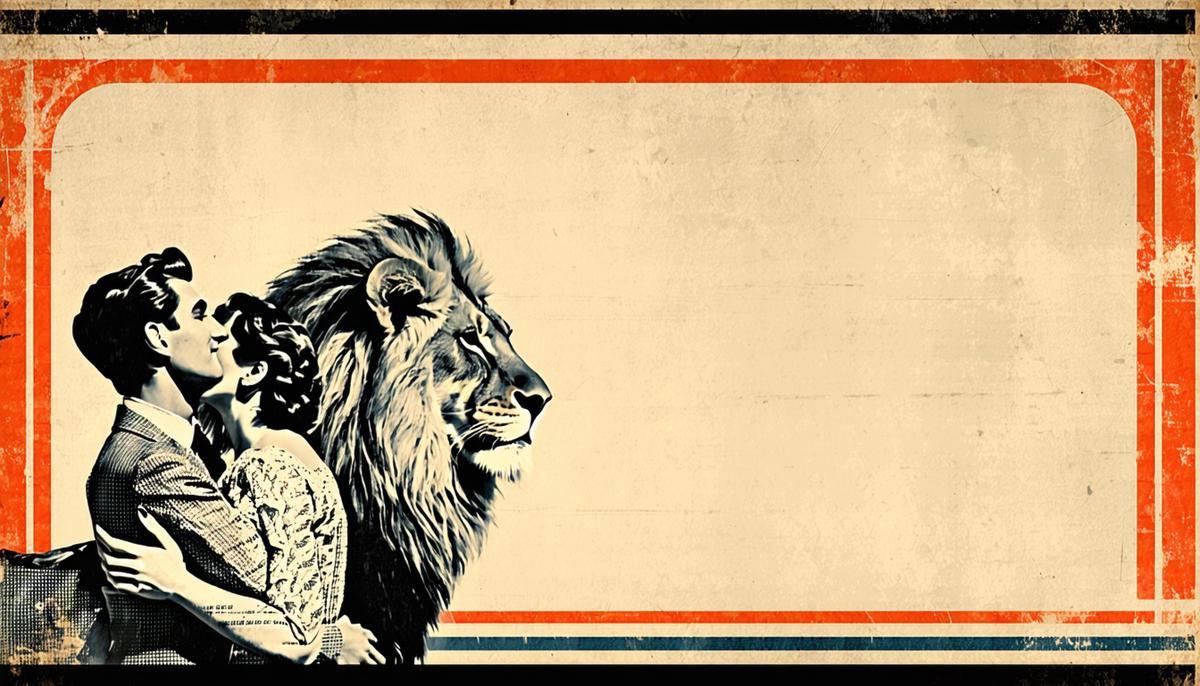
On November 26, 1952, Hollywood's Paramount Theater hosted the premiere of "Bwana Devil," the first feature-length 3D movie. Folks strutted around in Polaroid glasses, ready for a new cinematic experience. The film, directed by Arch Oboler, promised "A LION in your lap! A LOVER in your arms!" using the "Natural Vision" technique with two projectors.
Oboler, no stranger to shaking things up, added spectacle to an African safari story based on true tales of man-eating lions. The promo posters boasted it as "The Miracle of The Age!" Critics weren't impressed, but audiences flocked to theaters, hungry for this new wonder.
The movie cost more to run—double the prints meant double the fuss in the projection room. But in a world where TV was gaining popularity, 3D magic was just what cinema needed for a comeback. Oboler's film may not have been a masterpiece, but it laid the groundwork for future 3D flicks.
Audience Experience at the Premiere
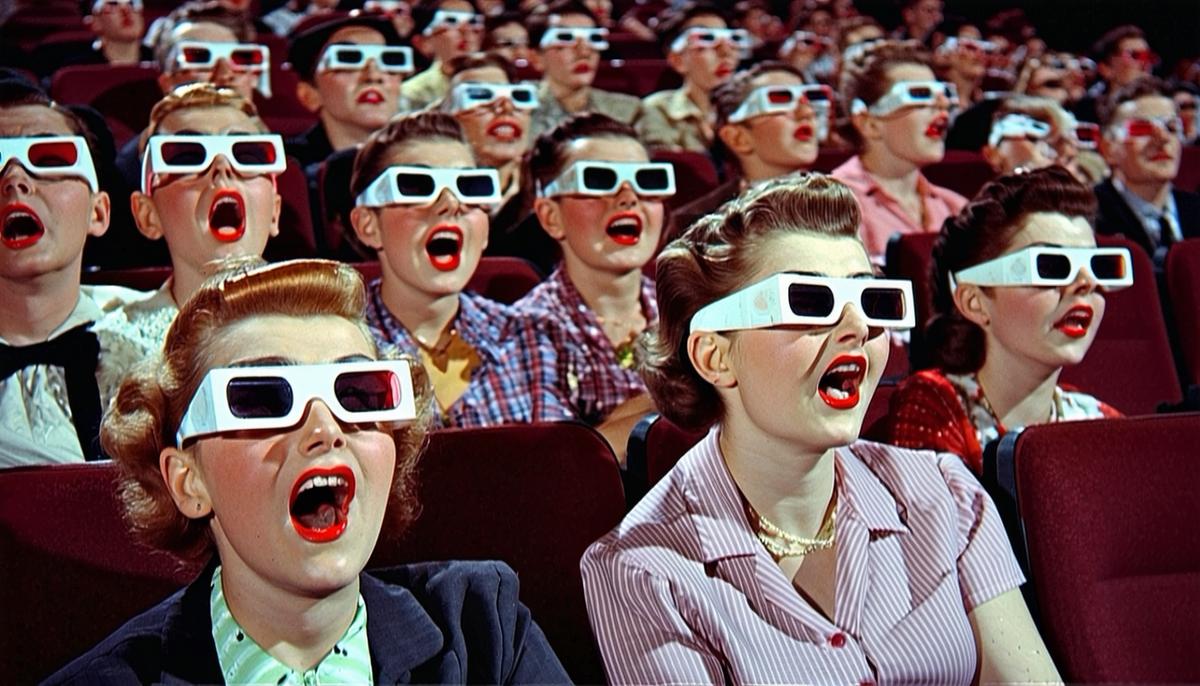
The Paramount Theater crowd was a mix of wide-eyed kids, nostalgic parents, and cinema buffs. LIFE magazine's J. R. Eyerman captured the iconic image of the audience in their Polaroid glasses, looking like visitors from the future.
Those glasses weren't exactly comfortable—imagine clamping a pair of blinds onto your face. But the promise of lions and lovers jumping off the screen made the discomfort worthwhile. Kids giggled nervously, gripping their seats as lions seemed to charge through the screen. Adults exchanged knowing smiles at the outrageous yet delightful experience.
"These megalopic creatures are the first paying audience for the latest cinematic novelty, Natural Vision… It was generally agreed that the audience itself looked more startling than anything on the screen."
Whether you left fascinated or frustrated, you had a story to tell. That night at the Paramount was more than just a novelty; it was a glimpse into cinema's thrilling future.
Impact on Hollywood
The 3D debut shook Hollywood like a glitter storm. Producers rushed to make 3D features across genres, from westerns like "Arena" to horror flicks like Vincent Price's "House of Wax." It was Hollywood's answer to TV's growing appeal, aiming to lure folks back to theaters.
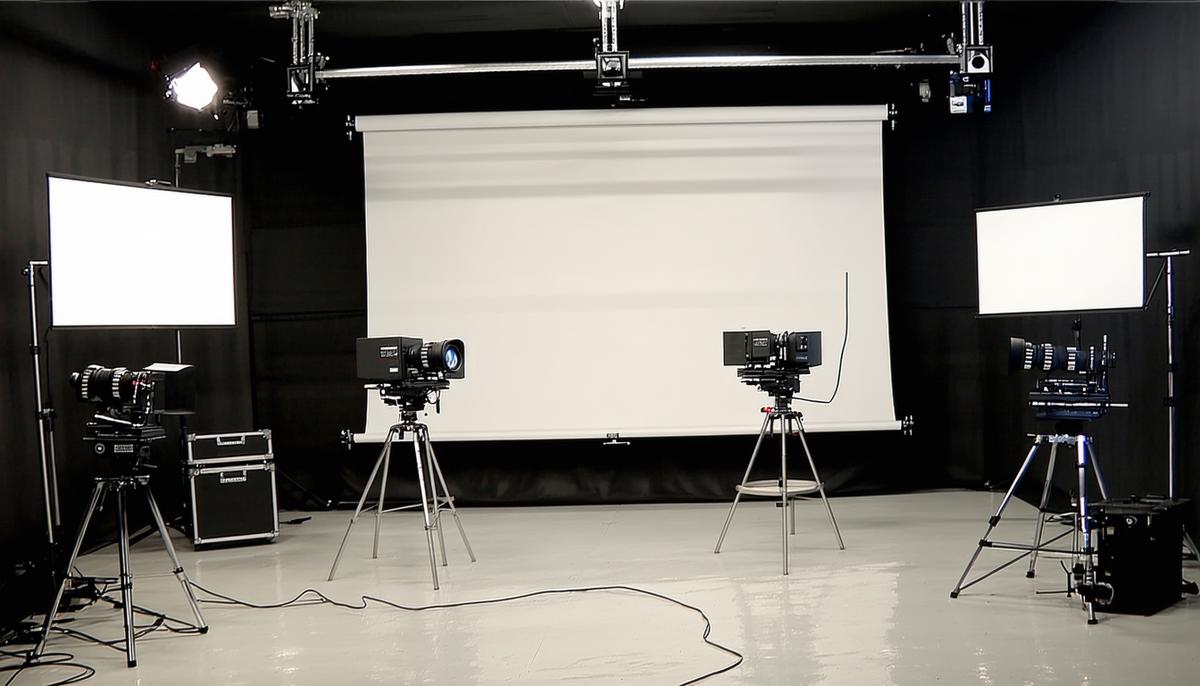
Running 3D wasn't easy, though. Projectionists had to juggle two film reels, hoping they'd stay in sync. One slip-up could turn the movie experience into a visual mess.
Despite the challenges, the industry saw potential in this groundbreaker. However, by 1955, the novelty began to fade. TV's appeal continued to grow, and with high operating costs, 3D took a back seat. It would be decades before technology advances in the '80s revived the 3D experience.
This first 3D boom, while short-lived, left its mark on Hollywood. It showed the industry's knack for the dramatic and daring, even if the execution wasn't always perfect. The spirit of innovation lived on, ready to leap off screens again in the future.
As the curtain falls on the story of 3D cinema's early days, one thing stands out: it was a time when Hollywood dared to dream in three dimensions. Arch Oboler's bold leap into this new frontier may not have been perfect, but it sparked a fire that would blaze through cinema history. While those first attempts might have been more spectacle than substance, they paved the way for future innovations. And though the initial craze faded, its legacy remains—a testament to an era unafraid to push boundaries and capture imaginations.
- Eyerman JR. LIFE magazine. December 15, 1952.
- Oboler A. Bwana Devil [film]. United Artists; 1952.
- Gunzburg M, Gunzburg J. Natural Vision 3-D system. Patent filed 1951.
- Patterson JH. The Man-eaters of Tsavo. London: Macmillan; 1907.