
Pinball's Cultural Emergence
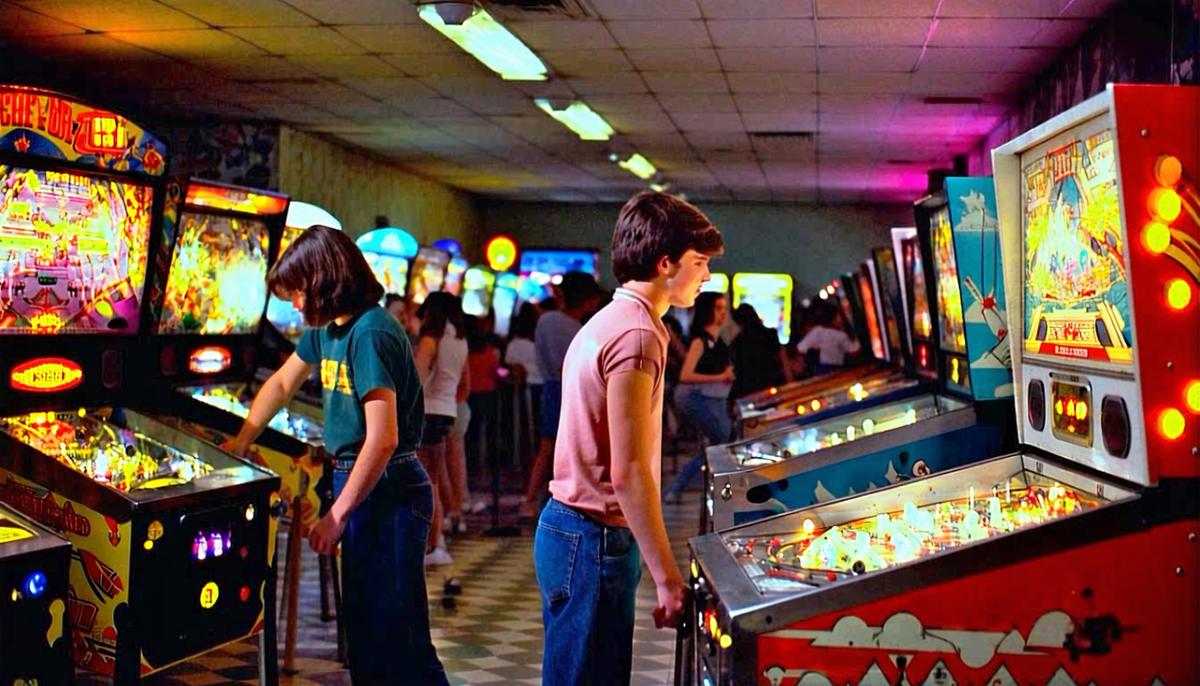
Poodle skirts, jukeboxes, and checkered floors set the scene for pinball's rise in the 1950s. These machines became a symbol of teenage freedom, lighting up arcades with their clinks and clacks. It wasn't just a game – it was a ticket to excitement for America's youth.
Pinball hit its stride in the '50s, a time of change and optimism. Flashing lights and ringing bells offered an escape from textbooks and curfews. Stepping into an arcade was like entering a wonderland where time ticked away one flip at a time.
These silver spheres packed more drama than you'd expect. Each game was a mini rebellion against growing up. Pinball machines were icons of the age, drawing crowds of teens showing off their skills. While parents chatted over dinner, kids dreamed up strategies, chasing high scores with the fervor of Hollywood stars.
Arcades were where the magic happened – full of shouting teens and that one kid who never missed a flip. Even when the ball dropped out of reach, it just set the stage for the next round of fun.
"Pinball machines: a byword for the life of leisure, an aimless distraction for teenagers and slackers everywhere – and, along with darts and pool, the best way to sharpen reflexes while smoking and/or drinking."
Key Machine Designs of the Era
The pinball machines of the '50s weren't just games – they were works of art. Each one told a story with its flashing lights and spinning metal. Companies like Gottlieb led the way, crafting machines that were as fun to look at as they were to play.
- Mystic Marvel: A game that mixed magic with cards and targets. The chance to double your replays with two quarters was too good to pass up. Hit the right sequence, and the target would light up like a Christmas tree.
- Ace High: A crowd-pleaser with its bulls-eye and special rewards. Getting those face cards felt like conducting a symphony of flips and bounces.
- Marble Queen: Designed by Roy Parker, it featured '50s glamour and light-up marbles. Getting the ball into that center hole felt like winning the lottery.
- Super Jumbo: Brought the circus to town with elephants and spinning targets. A colorful spectacle that tested your reflexes and luck.
These machines weren't just games – they were gateways to adventure. Gottlieb and other pinball wizards created more than just entertainment. They built memories that would last a lifetime, turning silver balls and flashing lights into pure magic.
As we look back, it's clear that pinball was more than just a game. It captured the spirit of the '50s, full of youthful energy and big dreams. In those flashing lights and ringing bells, we can still hear the echoes of a time when anything seemed possible.
- Redgrave M. Improved bagatelle. US Patent. 1871.
- Maloney R. Ballyhoo pinball machine. Bally Pinball Company. 1931.
- Hercules Novelty Company. Double Shuffle pinball machine. 1932.
- Gottlieb D. Mystic Marvel pinball machine. 1954.
- Gottlieb D. Ace High pinball machine. 1957.
- Parker R. Marble Queen pinball machine. Gottlieb. 1950s.
- Gottlieb D. Super Jumbo pinball machine. 1950s.