
The Birth of the Icons
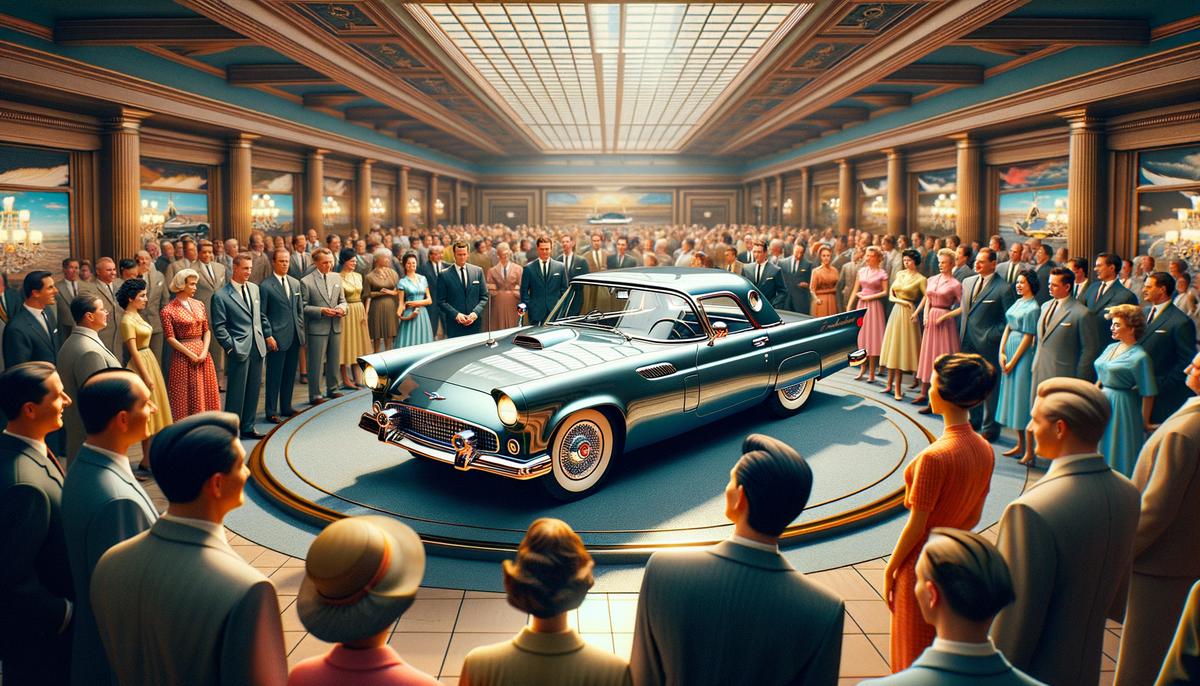
In the 1950s, two automotive giants roared onto the scene: the Ford Thunderbird and the Chevrolet Corvette. Ford's Thunderbird, debuting in 1955, was a revolution in style and flair. It wasn't just transportation, it was a statement. People wanted to be seen in a T-Bird, like a movie star on a red carpet.
Meanwhile, Chevrolet introduced the Corvette in 1953. Initially struggling with a six-cylinder engine, it found its groove when equipped with a V-8, ready to race and compete with the best.
Both Ford and Chevrolet were navigating the post-World War II automotive landscape. Ford aimed for a personal luxury vehicle, balancing power and comfort. Chevrolet went bold with the Corvette, crafting a true American sports car to match European roadsters.
Their rivalry played out not just on asphalt but in the hearts of car lovers everywhere. Whether you were a T-Bird fan or a Corvette loyalist, you were part of an iconic era of American history.
Design and Performance
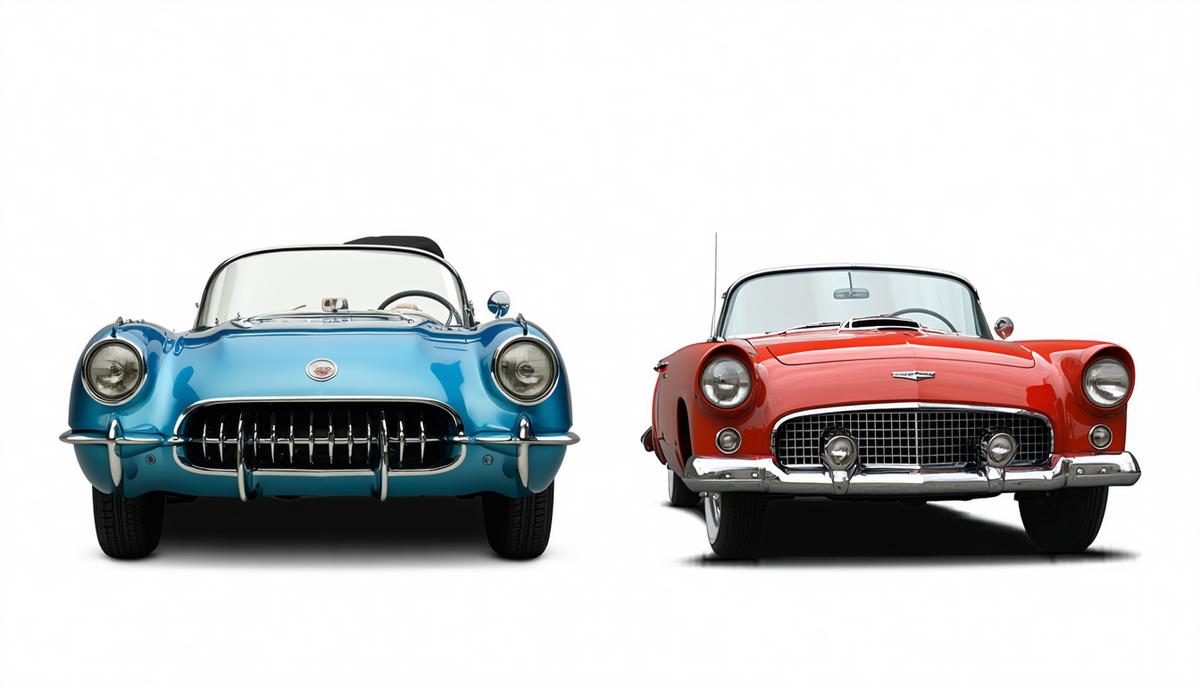
The Ford Thunderbird and Chevrolet Corvette pushed design boundaries, each trying to outshine the other. The Thunderbird featured low, sleek lines and was the first American car with a removable hard top. It packed a punch with its V8 engine, marrying muscle with manners.
The Corvette embraced European sportiness with an American twist. Its fiberglass body made it lighter and quicker than many steel-bodied rivals. Initially equipped with an inline-six, it later received its legendary small-block V8, known for power and dependability.
What made both cars cornerstones of automotive lore was their ability to fuse performance with personality. These weren't just modes of transport; they were about how you felt on the journey. Would you choose the T-Bird's refined elegance or the Corvette's roaring bravado?
These innovations defined an era where American cars began to find their flair and confidence. They weren't just cars; they were characters, each with a unique story that resonated with the spirit and aspirations of a generation looking for something more.
Market Rivalry and Evolution
As the competition between Ford and Chevrolet intensified, the battle lines drawn in the early '50s began to deepen. Ford learned that the Thunderbird's appeal lay in its blend of sporty glamour and everyday usability. By 1958, they transformed it into a four-seater luxury car, aiming to attract families who wanted style while hauling the kids around.
Chevrolet, on the other hand, doubled down on the Corvette's sports car roots, enhancing performance and focusing on speed and agility. The Corvette's identity was cemented as the car for those whose weekend plans involved winding roads and racing stripes.
As the decades rolled on, each automaker continued to make strategic moves:
- Ford regularly updated the Thunderbird to keep up with evolving tastes, ensuring it stayed plush and appealing.
- Chevy kept tweaking the Corvette, turning the roar of its V8 engine into a siren song for speed enthusiasts.
Despite their divergent paths, both cars lived in the imaginations of drivers as symbols of freedom and possibility. Every adaptation was a response not only to consumer desires but also to the subtle chess game that Ford and Chevrolet played against each other in the arena of American commerce.
Legacy and Collectibility
Today, the Ford Thunderbird and Chevrolet Corvette are icons that celebrate the essence of a golden era. They're symbols of a time that reveled in innovation, style, and optimism. Their influence on car culture is like a fine wine that gets better with age, reminding us of a time when Detroit was the epicenter of automotive excellence.
These vehicles evoke a sense of nostalgia, reminding us of:
- Road trips down sun-drenched highways
- Jukeboxes playing the latest hits
- Soda fountains serving up ice-cold refreshments
They were integral to the lifestyle and imagery of the 1950s and beyond, embodying the spirit of adventure and the joy of the open road.
For collectors, owning one is like owning a piece of history. The Corvette continues to draw enthusiasts who appreciate its evolution and enduring performance legacy. The Thunderbird charms with its transformation over the years, reflecting the changing desires of the automobile market.
In a world driven by technology and efficiency, these classics remind us that there will always be room in our hearts—and our garages—for the timeless icons that have shaped our roads and our dreams.
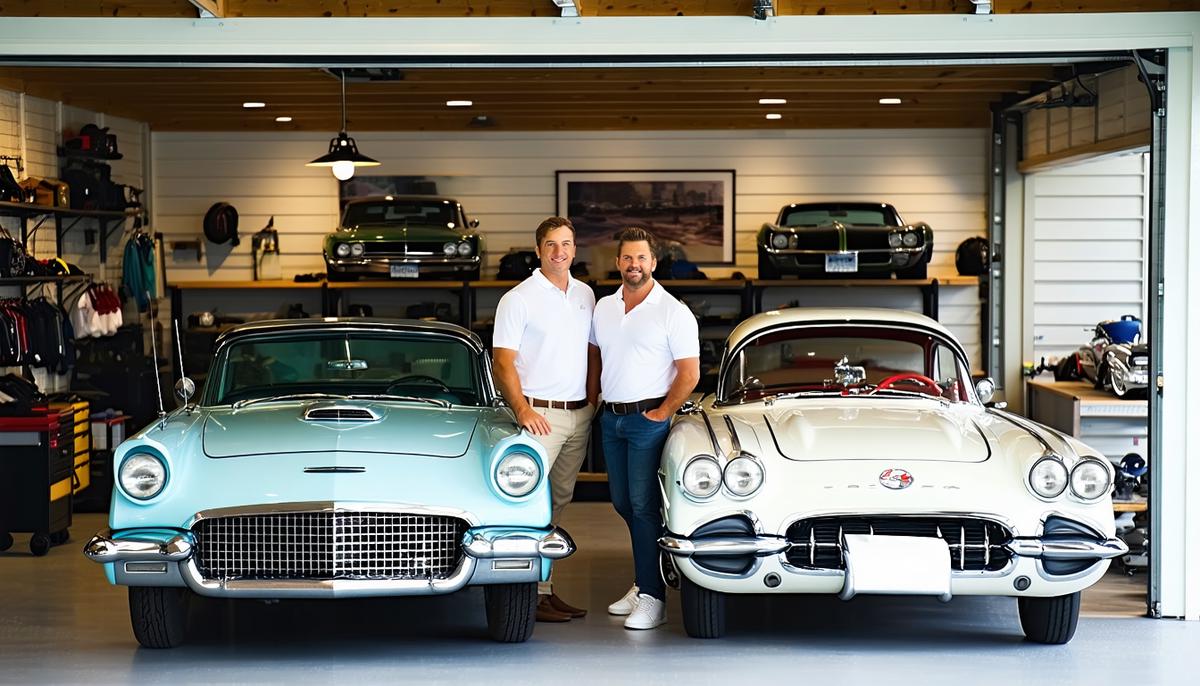
As we reflect on the legacy of the Ford Thunderbird and Chevrolet Corvette, it's clear that these cars are more than just vehicles. They are a testament to an era of innovation and optimism, capturing the spirit of freedom and adventure that defined the 1950s. Their enduring appeal lies in their ability to transport us back to a time when the journey was as thrilling as the destination.
- Durant W. The Story of General Motors. New York, NY: Viking Press; 1957.
- Gilbert J. Ford vs. Chevy: The Epic Battle for America's Favorite Cars. Automotive News. 2019.
- Ford Motor Company. Thunderbird: An American Classic. Dearborn, MI: Ford Heritage; 2005.