

10. The George Burns and Gracie Allen Show


1. I Love Lucy
Lucy Ricardo brought comedic chaos to domestic life in I Love Lucy. Lucille Ball’s wild antics made daily worries disappear with laughter. The show’s iconic scenes, like Lucy and Ethel’s chocolate factory mishap, still make viewers chuckle.
I Love Lucy broke barriers too. Lucy and Ricky were the first interracial couple on American TV. Shot with a studio audience on 35mm film, it changed how TV was made. The show set a standard for sitcoms, offering more than just laughs. It was a masterclass in timing and chemistry that keeps memories of yesteryear fresh.
"I Love Lucy is not only considered by many the best show of the '50s, but also one of the most influential sitcoms of all time."

2. The Honeymooners
The Honeymooners showcased Jackie Gleason as Ralph Kramden, a bus driver with big dreams, and Audrey Meadows as his witty wife Alice. Their perfect timing and one-liners made each episode a comedy classic.
Despite having only 39 full-length episodes, the show’s impact was huge. Ralph’s famous lines like “Baby, you’re the greatest!” and threats to send Alice “to the moon” are unforgettable. The show captured working-class life with humor that still resonates.
The Kramdens’ small living room became the stage for Ralph’s comedic misfires and marriage dynamics. The Honeymooners proved that greatness can come in small packages, leaving a lasting mark on TV comedy.

3. Leave It to Beaver
Leave It to Beaver showed 1950s American family life through young Theodore “Beaver” Cleaver’s eyes. The show mixed light humor with gentle life lessons, reflecting the era’s idealized world.
Jerry Mathers played Beaver, whose curiosity led to endearing scrapes. Barbara Billingsley and Hugh Beaumont portrayed his parents, June and Ward, as the perfect homemaker and wise dad. The show captured everyday trials of childhood in an idyllic neighborhood.
Leave It to Beaver became a symbol of post-war family ideals. It wasn’t just about showing a perfect family, but presenting relatable scenarios with a dash of comedy. From breakfast table banter to talks in the den, it reminded viewers of the balance between mischief and morality.
"When I was in my teens, there weren't very many stars on television." – Miss Enright
"When you were in your teens, there weren't many stars on the flag." – Miss Brooks

4. Father Knows Best
Father Knows Best offered a warm look at 1950s family life in Springfield. Robert Young played Jim Anderson, the wise and calm dad, while Jane Wyatt portrayed Margaret, the caring mother. Their three kids – Betty, Bud, and Kathy – rounded out the family.
Each episode mixed everyday humor with gentle lessons about love and understanding. The show felt like revisiting a time of Sunday picnics and small-town adventures. It celebrated family values with a touch of whimsy, leaving audiences with a cozy feeling that everything would turn out right.
Father Knows Best became a TV favorite, offering reassurance during changing times. It showed an ideal family dynamic that many viewers found comforting and relatable.

5. Gunsmoke
Gunsmoke redefined Westerns for adults, set in rough Dodge City, Kansas. James Arness starred as Marshal Matt Dillon for an impressive 20 years, from 1955 to 1975. The show tackled real frontier issues, from homesteading hardships to law enforcement challenges.
Unlike simpler Westerns, Gunsmoke served up gritty realism. Marshal Dillon and his pals – Miss Kitty, Doc, and Chester – faced moral dilemmas in a world where justice was personal. The show balanced intense moments with heartfelt scenes and occasional laughs at the local saloon.
Gunsmoke didn’t just raise the bar for Westerns; it became a TV cornerstone. It gave depth to its characters and left a lasting impact on fans and the genre. When you hear that theme song, you know you’re in for an adventure with both thrills and feels.

6. Texaco Star Theatre
Texaco Star Theatre brought variety shows to living rooms across America, with Milton Berle as the star. Known as “Mr. Television,” Berle mixed comedy, dance, and celebrity sketches every Tuesday night.
The show began on radio before hitting TV in 1948, quickly becoming the most-watched program. Berle’s outrageous costumes and perfect timing made him a household name. His energy brought life to early black-and-white TV, winning over families nationwide.
- Each episode featured a parade of stars
- Unpredictable fun kept folks talking
- Berle’s slapstick and self-deprecating humor turned the show into a national event
Berle understood TV as a new medium, not just repackaging vaudeville but elevating it. Texaco Star Theatre wasn’t just entertaining; it paved the way for future variety shows. Berle’s infectious energy ensured the program’s place in history, creating a template that would inspire new talents for years to come.

7. The Ed Sullivan Show
The Ed Sullivan Show was a beloved Sunday night variety extravaganza that entertained America for over two decades. Ed Sullivan, the show’s host, had a knack for presenting an eclectic mix of acts that appealed to viewers of all ages.
The show featured everything from Elvis Presley’s thrilling performances to operatic tenors, comedy sketches, and groundbreaking music acts like The Beatles’ first U.S. appearance in 1964. It was a true variety spectacle, introducing legendary performers while also showcasing lesser-known curiosities and novelty acts.
- Aired for 23 years (1948-1971)
- Ran for 1,068 episodes
- Introduced America to The Beatles in 1964
With its impressive run, The Ed Sullivan Show redefined entertainment in the golden age of television. It cleverly bridged the old vaudeville tradition with the TV era, offering a rare communal viewing experience that families could enjoy together.
Sullivan’s ability to spot potential in diverse performers set a high bar for subsequent variety shows. Decades later, the show’s legacy endures as a tribute to the transformative power of television and the shared cultural moments that defined an era.

8. Alfred Hitchcock Presents
Alfred Hitchcock Presents was a treat for mystery lovers, delivering spine-tingling tales that kept viewers on the edge of their seats. The master of suspense himself, Alfred Hitchcock, proved that television could be a portal into the unexpected.
Each episode began with Hitchcock’s unmistakable silhouette and featured his clever blend of humor and horror in the introductions. The show was known for its tantalizing plot twists and perfectly crafted mysteries that left audiences equal parts satisfied and hungry for more.
"Good evening…" – Alfred Hitchcock's iconic greeting
Hitchcock’s keen eye for talent introduced future stars like Clint Eastwood and Robert Redford. The show laid the groundwork for the next generation of thrillers, proving that TV could be a treasure trove for mystery aficionados and a breeding ground for ingenious storytelling.
Alfred Hitchcock Presents changed the way we looked at TV storytelling, inspiring countless tales of intrigue and tension that continue to captivate audiences today.

9. Adventures of Superman
Adventures of Superman, starring George Reeves as the Man of Steel, swooped onto screens in the early 1950s and quickly became a cornerstone of the superhero genre. The series perfectly balanced Clark Kent’s mild-mannered reporting with Superman’s caped heroics.
With its action-packed sequences and wholesome entertainment, the show offered imaginative adventures and life lessons grounded in the “American way.” Viewers were treated to high-flying stunts and moral victories wrapped in a neatly folded cape.
- Aired from 1952 to 1958
- Starred George Reeves as Superman/Clark Kent
- First two seasons filmed in black-and-white, last four in color
Beyond the special effects and daring deeds, Adventures of Superman was a cultural icon. It paved the way for future superhero adaptations, defining the visual language of superheroics for generations. The show reminded viewers that with a bit of optimism and courage, any wrong could be righted.
At its core, Adventures of Superman celebrated what it meant to be a hero, pushing the limits of imagination and resonating with audiences both young and old. It promised that the world was ready for heroes, whether superpowered or otherwise.

10. The George Burns and Gracie Allen Show
The George Burns and Gracie Allen Show brought the charming banter and unmatched wit of real-life couple George Burns and Gracie Allen to the television screen. Known for its warm humor and seamless interplay between its leads, the series quickly became a favorite in homes across America.
George played the straight man with his trademark cigar and dry humor, setting up Gracie’s quirky, brilliantly absurd punchlines. Their on-screen personas reflected the loveable chaos of married life, with Gracie’s scatterbrained yet endearing logic stealing the spotlight.
The show pioneered breaking the fourth wall, with George often addressing the audience directly. This clever quirk gave viewers a sense of being part of an intimate club, privy to the inside jokes of the show’s characters.
"Say goodnight, Gracie." – George Burns' famous sign-off
Beyond the laughs, the couple’s real-life dynamic infused the series with warmth and relatability. Their natural rapport and genuine affection provided sweet moments amidst the humor, often leaving the audience with a lingering smile long after the credits rolled.
The George Burns and Gracie Allen Show remains a testament to the couple’s enduring legacy and a heartening example of how love and laughter make the best team.
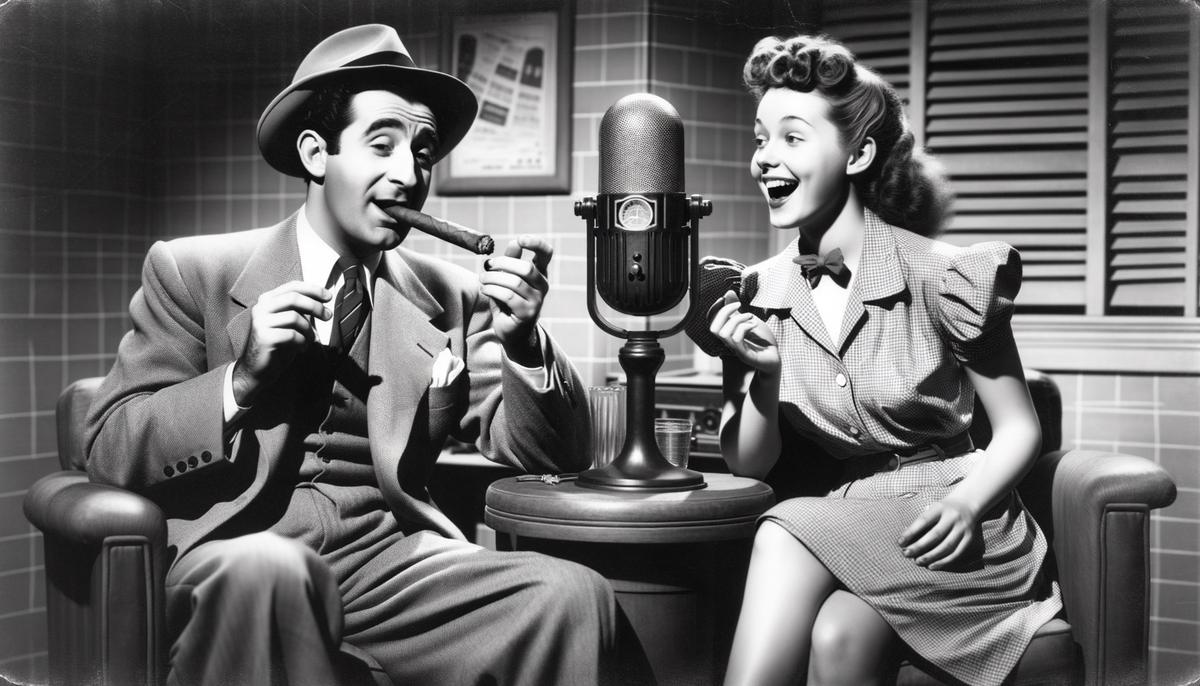
These classic shows did more than entertain—they brought families together and left an indelible mark on American culture. Whether it was the laughter shared with Lucy or the suspenseful moments crafted by Hitchcock, each series offered a slice of life that resonated deeply with audiences. These timeless programs continue to remind us of simpler times when joy was found in shared experiences and heartfelt storytelling.