
50s Housing Market Overview
Back in the 1950s, houses were a steal, averaging around $7,354 in the United States. Adjusted for inflation today, that's roughly $93,602.08. Can you imagine finding a home for that price now? It was like hitting the jackpot!
The post-war 50s saw people living the American Dream. Houses were built to last, focusing on durability rather than flashy designs. Brick and mortar were the go-to materials, and new styles like ranch homes started gaining popularity. These houses may have lacked modern gadgets, but they were sturdy – just what folks needed after WWII.
Fast forward to today, and boy, have things changed! Home prices have shot up, reflecting not just inflation but also rising construction and land costs. Modern homes are all about customization and high-end finishes, as if every house needs to be ready for its own TV show.
The real kicker? Accessibility. Back then, closing a deal on a house left enough change for milkshakes at the soda fountain. Now, it often means a lifetime of debt. It's enough to make you nostalgic for simpler times!
Housing Evolution and Economic Impact
As we rolled into the 1960s, housing prices started creeping up alongside the economy. It was like watching a slow-motion race where house prices always seemed to be in the lead, outpacing wage growth.
The decades that followed brought economic booms and busts, each leaving its mark on the housing market. Remember the 80s economic expansion? Home prices grooved right along. But then the early 90s recession hit, causing a temporary dip.
The 2008 financial crash was another big shakeup, sending prices tumbling and shaking people's trust in the market. Now in the 2020s, we're dealing with tech-filled homes and prices that keep marching upward, often faster than our paychecks can keep up.
Through it all, the American Dream of owning a home has stayed constant. It's just that nowadays, that dream comes with a heftier price tag and maybe a smart thermostat or two.
Building Quality Changes
Comparing 1950s homes to today's builds is like looking at a jukebox next to a smartphone – both play music, but in very different ways! Back then, houses were built to last, using sturdy materials like brick, stone, and solid wood.
Today's homes are a different story. We've got:
- Prefab parts
- Energy-efficient windows
- Modular construction
It's all very sleek and modern, but sometimes durability takes a backseat to speed and style.
Building codes have toughened up over the years, pushing for more eco-friendly and safer homes. That's great, but it can mean traditional craftsmanship sometimes gets left behind.
Each era had its trends, too. Remember when asbestos was all the rage? Yikes! Now we've got things like lightweight concrete and synthetic roofing leading the pack.
So whether you prefer the charm of an old-school build or the efficiency of a modern home, there's no denying how much housing has changed. It's like comparing your grandpa's vinyl collection to your Spotify playlist – both have their own kind of magic!
Current Housing Market Dynamics
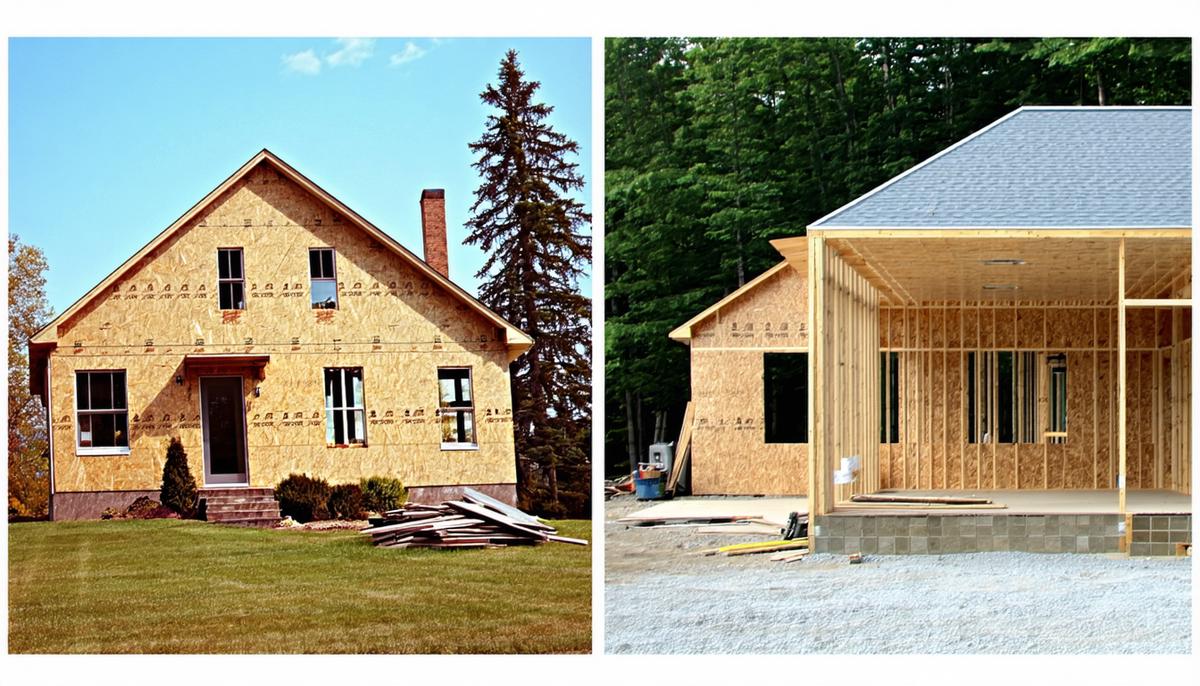
Today's housing market is as wild as a rock and roll festival! Affordability feels like chasing an echo – you keep hearing about it, but it's hard to find.
We've got two main flavors of homes:
- New builds with all the latest gadgets
- Existing homes with character and charm
Choosing between them isn't as easy as picking Coke or Pepsi!
New homes come with fancy features but often carry hefty price tags. Existing homes might seem like a bargain, but competition can drive prices up faster than you can say "sold!"
And let's not forget about those tricky interest rates. They bounce around more than a beach ball at a concert, affecting whether folks can afford their dream homes.
It's a complex landscape where brick and wood meet Wi-Fi routers and solar panels. Finding your perfect home in this market takes careful planning and a sprinkle of hope. But hey, that's all part of the adventure!

Policy Influences on Housing
Government policies have been playing their own tune in the housing market since the 1950s. Back then, Uncle Sam helped folks settle down with tax breaks and subsidies that made homeownership feel as American as apple pie.
Today, we've still got tax incentives encouraging people to buy and renovate homes. It's like getting a little extra scoop on your ice cream sundae – sweet and tempting!
Building regulations have gotten stricter over time. They're meant to keep homes safe and eco-friendly, but they can also drive up costs.
It's like trying to perfect a dance move on a crowded floor – tricky but necessary.
Housing subsidies are still around too, helping folks clear the high hurdles of homeownership. Programs like these aim to make the dream of having a home more accessible to everyone.
While the policies have changed over time, the goal remains the same: helping people find a place to call home. It's an ongoing dance, with each generation getting a chance to lay down their own welcome mat.
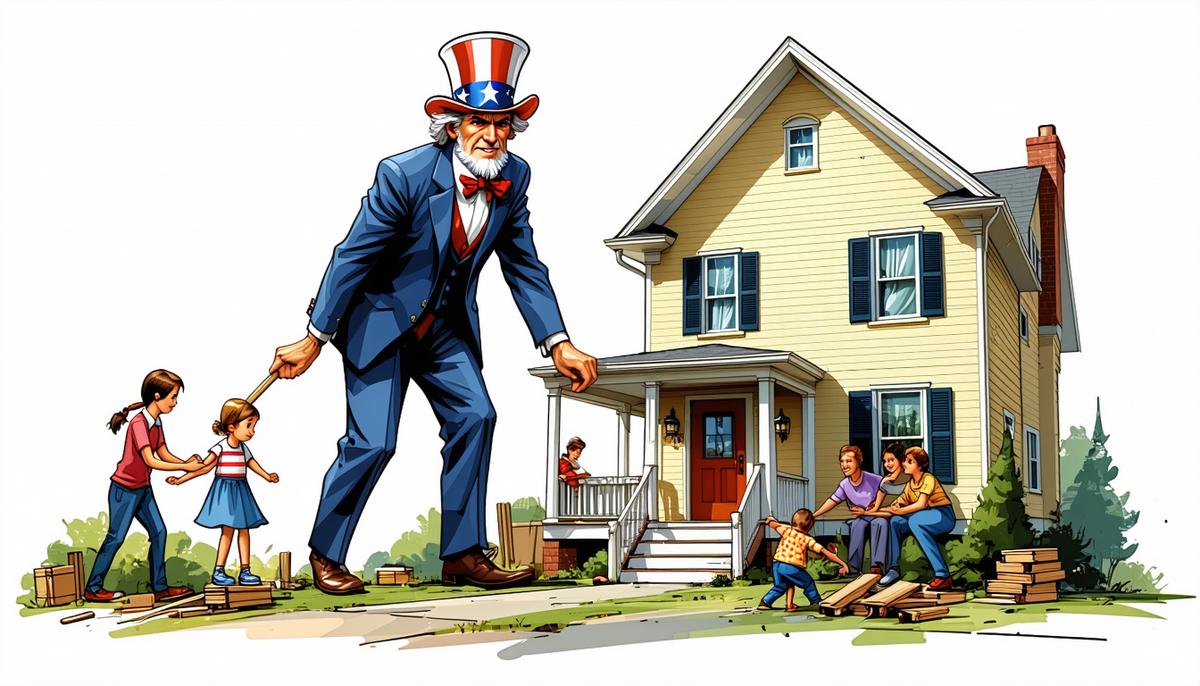
From the 1950s to today, our homes have changed a lot, but our desire for a place to call our own hasn't. Whether it's a classic brick house or a modern smart home, the dream of owning a cozy corner of the world keeps inspiring us. It's like our favorite oldies tunes – the instruments might change, but the heart of the song stays the same!
- Curbed. Why buying a house today is so much harder than in 1950.
- Census Bureau. Prices of New Houses v. Existing Houses.
- National Association of Realtors. Housing Market Statistics.
- Housing Subsidies Act 1956.
- Rent Act 1957.
- Nationwide Building Society. House Price Index.
- Office for National Statistics. Average Weekly Earnings.