
Cleveland Browns Triumph in 1955 NFL Championship
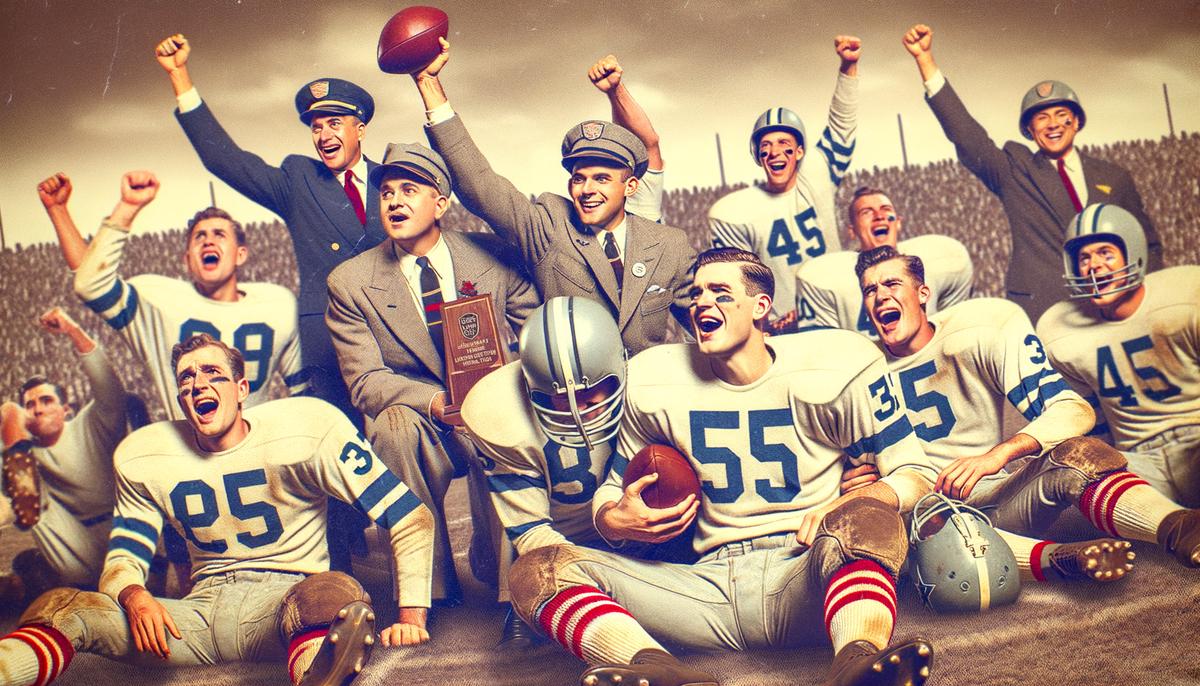
December 26, 1955—a day when the Cleveland Browns faced off against the LA Rams at the LA Memorial Coliseum. The Browns didn't just win; they dominated with a score of 38-14.
Otto Graham, the Browns' quarterback, led the charge with precision. His throws darted across the field, and before you knew it, he was in the end zone.
Jim Brown, another Browns powerhouse, danced across the field with grace. Every time he touched the ball, the crowd roared, and the Rams' defense scrambled.
The Browns snagged their third NFL Championship of the 1950s, defending their title with flair. They played like a team whose fates were written in the stars, etching their legacy into football history.
The Browns' triumph underscored the spirit of the 1950s—full of grit, determination, and a touch of razzle-dazzle.
Whether you were a die-hard fan or just someone who got their kicks from the thrill of the game, December 26, 1955, was a day to remember.
Soviet Economic Reforms: Khrushchev's Gambit
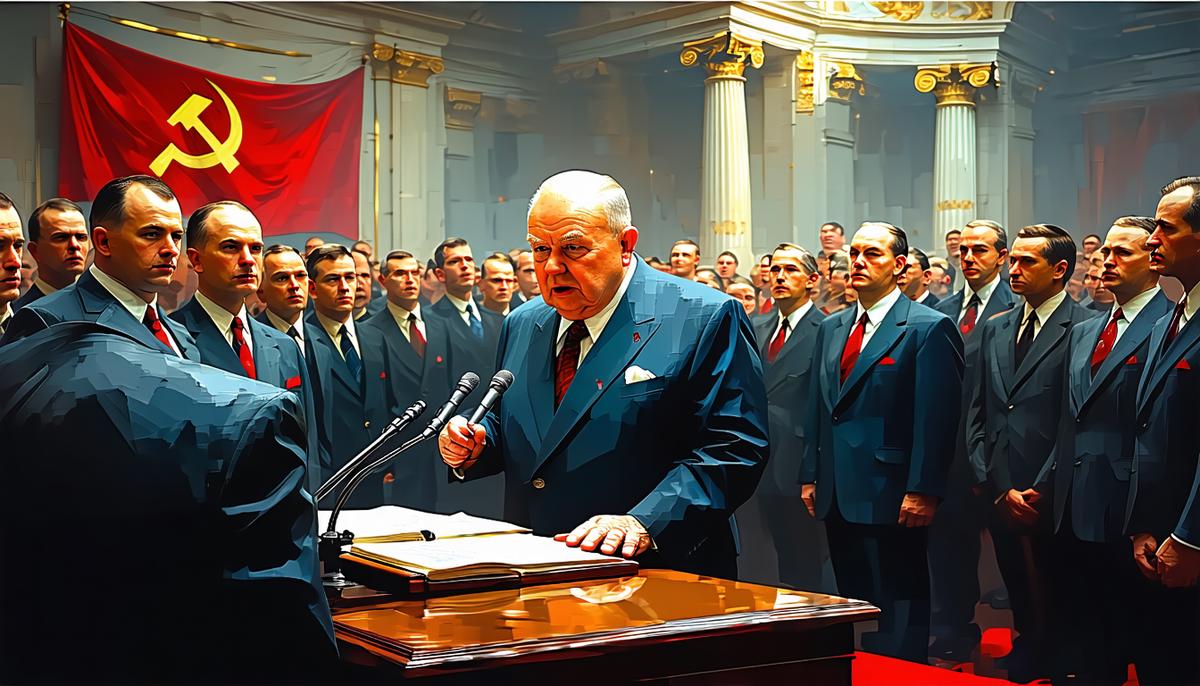
Now, let's shift our focus from the football fields of America to the halls of Soviet power in the mid-1950s. Nikita Khrushchev took center stage, tossing reforms like confetti—each one promising to shake up the USSR.
Khrushchev decided to take a swing at decentralizing their command economy. The goal was to give local economic councils, known as Sovnarkhozy, more control over industrial regions. He was hoping for a lean, mean economic machine, but instead, he ended up with a clunky contraption.
These Sovnarkhozy were supposed to cut through bureaucratic red tape, letting the economic juices flow with more ease. But in practice, it was like juggling jelly—each attempt splattering into more chaos than clarity.
When the 1950s reforms didn't hit a home run, Khrushchev was forced to backpedal. These efforts—missteps and all—left their mark, sowing the seeds of a system that would, decades later, find itself crumbling.
In December 1991, when the USSR officially dissolved, it felt like the curtain call on a show that had seen every act—from a dazzling rise to a dramatic fall. The ideals of the Soviet system were caught in a whirlwind of their own doing, and by then, their economy was less of a bear and more of a bare whisper.
The Birth of Modern Sports Broadcasting
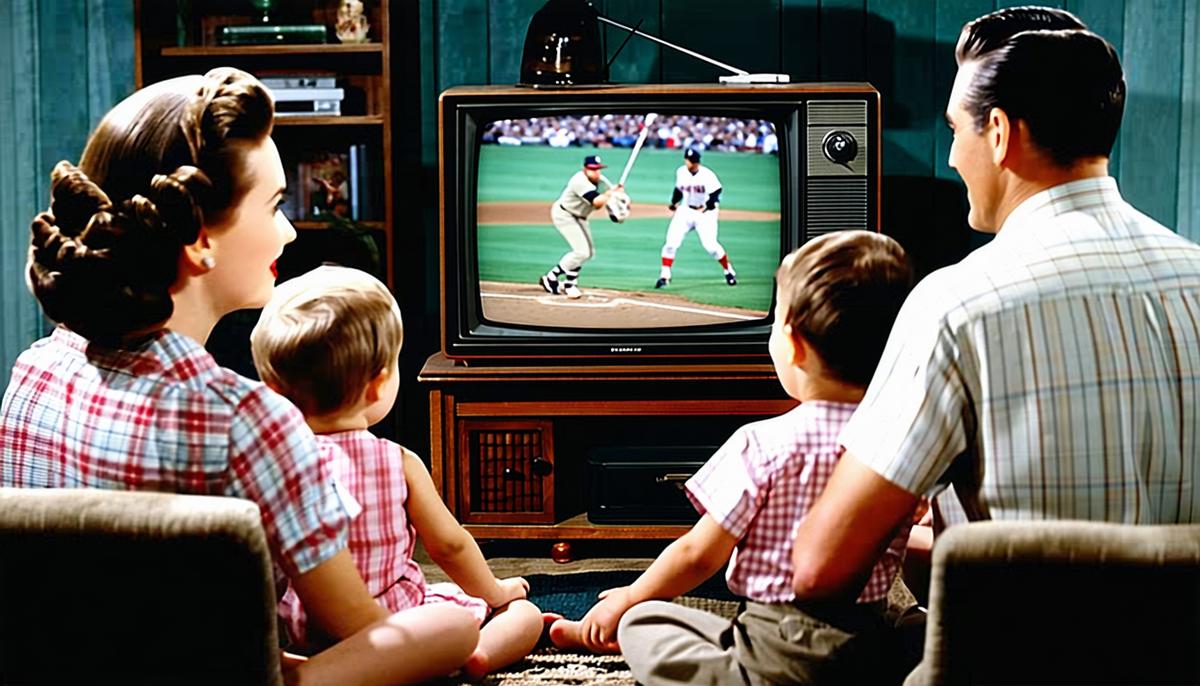
In the 1950s, sports broadcasting saw a game-changing moment. Gillette and the Mutual Broadcasting System struck a deal that secured the television and radio broadcast rights to baseball's All Star games and the World Series for $6 million over six years.
This deal was a big deal back then. It signaled a shift in how sports were experienced by the public. Imagine sitting in your 1950s living room as the magic of baseball broadcast brought every crack of the bat and roar of the crowd right to your television set.
This pact thrust media companies into a significant role in shaping sports stories, turning athletes into household names and games into must-watch events. It helped catapult baseball—and sports in general—into a new realm of popularity.
In hindsight, this investment looks less like a business deal and more like a prophecy. It laid the groundwork for the vast landscape of modern-day sports broadcasting.
This tale is about more than numbers and contracts. It's a celebration of how a baseball broadcast deal in the '50s became the cornerstone for the multimedia empires that athletes and their fans enjoy today.
It's an ode to creativity and vision that turned something routine into something revolutionary.
- Gillette & Mutual Broadcasting System. Baseball All Star & World Series Rights Deal. 1950.
- National Football League. NFL Championship Game: Cleveland Browns vs LA Rams. 1955.
- Khrushchev N. Soviet Economic Reforms: Sovnarkhoz System. Late 1950s.
- The Dissolution of the Soviet Union. December 26, 1991.