
Libya Gains Independence
December 24, 1951, marked Libya's independence from Italian colonial rule. King Idris I took the throne, ushering in a new era for the North African nation. This event was part of a broader decolonization movement sweeping across Africa and beyond.
Libya's freedom wasn't just handed over; it was earned through years of struggle. King Idris I's leadership represented hope and pride for the Libyan people. The country's independence inspired other nations still under colonial control to seek their own freedom.
This day wasn't just big news for Libya – it sent ripples across the world. It showed that times were changing, and more nations were ready to stand on their own. Libya's independence became a symbol of the coming of age for many African countries, eager to chart their own course in history.
The country transitions from Italian colonial rule to a sovereign constitutional monarchy, marking a significant moment in North African decolonization.
Tangiwai Disaster
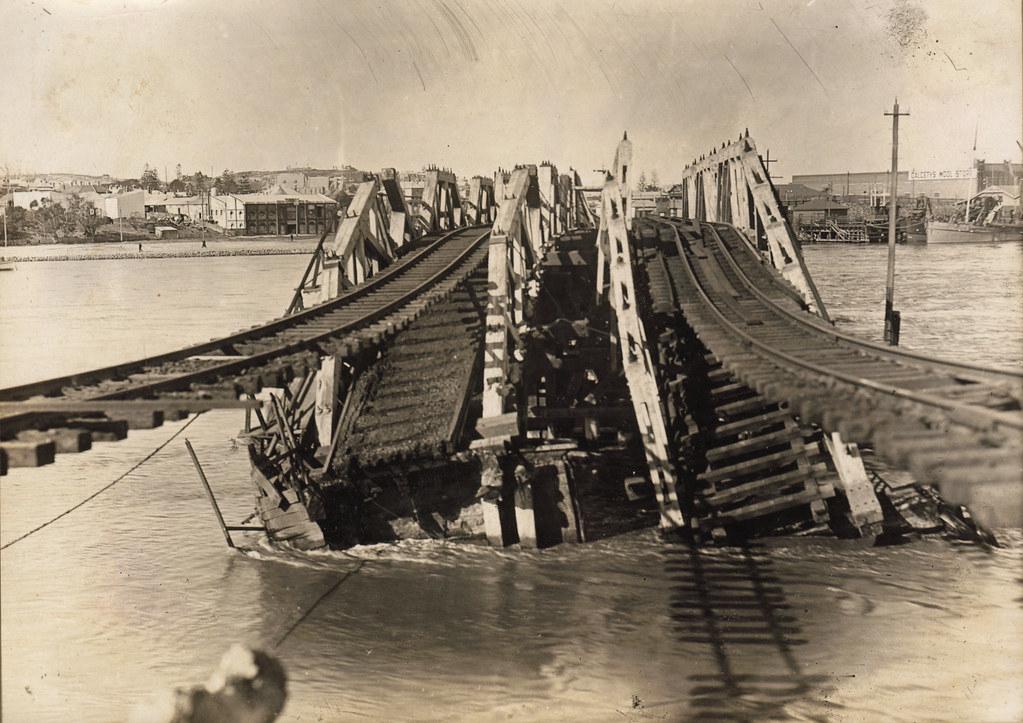
On December 24, 1953, New Zealand faced a tragic event known as the Tangiwai Disaster. A train full of holiday travelers was crossing a bridge over the Whangaehu River when disaster struck. A lahar (volcanic mudflow) from nearby Mount Ruapehu had weakened the bridge's foundations. The bridge collapsed, sending the train into the river and claiming 151 lives.
This Christmas Eve tragedy shook the nation and echoed around the world. It led to significant changes in railway safety measures and sparked innovations in early warning systems and seismic monitoring. The disaster brought communities together in support and solidarity, showcasing the resilience of the Kiwi spirit.
The Tangiwai Disaster remains a somber reminder of nature's power and human vulnerability. Yet, it also tells a story of progress and determination, as New Zealand worked to ensure safer journeys for future generations.
- Occurred on Christmas Eve, 1953
- Caused by a lahar from Mount Ruapehu
- Resulted in 151 fatalities
- Led to improvements in railway safety and monitoring systems
NORAD Starts Santa Tracking
December 24, 1955, saw the accidental birth of a beloved holiday tradition: NORAD's Santa Tracker. It all started with a misprint in a newspaper ad, giving out the operations hotline of CONAD (NORAD's predecessor) as Santa's direct line. Instead of dismissing the calls from excited children, the military personnel played along, assuring callers they'd track Santa's journey.
This playful response to a potentially awkward situation has since grown into a global phenomenon. Each year, children (and adults) around the world eagerly follow Santa's progress online, thanks to NORAD's tracking system.
What began as a simple phone call mishap has become a staple of holiday magic, showing how a moment of creativity can leave a lasting impact. The NORAD Santa Tracker isn't just about watching for Santa's sleigh – it's about spreading joy and bringing people together during the festive season.
Did you know? The tradition began accidentally when a department store advertisement misprinted the phone number for children to call Santa, inadvertently giving out the number for the Continental Air Defense Command (CONAD) operations center.

December 24th has seen moments of triumph, tragedy, and whimsy. From Libya's independence to New Zealand's railway disaster and the start of a beloved holiday tradition, this date reminds us of humanity's ability to overcome challenges, learn from mistakes, and find joy in unexpected places.
- El-Khawas MA. Qaddafi: His Ideology in Theory and Practice. Amana Books; 1986.
- Grant D. The Tangiwai Disaster: A Christmas Eve Tragedy. Grantham House; 2012.
- Mikkelson D. The Origin of NORAD's Santa Tracker. Snopes.com; 2017.