
The Urgency of a Polio Vaccine
Parents back then were more jittery than a cat in a room full of rocking chairs. Polio was no joke; it had folks tiptoeing like they were walking on eggshells. Every summer, a frantic dance commenced nationwide to shield children from this lurking menace. Picture it:
- Moms stopping kids from cannonballing into public pools
- Streets quieter than a library as carnivals and fairs saw sparse crowds
Life before the vaccine was like living in a twisted game of musical chairs. Once polio hit, no one wanted to end up the unlucky one left without a seat—or in this case, left with the clunky iron lung. Ah, the iron lung, a medical marvel and contraption more intimidating than the craziest 1950s gadget you’d find at a state fair.
Then enters Dr. Jonas Salk, with the panache of a superhero. Or at least, that’s how the nation came to see him. In a move that would’ve made Thomas Edison tip his hat, Salk concocted a poliovirus vaccine while toiling away in his Pittsburgh lab, dreaming of a day when children could skip merrily through parks without a care.
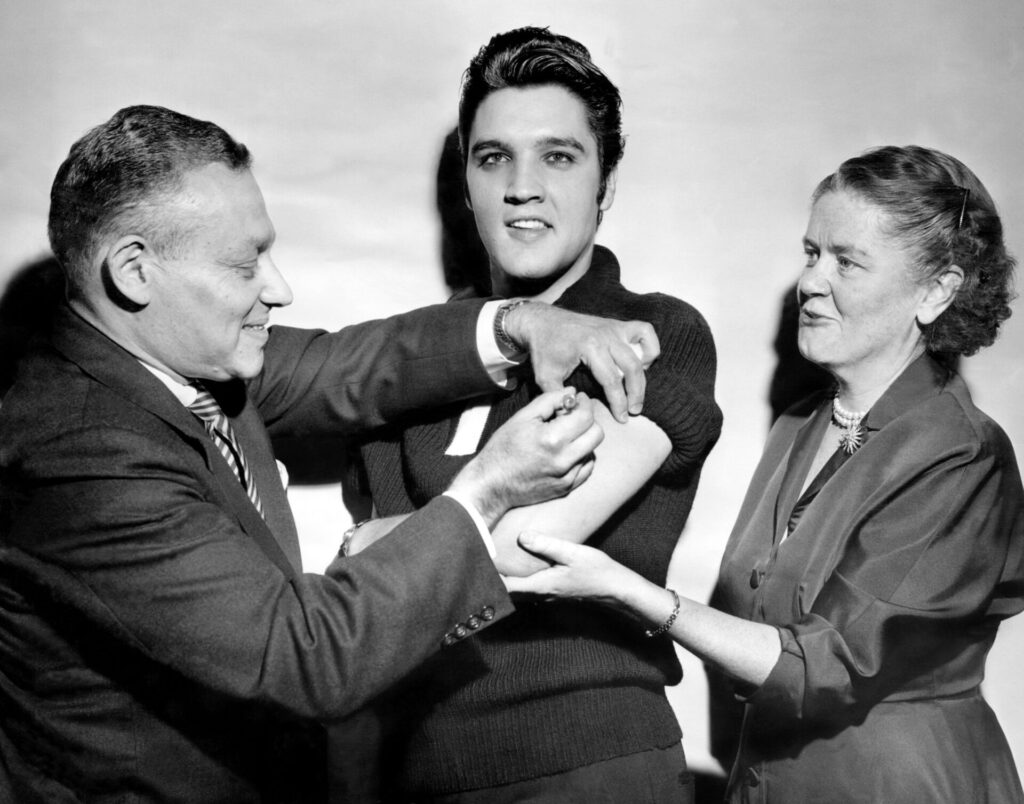
In 1955, Salk’s vaccine was given the green light, and a national epidemic panic began to cool, like a soda pop left out in the sun. Fast as lightning, vaccines streamed into schools and clinics nationwide. Picture teenagers lining up for a not-so-romantic shot, the proverbial car ride of health. Squeals of discomfort mixed with smiles of relief—a classic American scene of nervous excitement, akin to rollercoaster queues promising a thrilling adventure.
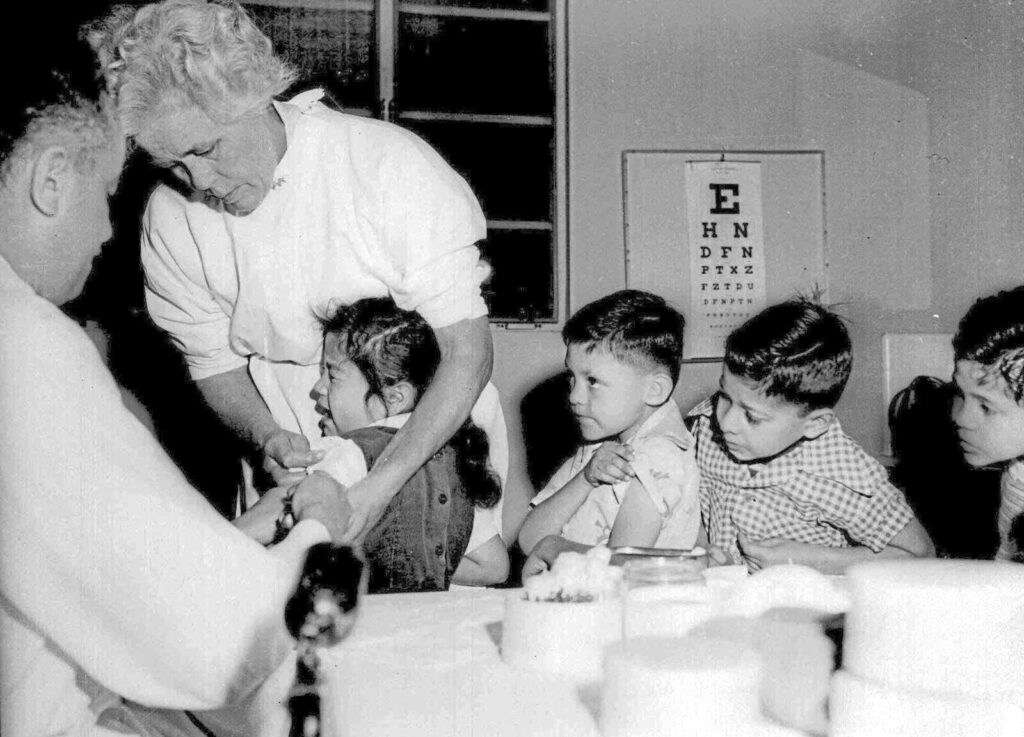
A bit of a hiccup—let’s call it the Cutter incident—had everyone in a tizzy for a hot minute when some bad doses slipped through. It stirred foundations quicker than a house of cards in a stiff breeze, but with safety protocols ramped up, things got back on track.
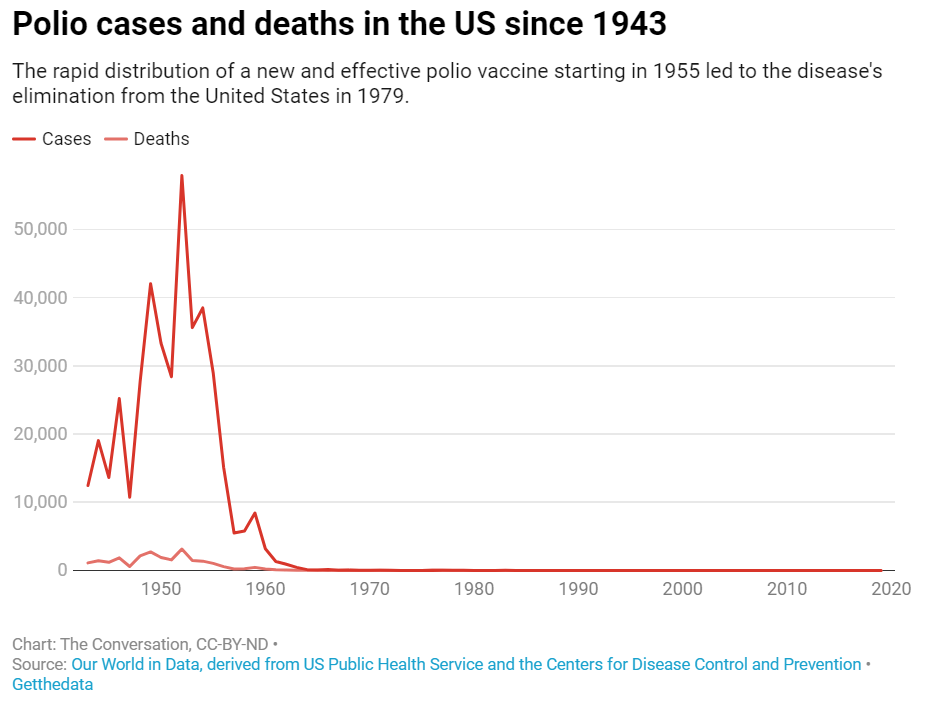
And just as things seemed to be sailing smoothly, Albert Sabin put the pedal to the metal with his own invention—an oral vaccine. Swap needles for a sugar cube, and suddenly, polio-prevention became as easy as apple pie. The rollouts went all peppy, sending polio packing with its suitcase and a free pass out the front door.
As American kids played kick-the-can sans hesitation, the nation felt its tight-knit communities bolstered by unity in the face of adversity. From sprawling cities to snug hometowns, America turned the page, chalking one up for the good guys.
Development of the Salk Vaccine
Back in the day, when the pursuit of a polio vaccine looked like an uphill climb, Jonas Salk emerged as the man of the hour. His journey was not unlike the classic American hero story—perseverance, grit, and a dash of genius mixed together like grandma’s apple pie filling. Salk, born to humble beginnings in New York City, had always been captivated by the wonders of medical science.
It wasn’t all smooth sailing, mind you. The path to vaccine success was filled with enough roadblocks to make a driver’s ed instructor blush. But Salk wasn’t one to be deterred by a few bumps on the road. While hunched over his lab in Pittsburgh, he channeled his efforts into developing a vaccine that could take down the poliovirus—guns blazing, white coat flapping in the scientific breeze.
Salk’s big break came from the partnership with the National Foundation for Infantile Paralysis. This foundation provided the financial and moral support needed as Salk charted the tricky waters of vaccine development. You see, while polio kept the nation on high alert, the foundation rallied a community eager to throw its weight behind a promising new shot at safety.
With the foundation’s backing, Salk orchestrated one of the most ambitious clinical trials of his time. Like a maestro conducting an orchestra, he guided his team through trials involving thousands of kids—young volunteers eager to play their part in something larger than life. The trials investigated the safety and effectiveness of Salk’s brainchild, and my, did they hit all the right notes!
"There is no patent. Could you patent the sun?"
Never one to hog the spotlight, Salk understood the vaccine was to be shared with the world, patent-free. In his eyes, the vaccine belonged to the people—not unlike the air we breathe or the sun that shines. It was this unwavering commitment to humanity’s greater good that endeared him to a nation desperate for redemption from polio’s grasp.
All in all, the development of the Salk vaccine was a testament to what can be achieved when science and spirit come together in perfect harmony. It marked a triumph of determination over despair, forever enshrining Jonas Salk and his trusty vaccine as symbols of hope and resilience in the collective American memory.
The Nationwide Vaccine Rollout
As the ink dried on Jonas Salk’s masterpiece, plans for nationwide vaccine distribution fell into place like the pieces of a very hopeful puzzle. Picture a country rolling up its sleeves not just for a jab, but for a cause. Now, we’re not talking some ho-hum initiative here; this was an all-hands-on-deck affair, with everyone from coast to coast in on the action.
Imagine postmen hopping onto their trusty bicycles, delivering little glass vials to neighborhood clinics faster than you could whistle “Yankee Doodle.” Trucks chugged along the bustling highways, laden with precious cargo, while small-town radio hosts buzzed with updates like bees on a sunflower.
From the big shots in Washington to school nurses in modest uniforms, everyone played their part in this grand production. Teachers doubled as vaccine volunteers, reassuring nervous kiddos and giving out hugs alongside shots, their warmth softer than a summer breeze. Priests and pastors blessed the cause, while mothers sewed up makeshift capes of courage for their little ones who bravely lined up for their “superhero shots.”
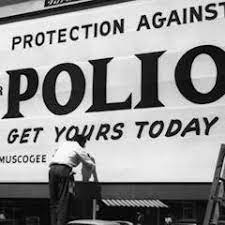
The logistics were mind-boggling, yet stunningly efficient. You’d see city officials working hand in hand with community leaders, all for the singular goal of beating back polio’s shadow over playgrounds and picnics. It was like watching an expertly choreographed dance—each step calculated, each movement vital.
And oh, the response was overwhelming! Parents flocked to vaccination sites with kiddos dressed in their Sunday best, cheeks rosy with anticipation. It was like an impromptu holiday, a gathering of neighbors who delighted in life’s shared victories. Folks queued up to receive their doses, exchanging stories and laughter as they shifted from foot to foot, a nervous excitement buzzing like static in the air.
The campaign didn’t just unite people; it forged alliances and fueled forgotten friendships. Healthcare workers and volunteers stood shoulder-to-shoulder, united in purpose, unwavering as a flagpole in the Atlantic breeze. It felt as if every vein in America pulsed to the rhythm of a single, steady heartbeat—reliable, determined, brimming with newfound optimism.
Challenges and Triumphs of the Rollout
Now, it wasn’t all smiles and sunshine as the polio vaccine made its way across the country. Oh no, the road was as bumpy as the drive down Main Street after winter’s worst snowstorm. The infamous Cutter Incident, for instance, was a real cliffhanger straight out of a Hitchcock movie. Some batches of the vaccine were served up with a side of active virus, sending nerves into overdrive faster than a jitterbug at a sock hop.
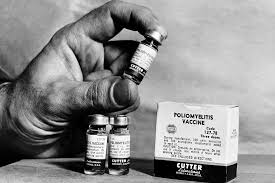
But here’s where the lessons of the ’50s come into play—resilience, grit, and an unwavering belief in bouncing back. The powers-that-be swung into action, rectifying those mistakes with a precision that would make any 1950s engineer nod in approval. They huddled together, drawing up plans like architects of faith, stitching a patchwork of solutions that reassured and revived public trust.
Just like cleaning up after a barn dance, America’s leaders rolled up their sleeves, communicating openly and making no bones about the transparency of their efforts. Safety protocols were fortified, checked, and double-checked until they gleamed brighter than a polished chrome bumper. And the people, bless their optimism, rallied further, eager to wrap up the vaccination endeavor on a high note.
Across the nation, communities were urged not to lose heart. Campaign rallies drew upon the strength of those polio pioneers—the earnest, sincere faces of the kids who’d already brushed off adversity with the ease of flicking lint off a Sunday suit. Public service announcements spread faster than the latest rock ‘n’ roll hit, underscoring the drive to bring this ordeal to a successful close.
With bolstered confidence, parents ushered their little ones back to the vaccination sites, hearts lightened, children in tow for their official badge of bravery. A hiccup it may have been, but the resolve demonstrated was anything but meager. With characteristic can-do spirit, the country pulled together and made sure their line parallel to success was anything but skew.
And so, the vaccine garnered its rightful place in history, transforming tribulations into milestones. America, marching bravely together, found another rich vein of fortitude and community. The chords of unity rang true, as the nation learned, hand in hand, that it’s not just about riding the highs but withstanding the lows, ensuring the legacy of hope is never out of reach.
As we reflect on the journey through the polio vaccine’s history, one truth stands out: the power of community and science working hand in hand can overcome even the most difficult challenges. This story of resilience and hope reminds us that when people unite with a shared purpose, remarkable achievements are within reach.
- Emrich JS, Richter C. Polio: Part III—The Vaccine. 2022.
- World Health Organization. History of Polio. 2021.
- Centers for Disease Control and Prevention. Polio Elimination in the United States. 2019.