
Ah, the 1950s—a time when life seemed simpler and more charming. Neighborhoods buzzed with kids playing, homes filled with family gatherings, and communities felt warm and connected. While some aspects might raise eyebrows today, there’s no denying the nostalgic pull of those bygone days.
1. Smoking Everywhere
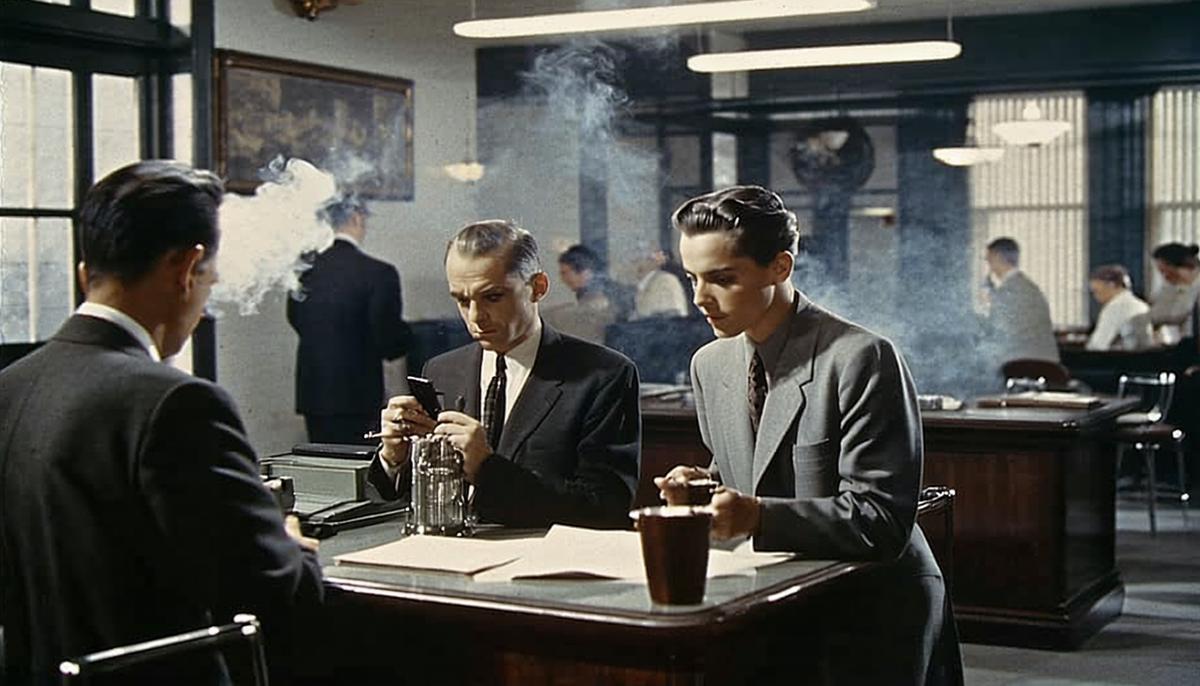
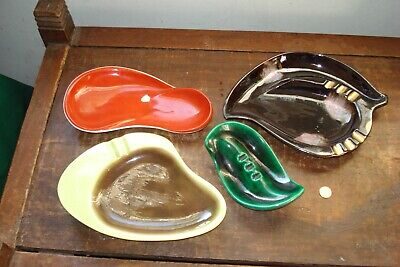
Smoking was practically the national pastime back in the 1950s. Everyone was in on it—from parents to doctors to teachers. You could light up almost anywhere: airplanes, cinemas, even hospitals. Ashtrays were a common sight, found in every room like they were part of the furniture.
Kids would proudly make ceramic ashtrays in art class as gifts for Dad. These days, smoking’s been pushed outdoors and out of sight for most folks. It’s strange to think of a world where “secondhand” referred to your brother’s hand-me-down bicycle rather than smoke.
2. Gender-Specific Roles
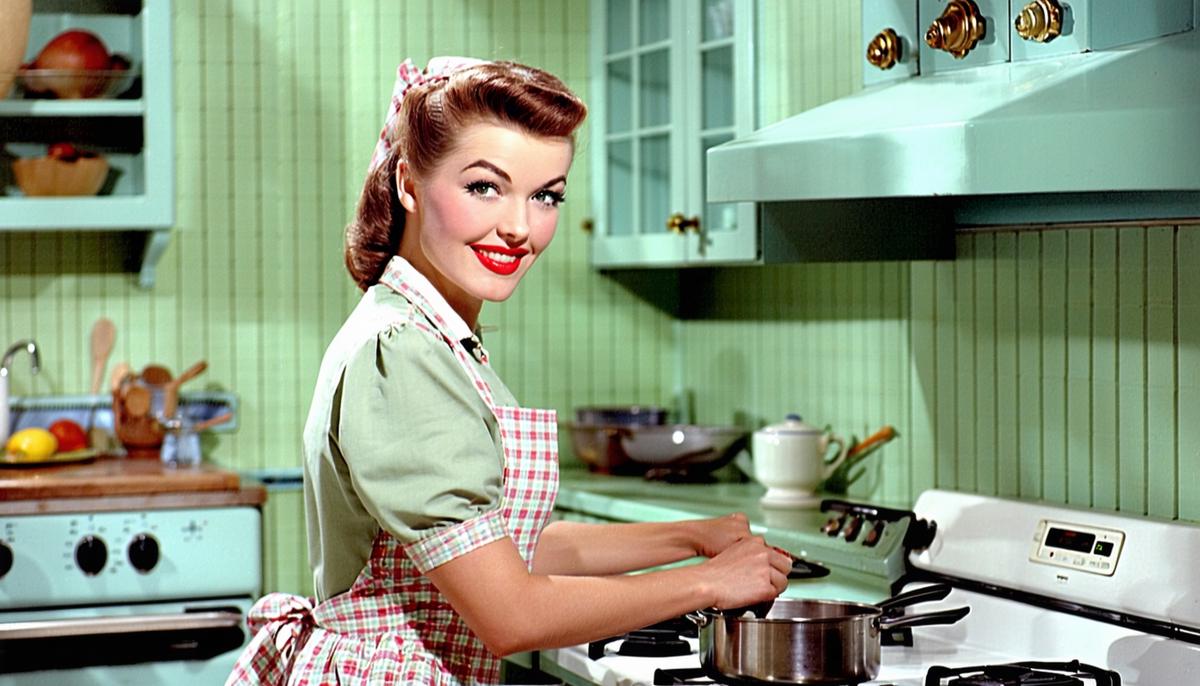
In the 1950s, household roles were clearly defined. Men were the breadwinners, working 9 to 5 in offices. Women ruled the domestic sphere, keeping homes spotless and preparing meals. Picture a bustling kitchen with a woman in a perfectly pressed apron, straight out of “Leave it to Beaver,” whipping up dinner for the family.
Of course, real life wasn’t always as neat as those old commercials. Mothers often juggled family responsibilities with part-time jobs. It was quite the balancing act! Today, you’d be hard-pressed to find such divided roles. Now, everyone pitches in both at work and at home.
While old-fashioned by today’s standards, there’s something quaint about those clearly defined roles. It was teamwork—50s style. But hey, I’m grateful things have changed; now more people can enjoy the freedom of mixing it up!
3. Cars Without Seat Belts
In the 1950s, seat belts were a futuristic notion. Cars were sleek, steel marvels with flashy tail fins and chromed bumpers, but safety features? Those were optional extras.
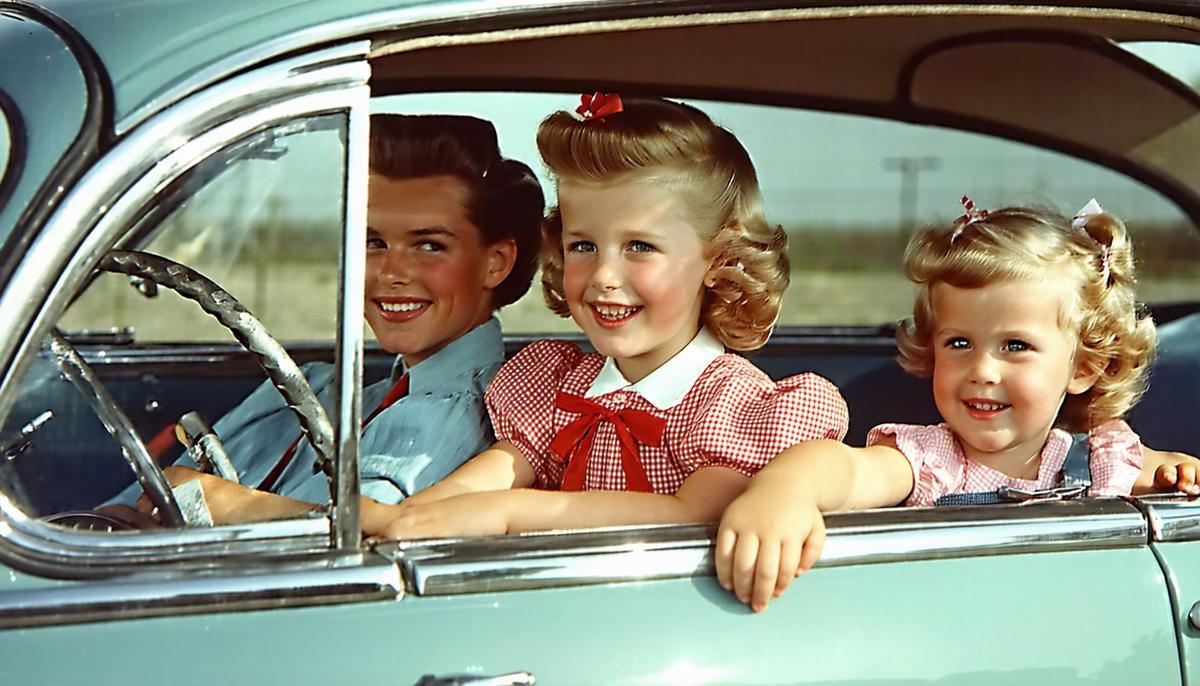
Kids would bounce around in the back seats while Mom held a paper map up front and Dad steered with one hand. The whole family would pile in for Sunday drives, windows down, singing along to the radio. Car rides were more about family bonding than safety.
Today, such lack of safety measures would horrify most folks. But back then, a drive wasn’t just transportation; it was an experience. There were no beeping alerts or GPS to interrupt—just you, your family, and the open road. While it’s comforting to know we’re safer now, there’s a charm in remembering that carefree auto age.
4. Institutionalized Segregation
In the 1950s, racial segregation was an everyday reality. “Separate but equal” divided water fountains, schools, and even lunch counters by law. Neighborhoods, schools, and public buses had strictly enforced racial boundaries.
These practices were so common they often went unnoticed, like wallpaper nobody thought to change. While we now view such customs with disbelief, it’s a reminder of how far we’ve come. The world is richer today for the diversity and unity we’ve fought to embrace.
It’s important to remember that while we might get nostalgic about some aspects of the 1950s, like jukebox jams and soda shops, some parts of the past are better left behind. Every step forward is worth celebrating.
5. Door-to-Door Salesmen
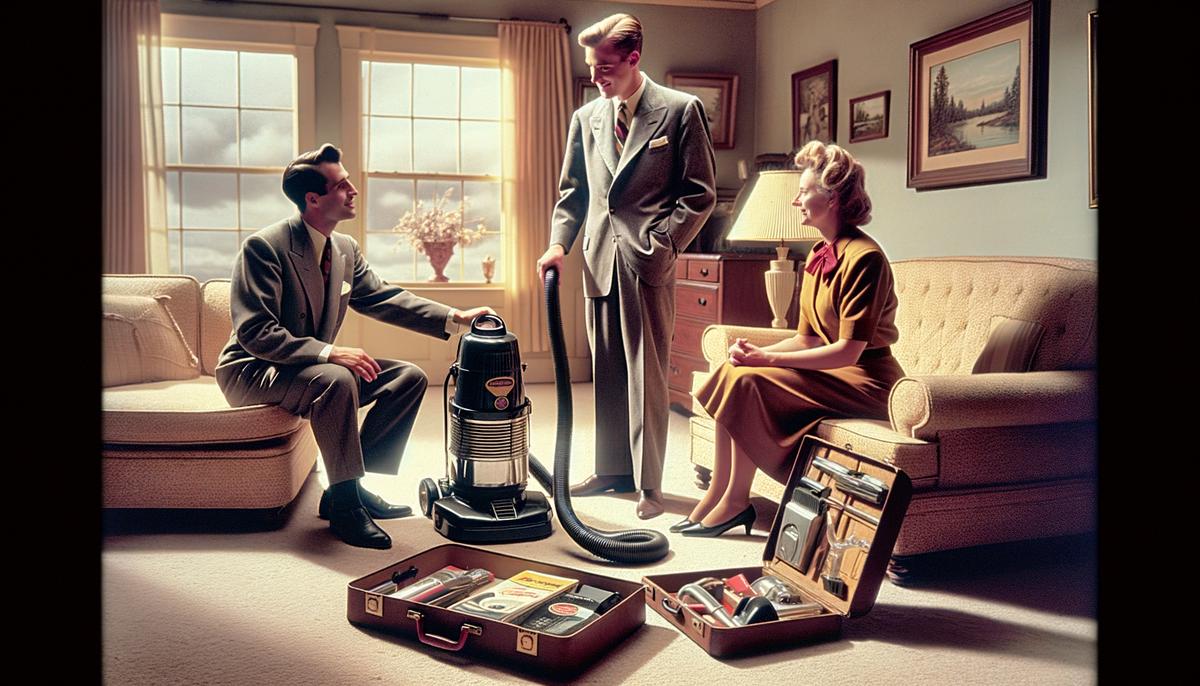
Door-to-door salesmen were the original pop-up ads of the ’50s! These intrepid folks would march up to your door with a suitcase full of wonders, ready to pitch everything from vacuum cleaners to encyclopedias.
Their tools were:
- A winning smile
- Maybe a gimmick or two
- The patience to weather many slammed doors
They’d turn your living room into a stage for product demonstrations, promising to make your life easier or your kids smarter.
Today, you’re more likely to get an Amazon delivery than a salesman at your door. While online shopping is convenient, there’s a charm in remembering those theatrical sales pitches of yesteryear. It’s a reminder that even commerce in the ’50s had its own folksy, personal touch that the internet can’t quite recreate.
6. Mercury in Household Items
Mercury was a common sight in 1950s households. It filled thermometers, mood rings, and barometers, its silvery sheen captivating and mysterious. No one thought twice about a broken thermometer releasing mercury beads across the floor.
Fast forward to today, and you’d get raised eyebrows for having mercury at home. That once-futuristic element now comes with strict safety regulations. It’s almost funny to think we used to keep this hazardous substance on our bathroom shelves!
"While we can look back with amusement at our casual relationship with mercury, it's also a reminder of how far we've come in understanding chemical safety."
Some aspects of the past are best left there, even as we cherish the memories. Here’s to cleaner, safer homes—and thermometers that don’t double as chemical hazards!
7. Massive Unsupervised Play
The 1950s were a time of freedom for kids. After school, we’d head out to play with barely a word to our parents. The neighborhood was our playground – parks, alleys, and even empty lots became the backdrop for our adventures.
We’d organize impromptu baseball games in the street, only pausing for passing cars. Forts made from scrap wood or cardboard boxes were castles during our make-believe battles. Skating on sidewalks and riding hand-me-down bikes, we explored our world with boundless energy.
Sure, there were risks – skinned knees from falls or the occasional dirt clod fight. But the independence we had then is hard to imagine now. No helmets, no hovering parents – just kids being kids until the streetlights came on.
Looking back, those unstructured hours shaped us. We learned to solve problems, make friends, and entertain ourselves without adult input. It wasn’t always safe by today’s standards, but the memories of those carefree days are priceless.
8. Multi-Generational Households
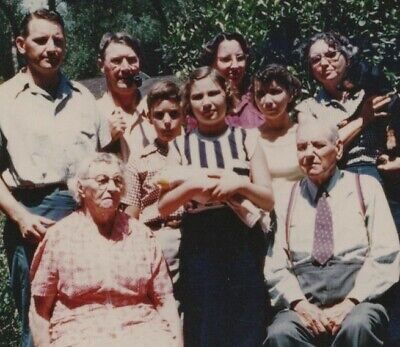
In the 1950s, many homes bustled with multiple generations under one roof. Grandma might be knitting in her rocker while keeping an eye on the grandkids. Mom would be in the kitchen prepping dinner, and Dad might be upstairs listening to the game on his radio after work.
Sharing space meant learning patience, especially with just one bathroom for everyone! But it also fostered a special kind of closeness. Sunday dinners came with a side of wisdom from Grandpa, and family movie nights were cozy affairs with everyone squeezed into the living room.
These arrangements taught us early on about compromise and teamwork. Sure, privacy was sometimes scarce, but the bonds formed were unbeatable. We learned life lessons from our elders and how to get along with different personalities.
Today’s “open-concept” homes have nothing on the original 1950s version – a house full of family, laughter, and love. While times have changed, there’s something to be said for the warmth of having generations together, sharing daily life and making memories.
9. Ashtrays and Lighters as Gifts
Back in the 1950s, smoking was so common that ashtrays and lighters were popular gifts. Kids would make ceramic ashtrays in art class to give to their parents. These handmade creations often ended up proudly displayed on coffee tables.
Lighters weren’t just functional – they were style statements. Giving someone a Zippo was like gifting them a bit of personality to carry in their pocket. The satisfying click of opening a lighter was almost as much a social grace as a firm handshake.
It’s hard to imagine now, but these smoking accessories were once thoughtful presents. They represented a personal touch in daily life. While we’ve moved away from smoking, the sentiment behind these gifts – adding something useful and personal to someone’s home – is still alive and well in how we choose presents today.
"Smoking was incredibly common and acceptable almost everywhere, including on airplanes, in hospitals, and even in schools."
This prevalence of smoking extended to medical professionals and expectant mothers, a practice that would be shocking by today’s standards.1
As we look back on the 1950s, it’s clear that while times have changed, the importance of family, friendship, and simple pleasures remains. Those bygone days left us with lessons and memories that still bring a smile today.