
Let’s hit the open road, baby! In the fabulous fifties, every car was more than just a ride – it was a statement of style, swagger, and pure American cool.
Here’s a look at some classic cars that made their mark on automotive history – both the good and the not-so-good. We’re talking about everything from notorious misfires to pure driving masterpieces.
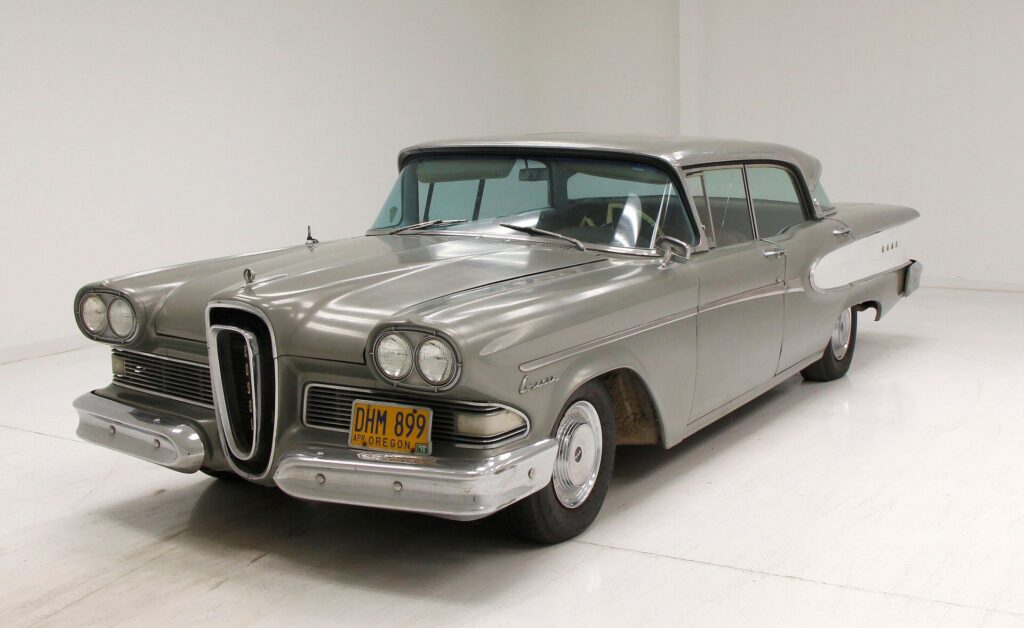
10. 1958 Edsel: The Notorious Flop
The Edsel is often remembered as the quintessential “swing and a miss” in 1950s automotive design. Despite heavy marketing and promises of innovation, its launch fell flat. The infamous “horsecollar” grille left customers more confused than impressed.
Timing also worked against the Edsel. It debuted during an economic recession when people were tightening their belts. Its quirky features and needless baubles seemed out of touch with the market.
In retrospect, the Edsel serves as a lesson in the risks of over-promising and poor market timing. While it’s now viewed with a bemused chuckle, it remains a notable chapter in automotive history.
"The name Edsel has become synonymous with disaster and failure." – Edsel Owners Club
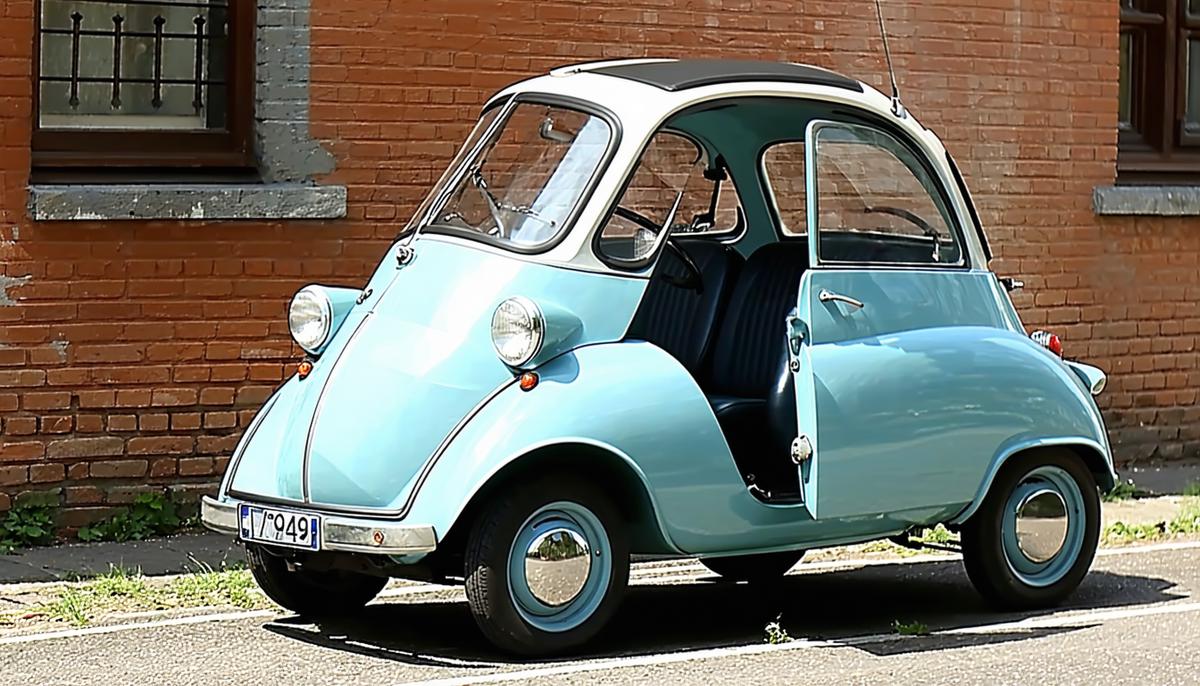
9. 1956 BMW Isetta: The Fun, Quirky Microcar
The 1956 BMW Isetta was a delightful departure from the larger cars of its time. This microcar brought a burst of playful ingenuity to the roads with its unconventional design. Its front-opening door and adorable round headlights made it look like a cartoon car come to life.
Powered by a tiny 12 horsepower engine, the Isetta wasn’t built for speed. Instead, it excelled in efficiency and space-saving, making it popular among European city dwellers in the post-war era.
"The 1955 BMW Isetta 300 was the world's first mass-production 3-Litres/100km car. It was the top-selling single-cylinder car in the world, with 161,728 units sold."
The interior was cozy but cleverly laid out, with just enough room for a driver, a passenger, and a sense of adventure. The Isetta served as a reminder that even in an age of chrome and horsepower, there was joy to be found in a tiny bubble on wheels.
This microcar became a symbol of a changing Europe, where practicality met whimsical design. Its infectious personality still prompts grins among collectors and little-car lovers today, proving that sometimes the smallest packages deliver the biggest smiles.
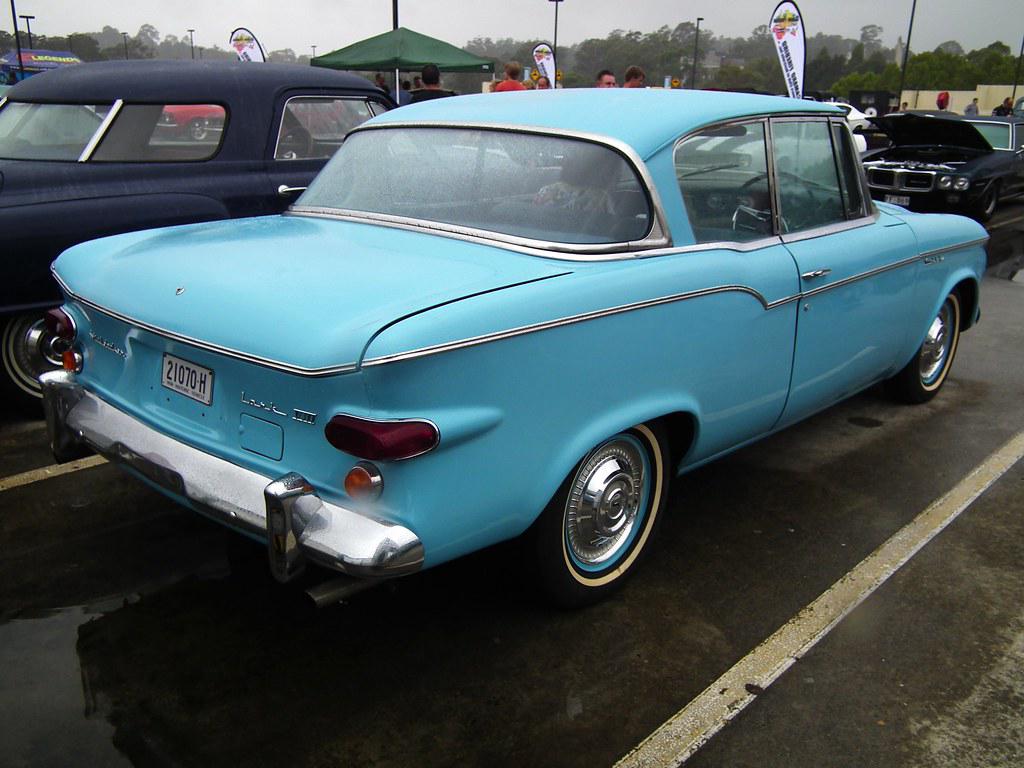
8. 1959 Studebaker Lark: The Budget Savior
The 1959 Studebaker Lark was a breath of fresh practicality in a decade known for opulence. It arrived like a sensible friend who knew how to get things done without the dramatics.
Born out of Studebaker’s financial struggles, the Lark embraced a more modest size and style. It may not have graced magazine covers, but it offered a sensible, reliable choice for families watching their pennies.
The Lark’s understated elegance was its genius. It provided comfort and charm without breaking the bank. Its compact footprint was a blessing in growing urban congestion, while its engine offered enough pep for enjoyable city drives.
Though it lacked the flamboyant flair of its contemporaries, the Studebaker Lark shined in its own right. It gave Studebaker a much-needed lifeline and spoke to folks who just wanted a good, honest car. The Lark reminded us that sometimes, being modestly exceptional is the best kind of triumph.
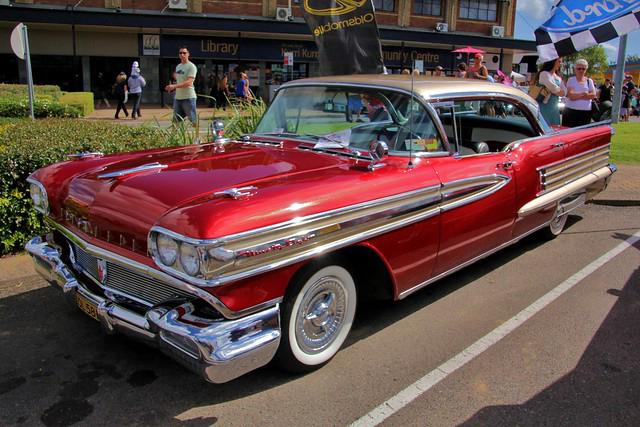
7. 1958 Oldsmobile 98: A Chrome Overload
The 1958 Oldsmobile 98 was the epitome of ’50s extravagance. This gas-guzzling behemoth turned heads with its abundance of chrome accents and flashy two-tone paint job. It was the car to be seen in, perfect for cruising past the diner or making an entrance at the drive-in theater.
Beneath its polished exterior, the Oldsmobile 98 featured a dizzying array of design cues:
- Excessive chrome trim wrapped around the body like a dazzling necklace
- Tailfins that could have doubled as rudders
- A chatty-looking grille
While not everyone’s cup of tea, the 1958 Oldsmobile 98 delivered on swagger. It may have felt more like steering a luxury yacht than a car, but it added a jaw-dropping flair that could only exist in the flamboyant era of post-war optimism.
Despite its outlandish appearance, there’s a certain charm in the Oldsmobile 98’s unabashed celebration of extravagance. It stands as a lovable testament to a time when car design was anything but understated—a chrome-clad relic that still catches the eye of nostalgic automobile enthusiasts.
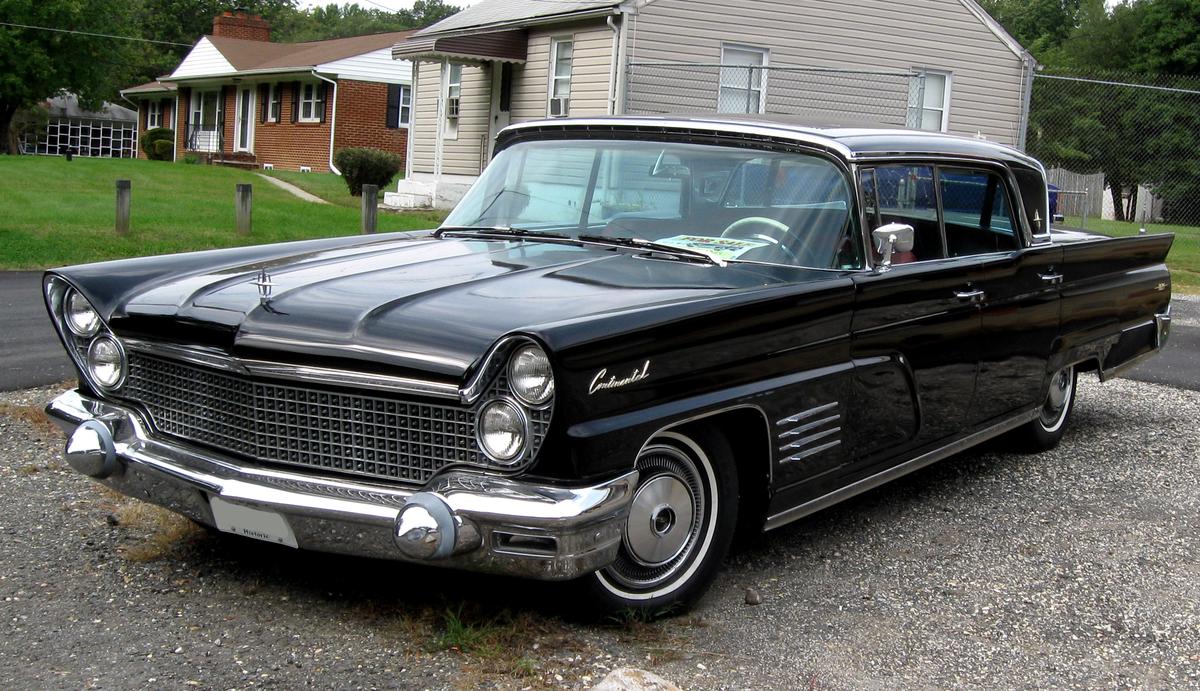
6. 1958 Lincoln Continental: A Goliath of a Car
The 1958 Lincoln Continental was a moving monument to the “bigger is better” philosophy of the late 1950s. This metallic mammoth exemplified post-war indulgence with its sprawling length and extraordinary curb weight.
Maneuvering this behemoth was no small feat. Parking felt more like docking a yacht than parking a car. Yet, there was something undeniably grand about its presence on the road.
The Continental’s design screamed excess, from its towering tailfins to its ornately sculpted bumper. Subtlety wasn’t invited to this party, and the Lincoln didn’t seem to mind one bit.
Under the hood, a potent V8 engine provided power to match its size. The ride was smooth and luxurious, like a living room recliner on wheels.
While it may not have been practical for tight spots or intimate family road trips, the 1958 Lincoln Continental was a sight to behold. It remains a testament to a time when cars were as bold as the dreams of their creators, unapologetically declaring that sometimes, more is indeed just the right amount of more.
5. 1958 Plymouth Belvedere: Finned and Fabulous
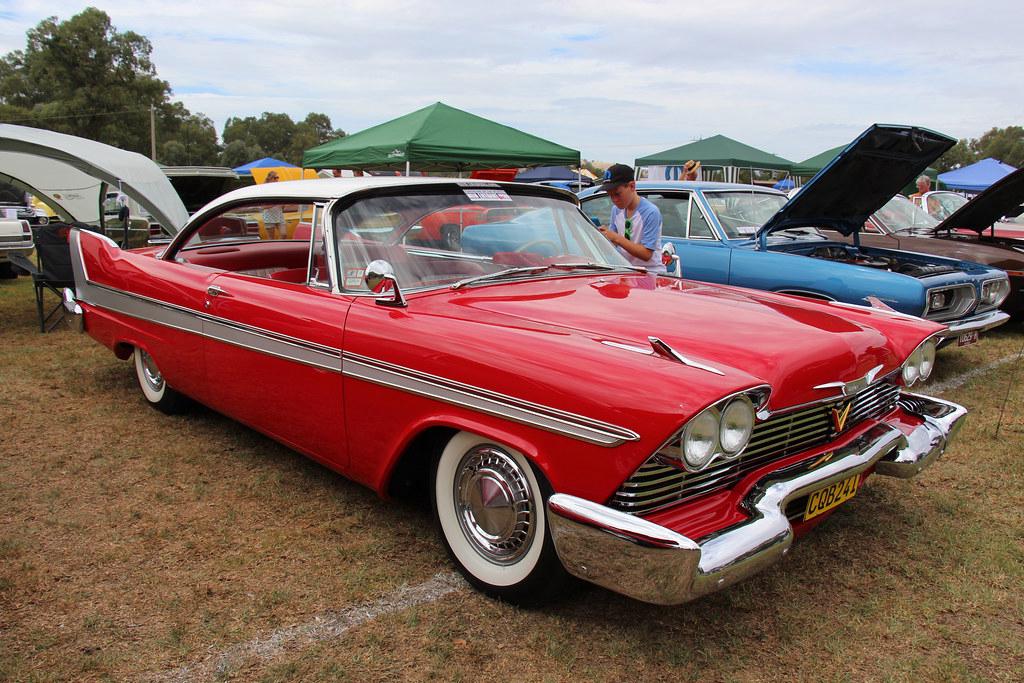
The 1958 Plymouth Belvedere was the epitome of 1950s automotive style. With its unforgettable tailfins and sleek bodylines, it was a rolling declaration of the era’s bold design philosophy.
Imagine cruising along the coastline in this marvel, its fins slicing through the air. The Belvedere wasn’t just a car; it was a statement on wheels. Its “Forward Look” design embraced innovation while wrapping it in an undeniably captivating package.
Under the hood, the Belvedere packed an engine that matched its looks with power and performance. With vibrant colors that seemed to pop off the paint chart, it was like driving a rainbow down the street.
The Belvedere later gained renewed fame through its role in Stephen King’s “Christine,” cementing its place in pop culture. Even without Hollywood’s help, though, this car stood out on its own merits.
Today, the 1958 Plymouth Belvedere remains a cherished icon. It’s a whimsical yet sophisticated reminder of a time when car designs were dreams cast in steel, cruising down the highways and byways of America.
4. 1957 Ford Thunderbird: Quintessential Classic
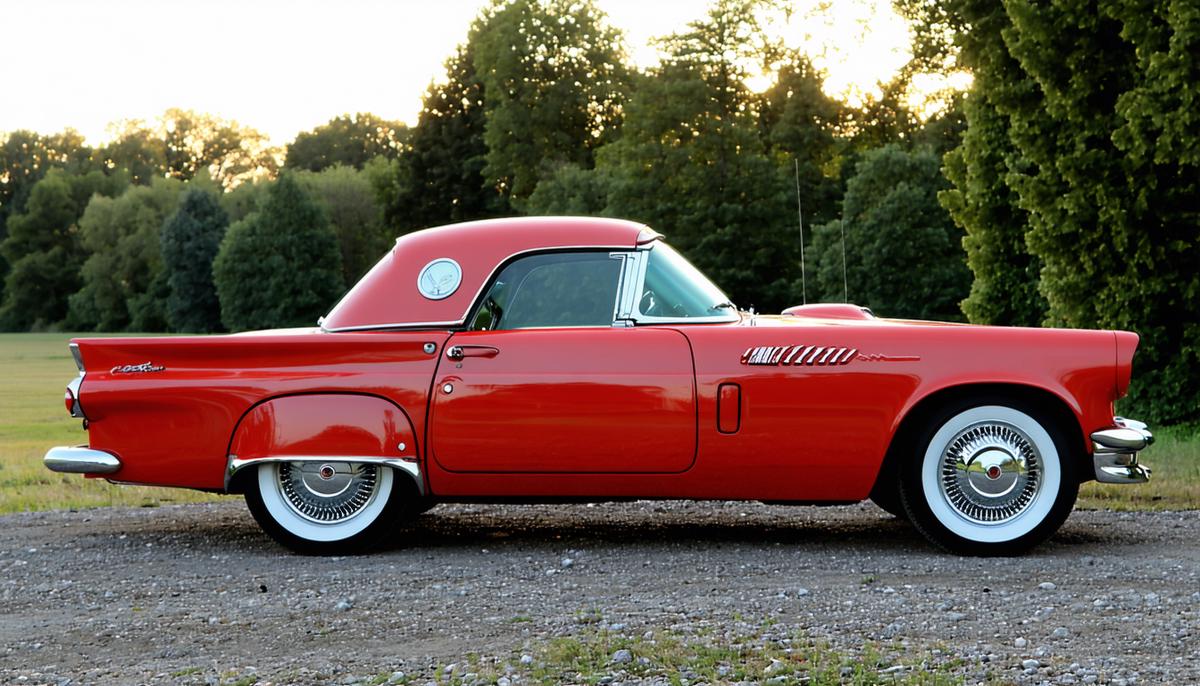
The 1957 Ford Thunderbird was a stylish blend of luxury and sportiness. With its sleek lines and chrome details, it captured the essence of 1950s American automotive design. The two-seat configuration made it perfect for joyrides and impressing dates.
Under the hood, a V8 engine gave the T-bird enough power to leave traffic behind. While not the most practical car, its elegance and performance made it an icon of the era. The Thunderbird’s timeless appeal continues to make enthusiasts smile decades later.
"The Thunderbird is the quintessential 50s classic automobile. It was an instant success upon its release in 1955."
3. 1955 Chevrolet Bel Air: Iconic and Timeless
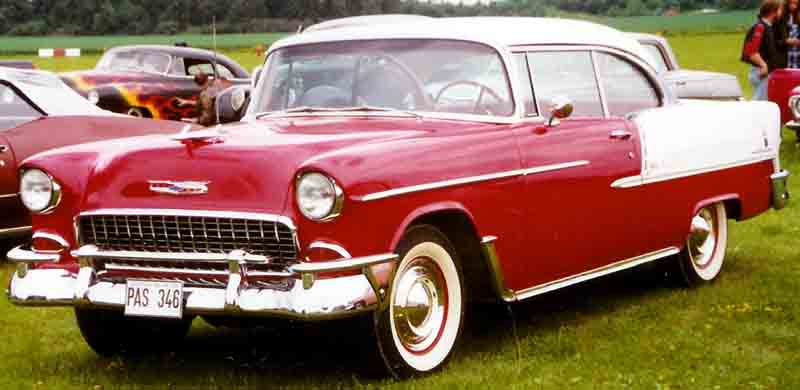
The 1955 Chevrolet Bel Air stood out with its bright chrome details and unique two-tone color schemes. Its bold grille, distinctive tail fins, and wraparound windshield made it a head-turner on suburban streets.
The Bel Air wasn’t just about looks. Its robust V8 engine provided a smooth and confident ride that matched the optimistic spirit of the ’50s. It struck a balance between exuberance and class, avoiding the excess that plagued some of its contemporaries.
Today, the ’55 Bel Air remains a beloved piece of Americana, reminding us of an era when innovation and daring defined the automotive landscape.
- Bold grille and distinctive tail fins
- Unique two-tone color schemes
- Robust V8 engine
- Balanced design between exuberance and class
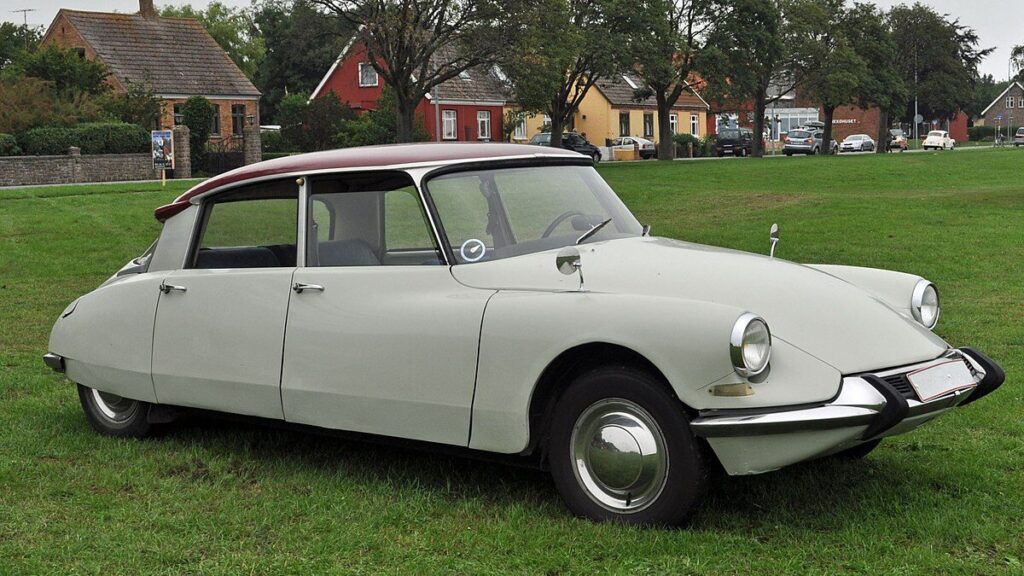
2. 1956 Citroen DS: Ahead of Its Time
The 1956 Citroen DS was a European marvel that looked like it belonged in a sci-fi film. Its aerodynamic silhouette and avant-garde design set it apart from the chrome and fins of its contemporaries.
But the DS wasn’t just about looks. It introduced hydropneumatic suspension, providing a ride quality that felt like gliding on a cloud. The innovative interior featured quirky controls and a spaceship-like dashboard.
While it never achieved mainstream success like some American cars, the Citroen DS’s influence rippled throughout the industry. It demonstrated that the future of automotive design could be sleek, innovative, and beautifully engineered.
- Aerodynamic silhouette
- Avant-garde design
- Hydropneumatic suspension
- Spaceship-like dashboard
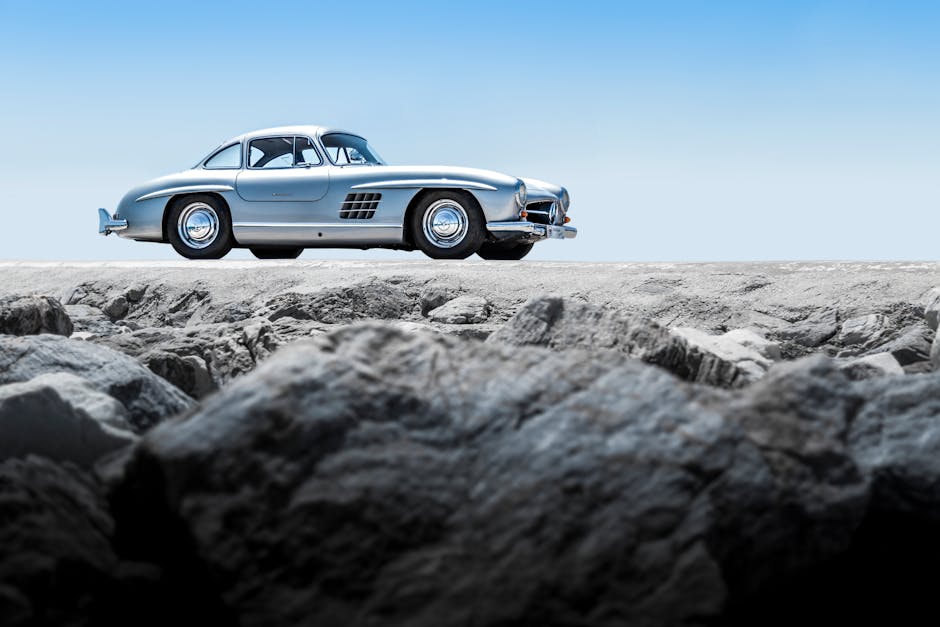
1. 1955 Mercedes-Benz 300SL: A Collector’s Dream
The 1955 Mercedes-Benz 300SL, famous for its gullwing doors, is a dream car for many enthusiasts. It combined stunning looks with impressive performance, featuring the first fuel-injected engine in a production car.
Each curve of the 300SL showcased the finesse of mid-century automobile design. The driving experience was unmatched, making every journey a thrill.
Even today, the 300SL remains a coveted collector’s item. It stands as a testament to an era that celebrated innovation and design, capturing the hearts of car lovers across generations.
"Sports Car International magazine ranked the 300SL as the number 5 sports car of all time."
The 1950s cars were something else! Those fins and shiny hoods weren’t just for show – they packed some serious engineering punch too. It’s cool how these rides still catch our eye today. They remind us that when you go all-in on style and power, you can create something that really sticks with people.
Some of the most iconic models from the decade include:
- The 1957 Ford Thunderbird – the quintessential ’50s classic
- The 1955 Chevrolet Bel Air – perfect example of ’50s styling
- The 1955 Citroen DS – revolutionary design that looked like it came from the future
- The 1959 Cadillac Eldorado – the ultimate expression of tail fins
Of course, not every design was a winner. The 1958 Edsel is infamous for its bizarre front grille design. And let’s not forget oddities like the BMW Isetta “bubble car” with its refrigerator-style front door.
But even the quirky designs reflected the spirit of innovation in the ’50s auto industry. Engineers were pushing boundaries with new V8 engines, fuel injection systems, and aerodynamic styling inspired by the jet age. Those ’50s designers knew how to have fun!
"The 1950s was a decade when styling reigned supreme and cars became rolling works of art."1
Today, ’50s classics are some of the most sought-after collector cars. Their bold designs and chrome-laden exuberance capture the optimism of the post-war boom years. For many, they represent the pinnacle of American car culture and design.