
The Allure of Blue Willow China
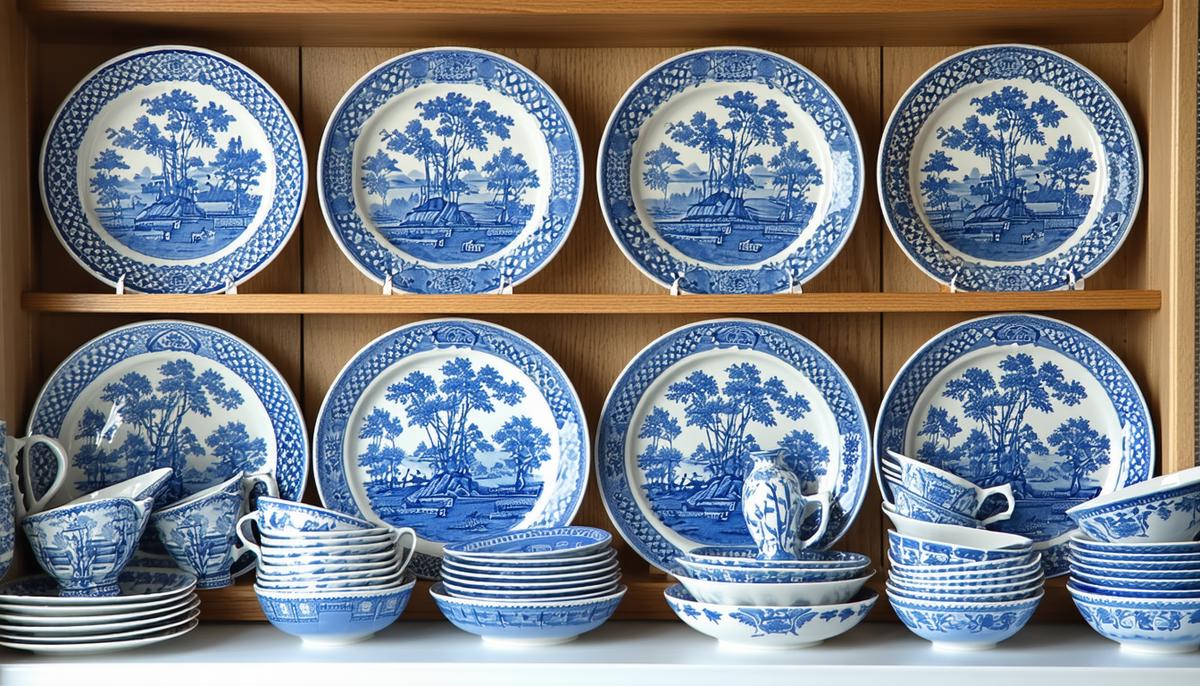
In 1950s homes, Blue Willow china was a prized possession. Picture a kitchen where apple pie scents mingle with the shine of a chrome dinette set. On the shelf, Blue Willow dishes stand out with their blue-and-white design, adding a touch of the exotic to Midwestern kitchens.
These dishes weren't just pretty—they told stories. One look at those plates, and you could imagine tales of far-off lands and star-crossed lovers. Thanks to transferware technology, families could own affordable artistry right at their dinner table.
Blue Willow became a homemaker's badge of honor. Displaying it showed good taste, fitting perfectly with the era's values. Families gathered around tables adorned with these lovely plates, adding a dash of sophistication to everyday meals.
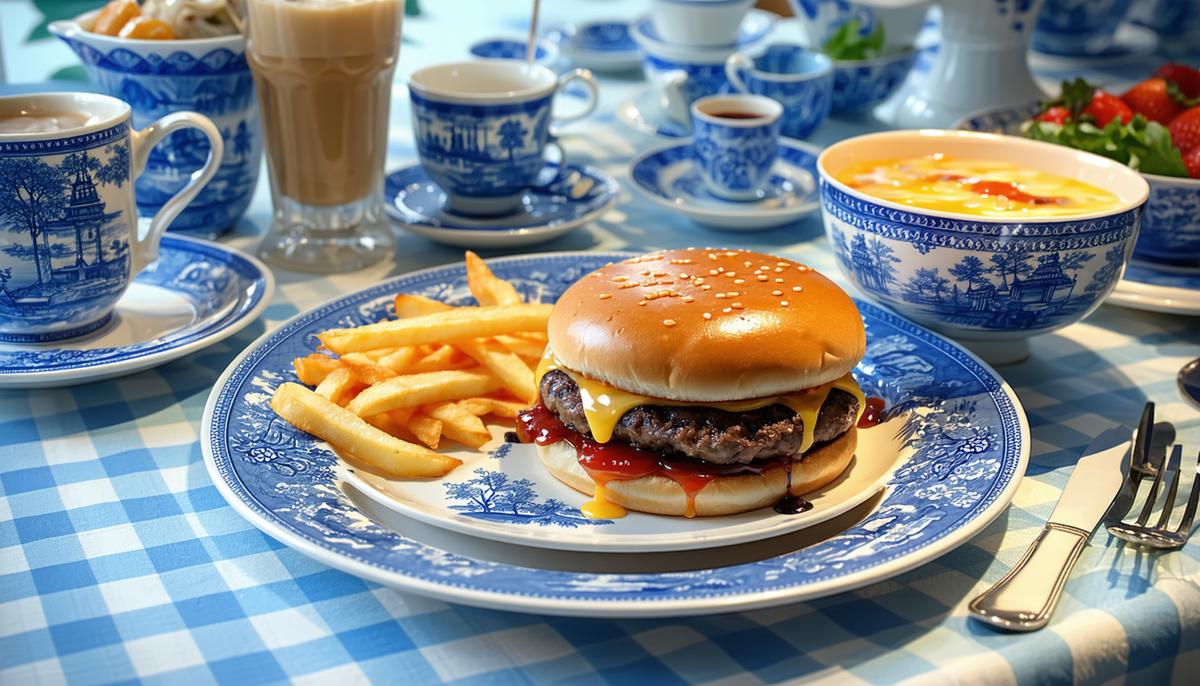
The "Blue Plate Special" in diners used these dishes too, serving up hearty, affordable meals. It was a nice touch, blending classic elements with new experiences.
Collecting Blue Willow was a popular hobby. People treasured these dishes like old friends, displaying them proudly in kitchen hutches or using them for special dinners.
In short, Blue Willow china was more than just tableware; it was part of every '50s household's story. Now it's a symbol of nostalgia, reminding us of a time when stories danced across plates and families came together around the dinner table.
Cultural Impact and Legacy
Blue Willow wasn't just dinnerware; it was a cultural icon of the 1950s. It popped up in popular TV shows like The Andy Griffith Show, adding a homey touch to scenes of small-town life.
The "Blue Plate Special" in diners across America often came served on Blue Willow plates. It was comfort food on comfort dinnerware, embodying the simplicity and reliability people craved in the post-war years.
Blue Willow was part of the American lifestyle, showing up at church socials and backyard barbecues. It was as common as drive-in theaters and sock hops, a proud declaration of American identity with a hint of exotic charm.
Today, collectors cherish these pieces like old photo albums. Each plate or cup holds memories of family dinners and friendly gatherings. Blue Willow wasn't just dinnerware; it was a symbol of an era marked by togetherness and optimism.
Collectors and Popularity Trends
Collecting Blue Willow china in the 1950s was a beloved pastime. Folks would scour antique stores and flea markets, searching for that perfect piece to complete their set. It was affordable enough for most people to enjoy, unlike some fancy china of the time.
The hobby created a sense of community. Collectors would swap stories and tips, forming friendships over their shared interest. It was like an early version of today's online forums, but with more face-to-face chats and home-baked cookies.
Some collected Blue Willow for nostalgia, others for its classic design. The thrill of finding a rare piece at an auction or estate sale was hard to beat. It was as exciting as hearing your favorite song on the jukebox.
Even today, Blue Willow enthusiasts gather at conventions and in online groups. They're not just collecting dishes; they're preserving a piece of history. It's a way to hold onto the warmth and togetherness of a bygone era, one plate at a time.
Fun Facts About Blue Willow China
- The "blue plate special" advertised by diners across the country derives its name from the Blue Willow grill plates used on trains and in restaurants back in the 1920's.
- Blue Willow's popularity has run so high through the years, you can find it on all sorts of home goods, not just china: spice jars, tin canisters, trays, salad servers, tiles, towels, wall paper, toasters, pots and pans, tea kettles, and glassware.
- Willow comes in colors other than blue! You can find it in red (pink), green, mulberry (purple), multi, and even black.
- Passionate Blue Willow collectors call themselves "Willowers." They gather in Hyanisport, MA for their annual conference.
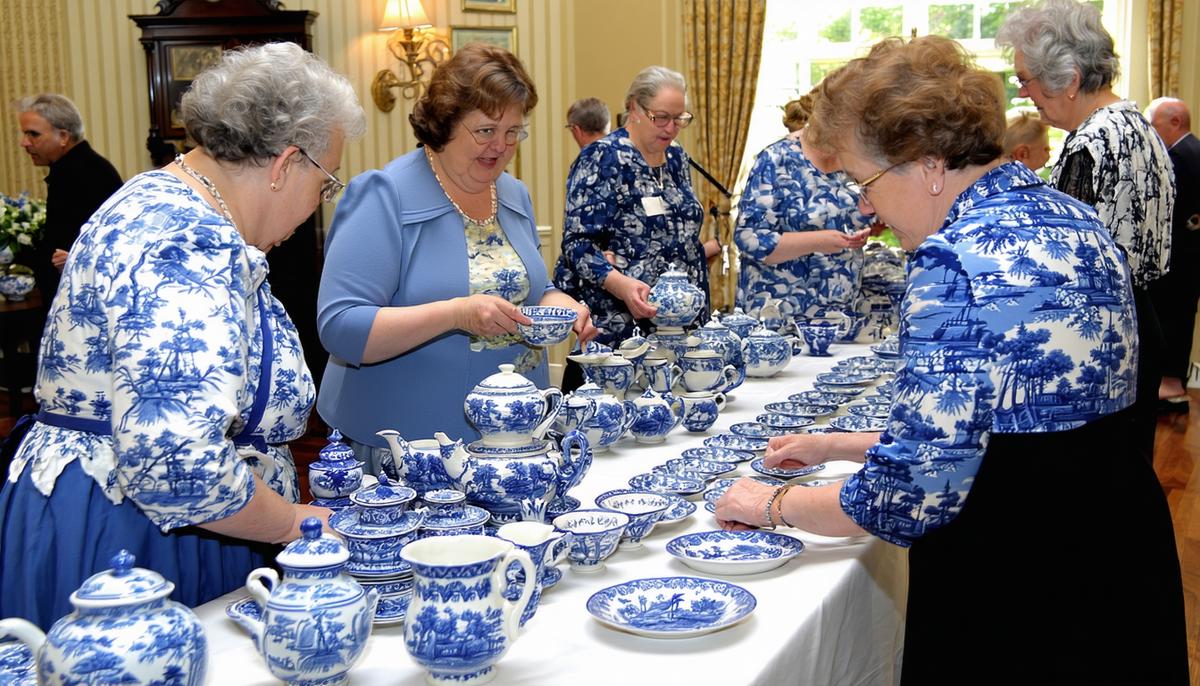
Blue Willow china, with its gentle blue hues and timeless design, serves as a cherished reminder of simpler times. Its presence on countless tables across America tells a story of community and tradition, where every meal was an opportunity to connect. This iconic dinnerware continues to capture hearts, preserving the warmth and unity that defined an era.
- International Willow Collectors. Blue Willow China: A Collector's Guide. 2020.
- Johnson R. The Blue Plate Special: A History of American Diner Culture. Culinary Press; 2018.
- Smith A. Transferware Techniques: From England to America. Ceramic Arts Quarterly. 2019;45(2):78-85.