
Before screens stole our attention and convenience replaced creativity, the 1950s thrived on hands-on ingenuity. It was a time when kids built their own toys, music had soul, and Saturday afternoons were for tinkering—not scrolling. The cigar box guitar was a perfect emblem of that era, a simple yet brilliant creation that let anyone, from wide-eyed kids to blues legends, strum their own melody without a fancy price tag. It was a time when making something with your own two hands meant more than just owning it—it meant truly feeling it. Want to take a trip back to when music was real, and creativity was king?
Origins and 1950s Evolution
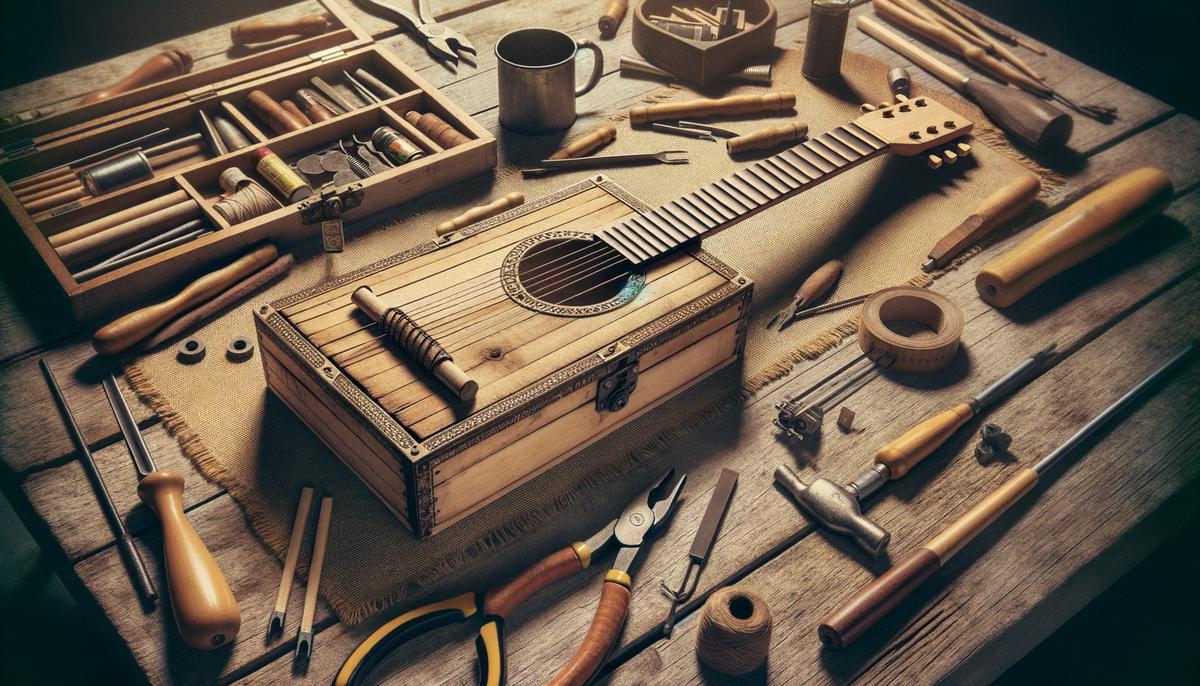
Cigar box guitars have a fascinating history dating back to the 1840s. When cigar boxes got a wooden makeover, clever folks realized they could turn them into playable instruments. These DIY guitars solved a big problem – store-bought instruments were too pricey for most people. With just a cigar box and some wire, almost anyone could make music.
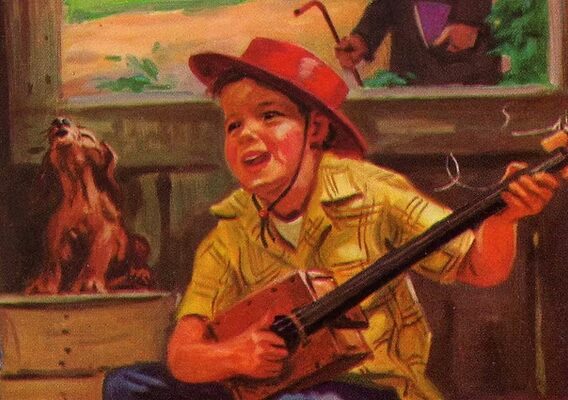
By the 1950s, cigar box guitars found a new life as fun projects for kids. Parents spotted them in quirky magazines, seeing a cheap way to introduce music-making. Picture little Timmy on a lazy Saturday, tongue out in concentration, building his own guitar from a cigar box, stick, and strings. For these young musicians, the joy was in both creating and playing.
Cigar box guitars became a hobby, fitting right in with paint-by-numbers kits and model airplanes. They strummed their way into the playful spirit of 1950s childhood, keeping time with jukebox favorites.
1950s Popularity and Cultural Impact
In post-war America, cigar box guitars symbolized creativity and relaxation. They offered simple joys in a world of new TVs and rock ‘n’ roll. Both kids and adults could make music without breaking the bank on store-bought instruments.
These homemade guitars told stories of resourcefulness and finding beauty in simplicity. In backyards across the country, the air filled with melodies of innovation as kids played their self-made strings.
Cigar box guitars made music more accessible, especially for those drawn to rhythm and blues, jazz, or folk. They fit perfectly with the 1950s spirit of redefining leisure and having fun. Like an afternoon at the drive-in, crafting and playing these guitars became a beloved pastime.
In the grand picture of 1950s culture, the humble cigar box guitar added a note of self-expression while amplifying the optimistic spirit of the era.
DIY Culture Explodes
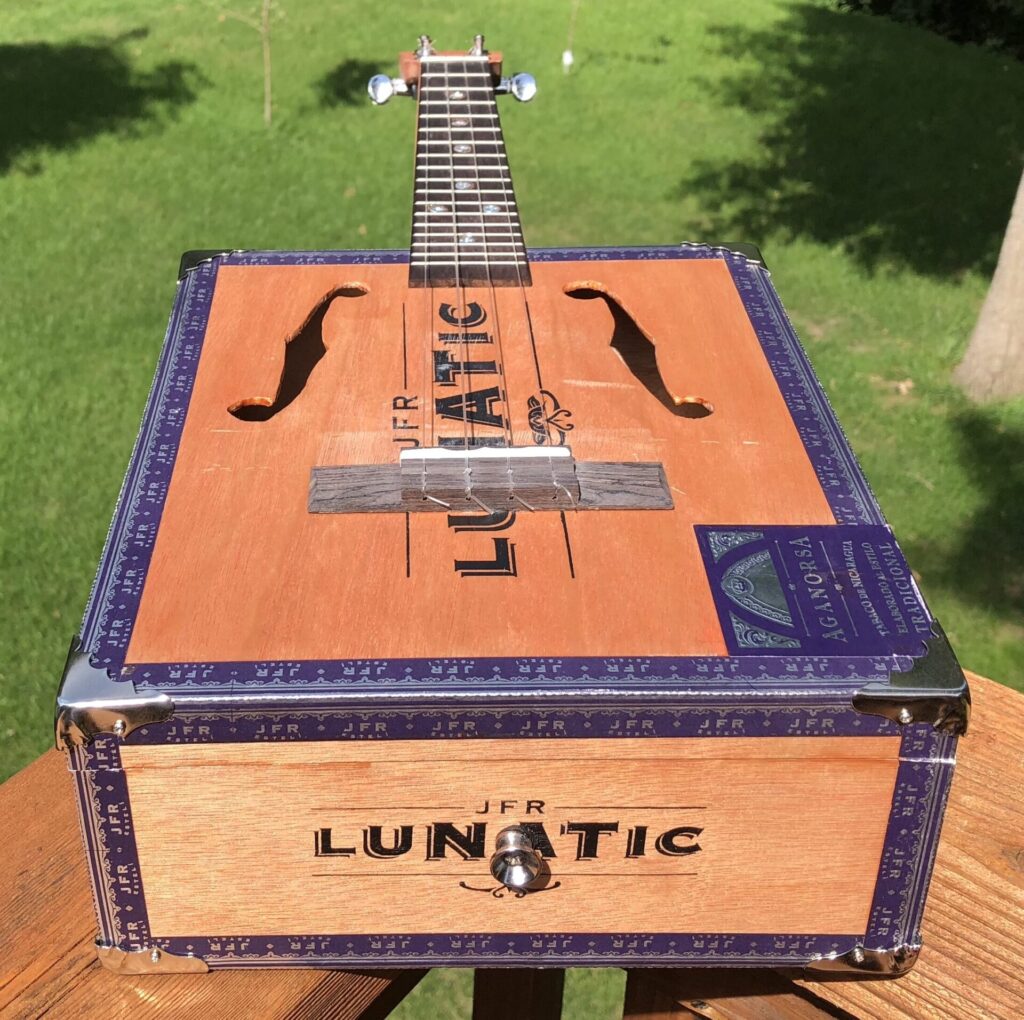
The 1950s saw a DIY boom. From garages to kitchen tables, people rolled up their sleeves and got creative. Magazines, columns, and radio shows shared tips on turning everyday items into something special. Cigar box guitars were a perfect fit for this trend.
These musical wonders showed what was possible with a bit of effort and imagination. Building them became a form of expression, a personal journey into music and craft. Media coverage helped spread the word, proving that good tunes didn’t need a big price tag.
As tools and materials improved, cigar box guitars sounded better than ever. They became powerful symbols of DIY culture, inspiring people to see potential in every corner of their garage. The 1950s DIY craze turned these simple instruments into celebrated icons of inventiveness.
Notable Figures and Stories
A few musicians helped elevate the cigar box guitar beyond a simple project:
- Blind Willie Johnson: Though famous before the 1950s, his soulful slide guitar technique, learned on a cigar box instrument, inspired many to try their hand at building and playing.
- Larry Fine of the Three Stooges: He brought cigar box guitars to the vaudeville stage. His comedic performances showed these instruments could be both fun and musical.
- Seasick Steve: While finding fame later, he developed his love for the raw sound of cigar box guitars in his early years. His rugged style and storytelling helped bring these instruments back into the spotlight.
Let’s not forget the unnamed jazz musicians in smoky clubs, turning cigar box guitars into soulful companions. These everyday heroes kept the instrument’s appeal alive, playing tunes that came straight from the heart.
These musicians, each in their own way, breathed life into cigar box guitars. They showed how scraps of wood and wire could become vehicles for heartfelt stories and timeless melodies.

Cigar box guitars in the 1950s were more than simple instruments. They captured the era’s spirit of optimism and creativity. These humble creations struck a chord with many, leaving a legacy that reminds us how imagination and simplicity can make lasting music.
- Atkinson P. The cigar box guitar: A long-standing cultural artefact. Design History. 2019;32(1):1-22.
- Speal S. The Cigar Box Guitar’s Rightful Place in Music History. CigarBoxNation.com. 2002.
- Beard DC. The American Boy’s Handy Book. New York: Charles Scribner’s Sons; 1890.