
Drive-in theaters have long been a cherished slice of Americana, where the simple joy of watching movies under the stars was accompanied by the distinctive sound of those quirky speaker boxes. These speakers played a key role in shaping the drive-in experience, serving as a bridge between the cinematic world and eager audiences. As we look back at this cultural icon, we find ourselves reminiscing about a time when life seemed a bit more straightforward and filled with wonder.
History of Drive-In Movie Speakers
The magic of drive-ins wasn't just about the big screen; it was also in the sounds coming from those little speaker boxes on car windows. They started as simple contraptions, almost like whispers of the characters on screen.
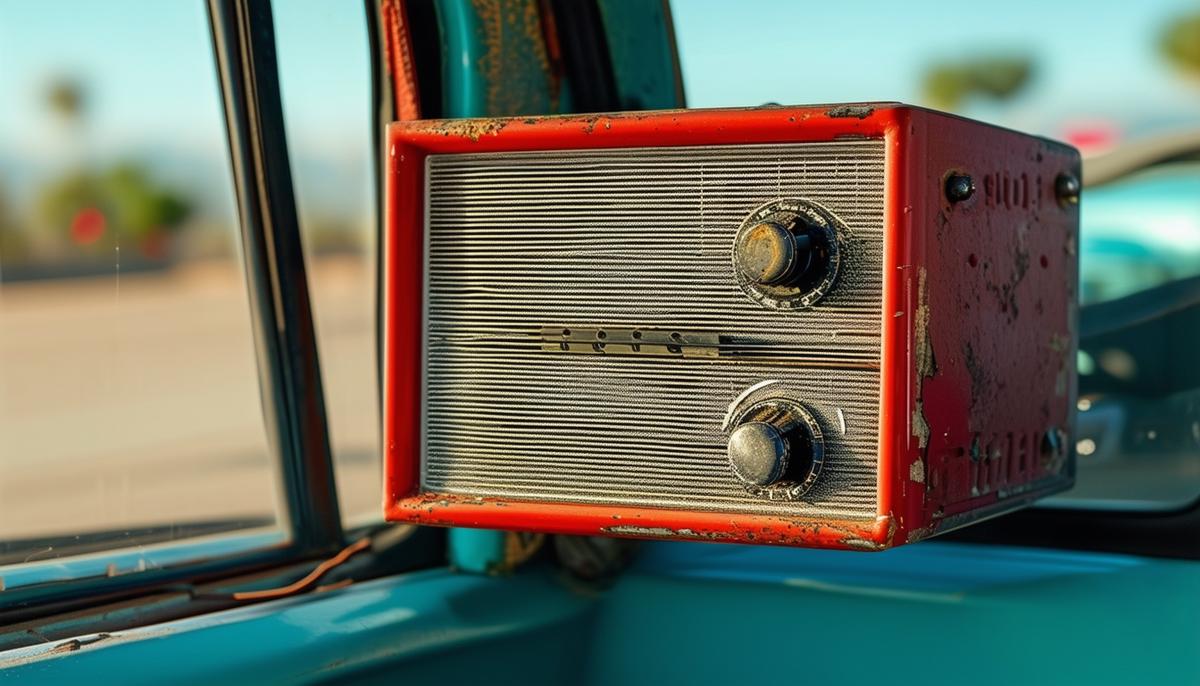
Drive-ins really found their voice when in-car audio was introduced in 1941. These little speaker boxes hung on car windows, bringing the movie's sound directly to the audience.
As technology advanced, cars started coming equipped with FM radios. Folks could now tune into the drive-in's sound with a twist of the knob on their car radios. It was smooth as a milkshake, opening up a whole new world of audio experience.
Setting up these sound boxes was no easy task. Inside each box was a transformer, working to match the audio flow from amp to speaker. Electricians had their work cut out for them, testing and tweaking to get the sound just right.
Even as new technology took over, some theaters kept a stash of vintage speakers, preserving that old-school magic. Drive-in theaters are still around today, offering sound with more clarity through modern audio systems. But there's still something special about those vintage sound boxes, reminding us of summer nights under the stars.
Nostalgia and Cultural Impact
Picture the scene: engines idling, kids laughing, and families munching on hot dogs as the sun sets. Those drive-in movie speakers were the secret sauce that made the magic happen.
Drive-in speakers quickly became icons of the booming post-war era. They were a sign of the times – freedom, innovation, and the American dream. The drive-in wasn't just a place to watch movies; it was where teen romances bloomed and families enjoyed affordable entertainment.
These speakers were like old friends. You'd hang that little box on your window, and it would start bringing the movie to life. Each hum and buzz felt unique, adding to the charm of the experience.
Why do they still twinkle in our memories? Maybe it's because they hold stories – from first kisses to family laughter. There's something heartwarming about the simplicity of the past, those little victories of technology that felt so big at the time.
Even today, people flock to the few remaining drive-ins, indulging in that yearning for a simpler time. There's joy in showing new generations these troves of memory. Amidst all the digital prowess today, there's still magic in flipping open a rusty speaker box – it's like a time machine to when life was more laid-back.
While FM stations and Bluetooth modernize the drive-in experience, those old speakers remain a symbol of the era – a reminder of when life glowed like Technicolor magic, one drive-in speaker at a time.
Modern Drive-In Experience
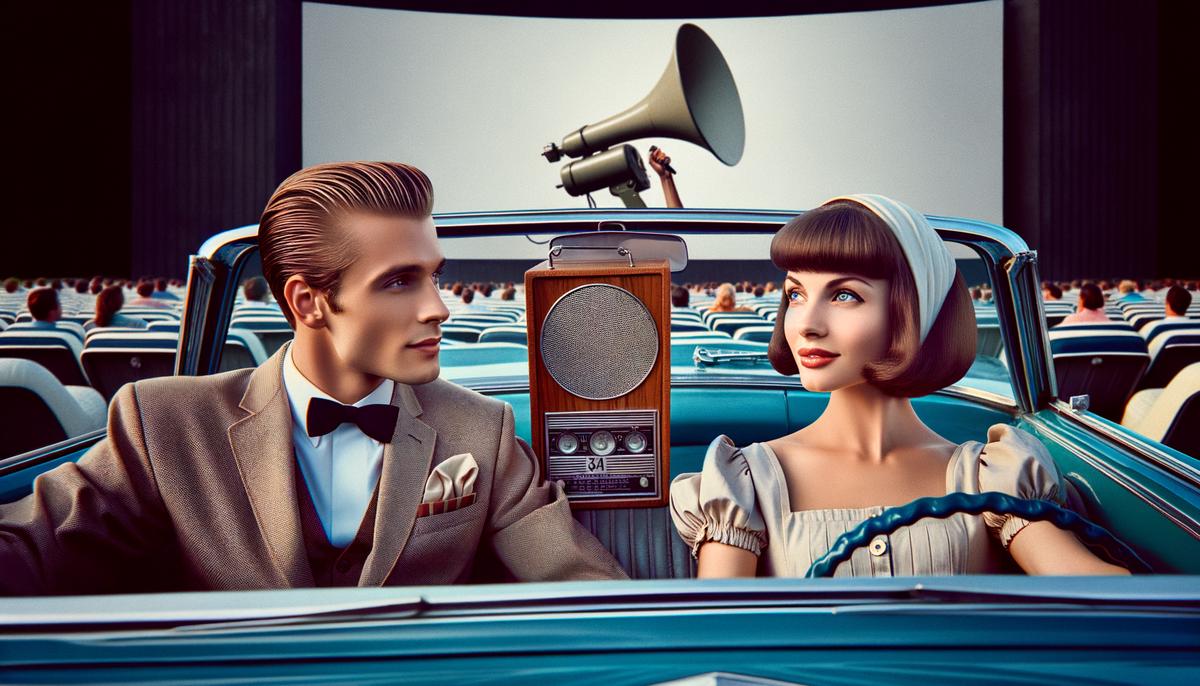
Today's drive-in experience has had a bit of a tune-up. Modern drive-ins have swapped the old speaker boxes for FM radio transmission. With a simple twist of a knob, the audio streams directly into your car's sound system. You're now in command of your cinematic soundscape, turning every car into a personal theater.
This change wasn't just about clearer sound; it was about survival. Drive-in operators had to get creative to keep up with changing technology and viewing habits. FM radio transmission made sense – it was user-friendly and less prone to the squawks and buzzes of the old speakers.
It's not just the sound that's changed. Old film projectors have been replaced by digital ones, beaming crisp images onto big screens. This switch allows drive-ins to show new releases as well as old favorites.
The transition wasn't always easy. Switching to digital was expensive for many small drive-ins. But by embracing change, these retro outposts have carved out their own niche.
Drive-ins have also adapted in other ways. They now offer:
- Online ticketing
- Apps for concessions
- Themed event nights
- Live concerts
- Camping nights with movie marathons
They've become more than just places to watch movies – they're now sanctuaries of nostalgia-fueled fun and innovation.
In doing so, they've kept their loyal fans and attracted new ones. Drive-ins continue to offer something unique – a collective experience under the stars where movie magic mixes with real-life memories.
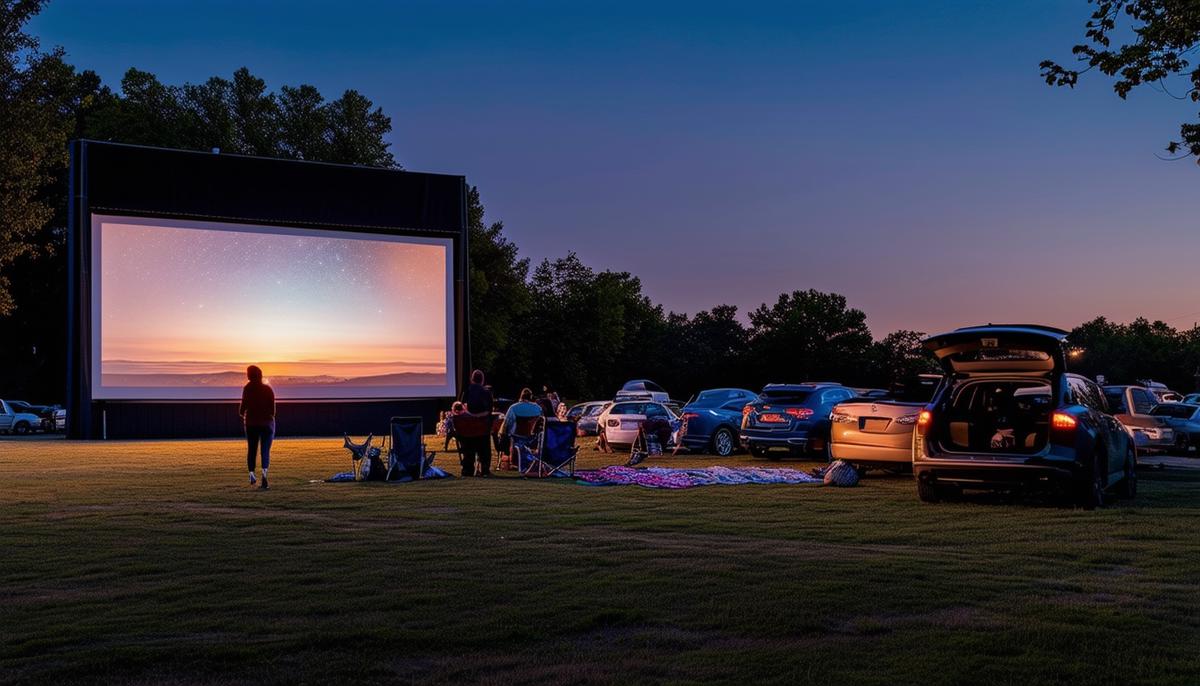
While technology has changed the drive-in experience, the charm of those vintage speaker boxes remains a symbol of the past. They remind us of summer nights filled with laughter and stories, when movies were more than just entertainment – they were a shared adventure. In remembering this, we hold onto the magic that made drive-ins an unforgettable part of our cultural history.
- Coleman C. No one had thought of drive-in movies for years. Now Chicagoans are bringing their families or the people they shelter with in by the car full, longing for a shared experience from the past. Think Happy Days. Facets film program director.
- Hollingshead R. The first patented drive-in on June 6, 1933, in New Jersey. New Jersey; 1933.
- DeVries Friend P. The Star Drive-In Theatre in Montrose recently opened for its 75th season. Montrose, CO; 2023.
- Anderson M. Basin Drive-In. Mt. Pleasant, UT; 2023.
- Coleman B. Coleman's Motor-Vu Drive-In. Riverdale, UT; 2023.