
Ed Sullivan ran his stage like a tight ship – until rock ‘n’ roll came crashing in. He had a vision of what belonged on primetime, and woe to the performer who stepped out of line. But some artists weren’t about to play by his rules. One night in 1958, a bespectacled rock star took a stand against Sullivan’s control. What happened next became one of the most uncomfortable – and legendary – moments in television history.
Ed Sullivan’s Love-Hate Relationship with His Guests
Ed Sullivan, a staple of American television, had his share of bumpy rides hosting his famous variety show. He demanded everything go his way, leading to rocky moments with guests. Among these was Buddy Holly, known for rock and roll hits that excited teens. Despite his rising fame, Holly clashed with Sullivan, who disliked his edgy style and lively performances.
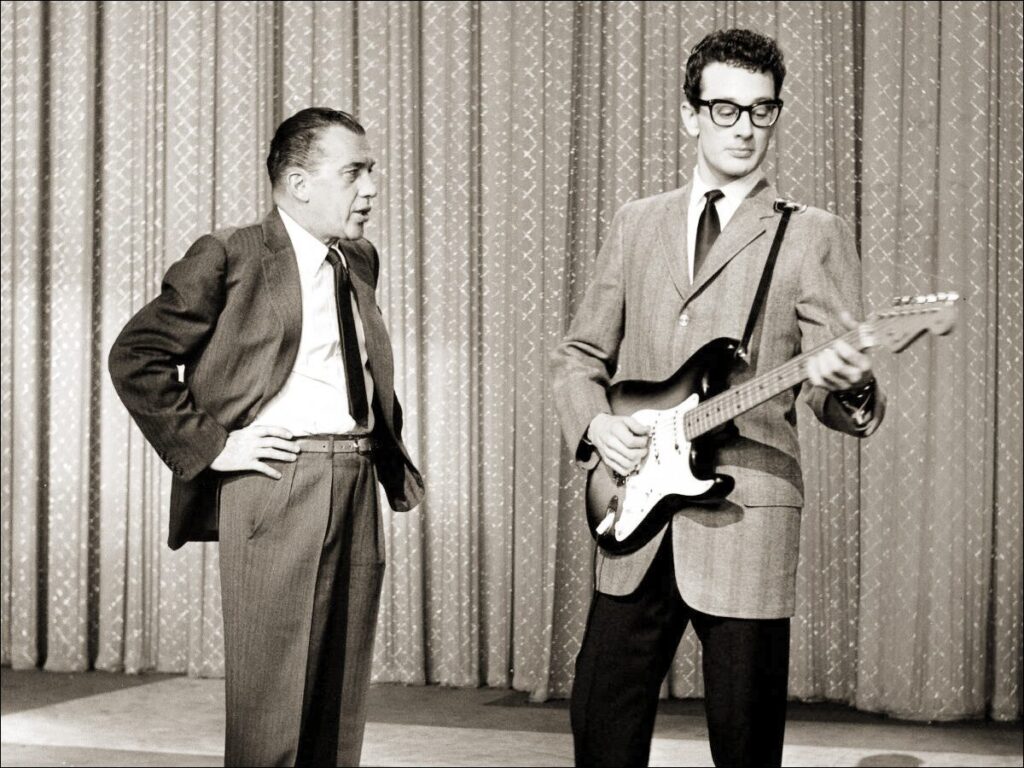
When Holly and his band, the Crickets, returned to the show in January 1958, they planned to sing “Oh Boy!” Sullivan thought the song was too much for his audience and asked them to change it. Holly insisted he had told his Texas friends this was the tune they’d play, standing firm against the stern host.
Tension simmered beneath the surface. During rehearsals, Sullivan noticed the Crickets’ absence and questioned Holly. Holly responded coolly, irking Sullivan, who cut their performance to one song and even sabotaged Holly’s guitar sound by pulling the mic line before the live broadcast.
Sullivan’s rigid control extended beyond Holly. The show was known for conflicts with performers like Elvis Presley and the Doors. Despite their popularity, they faced Sullivan’s unyielding approach to managing his stage. Elvis made headlines for his hip-shaking performances, while the Doors were banned after refusing to change their lyrics on live television.
For some, like Jim Morrison of the Doors, following Sullivan’s rules wasn’t an option. The result was often a quick exit without a return invitation. These episodes showed Sullivan as someone unafraid to challenge even future legends.
A Rock Star, A Host, and a Showdown on Live TV
The tension was palpable during Buddy Holly’s second appearance on The Ed Sullivan Show. When Sullivan asked Holly to tone down the energy of “Oh Boy!” because it was too lively for the conservative 1950s TV audience, Holly refused. Picture this young musician, in his signature glasses and unshakeable cool, resisting Sullivan’s request with charm that turned defiance into a defining moment.
Holly was a sensation who knew his audience and intended to deliver the exuberant energy they craved. His firm stand quickly became legendary; it wasn’t just about a song anymore. It was a clash between a rapidly-changing music scene and a host whose standards often wavered between groundbreaking and outdated.
The impact of that night on both Holly’s career and the long-standing tradition of The Ed Sullivan Show was significant. Holly might have annoyed Sullivan enough to have his single-song set turned into a silent act when his guitar mic was cut, but this confrontation only added depth to his rising star. Holly stirred things up and did what many performers of the era wouldn’t dare: he stood his ground against the imposing Ed Sullivan.
While some might view Sullivan’s clashes with creativity as setbacks, Holly emerged with his reputation intact, further established as a daring figure in rock. His refusal of Sullivan’s invite for a third performance was a bold move, echoing the spirited nature of the 1950s rock scene that resisted traditionalism.
How Sullivan’s Censorhsip Created Rock ‘n’ Roll Rebels
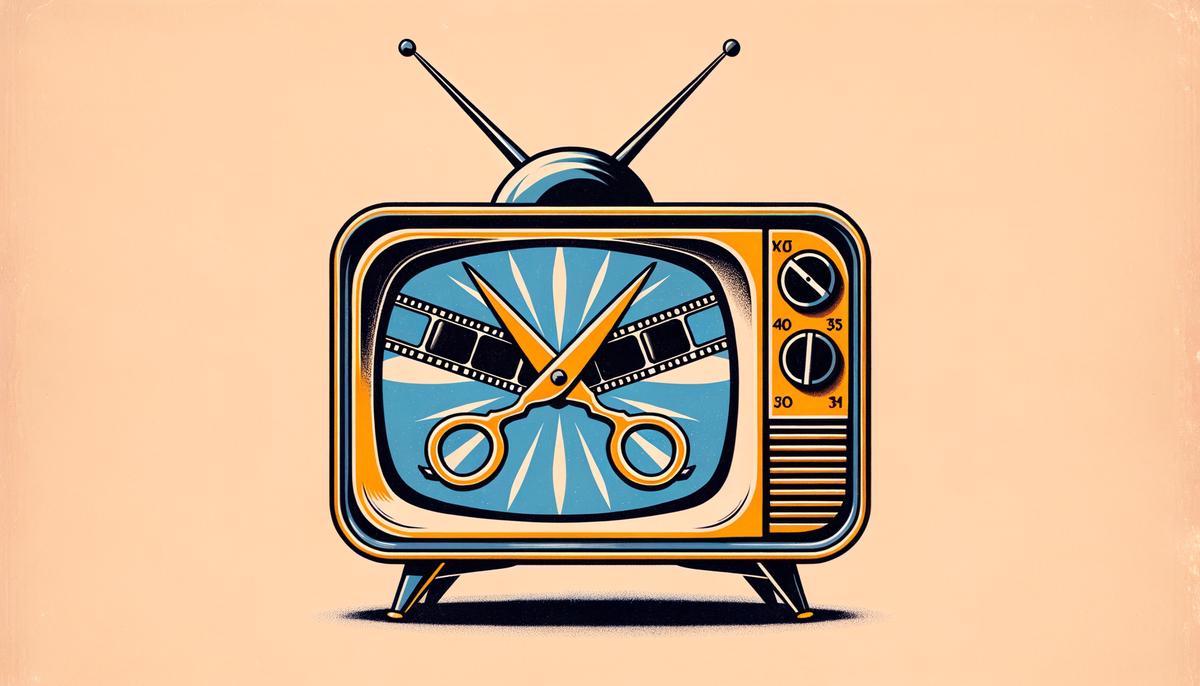
Ed Sullivan’s censorship attempts significantly influenced both the program and the bold performers who graced its stage. By trying to shape performances, Sullivan unintentionally presented artists with interesting challenges, each ready to be tackled creatively.
The rebellious spirits who stood up to Sullivan’s firm hand saw notable impacts. For performers like Buddy Holly, resisting Sullivan’s control didn’t just show personal conviction—it boosted their image. It helped shape them into icons of creative freedom and defiance, traits that soon became synonymous with rock ‘n’ roll’s growing identity.
While Sullivan’s motives often aimed to preserve the sensibilities of the 1950s viewing audience, his strict stance paradoxically provided a backdrop against which stars could shine even brighter by refusing to conform. When Jim Morrison of The Doors chose to keep his original lyrics rather than following a censorship request, it not only sparked necessary conversations about creativity and restraint but renewed interest in his band.
For those who clashed with Sullivan, the challenges of such confrontations didn’t close doors but instead opened new opportunities. The increased visibility, although sometimes contentious, gave these artists chances to redefine themselves, reaching acclaim that extended well beyond the television screen.
In the end, while Sullivan likely intended to maintain decorum in a rapidly changing cultural landscape, his censorship attempts gave artists a platform to reinforce their authenticity and resilience. That duality set the stage for the cultural revolution of the 1960s, as it highlighted the emergence of a rebellious, free-spirited musical artist archetype whose influence continues into the present day.
Sullivan’s Reputation and Legacy
As we reminisce about Ed Sullivan’s reign on television, his distinctive hosting approach left an enduring mark on his legacy. Firm, yet curiously vulnerable, Sullivan strictly maintained his preferred standards on The Ed Sullivan Show. This insistence on following his rules significantly shaped his reputation, making him one of the most discussed figures of mid-century television.
Sullivan was a man of contrasts. His show provided a dazzling platform for new talent, turning unknown performers into household names. His ability to spot fresh, interesting acts was unmatched, and through his lens, America fell in love with a diverse array of talent. Yet, Sullivan’s stringent methods often put him at odds with the very guests whose star power he recognized.
Buddy Holly’s clash with Sullivan exemplifies Sullivan’s overarching influence. Rather than smoothly fitting into the television host’s ordered world, artists like Holly asserted their independence against his restrictions. The friction between Sullivan’s traditionalism and the growing spirit of rock ‘n’ roll wasn’t just an occasional highlight—it was practically a hallmark of the show.
For many, Sullivan’s legacy is cemented in these very clashes, positioning him as a key player in the story of American music and television. His contributions extend beyond providing a stage; he created an environment where cultural boundaries were drawn and crossed, albeit after some struggle. By steadfastly adhering to his principles, Sullivan inadvertently set the stage for a rebellious creativity that came to define an era.
In retrospect, Ed Sullivan’s reputation is a blend of nostalgia, admiration, and critique. While some remember him as the stern gatekeeper of televised content, others fondly recall the dynamic energy his managerial style brought to the entertainment industry. His legacy isn’t merely that of a host with an impressive roster but of a man who sparked some of the most iconic moments in television history through his dedication to what he saw as proper behavior.
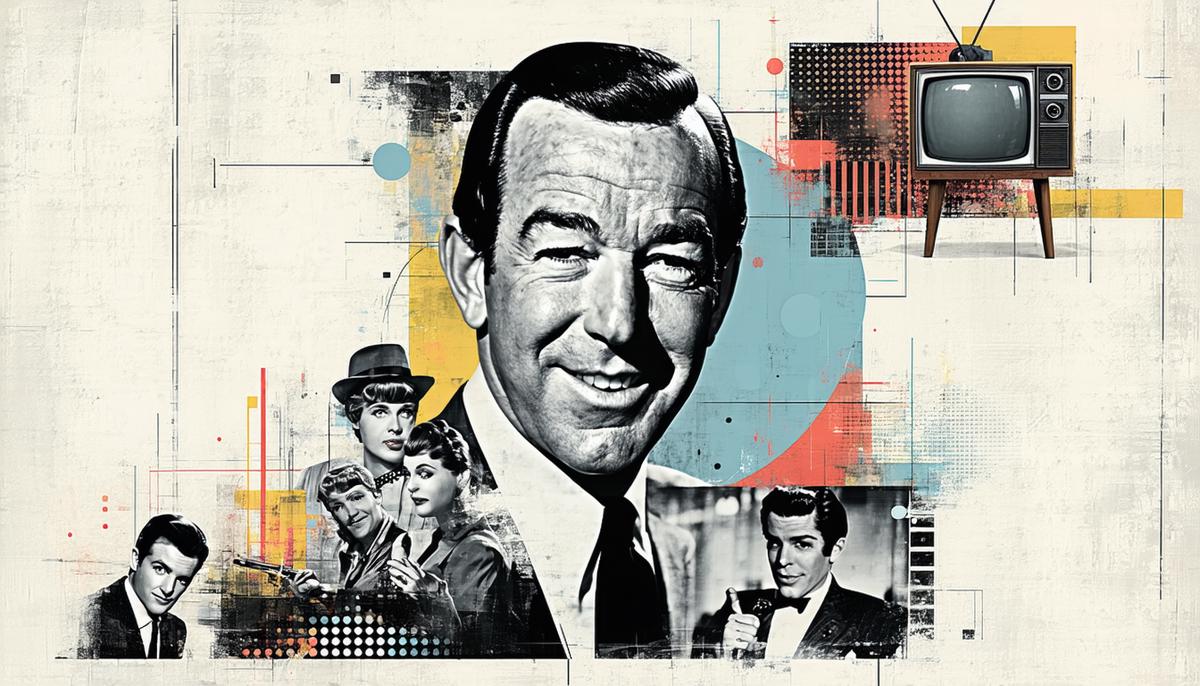
Ed Sullivan’s legacy is etched in television history, not just as a host but as a catalyst for change. His insistence on decorum and control unintentionally encouraged artistic rebellion, allowing stars to shine even brighter against his constraints. This dynamic tension between tradition and innovation remains a defining feature of his era, leaving a lasting impact on both music and culture.
- TIME Magazine. 80 Days That Changed the World.
- The Ed Sullivan Show website.
- WROR. Buddy Holly on The Ed Sullivan Show.
- The Vintage News. Buddy Holly’s Clash with Ed Sullivan.
- Texas Monthly. Buddy Holly’s Final Ed Sullivan Show Appearance.
- History. Elvis Presley’s Debut on The Ed Sullivan Show.