
Picture the 1950s—a time when music and culture were flourishing. Amidst this vibrant backdrop, a young Elvis Presley emerged, capturing hearts with his charm and talent. From humble beginnings to stardom, his journey exemplifies the magic of an era that still resonates today.
1. Early Life and First Guitar
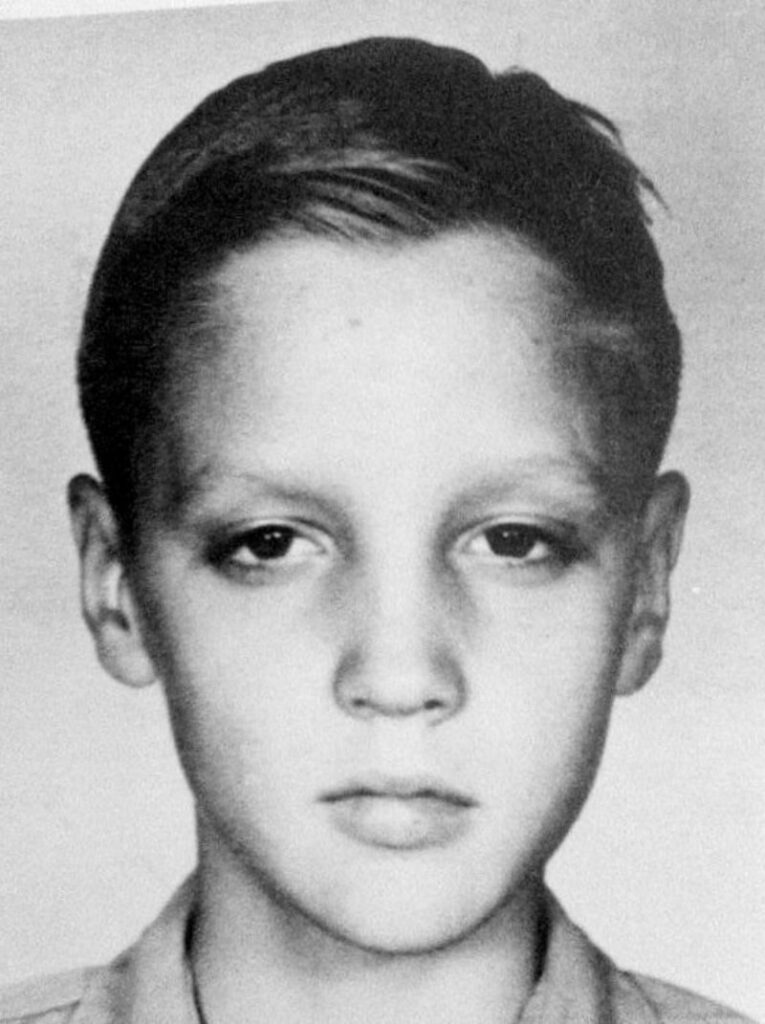
Elvis Presley, born on January 8, 1935, grew up in a tiny shotgun shack in Tupelo, Mississippi. Surrounded by gospel, country, and blues, his musical journey began on his 11th birthday in 1946 when his mom, Gladys, gave him his first guitar. Though he might’ve wanted a rifle, that little guitar set him on a path to fame.
That guitar wasn’t just an instrument; it was the start of something big. It led to his early musical triumph at a high school talent show. Who would’ve thought back then that this shy boy from Mississippi would soon be conquering stages worldwide? You can almost hear him drawl, “Thank ya, thank ya very much,” even as a teenager.
2. First Demo Record
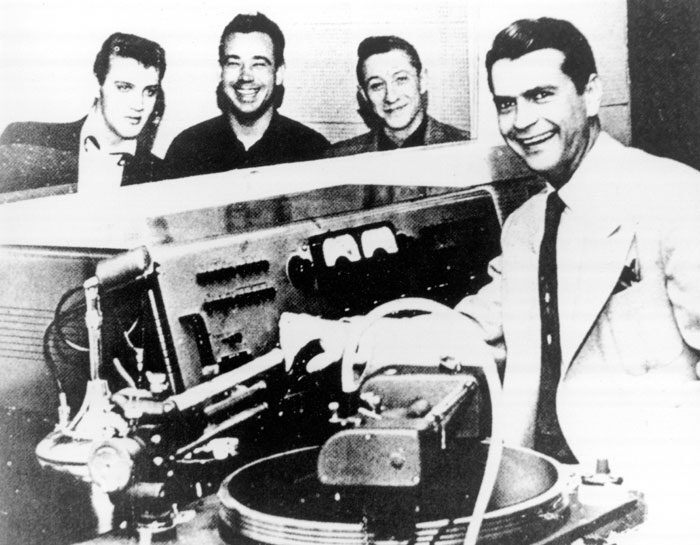
In 1953, fresh out of high school and juggling odd jobs, Elvis took his first bold step into the unknown. He headed to Sun Studio to cut a demo for his mama. At that time, neither he nor the folks at the studio could’ve guessed the musical revolution that was about to unfold.
This initial recording session served as the cornerstone of his career. It’s almost funny: a young man from Memphis, trying his luck, unknowingly scripting music history. Can you imagine the sense of innocent curiosity he must have felt, while being completely unaware of the legend he would become?
3. Breakthrough with Sun Studio
In 1954, a 19-year-old Elvis launched into an impromptu jam session at Sun Studio, resulting in his breakthrough track, “That’s All Right.” It wasn’t just a song; it was the spark that lit the fire of rock ‘n’ roll.
After the track hit the airwaves, listeners everywhere were buzzing. Radio personality Dewey Phillips played “That’s All Right” non-stop, making it an overnight sensation.
Elvis was suddenly more than just a hopeful 19-year-old from Memphis; he was on his way to becoming an icon. And it all started there at Sun Studio, with a burst of rhythm and a heap of charisma.
4. Signing with RCA Records
In 1955, Colonel Tom Parker orchestrated Elvis’s move to RCA Records. This wasn’t just any record label; it was the big leagues, the kind of place that could turn a budding legend into a household name.
For Elvis, it meant:
- An expanded reach
- Larger-than-life recording sessions
- State-of-the-art studios
RCA was the rocket fuel his career needed, catapulting the kid from Tupelo straight into the heart of American pop culture.
This was when the hits started rolling in—a mix of rock, blues, and country all shaken together, topped with a Presley twist. At RCA, Elvis wasn’t just making music; he was setting the soundtrack for a generation.
5. First No. 1 Single and Album
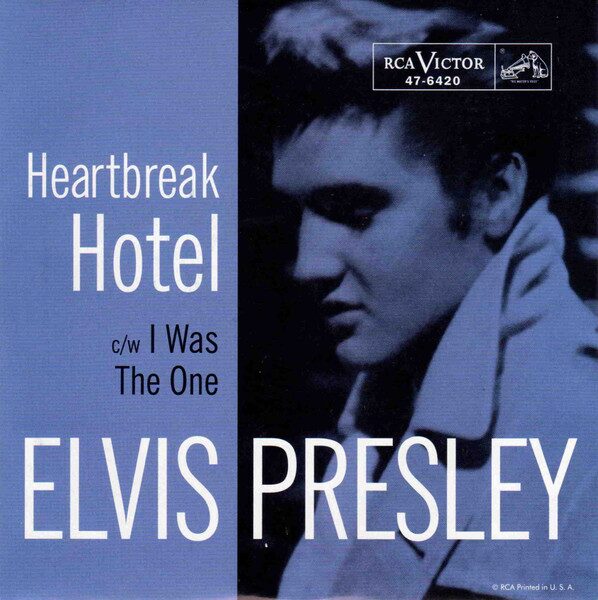
In 1956, Elvis scored his first No. 1 single, “Heartbreak Hotel.” The song captured the essence of heartache with every drawl, leaving fans swooning. When it hit the charts, Elvis was no longer just a promising young talent but a certified sensation.
Alongside this success came his debut No. 1 album, “Elvis Presley.” This record showcased his range, blending rockabilly beats and heartfelt ballads. Fans crowded around record players, mesmerized by this young man’s alluring charm.
Elvis didn’t just earn No. 1 hits; he shaped a cultural moment. It was the dawn of a new era, where every croon and strum nudged rock ‘n’ roll a little closer to royalty.
6. Television Success
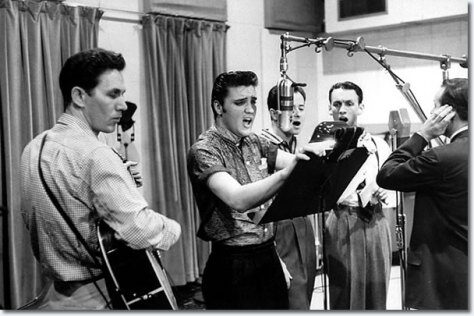
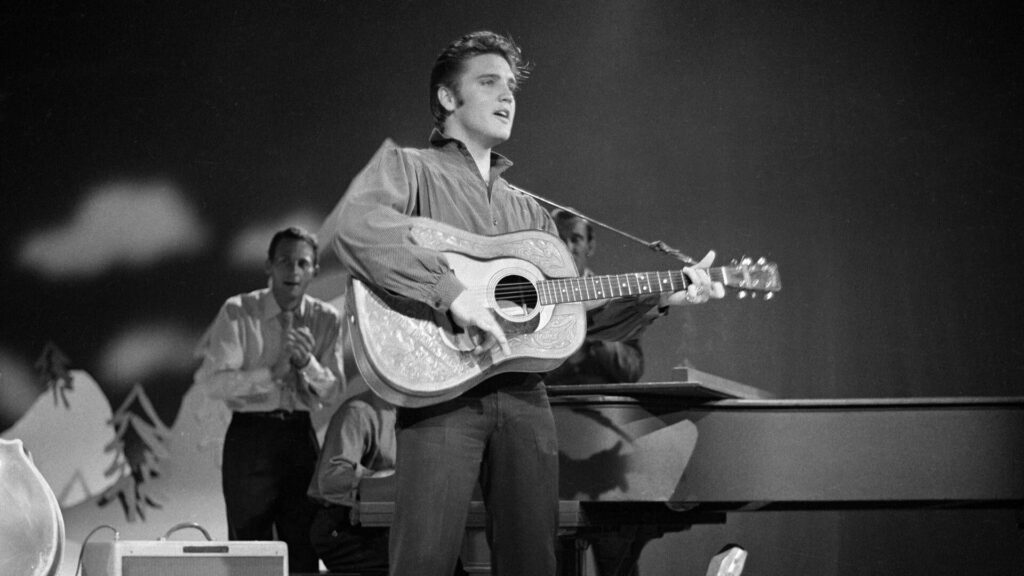
In 1956, Elvis made his groundbreaking debut on The Ed Sullivan Show. Families huddled around televisions, eager to see this fresh face that the radio waves couldn’t stop buzzing about. And boy, did Elvis deliver!
As soon as he broke into hits like “Don’t Be Cruel” and “Hound Dog,” America was hooked. Kids gathered in their sock-clad feet, parents tried to play cool, and everyone watched in awe as Elvis shook, rattled, and rolled his way into the nation’s hearts.
"This appearance wasn't just a performance; it was a national event."
Every shimmy and swivel broadcasted from that tiny screen cemented Elvis’s reputation as a boundary-pushing entertainer. That night, Elvis didn’t just perform—he changed the landscape of music and television forever.
7. Movie Career Launch
In 1956, Elvis made his film debut in “Love Me Tender.” The theater lights dimmed, and on the screen, a young Elvis strutted onto the scene, electrifying the audience with his mere presence.
“Love Me Tender” gave fans double the delight, serving harmonious tunes alongside the drama. Elvis crooned the film’s title song with that signature velvet voice, a melody that lingered well after the credits rolled.
The film’s success opened avenues for more roles, intertwining his music and acting careers. Elvis playing a lovesick cowboy, complete with yearning tunes and dramatic flair, was nothing short of genius casting. His film career became another outlet for his charismatic style, ensuring that wherever you looked, be it a record player or a movie screen, the King was captivating audiences.
8. Christmas Album Success
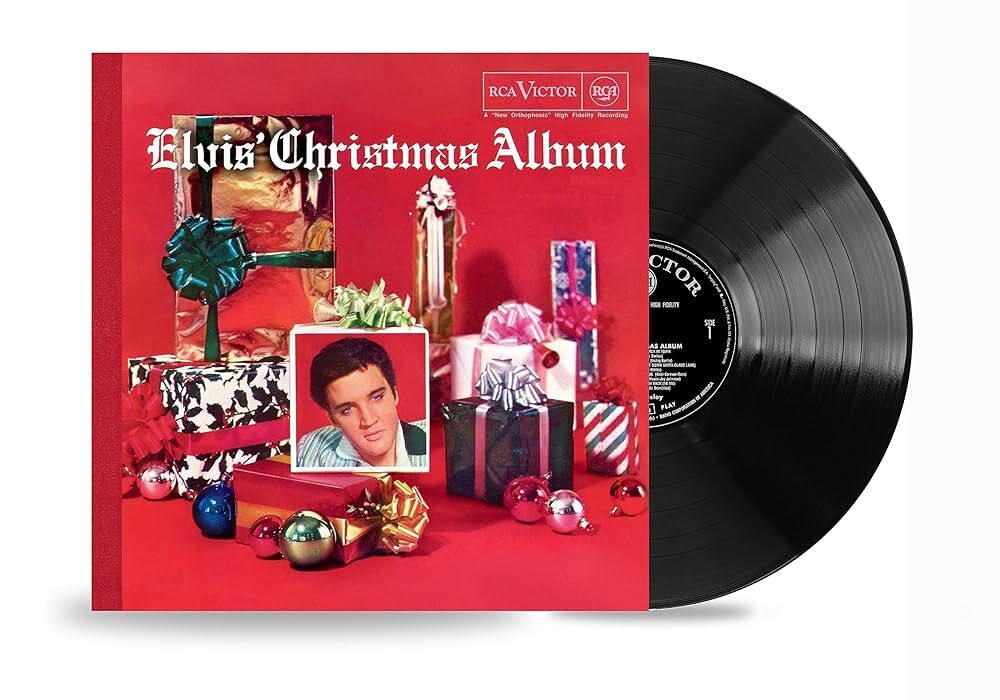
In 1957, Elvis Presley released “‘Elvis’ Christmas Album,” a holiday collection that became a huge hit. This album wasn’t just another Christmas record; it was special. Elvis’s smooth voice brought warmth to classic holiday tunes, making them perfect for cozy December nights.
Picture this: Christmas lights twinkling, the smell of eggnog in the air, and Elvis singing “Blue Christmas” on your record player. It was the ideal soundtrack for decorating the tree or hanging stockings. The album quickly became a festive favorite in homes across America.
It wasn’t just popular; it became the best-selling holiday album of all time. People loved singing along to Elvis’s versions of classic carols and new holiday hits. Even those who weren’t big Elvis fans couldn’t help but tap their feet to these merry tunes.
"'Elvis' Christmas Album" didn't just entertain; it became a part of many families' holiday traditions. From church choirs to living room sing-alongs, Elvis's Christmas songs were everywhere during the holiday season.
This album helped cement Elvis as not just a rock ‘n’ roll star, but as a versatile performer who could capture the spirit of Christmas. When you hear Elvis sing “White Christmas,” it’s like wrapping yourself in a warm, nostalgic blanket – a reminder of how the King of Rock ‘n’ Roll could also be the king of holiday cheer.
Elvis Presley’s rise was more than just a musical triumph; it was a cultural phenomenon that defined an era. His legacy lives on, reminding us of a time when rock ‘n’ roll wasn’t just music—it was life itself.
Key Milestones in Elvis’s Career:
- 1935: Born in Tupelo, Mississippi
- 1945: First public appearance singing “Old Shep”
- 1953: First visit to Sam Phillips’ Memphis Recording Service
- 1956: Breakthrough year with first No. 1 single and album
- 1957: Release of “‘Elvis’ Christmas Album”
- 1977: Final concert performance in Indianapolis
From his humble beginnings in Tupelo to becoming a global icon, Elvis Presley’s journey was nothing short of extraordinary. His influence on music, fashion, and popular culture continues to resonate decades after his final performance.