
History and Evolution
Enameled steel cookware boasts a rich history dating back to ancient civilizations. In the 19th century, Germany excelled with vitreous enamel, applying ground glass to metal and firing it to create colorful designs. British versions featured white bodies with blue rims, while Sweden had cream and green styles.
Agateware gained popularity in the late 1800s as a safe alternative to toxic cookware. The 1950s introduced vibrant colors that brightened kitchens everywhere. Patterns like checkerboard prints and floral stencils became popular.
Enamelware was practical, lightweight, and durable, making it popular among campers. Brands like Le Creuset, Copco, and Descoware embraced innovation and style. Different regions had unique takes, like Norway's colorful Cathrineholm products and Finnish designer Kaj Franck's creations.
While vintage enamel surfaces were eye-catching, some contained lead and cadmium. Manufacturers improved safety, but concerns persist over some international productions today.
Design and Aesthetics
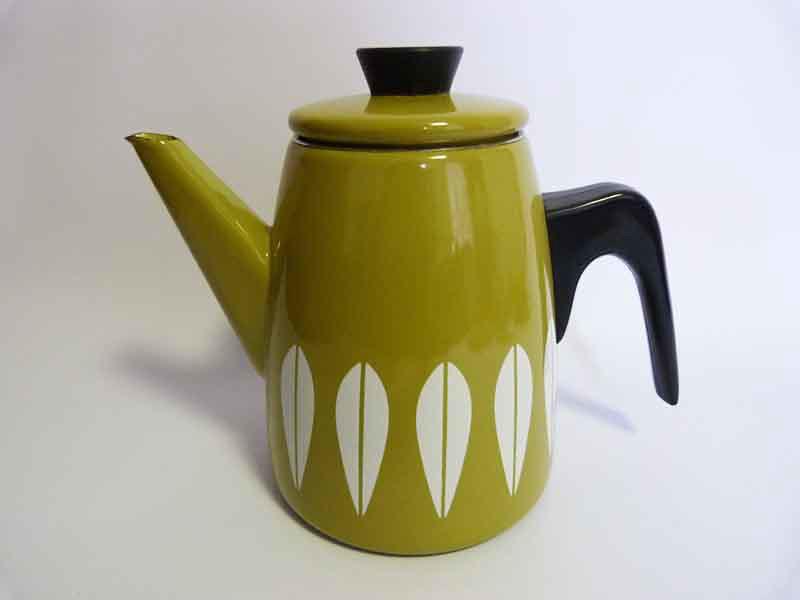
1950s enameled steel cookware was a feast for the eyes. Candy colors like soft blues, mint greens, and sunbeam yellows were all the rage. Patterns ranged from polka dots to paisley, with brands like Cathrineholm offering elegantly simple designs.
These pieces combined eye-catching hues with sensible design. Some had sleek, rounded silhouettes, while others embraced clean lines. Handles were shaped for easy lifting, lids fit snugly, and white interiors conveyed cleanliness.
The glossy enamel finish was both resilient and ravishing. Clever designs, like Dansk Kobenstyle's lids that doubled as trivets, showcased the era's emphasis on both style and functionality.
Today, collectors cherish these vibrant relics. Each piece carries echoes of a past that valued both style and functionality, serving food with a sprinkle of artistic flair.
Functional Benefits
Enameled steel cookware wasn't just pretty – it was practical too. These kitchen workhorses offered even heat distribution, ensuring perfectly cooked meals without scorched spots.
- Easy cleaning thanks to smooth, non-porous surfaces
- Food didn't stick, making post-dinner cleanup quick and easy
- Exceptional durability to handle busy kitchens
- Drop-resistant and spill-proof design
In short, enameled steel cookware combined good looks with great performance, making meal prep more enjoyable for mid-century cooks.
Cultural Impact
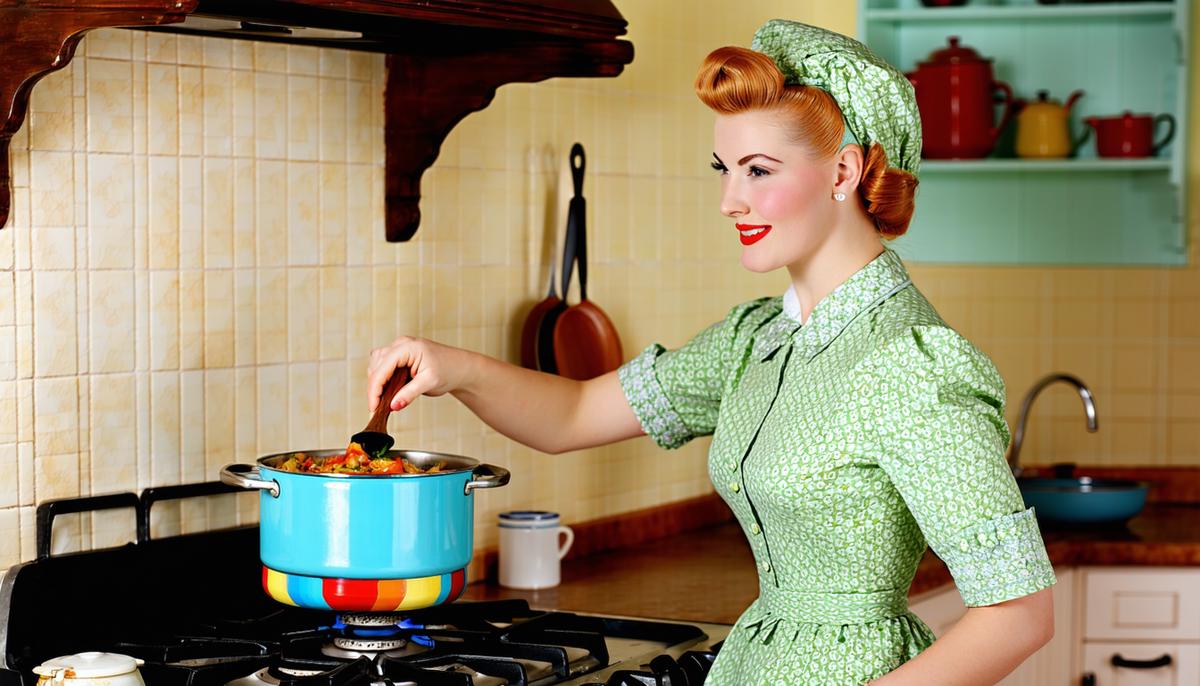
As the 1950s began, enameled steel cookware became a symbol of the optimistic post-war era. It reflected the spirit of a generation eager to embrace new styles in their homes and on their plates.
Against the backdrop of suburban expansion, these colorful pots and pans became part of the American Dream. Owning a set was like having a bit of mid-century modern allure right in your kitchen.
"This cookware revolution coincided with changing culinary practices. People were trying new recipes and exploring global cuisines. The versatile enameled steel pieces were up to the challenge, inspiring home cooks to get creative."
It wasn't just about cooking – it was about entertaining in style. Colorful cookware turned everyday meals into mini-feasts, perfect for those anniversary dinners or family gatherings.
In a time of innovation and change, enameled steel cookware captured the vibrant spirit of an era that championed both freedom and fervor. Its legacy continues to inspire collectors and home cooks today.
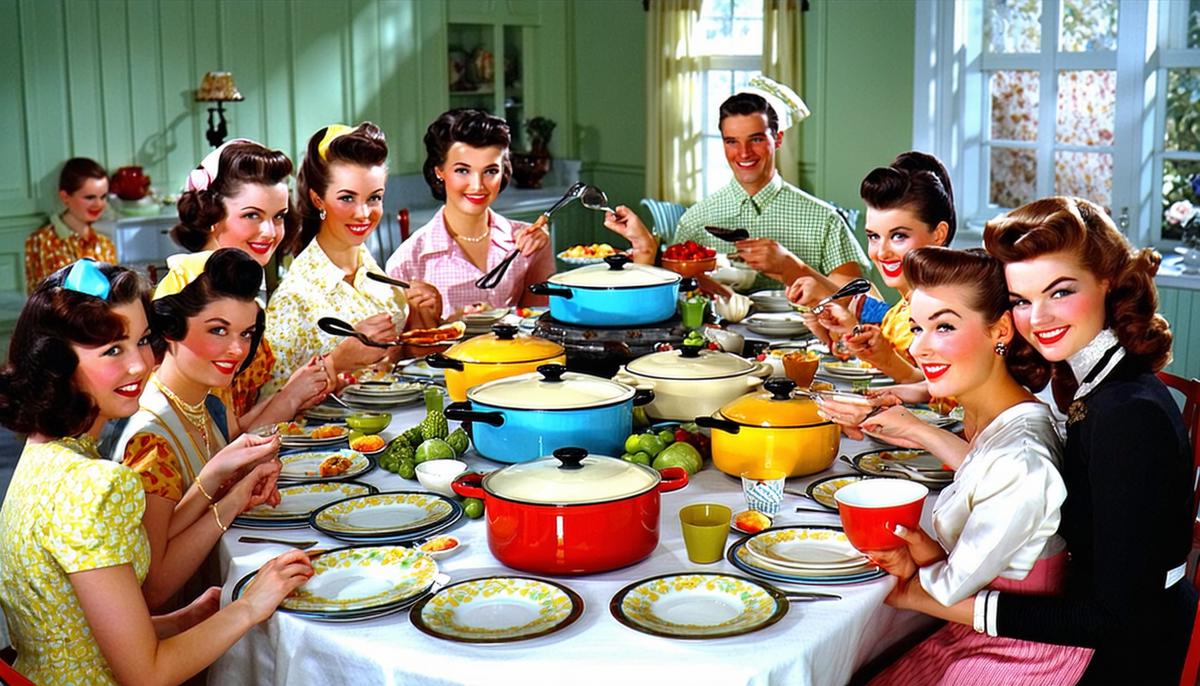
As we look back at the vibrant hues and practical charm of enameled steel cookware, it's clear that these kitchen staples were more than just pots and pans. They were a reflection of an era filled with optimism and creativity, bringing both style and function to everyday life. The legacy they leave behind is one of color, durability, and a touch of nostalgia that continues to resonate with collectors and home cooks alike.
- Walker A, Eustice K. Bit of Butter: Vintage Recipes and Thrifting. 2022.
- Froelich S. The History of Dansk Kobenstyle. MFA Thesis. 2010.
- Good Housekeeping Cookbook. 1962 Edition.
- Child J. The French Chef. WGBH-TV. 1963-1973.