
Chicago’s Last Gas Streetlights
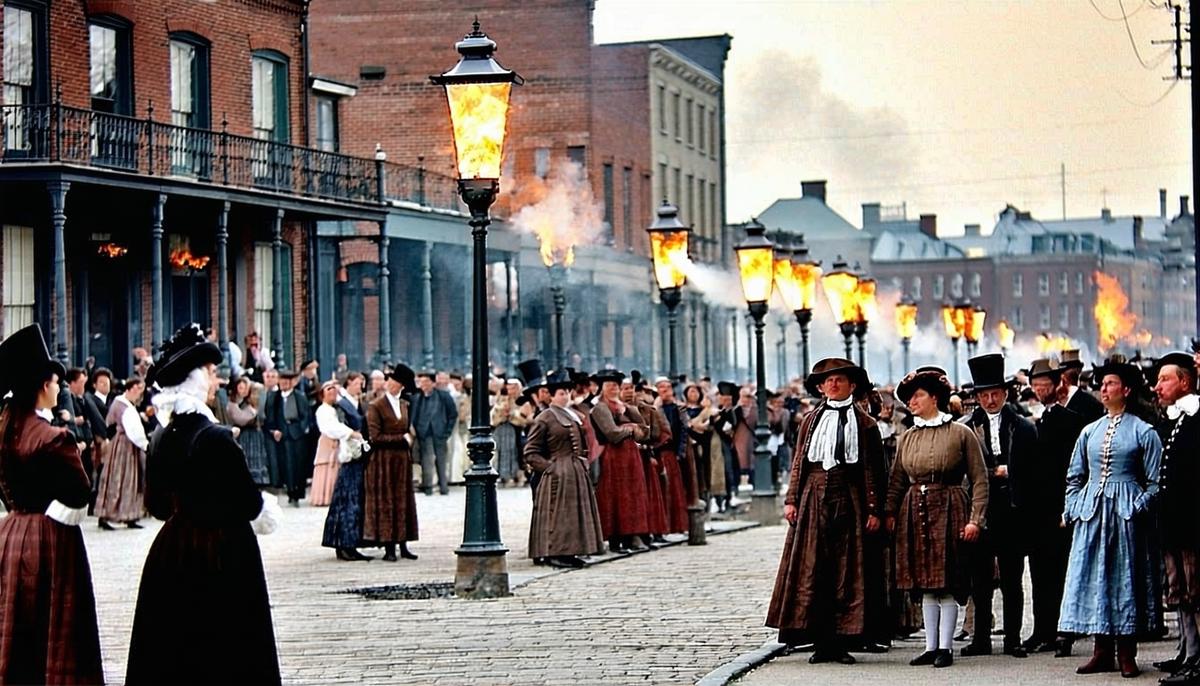
There was a time when evenings unfolded in a golden glow, when streetlights didn’t just flicker to life on their own but waited for the steady hand of a lamplighter to bring them to life.
In the quiet moments just after sunset, the city would transform – not with the sterile hum of electricity but with the warm, living light of gas lamps, their flames wavering in the night breeze. Footsteps echoed softer then, the streets felt closer, and every evening had a touch of old-world magic.
These were the nights of whispered conversations on front porches, of kids finishing one last game before the streetlights signaled it was time to go home. But progress has a way of moving forward, even when we’re not quite ready to let go.
Chicago introduced gas streetlamps in the 1850s, lighting up a city eager to embrace modernity. By 1898, officials had decided that electricity would be the future, but the transition would take over half a century to complete.
In the early 1950s, the few remaining gas lamps had already been standing since before 1900—vestiges of a bygone era stubbornly holding on.
The last eighteen gas streetlights in Chicago were extinguished on June 4, 1954, on Escanaba Avenue between 95th and 99th.
Just a decade earlier, thousands of gas lamps still cast their glow across the city, some even running on gasoline in areas without gas lines.
One of the last men to light them was Domenico Basso, a dedicated lamplighter featured in The Chicago Tribune in 1947. He was one of fewer than twenty still employed at the time, making his rounds with careful precision, a guardian of the city’s nighttime ritual.
Though many gas lamps had already been outfitted with timers and igniters, those running on gasoline still needed a lamplighter’s touch—refueling, rewinding the clocks, and bringing the flame to life with a blowtorch.
A profession once essential had dwindled to near extinction, its end quietly unfolding, one streetlight at a time.
History of Gas Street Lighting
Gas street lighting began in the early 1800s, offering a bright alternative to whale oil lamps. Rembrandt Peale’s 1816 museum exhibit in Baltimore sparked public interest, leading to the city’s quick adoption of gas lighting. The Baltimore Gas Light Company laid the pipes, and the first public gas lamps were lit in 1817.
London was actually the first city to use gas street lighting in 1807, but Baltimore wasn’t far behind. The Gas Light Company, which later became Baltimore Gas and Electric Company (BGE), faced challenges like high costs and competition but persevered.
Gas lamps ran on coal gas and were a step up from whale oil. The invention of the gas mantle in the late 19th century improved their brightness and efficiency, extending their use by about 50 years. These lamps required large posts and regular maintenance by lamplighters, who became a common sight in cities.
Electric lighting began to take over after World War I, with the last gas street lamp being replaced by 1957 in most places. However, some areas kept a few gas lamps burning for nostalgia’s sake.
Transition to Electric Street Lighting
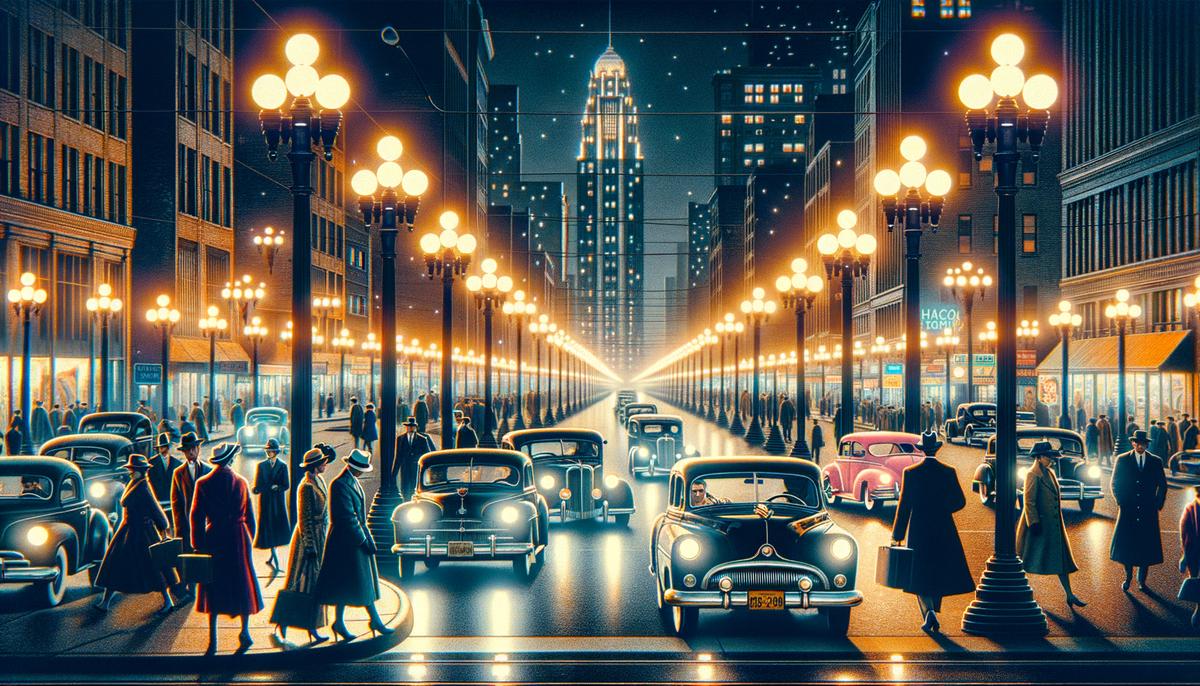
After World War II, electric street lighting quickly gained popularity. It offered steadier, brighter light with lower maintenance needs compared to gas lamps. No more balancing acts for lamplighters – electric bulbs could just hang there and do their job.
The post-war infrastructure boom played a big role in this shift. As cities grew and modernized, they needed more reliable lighting to match their 24/7 pace. Electric lighting fit the bill perfectly, being easy to expand and adjust.
This change wasn’t great news for the gas industry, though. They couldn’t keep up with the electric boom, and gas street lighting became a thing of the past in most places. The job market shifted too, with demand for electrical engineers and maintenance crews replacing the need for lamplighters.
The look of streets changed as well. Those tall gas lamps gave way to sleeker, more spread-out electric lights. It changed the whole vibe of urban areas.
Even with all the improvements, some folks still miss the cozy feeling of gas-lit streets. But that’s how progress goes – always moving forward, even if we sometimes look back fondly at what we’ve left behind.
As gas street lighting fades into history, we’re reminded of how progress shapes our world. The shift from flickering flames to steady electric lights shows how we adapt and innovate. While modern lights guide us now, the memory of those warm, gas-lit evenings reminds us of simpler times and how things keep changing.
Interesting Facts about Gas Street Lighting:
- Baltimore was the first city outside England to adopt gas street lights in 1816.
- The last gas street lamp in most places was replaced by electric lighting in 1957.
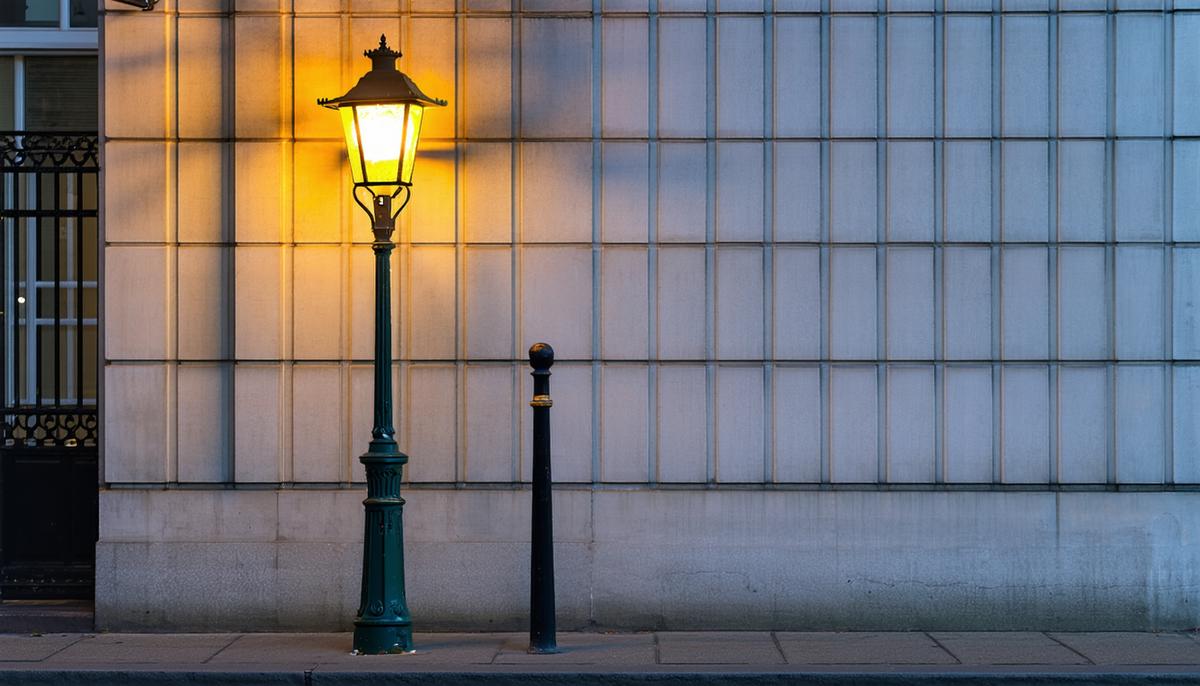
- Some gas lamps still burn today for nostalgic reasons, like the one at Baltimore and Holliday streets.
- During World War II, gas lamp globes were partially painted to comply with blackout procedures.
"It must have been amazing. It was quite an innovation." – Burt Kummerow, former president of the Maryland Historical Society, on the first gas street lamps
- Kummerow B. Interview on the history of gas street lighting in Baltimore. Maryland Historical Society. 2017.
- Baltimore Gas and Electric Company. The history of BGE. BGE Historical Archives. 2020.
- O’Brien P. The last of the lamplighters: A unique part of Jamaica Plain’s history. Jamaica Plain Historical Society. 2011.