
Long Island Railroad Collision
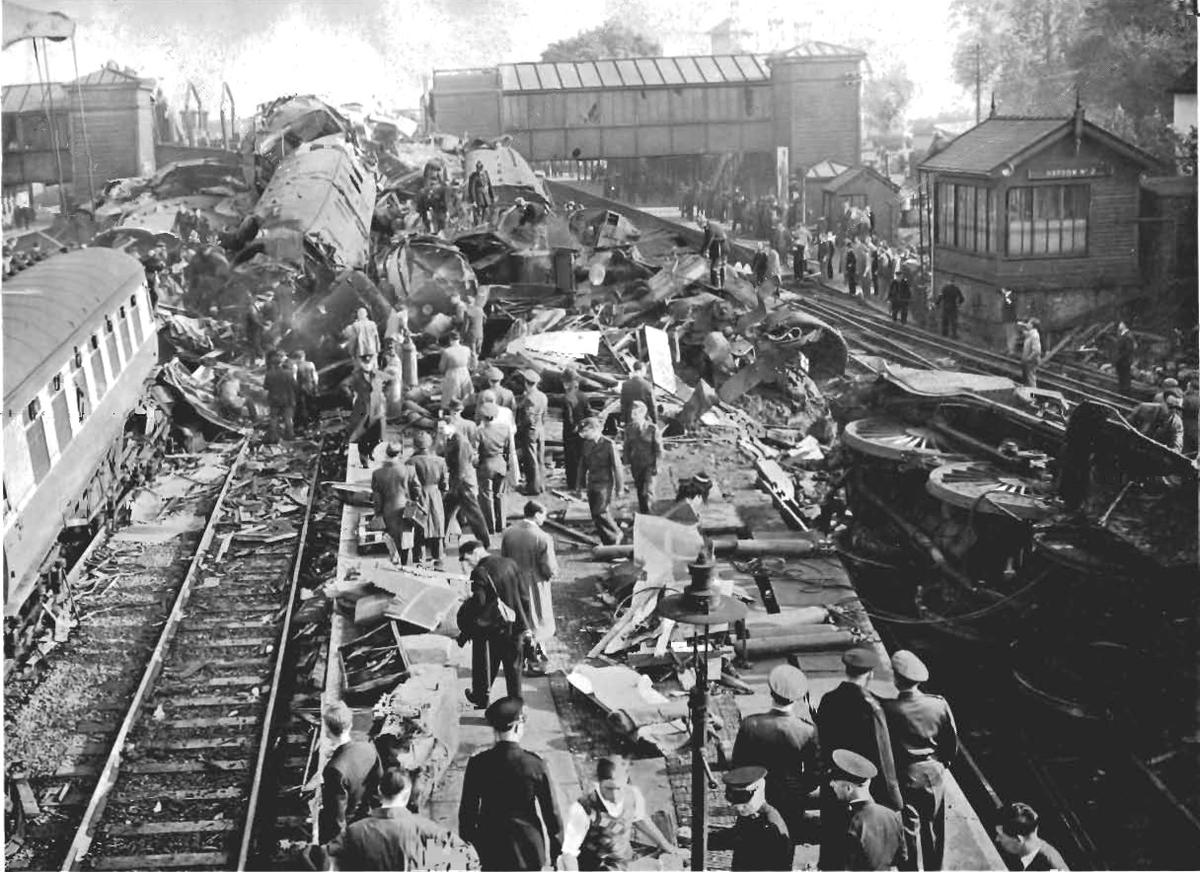
On December 22, 1950, Long Island, New York, witnessed a tragic train collision that claimed 77 lives. Two self-propelled trains crashed, highlighting the urgent need for better safety protocols and advanced signaling systems in rail transportation.
This disaster shone a spotlight on the somewhat lax safety standards of the time. It's like the universe flicked on a neon sign, saying, "Time for change, folks!" The aftermath drove home the reality that improvements couldn't wait, especially with trains crisscrossing the tracks like dancers at a sock hop.
Engineers and safety experts huddled together, working to prevent future accidents. They focused on revamping the safety landscape, turning signals into trusted guides rather than afterthoughts.
The collision left more than just a stark memory; it triggered a call to action. Implementing improved protocols became a symbol of progress, almost like a foot-tapping rock beat emerging from a mournful ballad. Better systems weren't just suggestions—they were lifelines to a safer future.
Birth of Rick Nielsen
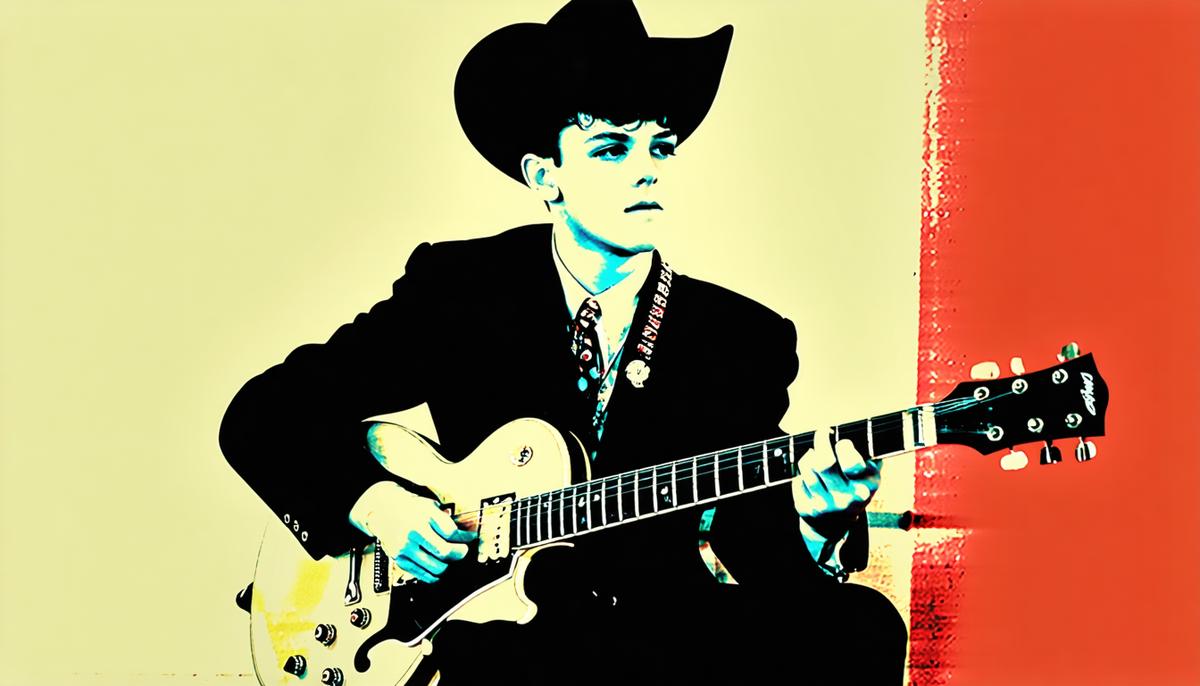
While trains were making headlines, another story was starting small on December 22, 1950: the birth of rock genius Rick Nielsen. This future maestro of strumming and showmanship would eventually become the heart and soul of Cheap Trick, the band that took the 70s and 80s by storm.
Nielsen's guitar riffs and infectious energy shaped the sound of power pop and rock. His licks were more than just notes—they were slices of Americana, like a jukebox playing a soundtrack mixing rebellion and pure fun. Cheap Trick's hits were as vibrant as those 50s sock hops where everyone moved in harmony with the beat.
The band's famous track, "Surrender," showcases Nielsen's knack for bending genres and flaunting those quirks that fans love. It proves he knew how to make the strings sing with exuberance and authenticity, capturing that universal feeling of teenage excitement.
Through Cheap Trick, Nielsen gifted us songs that spun emotions into rhythms, reminding us why those decades were celebrated for their adrenaline-packed nostalgia. So, when we embrace the tunes paved by Rick Nielsen, we're tapping into that same beat of energy and creativity that made the 50s anything but ordinary.
When we look back at December 22, 1950, we see a mix of sorrow and joy. It's about learning from the past and celebrating those who brought vibrancy to our lives. Here's to remembering the moments that shape us and inspire future generations.
Other Notable Events on December 22, 1950:
- It was a Friday, the 356th day of the year.
- The zodiac sign was Capricorn.
- The moon phase was waxing gibbous.
- The #1 song in the US was "Rudolph, the Red-Nosed Reindeer" by Spike Jones & His City Slickers.
- The popular movie at the time was "Born Yesterday" directed by George Cukor.
- Mansel G. Blackford, The Rise of Modern Business: Great Britain, the United States, Germany, Japan, and China. UNC Press Books, 2008.
- Joel Whitburn, The Billboard Book of Top 40 Hits. Billboard Books, 2004.
- Roger Ebert, The Great Movies. Broadway Books, 2002.