
Economic Growth and Income Disparity
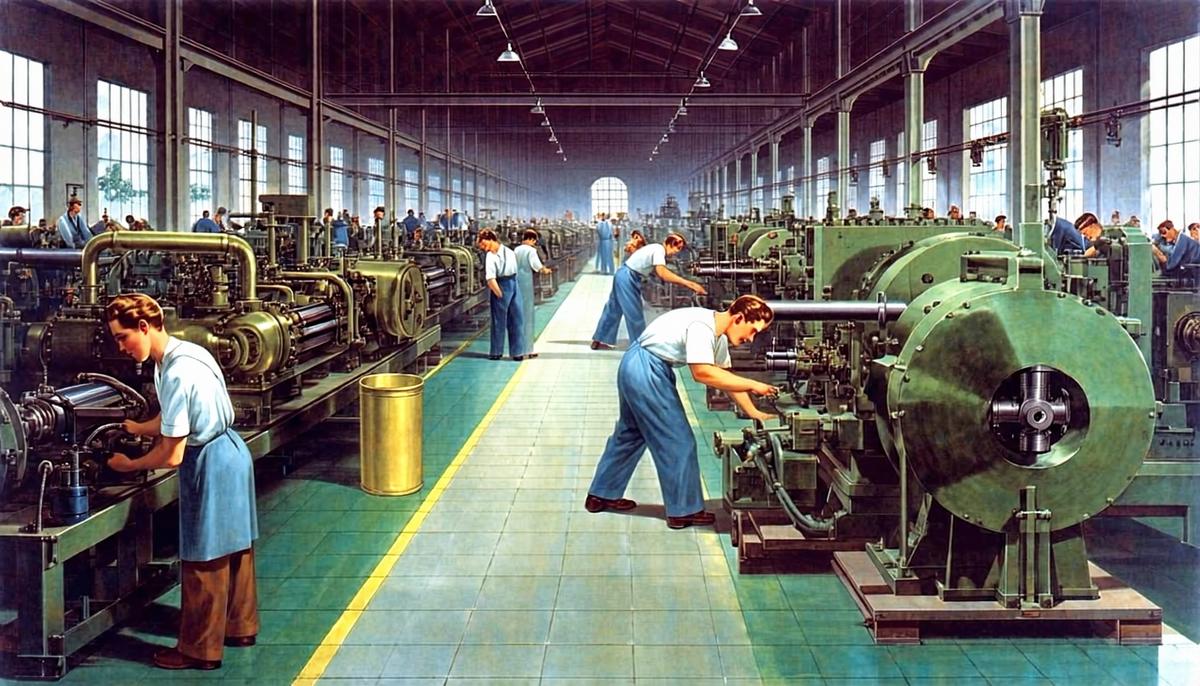
The post-World War II boom was like a golden goose that just kept on giving. American productivity skyrocketed, and real incomes went up across the board. Everyone was getting a bigger slice of the pie without having to work any extra hours.
Then cue the 1970s, and it seems like someone pulled the emergency brake on all that growth. Economic productivity kept chugging along, but wages for the average Joe didn't get the memo. While top executives saw their paychecks expand, everyone else struggled with cost-of-living increases.
It became an era where two steady paychecks began replacing the single paycheck fantasy as costs for education, housing, and healthcare kept climbing. Jobs that paid a living wage without a college degree started going the way of vinyl LPs. Meanwhile, higher education became the new passport to middle-class status, but that came with its own heavier price tag.
I've got to say, though, for all the changes, there's no lack of opportunity. The hard reality is figuring out this maze takes more rolls of the dice, more compromises, and twice the work. But for those who crack the puzzle, there's a certain rugged resilience to modern life. It isn't all rosy, but it's got a whole lot of heart.
Family Income Dynamics
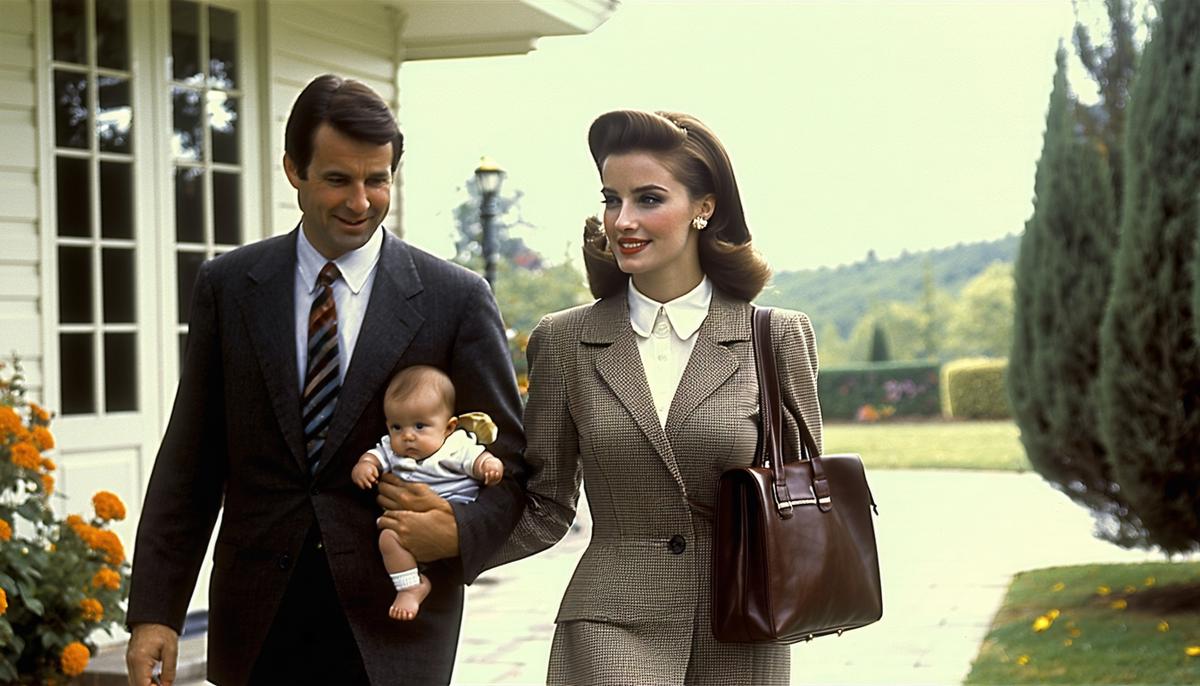
As the '70s rolled in, the engine of economic growth shifted gears. What began to loom on the horizon wasn't just a need for more income but the opportunity for it. Women threw off the aprons and stepped into office suits. With the surge of feminism and a fresh breeze of ambition, women didn't just want the chance to work; they deserved it.
Yet, this wasn't just about equality—it was economic strategy. Families weren't banking on one breadwinner anymore. They needed the security that came with two incomes. As real wages stagnated, it became evident that supporting a family on a single income was more like trying to win a jitterbug contest with both feet glued to the floor.
As women joined the workforce in droves, they helped redefine suburban bliss. The family unit transformed. Saturdays at the park were swapped for shared stories of workplace triumphs and struggles. Family life became a finely-tuned machine, with Mom and Dad tag-teaming parenting duties while balancing expense reports.
This dual-income shift also spurred an unintended consequence—a rising disparity between those who could maintain a two-paycheck home and those who couldn't. Yet, in this complexity, the enduring spirit of families persevered with nimbleness and a good dose of elbow grease.
The Middle Class and Economic Stability
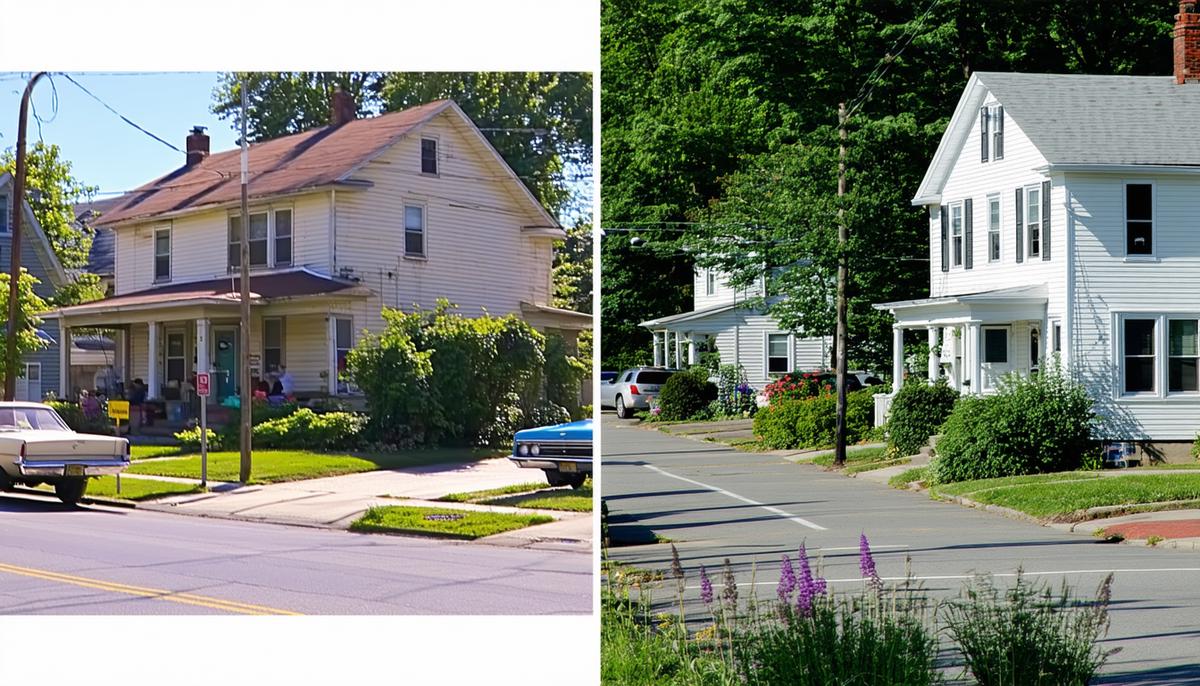
The gradual shrinkage of the middle class has left many feeling as if they're clinking empty glasses in a toast to better times. The income growth that fueled a halcyon ride for post-war families didn't come with an eternal guarantee. As the years rolled past, the ladder started losing its middle rungs.
Technological advancements and globalization played their role, reshaping the landscape rapidly and leaving manufacturing jobs feel more like dinosaurs in the tar pits. With well-paying jobs in decline and the market evolving faster than a list of Hollywood's top sitcoms, the middle class started gasping for economic relief.
Today's middle class is steering through stormy seas, trying to sustain a lifestyle that was once securely theirs on a single income, now requiring multi-pronged money-making efforts. As the income gap widens, social mobility took a distinct detour, making middle class ambitions more challenging and less predictable.
But here's the kicker: through the hustle and heartache, the middle class isn't short on resilience. They're piecing together new ways to thrive, showing that American tenacity isn't just a stereotype penned by 1950s advertising. It's real, even if today's version involves a bit more caffeine and a little less leisure time.
The Role of Government and Policy
Back in the '50s, families benefitted from a tax structure resembling a cozy, warm hug from a favorite aunt. Taxes were progressive, which meant those with more hefty wallets contributed a chunkier piece to the communal pie. This let middle-class families enjoy a bit more from their paychecks, enough to safely tuck away for the ever-anticipated station wagon or braces fund.
But fast forward a few decades, and you find tax policies hanging out like that one sock you can never find a match for. As they evolved, the gap between the upper crust and everyone else started to widen. Those at the top found creative ways to lower their tax bills, leaving fewer resources to trickle down.
Labor laws and social welfare programs also played their roles. In the heyday of the '50s, unions wielded power like a confident teenager armed with Dad's credit card. This meant solid pay for steady jobs and rights that ensured basic dignity at work.
However, when we whip up our time machine to today's landscape, the scene looks a bit different. Unions find themselves struggling to advocate amid a more diverse workforce and changing labor standards. As more moms and dads head into the workforce, policies need to accommodate childcare, healthcare, and other daily life essentials.
Today, the safety net sometimes feels narrower than a pair of 1950s wasp-waist evening gloves. Programs meant to protect face more scrutiny than a magnifying glass at the ant parade. Legislators often debate their effectiveness while keeping an eye on tight budgets.
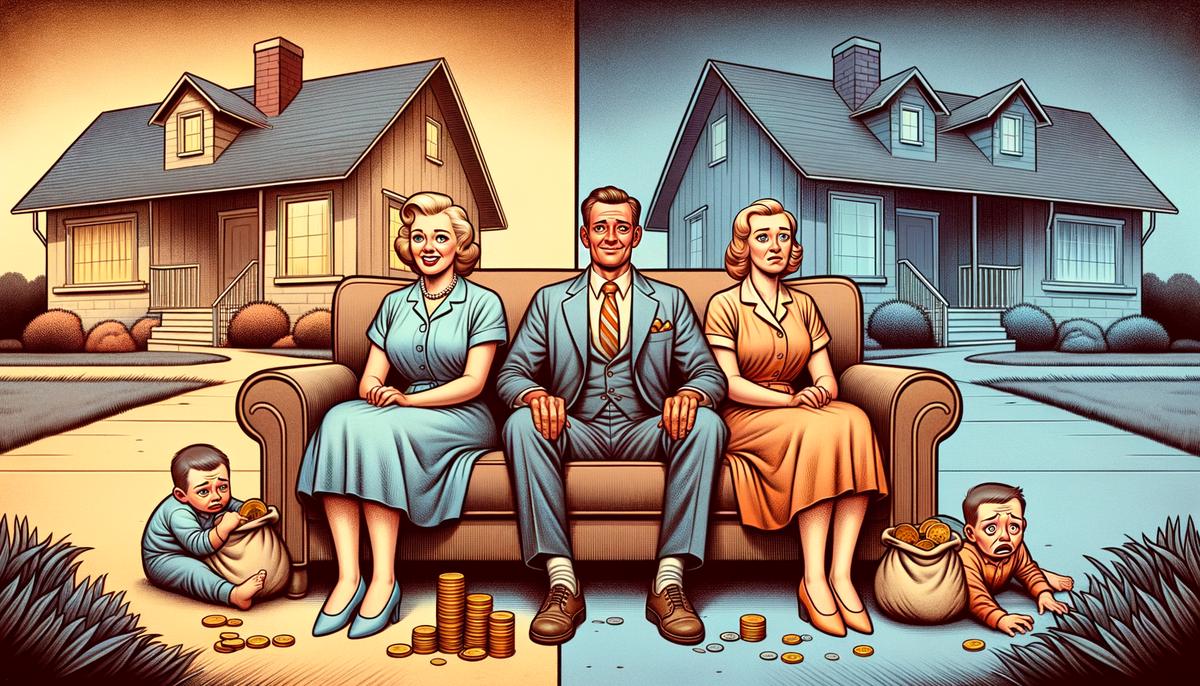
As policies shifted and bent to the whims of economic winds, family structures inevitably transformed. Income distribution started feeling more like a seesaw, pressing families to reassess how they'd manage to succeed in keeping the picket fence fantasy.
Through it all, there's no denying that while policies might steer the boat, it's families who figure out how to sail with the wind.
Cultural Shifts and Family Structures
The American family structure has transformed over the decades in ways you wouldn't have predicted back in the soda fountain days.
Single-parent households have become more common. In the '50s, these were rare, often due to societal norms that favored traditional family models. Today, single-parent households are more prevalent for various reasons, from people feeling empowered to leave unhappy marriages to changing norms around parenthood and cohabitation.
Gender roles have also evolved. The stereotypical housewife image has given way to a more diverse reality, where women are active in the workforce and often seen in leadership positions. It's a shift that would make Betty Friedan proud.
Men, too, are breaking out of their traditional mold. Dads cooking in the kitchen? You got it. Men attending PTA meetings or changing diapers? Absolutely.
As gender roles have changed, so have economic responsibilities within families. Households now often involve a balancing act, with both parents juggling work and home responsibilities. It's not the rigid dance of yesteryear but more of a freeform salsa where roles shift as needed.
This cultural shift has also brought challenges, particularly regarding income disparity. While women have broken barriers, the wage gap persists, prompting ongoing discussions about equality in the workplace.
These changes have led us to redefine what "success" means for families. The one-size-fits-all model is gone, replaced by a diverse array of family structures and approaches to balancing work and home life.
So, while the times have changed, there's still something timeless about families figuring it all out together, whether it's over a campfire or last night's takeout on the couch.
As we reflect on the shifts in family dynamics and economic landscapes, one thing stands out: the resilience and adaptability of families. While the idyllic days of the 1950s may be behind us, today's families continue to find innovative ways to thrive amidst challenges. This enduring spirit is a testament to the strength and heart that have always been at the core of the American family.
Key Changes in Family Structure
- Rise in single-parent households
- Evolving gender roles for both women and men
- Shift towards dual-income families
- Increased diversity in family structures
- Redefinition of family "success"
These changes reflect broader societal shifts, including increased women's participation in the workforce, changing cultural norms, and economic pressures. For instance, in 1970, 61% of adults lived in middle-class households, but by 2021, this had fallen to just 50%. This contraction of the middle class has been accompanied by growth in both upper and lower income tiers.
Income inequality has also widened. In 2020, the median income of upper-income households was 7.3 times that of lower-income households, up from 6.3 in 1970. This growing disparity has significant implications for family structures and economic opportunities.
"As more wives work, the two-earner couple becomes the norm. Couples still can have one partner stay at home, but only if they don't mind sliding down the income ladder or are exceptionally rich."
Despite these challenges, families continue to adapt. The rise of dual-income households isn't just about economic necessity – it also reflects changing attitudes about women's roles and career aspirations. Today's families may face different pressures than those of the 1950s, but they're finding new ways to define success and happiness in an ever-changing world.