
Service and Lifestyle Changes
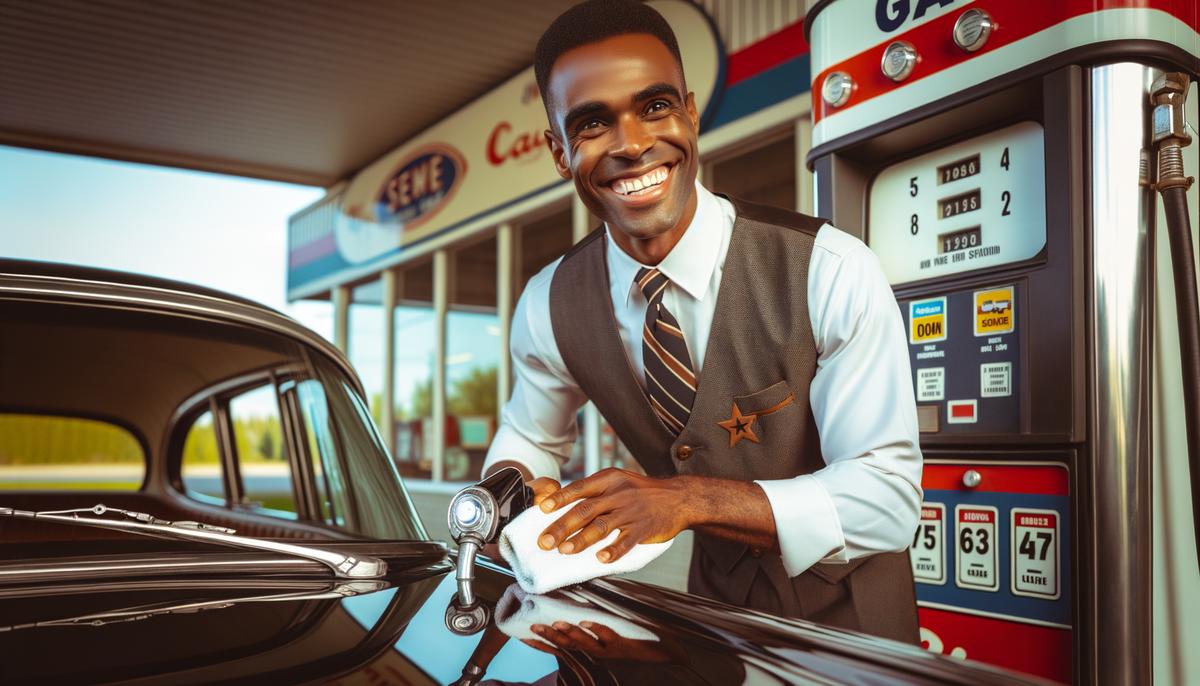
Back in the 1950s, gas stations were like friendly neighbors. Cheerful attendants would rush out to fill up your tank, check your oil, and clean your windshield. You might even find a little diner attached, serving burgers and milkshakes to weary travelers.
Come the 1970s, things changed. The oil crisis hit, and suddenly, full-service was swapped for self-service. Stations had to cut back, and consumers became their own fuel attendants—a big change that took some getting used to.
As decades rolled by, gas stations evolved. Convenience stores popped up, where you could grab snacks or groceries with your fuel. Pay-at-the-pump became the norm, letting customers fuel up without going inside.
Prices have moved up and down over the years, influenced by world events and politics. In the 50s, a gallon of gas might cost you a few dimes, but today, you'd need quite a few more.
Some stations have become like mini-malls, offering food options beyond the usual snacks. A few have even become landmarks with quirky themes or eye-catching architecture, reminding us of their history.
While the gas station of yesteryear focused on face-to-face service, today's stations are more about speed and variety. The charm of personal interaction might have faded, but convenience has grown into something new—even if we sometimes miss that old-fashioned neighborly touch.
Price Fluctuations and Economic Influence
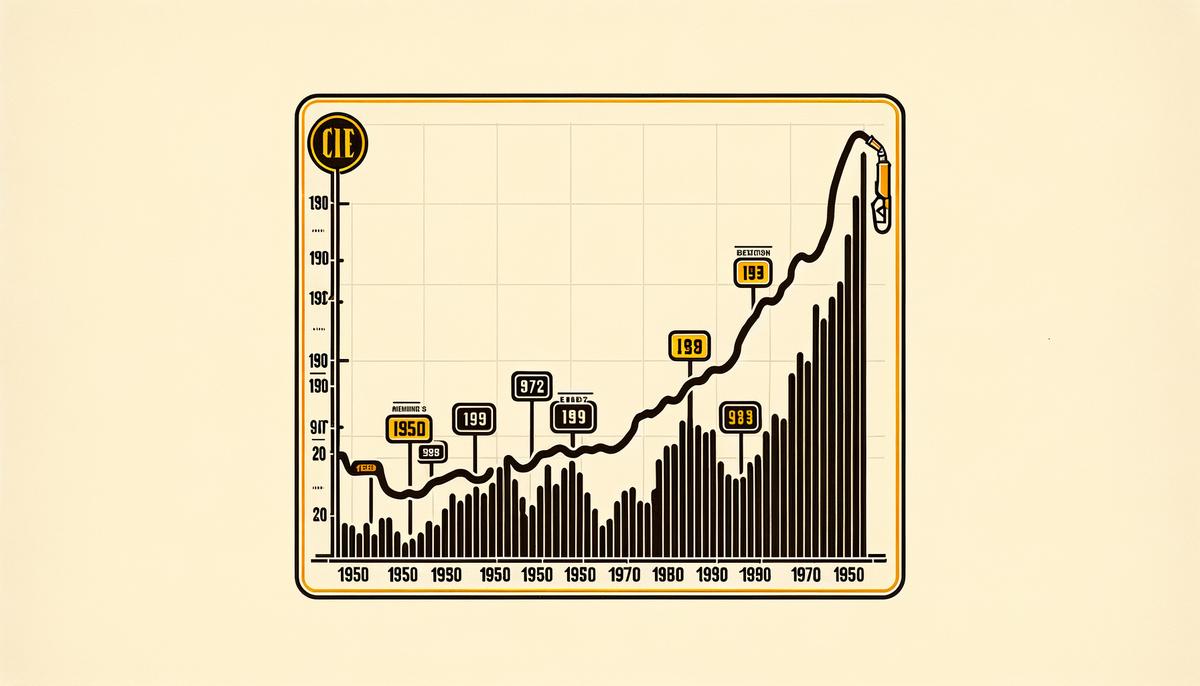
As time passed, prices at the pump became less predictable. In the 1950s, the cost of a gallon was steady and reliable. You could count on it just like Gramps telling the same old jokes at every family cookout.
But the oil crisis of the 1970s changed things. Those stable prices were suddenly influenced by global politics. Filling up the tank became tied to international events.
Since then, oil supply and demand have set the rhythm for gas prices. OPEC became a household name, with the power to affect prices by adjusting their output. New regulations tried to guide prices, with mixed results.
In recent years, price changes have come faster, affected by technology and economic shifts. The certainty of the past has given way to an era where fuel budgeting is a must.
Through all the changes, the gas station remains a constant in our lives, adapting to new times. It stands as a symbol of progress, even as we navigate the twists and turns of price fluctuations and changing economies.
Quirky Facts and Cultural Evolution
Gas stations have come a long way since the 1950s. Now, you might find yourself grabbing a taco or banh mi while filling up. It's a blend of American entrepreneurship and cultural diversity that's turned these pit stops into mini food festivals.
Some stations have embraced nostalgia, sporting retro designs that remind us of the good old days. These charming spots have become landmarks, preserving a slice of Americana for those who want to take a trip down memory lane.
The Modern Gas Station: A Swiss Army Knife of Retail
- In-house eateries
- Postal services
- Car washes
- Convenience stores
This evolution reflects broader cultural shifts. As people from around the world have settled in America, they've brought their flavors and traditions, transforming gas stations into cultural melting pots.
"Thank You Please Come Again: How Gas Stations Feed & Fuel the American South" by Medley captures not just the culinary flavors of these gathering spots but also the evolution of the American gas station as an influx of immigrants injects new vitality and a taste of their cultures.
So, while the 1950s gas station might not have had sushi on the shelves, today's stations offer a mix of nostalgia, convenience, and surprises. Who knows what they'll look like in the future? Maybe we'll see drive-through art galleries or pop-up farmers markets next to the pumps.
As we look back at how gas stations have changed, it's clear they've gone from friendly neighborhood spots to modern convenience hubs. But through all the changes, they're still a familiar part of our travels—reminding us of the past while pointing towards what's ahead.
- Smithsonian Magazine. The First Gas Station.
- Medley. Thank You Please Come Again: How Gas Stations Feed & Fuel the American South.