
Early Life and Musical Beginnings
Gaetano Alberto “Guy” Lombardo was born on June 19, 1902, in London, Ontario. The eldest of the Lombardo siblings, Guy grew up in a musical family. His father, a tailor by trade, encouraged his children to pursue music. While his brothers played wind instruments, Guy took up the violin.
In their early years, Guy and his brothers performed at local events, playing a blend of jazz and dance numbers. Their style leaned more towards sweet melodies than hot jazz. By 1916, the family band had grown, adding outside talents.
In 1923, the Lombardos moved to Ohio, seeking new opportunities. They played gigs in Cleveland and made their first recording in Richmond, Indiana, in 1924. The group adopted the name “The Royal Canadians,” a nod to their roots. Their popularity grew rapidly as they began broadcasting from Chicago.
Guy eventually put down his violin to lead the band. In 1929, they moved to New York City and began their famous New Year’s Eve radio broadcasts, starting a tradition that would last for decades.

Formation and Rise of The Royal Canadians
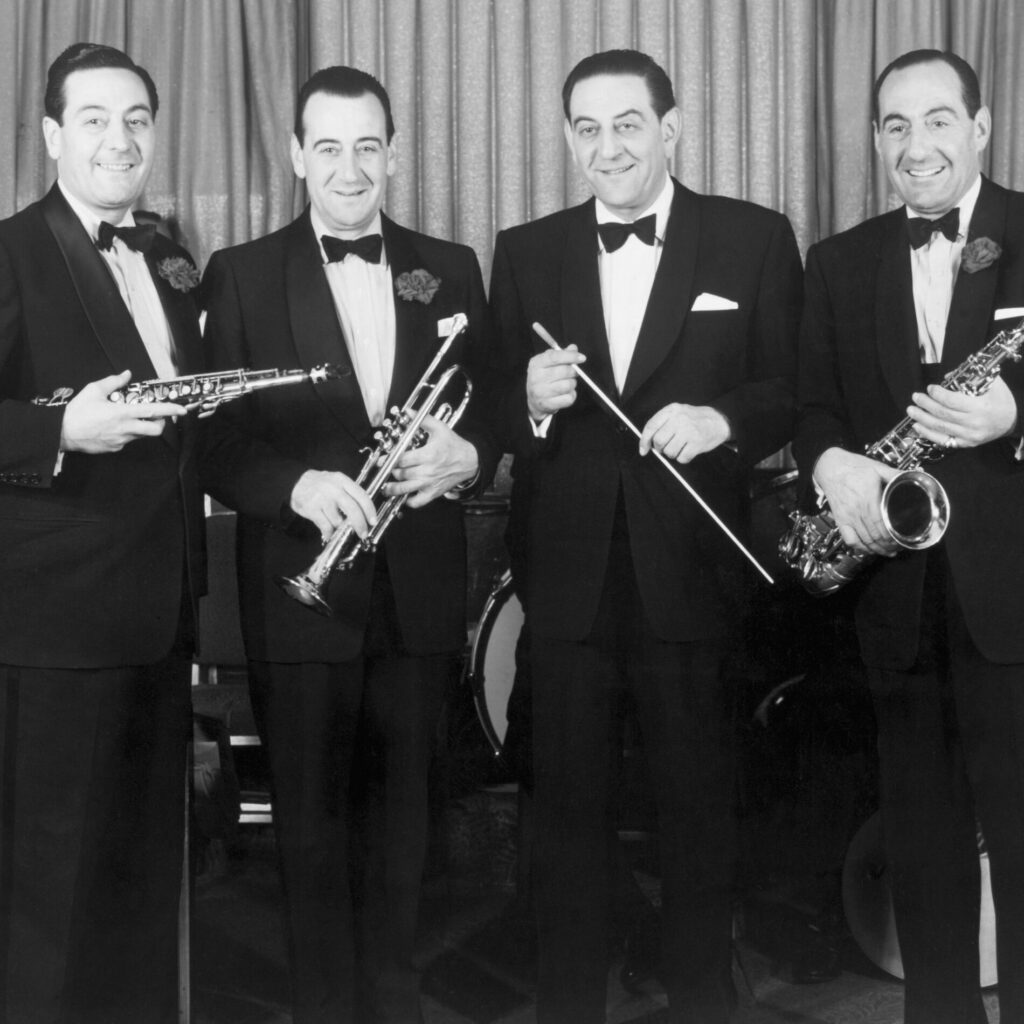
The Royal Canadians, formed in 1924, consisted of Guy Lombardo, his brothers Carmen, Lebert, and Victor, along with other musicians. Their “sweet” melody-laden sound set them apart from the more energetic jazz bands of the era.
Their first recordings in Richmond, Indiana, helped spread their popularity beyond live performances. The band’s breakthrough came in Chicago, where they honed their signature sound and coined their slogan, “the sweetest music this side of heaven.”
Radio broadcasts in the late 1920s further expanded their audience. The move to New York in 1929 and their first New Year’s Eve broadcast cemented their place in American culture. Their rendition of “Auld Lang Syne” became a holiday staple, marking the beginning of a long-standing tradition.
New Year’s Eve Tradition and Cultural Impact
Guy Lombardo and his Royal Canadians became synonymous with New Year’s Eve celebrations from 1929 to 1977. Their annual broadcasts from New York’s Roosevelt Hotel Grill reached millions of listeners across the country.
The band’s performance of “Auld Lang Syne” at midnight became a cherished tradition, earning Lombardo the title “Mr. New Year’s Eve.” Their music provided a comforting backdrop to the holiday, blending nostalgia with hope for the future.
Lombardo’s New Year’s Eve broadcasts were more than just musical performances; they became a cultural touchstone, uniting listeners in a shared experience. The tradition persisted for nearly five decades, creating lasting memories for several generations of Americans.
Personal Life and Musical Influence
Guy Lombardo married Lilliebell Glenn in 1926. Their relationship provided stability amidst the demands of his musical career. This balance between his personal and professional life likely influenced the tender quality of his music.
Lombardo’s experiences, including the joys and challenges of family life, often found expression in his performances. His music began to carry themes of nostalgia and longing, resonating with listeners who faced similar life experiences.
Beyond his musical career, Lombardo supported local music programs and arts education. His leadership style with the band was characterized by understanding and mentorship, translating his life experiences into a musical language that connected with audiences.

Legacy and Preservation of Guy Lombardo’s Work
Today, a collection of Guy Lombardo’s memorabilia and music is stored in Fort Myers, Florida. This includes:
- Original band orchestrations
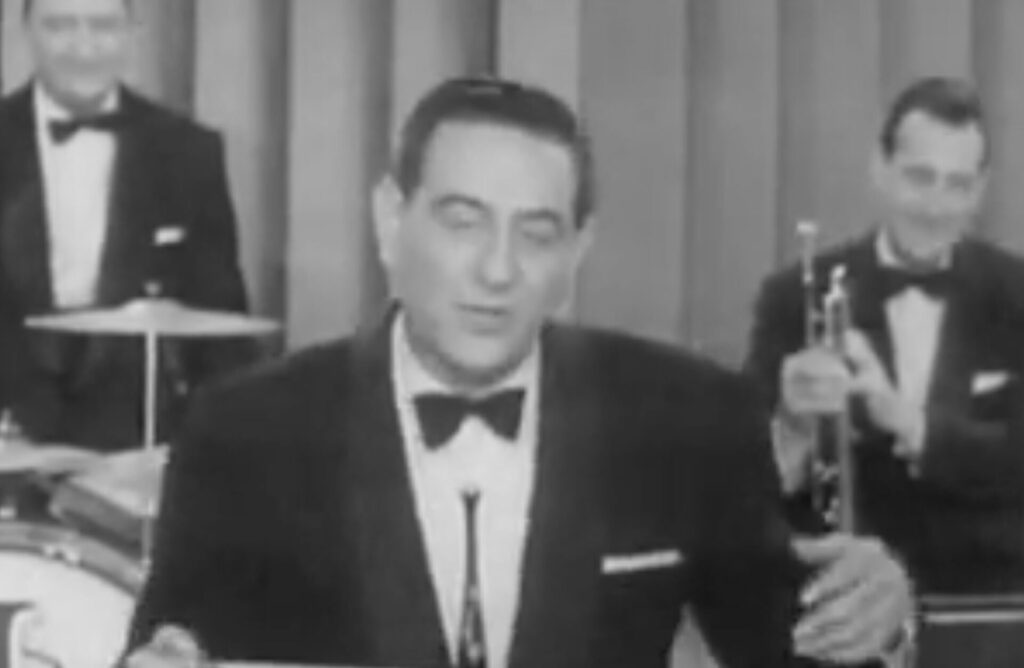
- Film reels from their 1950s TV show
Lombardo’s descendants oversee the preservation of these materials.
Dan Gabel, a young bandleader running the American Big Band Preservation Society, is working to archive and potentially display some of these items. His efforts aim to keep the big band sound alive for future generations.
Lombardo’s music continues to evoke memories for many, often associated with significant life events or family gatherings. His influence extends beyond his lifetime, with his melodies still striking a chord with listeners and preserving a piece of mid-20th century American culture.
Guy Lombardo’s legacy is more than just music; it’s a timeless tradition that continues to resonate with warmth and nostalgia. His melodies, interwoven into New Year’s celebrations, remind us of the enduring power of music to connect generations and create cherished memories. As we reflect on his contributions, we are reminded of the joy and comfort his tunes have brought to countless lives, ensuring that his sweet sound will echo for years to come.
- Herndon B. The Sweetest Music This Side of Heaven: The Story of Guy Lombardo. New York: Doubleday; 1964.
- Richman S. Guy: The Life and Times of Guy Lombardo. New York: Dodd, Mead; 1980.
- Ruhlmann W. Guy Lombardo. In: Grove Music Online. Oxford University Press; 2001.