
Early Life and Education
James Stewart was born on May 20, 1908, in Indiana, Pennsylvania. His dad ran a hardware store, and his mom looked after the home. Jimmy, as folks called him, grew up with two younger sisters in a close-knit family.
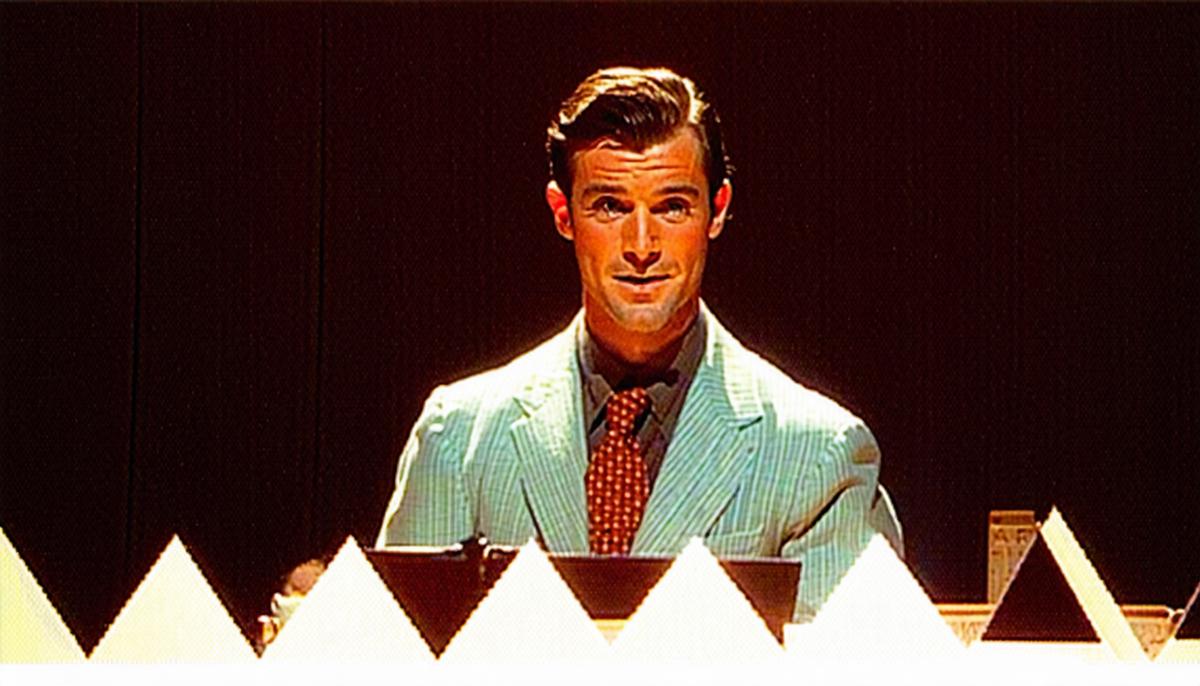
At Mercersburg Academy, Jimmy kept busy with sports, music, and acting. He headed to Princeton University to study architecture, but the acting bug bit him hard. He joined the school's Triangle Club shows, mixing singing, dancing, and comedy.
At Princeton, Jimmy met Henry Fonda, who'd later become a big Hollywood name too. Jimmy graduated in 1932 with an architecture degree, but the stage was calling his name.
Hollywood Career and Achievements
Jimmy Stewart hit Hollywood in 1935, rooming with his college pal Henry Fonda. He made his screen debut in The Murder Man (1935), quickly catching folks' attention with his charm.
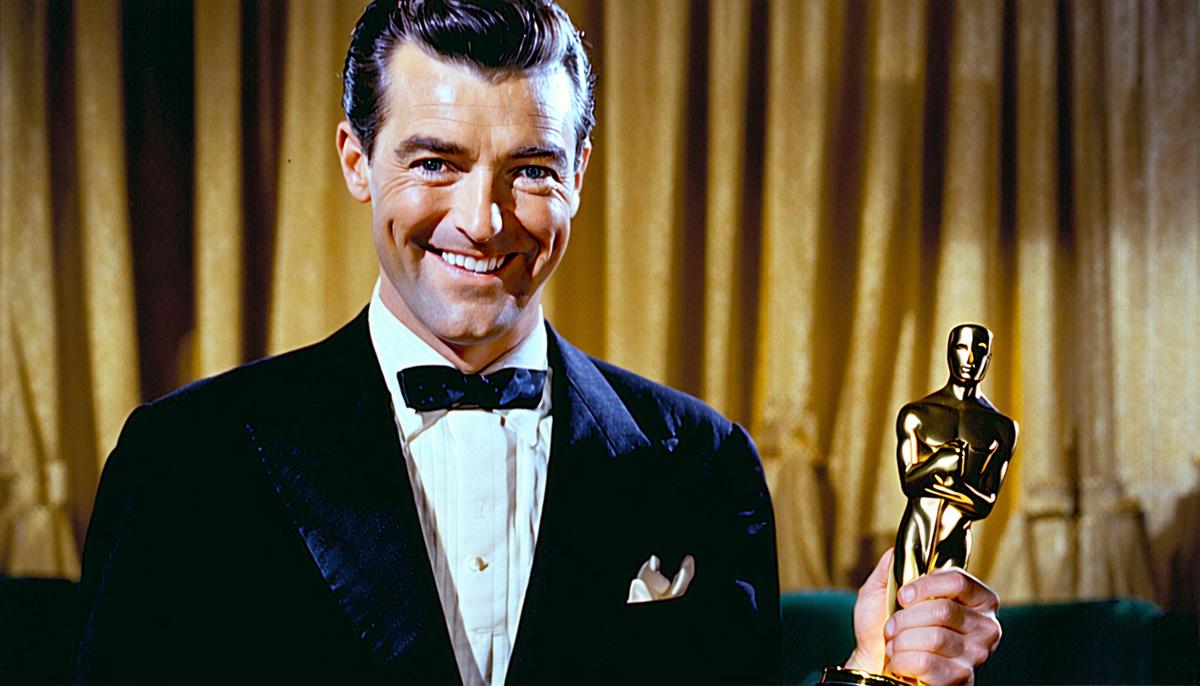
His role in Mr. Smith Goes to Washington (1939) earned him his first Oscar nomination. Then came The Philadelphia Story (1940), which landed him an Oscar for Best Actor. His proud dad displayed the award in the family store back home.
After serving in World War II, Jimmy returned to star in It's a Wonderful Life (1946). This classic cemented his place in film history and viewers' hearts. He teamed up with Alfred Hitchcock for thrillers like Rear Window (1954) and Vertigo (1958), showing he could do more than just play the nice guy.
Jimmy also shined in westerns like Winchester '73 (1950) and The Man from Laramie (1955). Through the years, he stayed true to himself, charming audiences with stories of resilience, humility, and decency.
Military Service
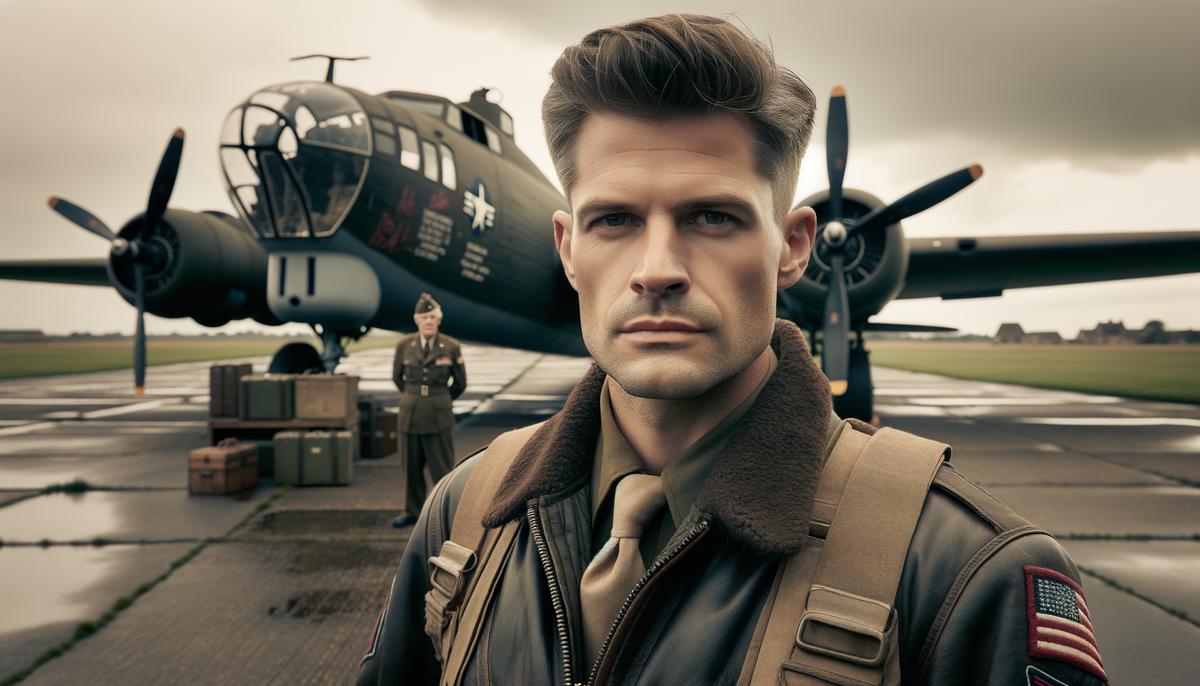
When World War II came knocking, Jimmy Stewart answered the call. He joined the U.S. Army in March 1941, trading his movie career for military service. At first, he was too light for the weight requirement, but he bulked up and made the cut.
Jimmy earned his wings in August 1942 and soon found himself in Europe, leading a squadron of B-24 bombers. He flew 20 combat missions over enemy territory, including risky flights over Germany.
By war's end, Jimmy had climbed to Colonel and earned the Distinguished Flying Cross and the French Croix de Guerre. He stuck with the Air Force Reserve after the war, rising to Brigadier General in 1959.
Jimmy's military service showed he was more than just a Hollywood face. It proved he valued honor and duty as much as his film career, making him a real-life hero to many.
Personal Life and Legacy
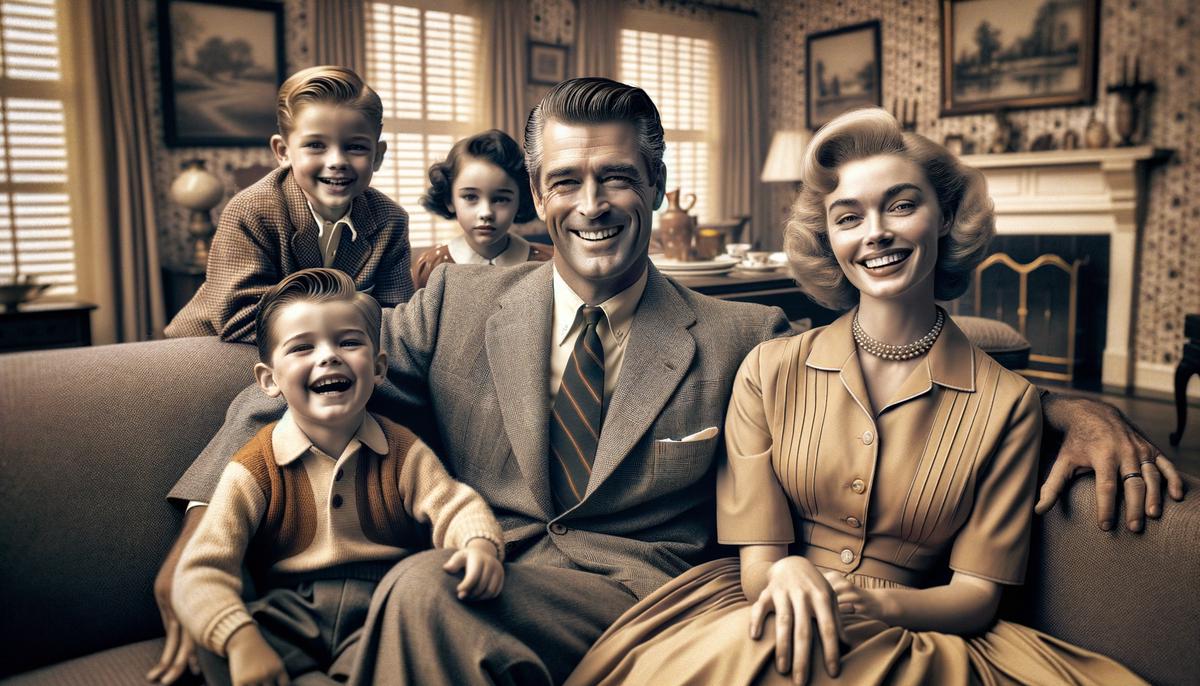
Jimmy Stewart married Gloria Hatrick McLean on August 9, 1949. They raised twin daughters and Gloria's two sons from her previous marriage in their Beverly Hills home. Jimmy focused on teaching his kids kindness, integrity, and service to others.
The family faced tough times when they lost Ronald in the Vietnam War. This real-world struggle echoed the challenges Jimmy often portrayed on screen.
In the 1970s and 80s, Jimmy connected with fans through TV shows like The Jimmy Stewart Show and Hawkins on Murder. His down-to-earth spirit made him a comforting presence in American homes.
Jimmy's legacy goes beyond his awards and fame. He showed how a small-town boy could become a big-time star without losing his values. He left us as a man loved by family and fans alike, proving that true heroes can be found in the kindest of hearts, both on and off the screen.
Jimmy Stewart's story reminds us that real heroes shine in their everyday roles, leaving behind a legacy of warmth and sincerity.
- Shakespeare N. Ian Fleming: The Complete Man. HarperCollins; 2023.
- Stewart J. James Stewart: A Biography. St. Martin's Press; 1997.
- American Film Institute. AFI Life Achievement Award: James Stewart. American Film Institute; 1980.