
Invention and Early Development
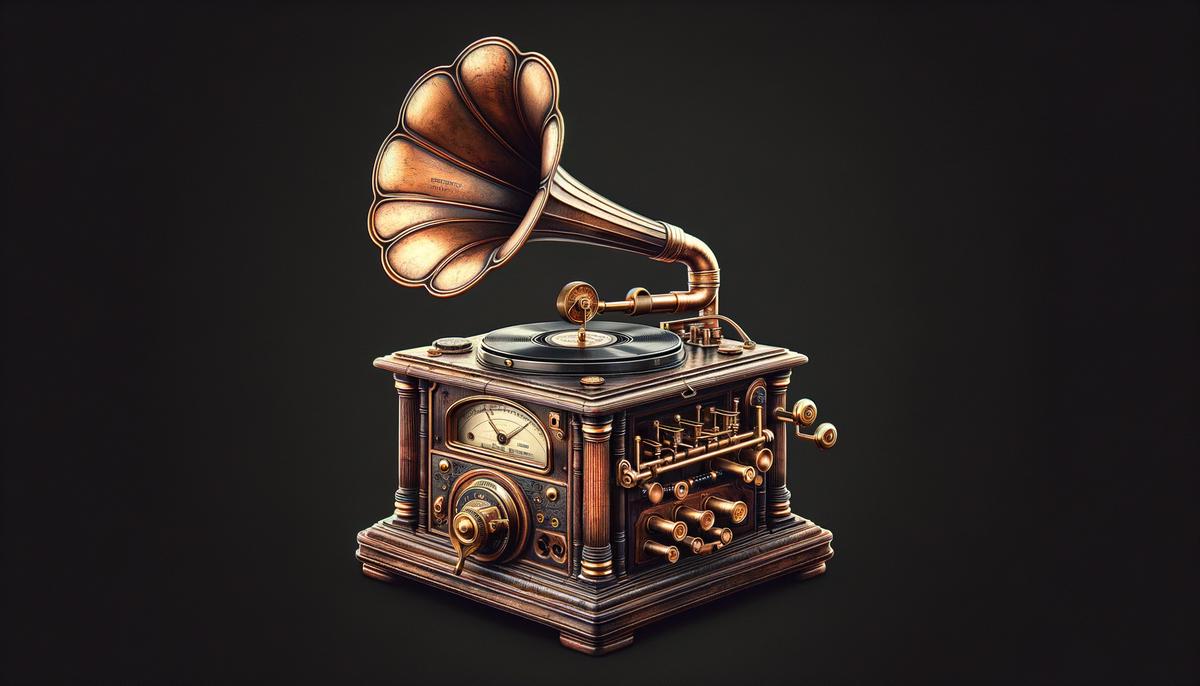
Thomas Edison's phonograph paved the way for jukeboxes, though it was a far cry from what we know today. It required manual cranking and used cylinders for playback. In 1889, Louis Glass and William Arnold introduced the nickel-in-the-slot phonograph, allowing people to pay for music. Listeners had to use ear tubes to hear the tunes.
Emile Berliner's gramophone switched from cylinders to discs, while John Gabel's 1906 multi-select phonograph offered up to 24 song choices. These innovations made music more accessible in public spaces.
As the 1920s rolled in, amplified sound allowed jukeboxes to entertain larger crowds. During the Great Depression, they offered affordable entertainment. Seeburg's jukebox with eight turntables set the stage for the jukebox craze of the 1940s.
By the early '40s, companies like Rock-Ola, Seeburg, and Wurlitzer were producing eye-catching, colorful jukeboxes that became the soul of many establishments.
Technological Advancements
Electronic amplification in the 1920s was a game-changer, allowing jukeboxes to share music with entire rooms instead of through ear tubes. The switch from cylinders to discs made jukeboxes more reliable and easier to use.
Multi-select mechanisms, like John Gabel's innovation, let patrons choose from a variety of songs. These advancements transformed jukeboxes from simple music players into the life of the party at diners, bars, and cafes.
The Golden Age of Jukeboxes
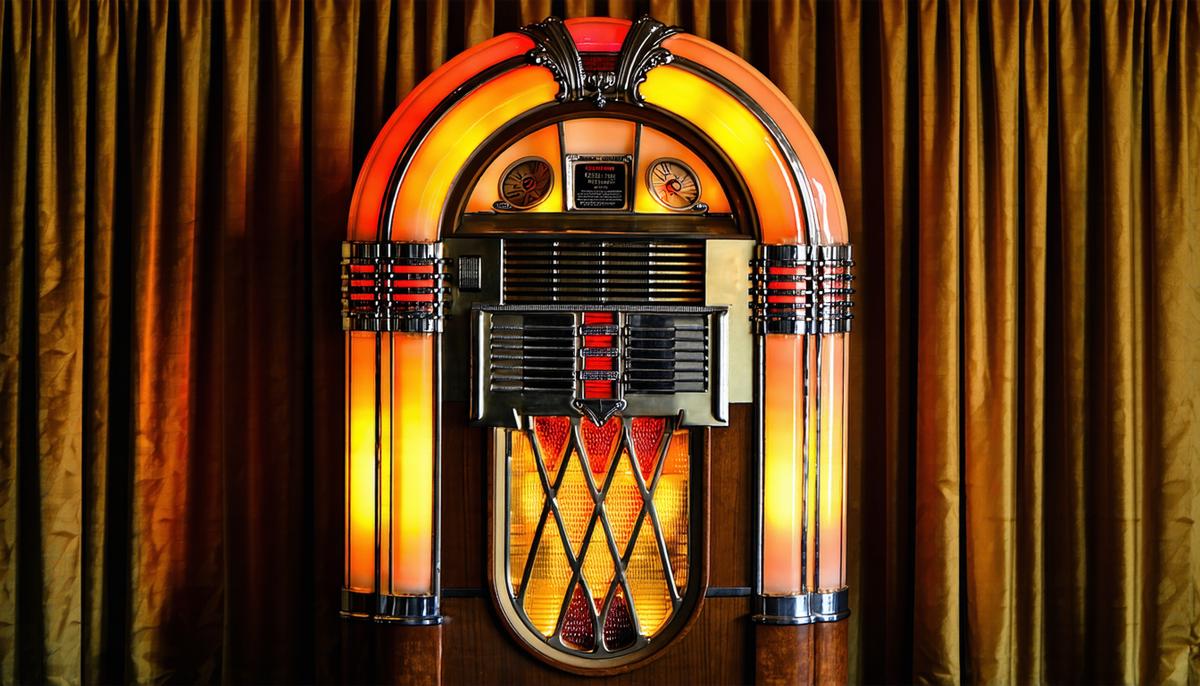
The 1940s and 1950s marked the Golden Age of jukeboxes. They became cultural icons, especially with the rise of rock 'n' roll. Jukeboxes were more than music players; they were the heartbeat of social spaces like diners and bars.
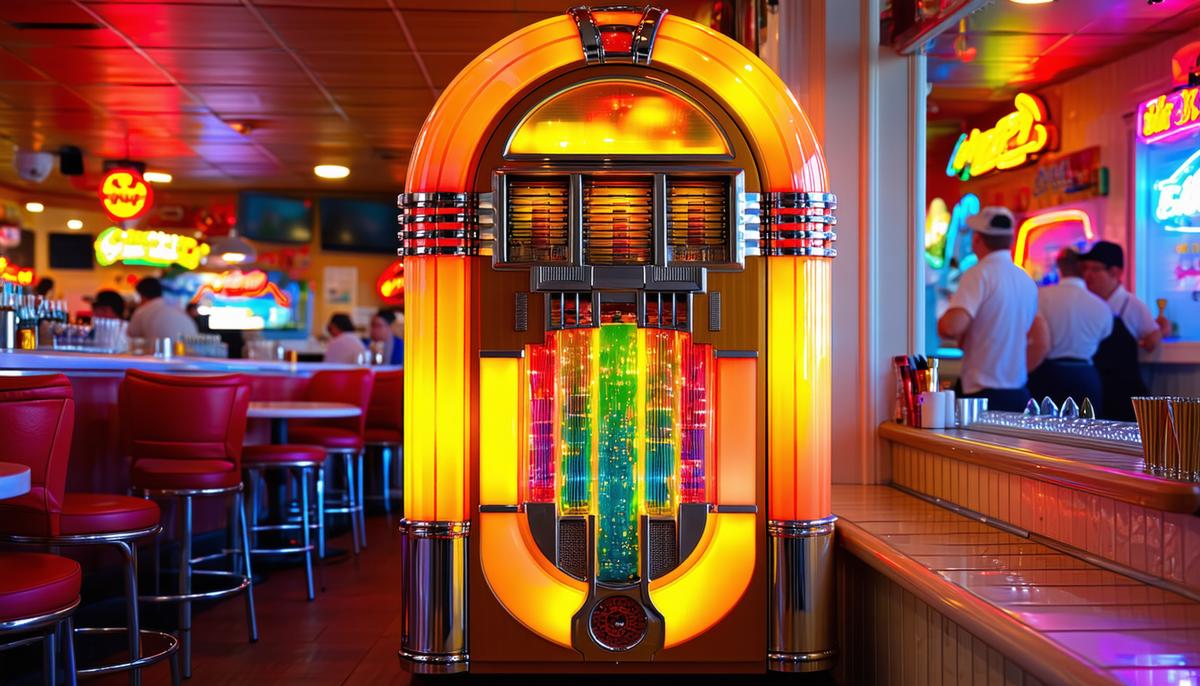
The Wurlitzer Bubbler, with its colorful, dancing liquid tubes, became a visual attraction in its own right. Jukeboxes turned diners and bars into stages for first dates, brainstorming sessions, and teenage rebellion.
These machines offered a sense of solidarity, providing comfort and entertainment whether in a sunny diner or a smoky evening bar. They were about shared experiences, making everyday moments feel special with just the right song.
Cultural Impact and Decline
From the 1940s through the 1960s, jukeboxes were cultural cornerstones, bringing diverse communities together through music. They helped popularize new genres and artists, acting as cultural ambassadors for emerging sounds.
However, by the 1960s, radios and televisions began to challenge the jukebox's dominance. These newer technologies offered free music at home, making the coin-operated jukeboxes seem a bit outdated.
Yet, jukeboxes have found new life through nostalgia and technological updates. Digital jukeboxes now offer vast playlists, blending old-school charm with modern convenience. Despite competition, jukeboxes continue to hold a special place in our cultural memory, reminding us of the joy of shared musical experiences.
Jukeboxes were more than just music players; they were social catalysts that brought people together through shared tunes. Their legacy lives on, reminding us of the simple pleasure of dropping a coin and hearing your favorite song fill the room.
- Glass L, Arnold W. Nickel-in-the-slot phonograph. US Patent 454,470. 1891.
- Berliner E. Gramophone. US Patent 564,586. 1896.
- Gabel J. Automatic coin-operated phonograph. US Patent 836,531. 1906.
- Seeburg JP. Selective phonograph. US Patent 1,685,820. 1928.
- Wurlitzer R. Jukebox. US Patent D142,367. 1945.