
Look at that – some people still remember what real driving felt like. I salute those those who remember a time when every drive was a symphony of tactile sensations and subtle mastery.
There is more than one thing we miss in modern cars – if you still have an eye for the timeless charm of true driving, you’ll know exactly what we’re talking about.
Join us as we revisit the features that made every ride a unique experience…
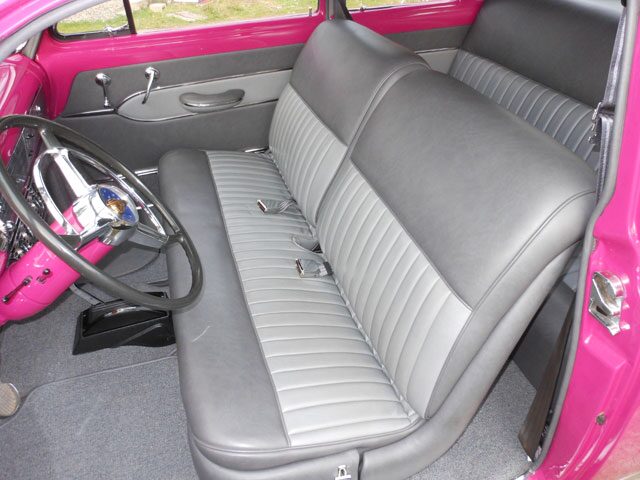
5. Bench Seats
Bench seats in cars were once common, offering a spacious platform for front passengers. Unlike today’s individual bucket seats, benches invited camaraderie. They doubled as a makeshift bed for spontaneous adventures or extra room to shuffle your feet on long road trips.
Bench seats made it possible to slide out of the car with a single motion. They housed all sorts of character — whistling springs, worn leather, and that touch of nostalgia from late-night drives. It wasn’t just a seat; it catered to comfort with its wide, endless possibilities of sitting positions.
Safety regulations and the demand for improved ergonomics led to the rise of individual bucket seats. But what we lost was more than just seating; the bench represented accessibility and simplicity. Riding three up front? That was the real luxury.
4. Vent Windows
Vent windows were the unsung sidekicks of our beloved cars back in the day. Instead of reaching for a fancy button to blast the AC, you could crank open your vent window, letting in just the right amount of fresh breeze.
They were so much more than just a way to cool down; they were conversation starters that could turn a mundane ride into an enjoyable experience. Few things beat the sensation of that gentle gust swirling through your hair as you glide down a sun-dappled road.
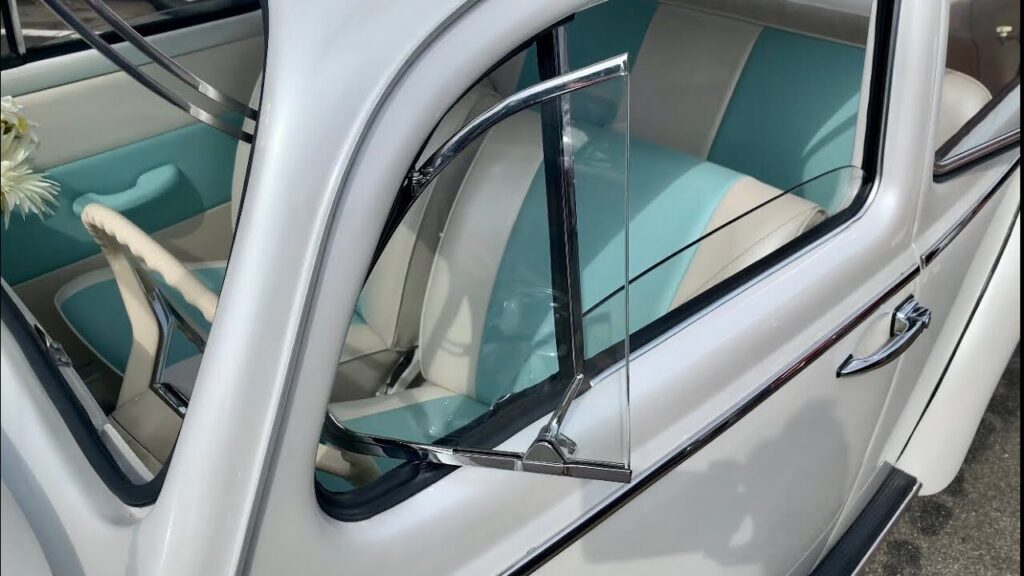
Vent windows had a practical side too—the ability to defrost your windshield without fuss. With a flick of the wrist, they got to work, clearing the mist and setting you on your way.
As automakers embraced electric windows and ACs, these delightful panes were sealed shut forever. In their place, we got rolling windows and digitally controlled climates. Sure, those offer consistent comfort, but you can’t help but feel a tinge of nostalgia for the uncomplicated elegance of vent windows.
One of the first vehicles to feature this system was the 1933 Pontiac Economy Eight, which paved the way for the rest of the General Motors range to fit them to its vehicles before European and Asian markets began to follow suit.
3. Four-On-The-Floor Gearshift
The classic four-on-the-floor gearshift was a true dance partner to the motor enthusiast’s heart. It handed you control over your ride, one gear at a time.
Imagine cruising down Route 66, your hand resting on that unmistakable stick shift, commanding your car with each change of gears. It was a ritual: pushing the clutch, feeling the mechanics of the engine as you slid into the next gear, and releasing with that satisfying transition.
The four-on-the-floor provided an intimate connection between you and your machine. It required us to be present—mindful of each hill and bend, engaged with every sound of the roaring engine.
As convenience swept in, the romance of the manual was replaced by the practicality of the automatic. Today’s motors offer effortless shifting, but they will never replicate the symphony of sounds and sensations that came with mastering that floor-mounted maestro.
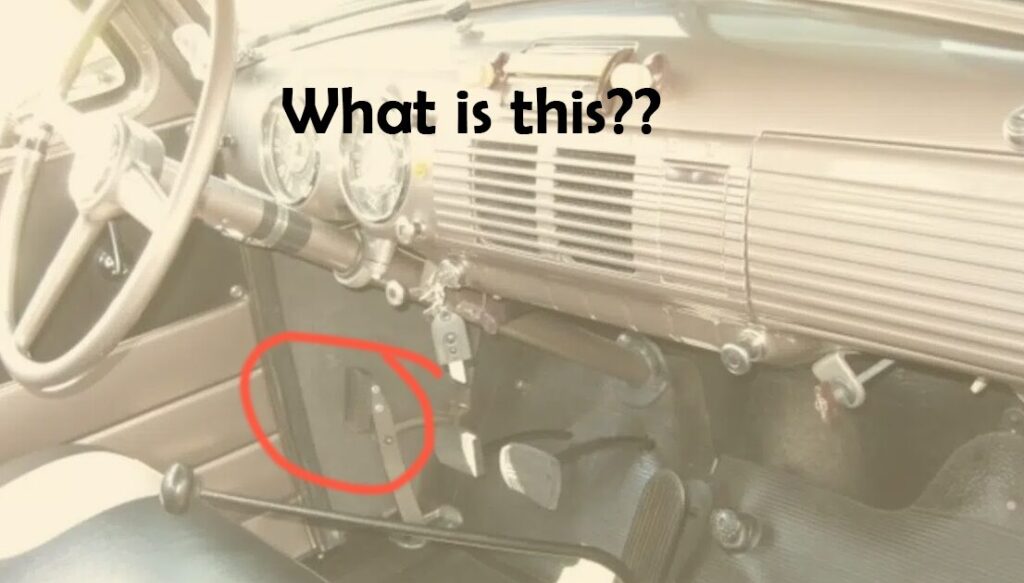
In a classic 1950s manual, you didn’t just master the four‐on‐the‐floor gearshift—you also had to coordinate four distinct pedals, each with its own vital function. Here’s how they worked together:
- Parking Brake Pedal (Far Left):
This pedal engaged the parking brake, locking the rear wheels to keep the car securely in place when parked or to provide extra stopping power in emergencies. - Clutch Pedal (Next to the Parking Brake):
Positioned immediately to the right of the parking brake, the clutch allowed you to temporarily disconnect the engine from the transmission. This separation was essential for smooth gear changes and for preventing engine stalling. - Brake Pedal (Center):
The central pedal activated the primary braking system, letting you slow down or bring the vehicle to a stop by applying hydraulic pressure to the brakes. - Accelerator Pedal (Far Right):
The gas pedal controlled the engine’s power output. By modulating your foot pressure on the accelerator, you could adjust your speed and overall performance.
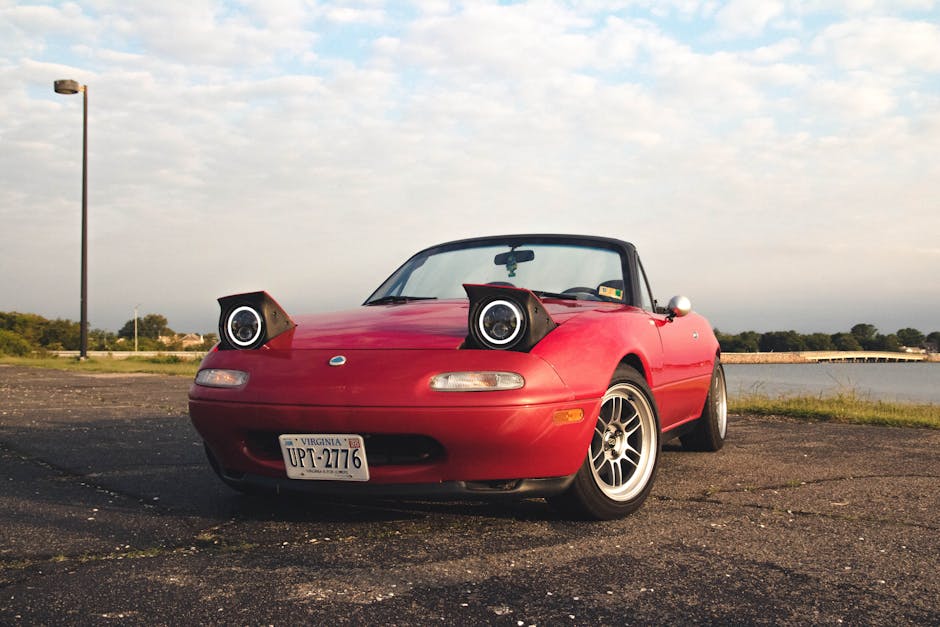
2. Pop-Up Headlights
Pop-up headlights were more than just a functional component of our beloved vehicles; they were a nod to a simpler, yet more adventurous era of driving. Each time you flicked that switch and watched those headlights rise, it was like your car was inviting you on another grand escapade.
These headlights quickly turned into a hallmark of automotive charm, especially in sleek sports cars. Kids and adults alike delighted in their mesmerizing magic—almost like watching a car perform its own version of peekaboo!
However, safety regulations and the pursuit of aerodynamic efficiency nudged them off the stage. While today’s headlights boast cutting-edge technology and improved safety features, they simply can’t replicate the joy of watching your car’s ‘eyes’ actively open to the world.
For those of us who remember the thrill of those pop-up luminaries, there’s a wistful longing for the days when our vehicles didn’t just light the road—they brought a bit of light to our hearts.
- Added unnecessary complexity
- Failed frequently
- Dangerous for pedestrians
- Made non-compliant with safety regulations by early 2000s
1. Three-On-The-Tree Manual Transmission
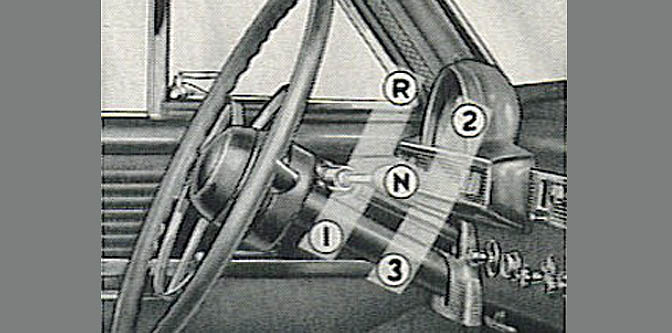
The three-on-the-tree manual transmission epitomized an era when driving was a blend of skill, style, and simplicity. Positioned on the steering column, this gearshift system transformed mundane commutes into orchestrated performances.
With a three-on-the-tree setup, you didn’t just drive your car; you waltzed with it. Each shift required just the right timing and a practiced hand. One hand guided the wheel and the other danced between speeds, while your foot played composer on the pedals.
The ability to handle traffic with such a system was a badge of honor. It was a nod to an age where driving was an active experience, filled with engagement and enjoyment.
Gone are those days when the steering column facilitated such wonderful artistry, sidelined now by contemporary drivetrain systems. For those of us who cherish the nostalgic resonance of the three-on-the-tree transmission, there’s a longing for the road less automated, where driving felt like a performance worthy of the open road.
As we look back at the golden days of motoring, it’s clear that the journey was just as important as the destination. The charm and simplicity of those times remind us that driving was an experience filled with joy and connection. Here’s to cherishing those memories and keeping a piece of that era alive in our hearts.
- Car and Driver. Investigation into Rudi Klein’s car collection. 2011.
- RM Sotheby’s. Auction announcement for Rudi Klein’s collection. 2023.