
Pioneering Desilu Productions
Lucille Ball wasn’t just a comedy queen; she was a business empire builder. Desilu Productions, co-founded with Desi Arnaz, was her intentional masterstroke. Ball blazed her trail, breaking through Hollywood’s barriers with determination.
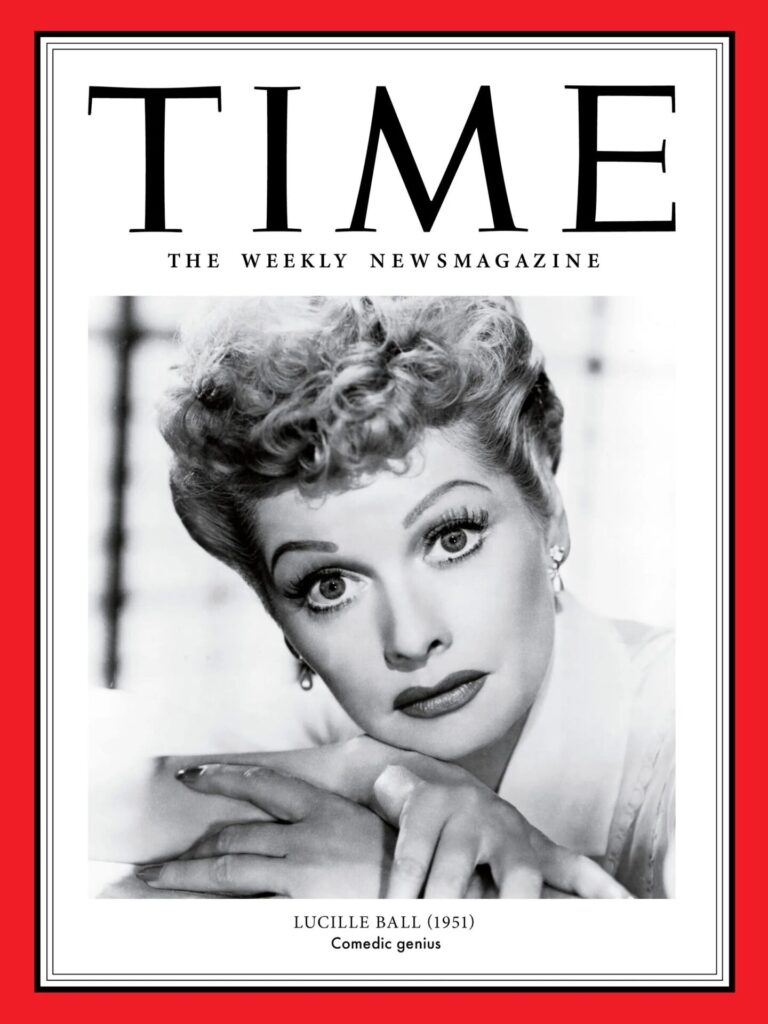
Desilu faced tough challenges, especially with the industry’s glass ceiling. But Ball knew when you can’t find your place, you build your own! She bought out Arnaz’s shares and became the first woman to run a major studio.
Innovation was key. Desilu turned production on its head with:
- Live studio audiences
- Multi-camera setups
These weren’t just risky—they were revolutionary, changing television forever.
Ball’s knack for spotting talent led to iconic shows like Star Trek and The Dick Van Dyke Show. Her strategic wisdom and creative intuition blasted through norms, clearing the way for future creators.
Lucy’s genius wasn’t confined to her TV persona. Off-screen, she wielded influence with the same charisma. When folks doubted, she delivered, proving that setbacks only herald new beginnings.
By investing in herself and her brand, Ball ensured Desilu’s enduring influence, leaving a blueprint that future moguls still study.

Breaking Barriers in Hollywood
In the 1950s, when men often took center stage and housewives ruled TV, Lucille Ball shattered the clichéd narrative with moxie. She confronted norms head-on, proving that sometimes you need to lay down a new path instead of following the beaten one.
Take casting Desi Arnaz in I Love Lucy. Ball swayed skeptical TV execs who quivered at the idea of a Cuban man playing her on-screen husband. She hit the road with Desi, proving their chemistry was as smooth as a 50s crooner’s voice.
Under Lucy’s guidance, Desilu became more than a studio; it was a progressive change emblem. Greenlighting diverse shows like Star Trek and Mission: Impossible was her way of saying, “Let’s boldly go where no studio has gone before!” These series weren’t just entertainment; they challenged societal norms.
While Elvis swiveled on stage, Lucy was an unsung rebel pushing a revolution behind the camera. Her influence expanded beyond I Love Lucy reruns, showing how a strong vision could alter the status quo. Desilu’s diverse programming set an industry standard: innovation isn’t optional, it’s necessary.
"I am not funny. My writers were funny. My directors were funny. The situations were funny."
Lucy’s story is one of barriers broken. She was the underdog who turned adversity into advantage, showing that Hollywood’s heart could reside in a woman who refused to fit the mold.

Longevity and Reinvention
Lucille Ball’s journey from “B” movie starlet to television royalty is as riveting as her comedic escapades. In an industry that often shelved female stars past their prime, Lucy dodged relegation, proving you could start in the backseat and end up riding shotgun.
Her adaptability fueled her rise and kept audiences laughing through countless reruns. Lucy transformed what could have been a dim career into one shining brighter than a Hollywood marquee. She wasn’t just cast in comedic roles; she embodied the comic zeitgeist, bringing slapstick sincerity to the small screen.
With I Love Lucy, she turned limited early film days into a saga of continuous success. Desilu Productions became her playground, an ever-adaptive enterprise bearing her stamp of ingenuity. It showed vision that would make any palm reader jealous.
Yet she never strayed from the redheaded charm that made her famous. By amplifying her comedic genius and balancing it with business acumen, she kept Desilu relevant and prosperous. Somehow, between hand-grabbing endless laughs and landing legendary roles, she found time to greenlight groundbreaking shows.
Lucy’s career was like a finely embroidered quilt of experiences, bound by persistence and humor. The ever-present Lucy Ricardo goofiness never dimmed, reminding us it’s okay to dance a little silly, even while conquering Hollywood.
With each move, she showed that reinvention wasn’t just about keeping pace; it was about setting it. As times changed, so did Lucy, inspiring generations to tweak their life scripts in the same spirit.
Lucille Ball’s journey through Hollywood wasn’t just about laughter; it was a testament to her spirit and innovative mind. Her legacy continues to inspire those who dare to challenge conventions. In a world that often underestimated her, she stood tall, proving that with vision and determination, anything is possible.
- Ball L. Rolling Stone. 1983.
- Kusely I. Interview. Television Academy Foundation.
- New York Times. April 27, 1989.