
Lucille Ball’s Secret FBI File: America’s Sweetheart Under Scrutiny
Well, who’d have thunk it—Lucille Ball, America’s sweetheart, got tangled up with the FBI! It all started when the Washington Post found her secret FBI file. Imagine, folders ready to spill the beans on Lucy’s past, like an old soap opera with more twists than you’d shake a stick at.
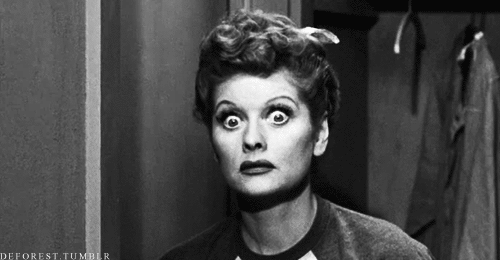
Back in 1936, Lucy registered to vote as a Communist. Hold on now, don’t get your wires crossed—it was all to make her grandfather Fred Hunt, a noted socialist, happy. She wasn’t exactly a card-carrying member doing secret handshakes or anything. Just marked that box to keep Grandpa off her case.
But this didn’t stop folks from talkin’. In the 1950s, Lucy had a chat with the House Un-American Activities Committee (HUAC). She explained her actions, saying she was no real Red—just playing the part for family. The Committee seemed satisfied, but J. Edgar Hoover’s FBI wasn’t ready to let it slide.
The FBI memos in Lucy’s file were a mix bag:
- Some pieces looked more like fan mail, packed with positive press clippings.
- Kind of strange for the typically stern Hoover.
- Yet the file included records of a 1937 meeting at Lucy’s house labeled as a Communist shindig, even though she wasn’t there.
Arnaz, Lucy’s husband, had his own pesky detail in the file, like being involved in shows deemed as part of communist fronts. Hoover’s disdain for the couple might have been more personal than political, especially considering Desi’s production company, Desilu, was behind The Untouchables—another thorn in Hoover’s side.
All in all, the file paints a picture fuzzier than an old TV signal in a thunderstorm. The FBI kept these records close to the vest, maybe hoping to keep tabs on the redhead who’d become more American icon than communist conspirator.

Lucy’s Career: Weathering the Storm
Despite the swirling menace of the Red Scare, Lucille Ball’s career weathered the storm like an old oak tree in a blustery wind. In Hollywood, where careers could be fragile, Lucy managed to shine as brightly as ever, with her show I Love Lucy turning into a fortress against suspicion.
Lucy’s show wasn’t just popular—it was a national treasure. During its heyday, I Love Lucy was pulling in nearly 60% of American households. People tuned in, week after week, to watch Lucy’s hilarious antics, whether it was her stuffing chocolates into her mouth or getting into all sorts of lovable mischief.
"The only thing red about Lucy is her hair, and even that's not legitimate."
Desi Arnaz wasn’t going to let the specter of communism spoil their TV party. During a studio audience taping, he addressed the elephant in the room with the above quip. With such charm, he helped diffuse some of the tension.
The media played their part in her untouchability. Who could resist Lucy’s charm? Her fans overwhelmingly supported her, paper headlines gave her a wink and nod, and even seasoned professionals like Ed Sullivan jumped into her corner. He noted that being a weekly visitor in millions of homes created a strong personal bond that simply couldn’t be shattered by rumors.
While others in Hollywood faced blacklists that ended careers, Ball’s distinct public persona coupled with a powerhouse television presence meant the investigation by the HUAC didn’t cast the same shadow over her as it did on many of her peers. Her case showed the power of likability and audience loyalty—attributes that helped keep Lucy dancing along through the storm.
The Power of Popularity: Lucy’s Unlikely Allies
J. Edgar Hoover had a specific interest in Lucy’s case. It’s speculated his nose was out of joint because of Desilu Productions’ involvement with The Untouchables, a show he wasn’t exactly keen on. It’s as if Hoover enjoyed keeping a close eye on celebrities, documenting little indiscretions like a nosy neighbor.
But Lucy had an unexpected roster of cheerleaders:
- Walter Winchell, who first broadcasted Lucy’s ties to communism, couldn’t taint the public’s affection.
- Fellow stars and media figureheads, like Ed Sullivan, chose to back America’s beloved television personality.
- Lucy’s fans were equally tenacious, sticking to their guns in supporting their redheaded heroine.
The public played a big role in protecting Ball from scrutiny. Unlike other contemporaries who bore the brunt of the Red Scare’s paranoia, Lucy had a legion of supporters. It’s likely that Hoover underestimated the power of love that Lucy inspired—love that ultimately ensured she stayed not just America’s comedic darling but an example of how charisma could outplay even the sternest government browbeater.
There was just something about Lucy, and boy, did that make all the difference.
- Carini S. Lucille Ball and the Lucy-Desi Museum. Journal of American Culture. 2003;26(4):400-408.
- Doherty T. Cold War, Cool Medium: Television, McCarthyism, and American Culture. Columbia University Press; 2003.
- Ball L, Hoffman B. Love, Lucy. Berkley; 1997.