
The 'Soap' Connection
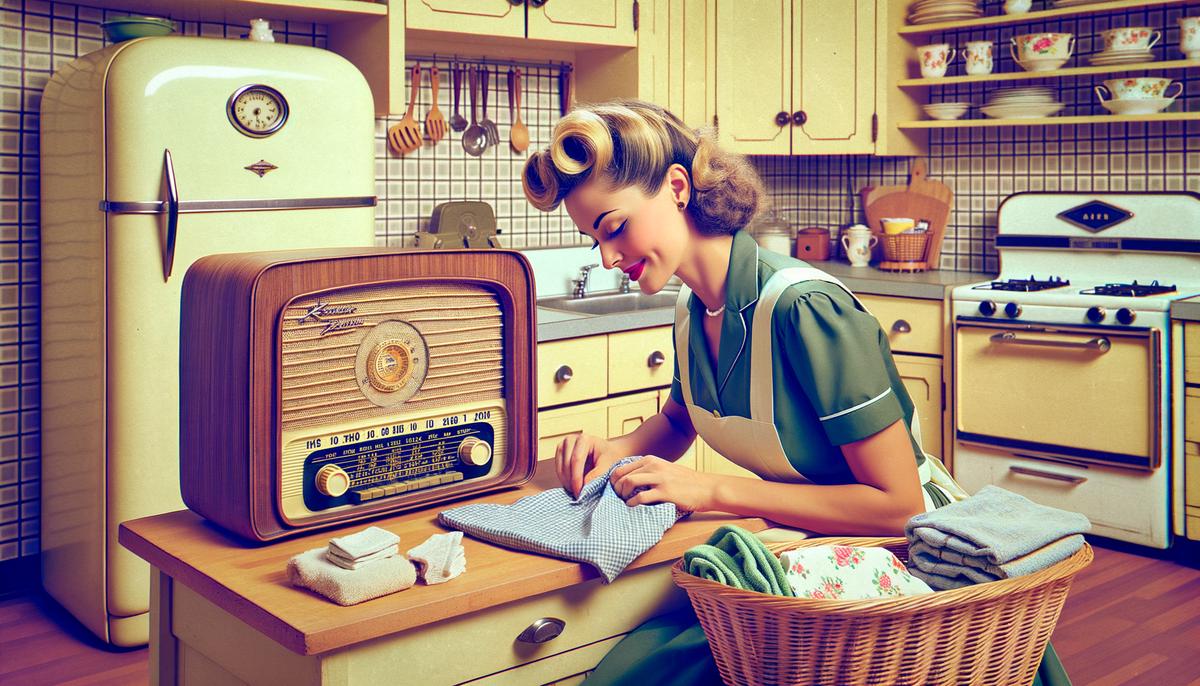
Soap operas got their name from their relationship with soap manufacturers. In the 1930s, companies like Procter & Gamble sponsored radio dramas to reach homemakers. These serialized stories offered a break from daily chores, as refreshing as a bubble bath after a long day.
The "opera" part came from the drama these shows contained. They drew inspiration from traditional operas, with stories rich in passion and family troubles, but on a more relatable scale. Each episode was like a long cliffhanger, and homemakers were hooked.
These radio shows filled late morning and afternoon schedules. Cleaning companies realized their products had prime exposure, encouraging homemakers to reach for their brand of soap as they tuned in to shows like Painted Dreams.
In the 1950s, soap operas made the leap to television, expanding from 15-minute audio tales to full-blown TV events. Shows like Coronation Street and EastEnders attracted millions of viewers with their tangled stories.
Soap operas began as a clever marketing strategy, offering just enough drama to keep viewers interested while promoting household products. Their cultural impact has been as enduring as a catchy jingle.
The 'Opera' in Soap Opera
The "opera" in soap operas brought a sense of spectacle into our homes. Instead of grand stages and elaborate costumes, we had characters experiencing the highs and lows of everyday life—marriages in trouble, family secrets, and steamy love affairs.
These shows borrowed elements from traditional operas, with each episode like an act in a never-ending play. They wove operatic tension into relatable scenarios, turning mundane experiences into epic tales. The drama was about your neighbors, not kings and queens in distant lands.
Soap operas offered an escape—a whirlwind of emotions in a familiar, domestic setting. Their enduring appeal lies in their ability to make viewers feel, reminding us that everyone enjoys a bit of drama with their daily routine.
Evolution of Soap Operas
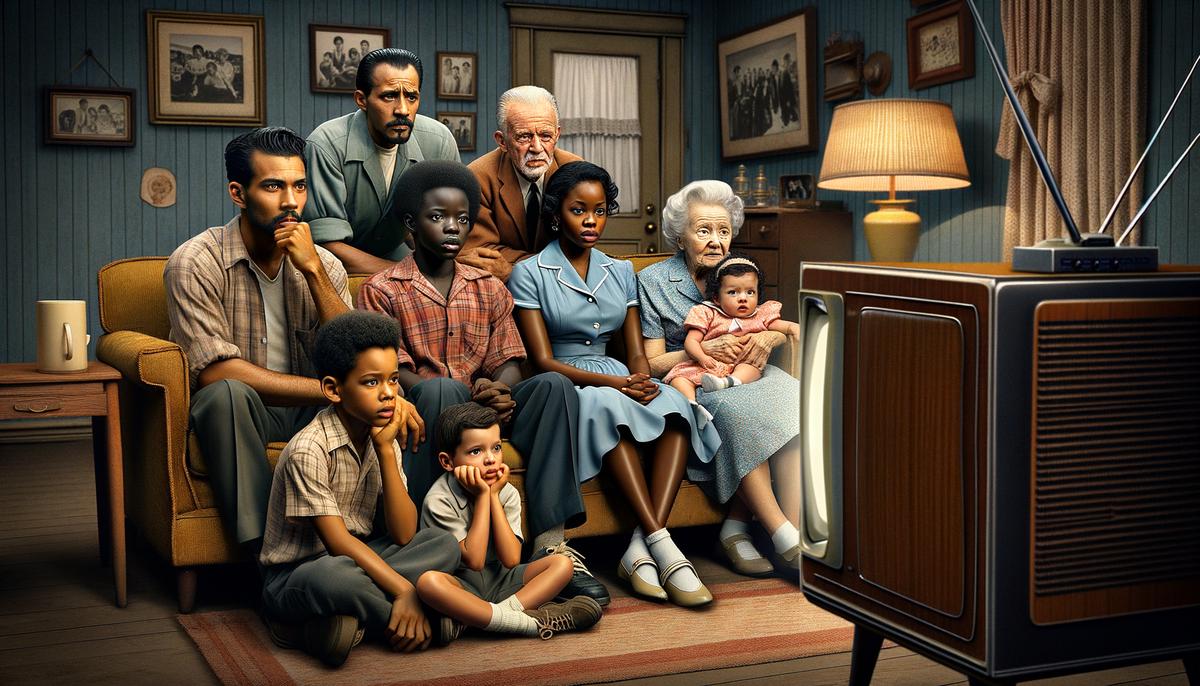
Soap operas have come a long way since their radio days. As they moved to television in the '50s, they expanded in length and ambition, filling America's afternoons with increasingly complex plots.
By the 1970s, soap operas were tackling once-taboo topics. They began to address significant societal issues like drug abuse and social justice, sparking discussions around dinner tables. The shows started to reflect America's cultural diversity, adding fresh voices and stories that resonated with broader audiences.
In the 1990s and beyond, soap operas found new life in prime-time slots. They blended traditional storytelling with modern themes, pushing the boundaries of television drama. Characters became more complex, and plots intertwined with contemporary issues.
Key Elements of Modern Soap Operas:
- Diverse cast representing various ethnicities and backgrounds
- Storylines addressing current social issues
- Complex character development
- Blend of traditional and contemporary themes
Through all these changes, soap operas have kept their core appeal—emotional high notes and relatable situations. Whether nodding to the past with nostalgia or looking to the future with progressive storytelling, these shows continue to captivate viewers. There's something comforting about curling up with a familiar soap opera, like enjoying a warm cup of cocoa on a chilly day.
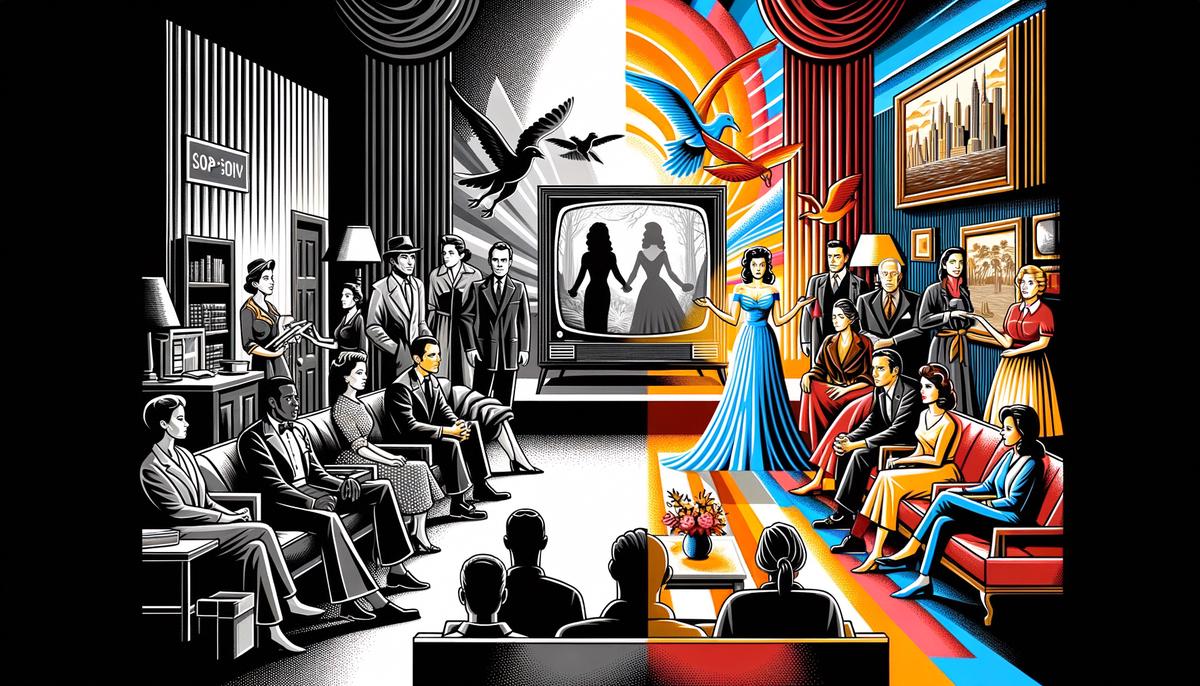
Soap operas have journeyed through time, adapting and evolving while maintaining their core appeal. These dramas continue to captivate audiences with their blend of everyday relatability and dramatic intrigue, proving that the allure of a good story never fades.
- Allen RC. Speaking of Soap Operas. Chapel Hill: University of North Carolina Press; 1985.
- Cantor MG, Pingree S. The Soap Opera. Beverly Hills: Sage Publications; 1983.
- Hobson D. Soap Opera. Cambridge: Polity Press; 2003.