
Origin of Swanson TV Dinners
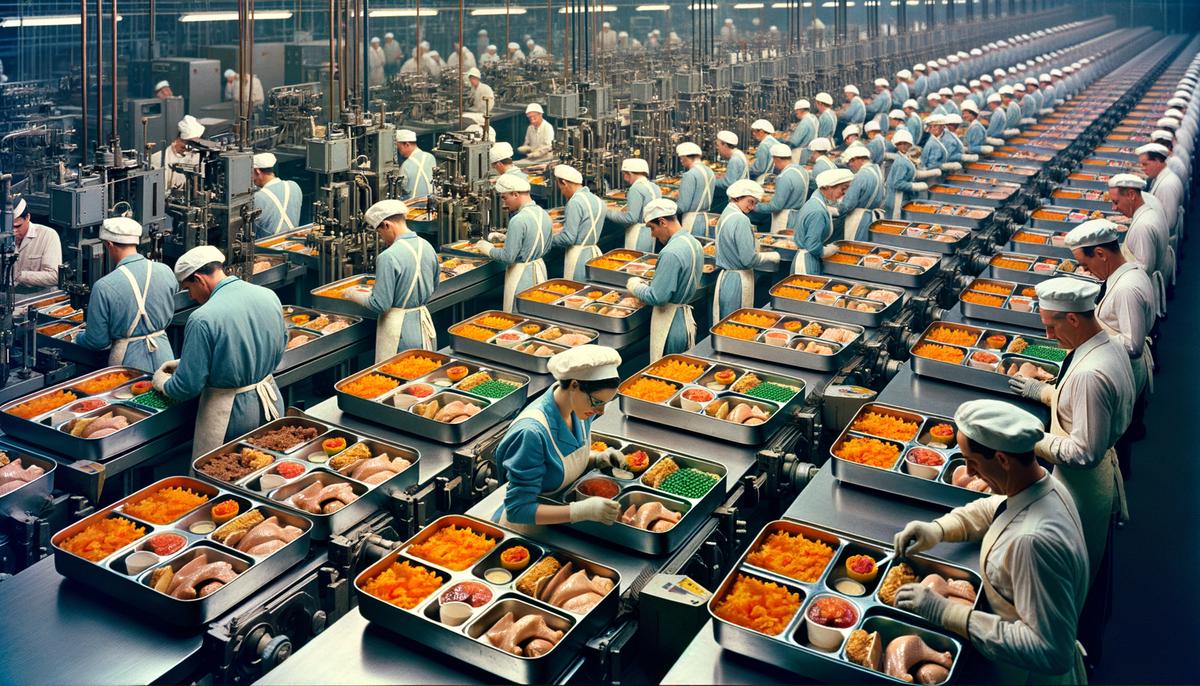
Let's jump into the 1950s, where Swanson's TV dinners became the superstar of the dining room. It all started with 260 tons of leftover turkey and a brainstorm. In 1953, Swanson introduced a frozen trio of turkey, sweet potatoes, and peas in aluminum trays, ready for the oven. In just 25 minutes, dinner was served swift and hot.
Swanson saw the societal shift, particularly women entering the workforce, and seized the moment. Their TV dinners made assembling dinner effortless, much like catching a flick at the local drive-in.
The three-compartment tray wasn't just practical; it was a shiny aluminum piece that preserved taste while keeping sections tidy. By 1954, Swanson sold over ten million of these culinary delights, thrusting the company to newfound fame. Other companies like Banquet and Morton joined the party, but Swanson had started the whole shebang.
TV dinners marked the change from kitchen-bound toil to sofa-centered enjoyment. They weren't just a meal; they were a chapter in the book of American ingenuity.
Impact and Evolution Over the Decades
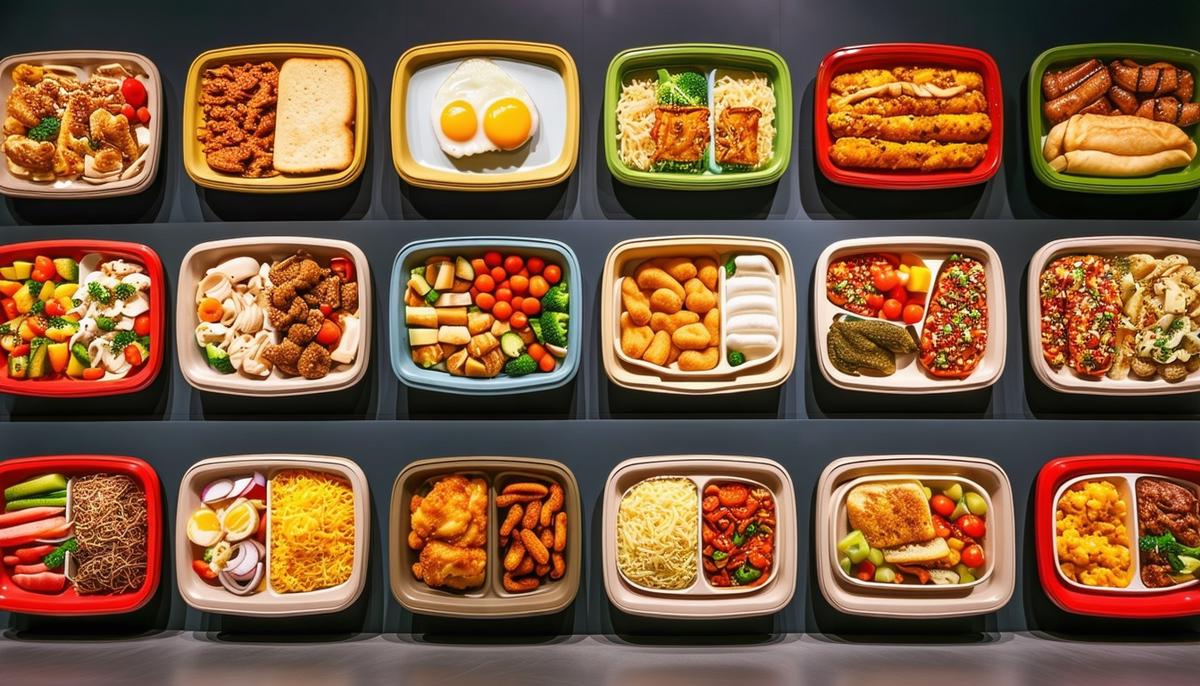
As the clock ticked into the '60s, Swanson jazzed things up by adding desserts to their trays. By the '70s, TV dinners sported some international flair with English Fish 'n' Chips and German-style dinners. Hungry-Man meals debuted, turning mealtime into an event with hefty servings perfect for big appetites.
The '80s saw Lean Cuisine saunter into town, giving a nod to calorie-conscious consumers. This innovation signaled a shift in frozen meals—bigger, healthier, yet still swiftly served. The simple aluminum trays shapeshifted into microwaveable containers, welcoming meals ready within minutes.
Nostalgia never quite left the TV dinner's frame. Through the '90s, 2000s, and beyond, TV dinners morphed into gourmet sensations with brands like Marie Callender's and Stouffer's offering sophisticated flavors in the same easy-reach format.
Marketers cleverly leaned into nostalgia, highlighting the TV dinner's role in American households while keeping an eye on the future. Those humble starts transformed into a legacy about time-saving and family time in front of the small screen.
Personal Memories and Nostalgia
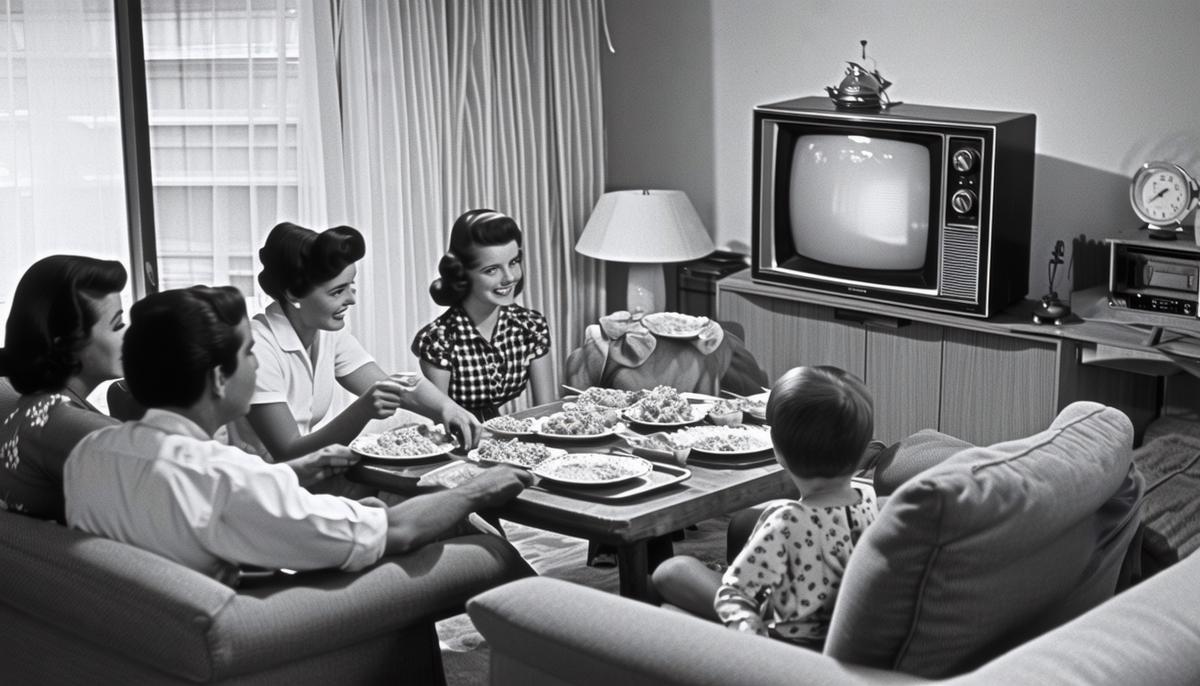
Remember those shimmering TV dinners from childhood? Our family would cozy up on the couch, eyes glued to the sitcom du jour, each of us equipped with our own TV tray balanced on skinny metal legs.
Peeling away that foil cover released a mash-up of comforting scents. There sat the iconic trio:
- A hearty chunk of meat in gravy
- A dollop of potatoes
- Those garden-variety peas
We'd joke about the orphaned peas while making a beeline for the brownie or cobbler dessert.
The real magic lay in the family ritual. Dad might nod approval between news and westerns, while mom enjoyed a break from the kitchen. Siblings squabbled over dessert, laughter echoing with the TV jingles.
Today, the TV dinner remains a motif of Americana, a memory-laden testament to simpler times. So next time you pop one in the microwave, let that distinct aroma take you back. These aren't just meals—they're beloved relics, maintaining their place in our cultural scrapbook.
Reflecting on Swanson TV dinners, it's clear they weren't just about feeding families; they changed how we experienced mealtime. These meals brought convenience into homes, creating cherished memories around the television. Their legacy continues as a symbol of innovation and simplicity in American culture.
- Birdseye C. Method of preparing foods. US Patent 1,773,079. 1930.
- Swanson CA. Frozen dinner and method for producing same. US Patent 2,674,552. 1954.
- American Frozen Food Institute. Frozen Food Sales Amid COVID-19. 2020.