
Certain phrases from the past can breathe new life into our everyday conversations. With a nod to the vibrant spirit of the 1950s, these expressions bring a touch of nostalgia and warmth that feels both refreshing and familiar.
12. Wig Chop
Asking for a “wig chop” instead of a haircut adds a bit of 1950s flair to your salon visit. It’s a fun way to turn a routine trip to the barber into something more interesting. Imagine walking in and saying, “Time for a wig chop!” It might get a smile or two. Try using this vintage term and see how it livens up your next hair appointment.
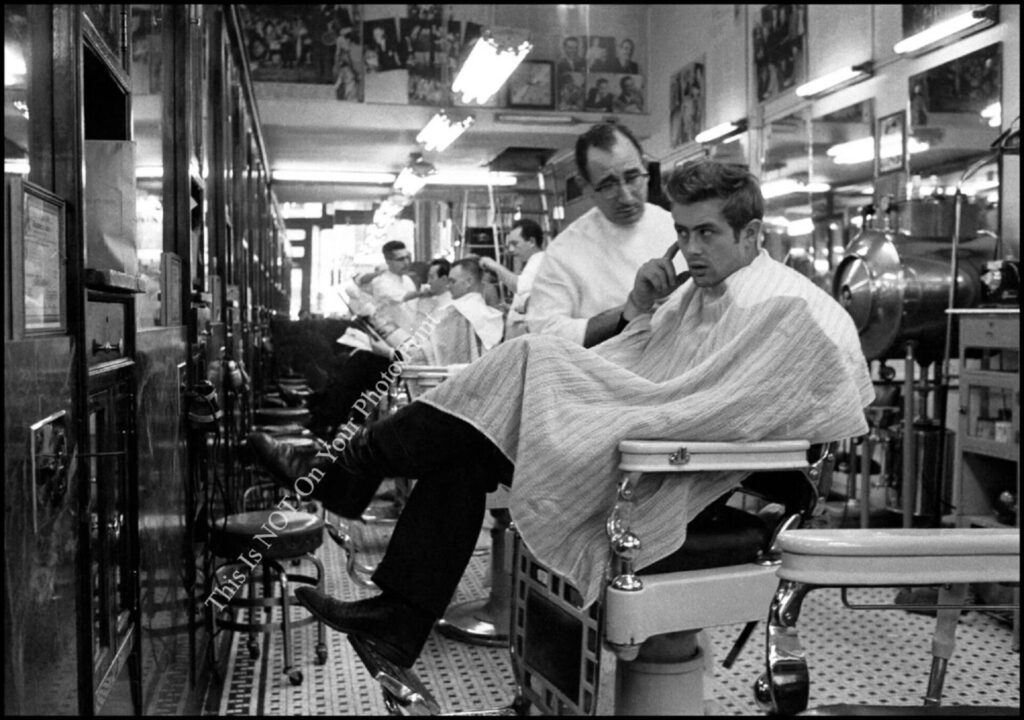
11. Daddy-O
Calling your friend “Daddy-O” is a great way to channel some 1950s cool. It was a popular term among beatniks and hipsters back then, showing you were part of the in-crowd. Picture yourself at a retro diner, saying “Hey, Daddy-O, what’s the scoop?” It adds a touch of vintage charm to your conversation and might even get a grin from your pals.
10. Back Seat Bingo
“Back seat bingo” is a playful 1950s term for a romantic encounter in a car. It brings to mind drive-in movies and starlit evenings. Using this phrase today can add a touch of nostalgia to your dating talk. It’s a fun way to describe those special moments, harking back to a time when every outing felt like an adventure.
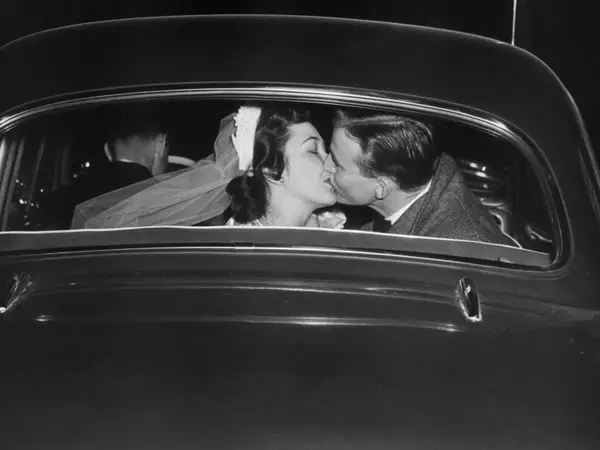
9. Made in the Shade
“Made in the shade” is a great way to say everything’s going smoothly. It paints a picture of easy living and good times. Whether you’ve just gotten a promotion or you’re having a perfect day, this phrase captures that feeling of things lining up just right. Try using it to add some vintage optimism to your conversations.
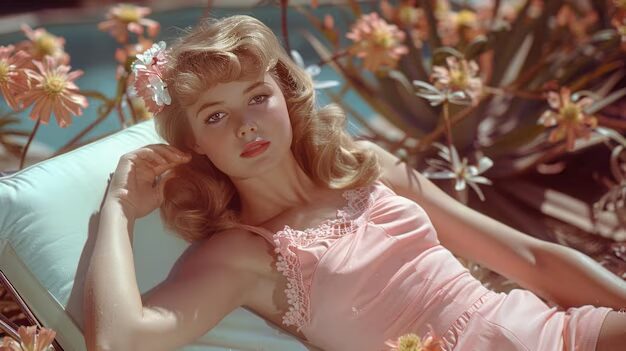
8. Cut the Gas
Instead of saying “be quiet,” try “cut the gas.” It’s a snappier way to ask for silence that adds a touch of 1950s style. Imagine using it in a busy diner or at a lively party. It’s a fun way to get people’s attention while adding a bit of vintage flair to your language.
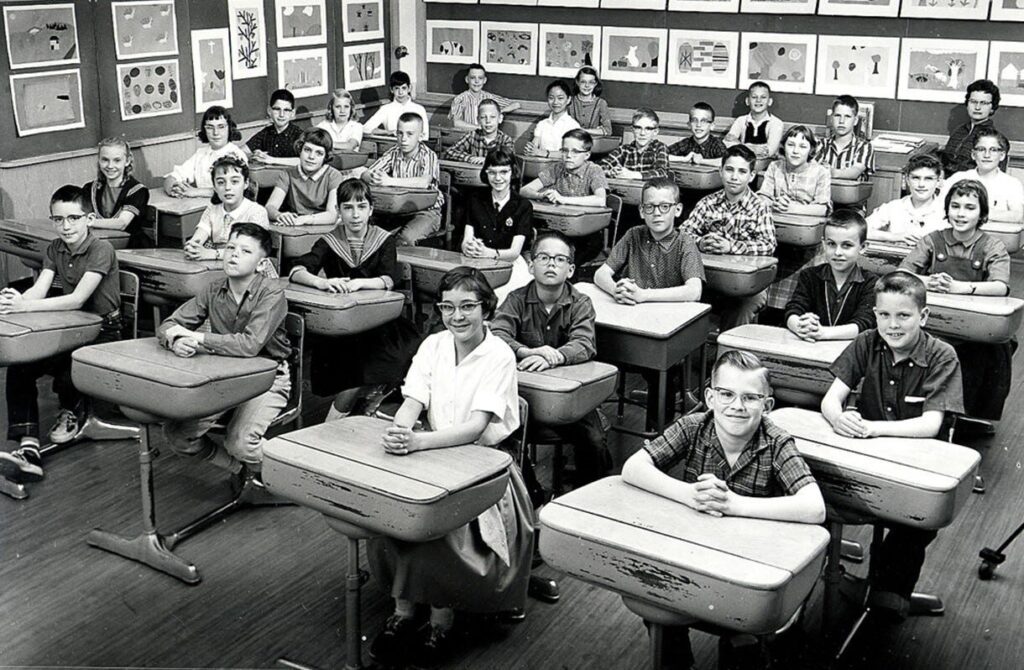
7. Flip Your Lid
When someone’s getting worked up, telling them not to “flip your lid” is a playful way to say “calm down.” It brings to mind old cartoons where characters’ heads would pop off when they got angry. Using this phrase can help lighten the mood in tense situations while adding a touch of 1950s charm.
6. Razz My Berries
“Razz my berries” is a fun way to express excitement or approval. Instead of just saying something’s great, this phrase adds some 1950s pizzazz. You could use it to describe a delicious meal, a fantastic concert, or any other awesome experience. It’s sure to get people’s attention and maybe even a laugh.
5. Word from the Bird
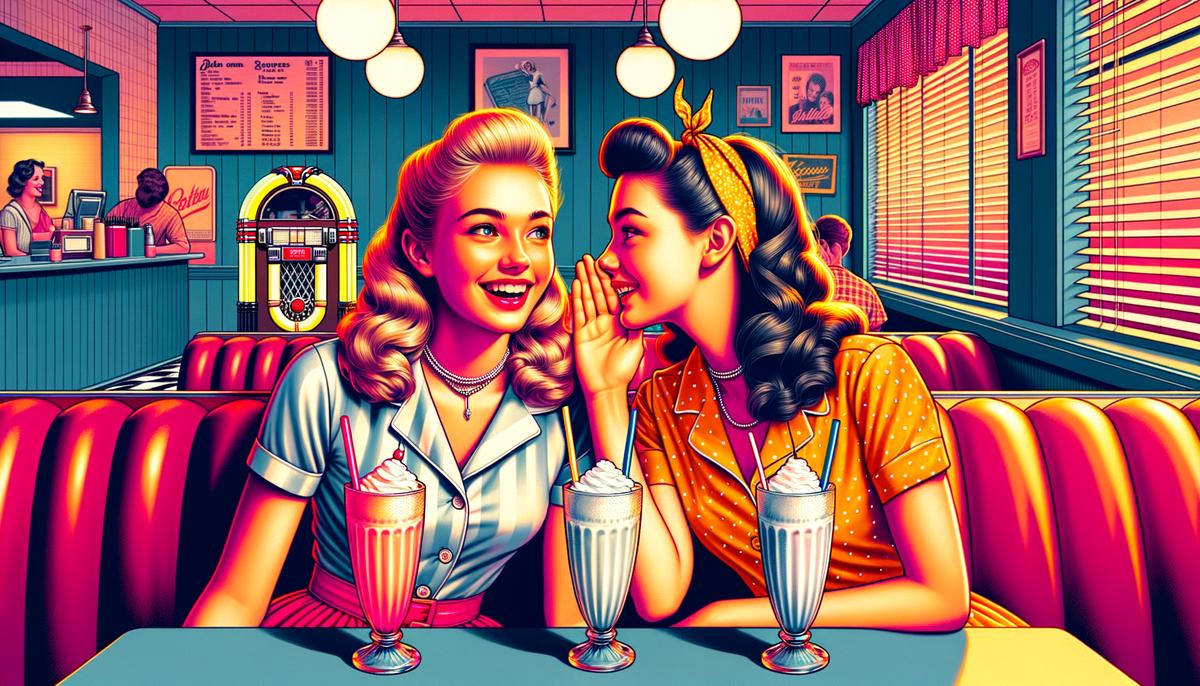
When you want to confirm something’s true, try saying it’s the “word from the bird.” This quirky phrase adds a bit of 1950s flair to your conversations. It’s a fun alternative to simply saying “that’s the truth.” Next time someone shares some news or gossip, you can respond with this phrase to add a touch of vintage charm.
4. Party Pooper
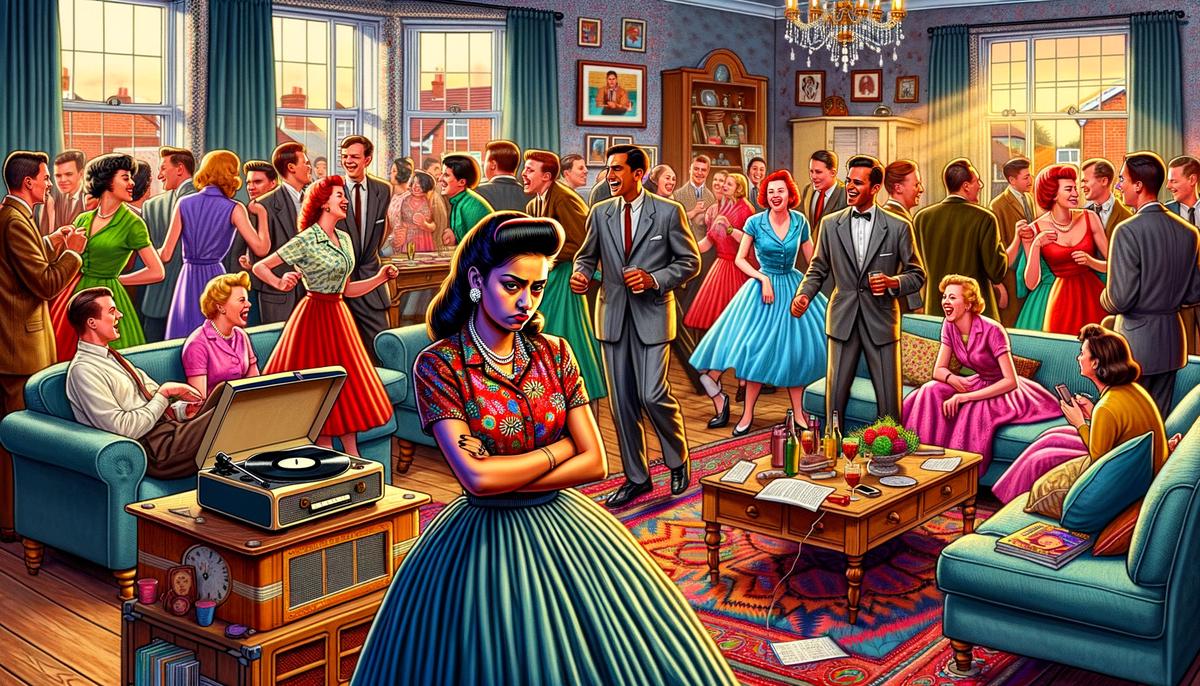
In the 1950s, “party pooper” emerged as a playful way to call out those who seemed to dislike fun. It captured the essence of unexpected dullness at a lively event. Picture a house filled with doo-wop music and laughter. In the corner, someone grumbles about the noise. That’s when you’d hear: “Don’t be such a party pooper!”
Using “party pooper” today does more than just tag a buzzkill; it reminds us that life is best enjoyed with a sense of rhythm and spontaneity. Whether it’s a casual get-together or a larger celebration, this term lightheartedly pokes fun at our reluctance to let loose.
So next time you spot someone frowning at your next bash, remember that a little “Come on, don’t be a party pooper!” might just be the sprinkle of retro flair needed to coax even the most serious pals into the fun.
3. Ankle-Biter
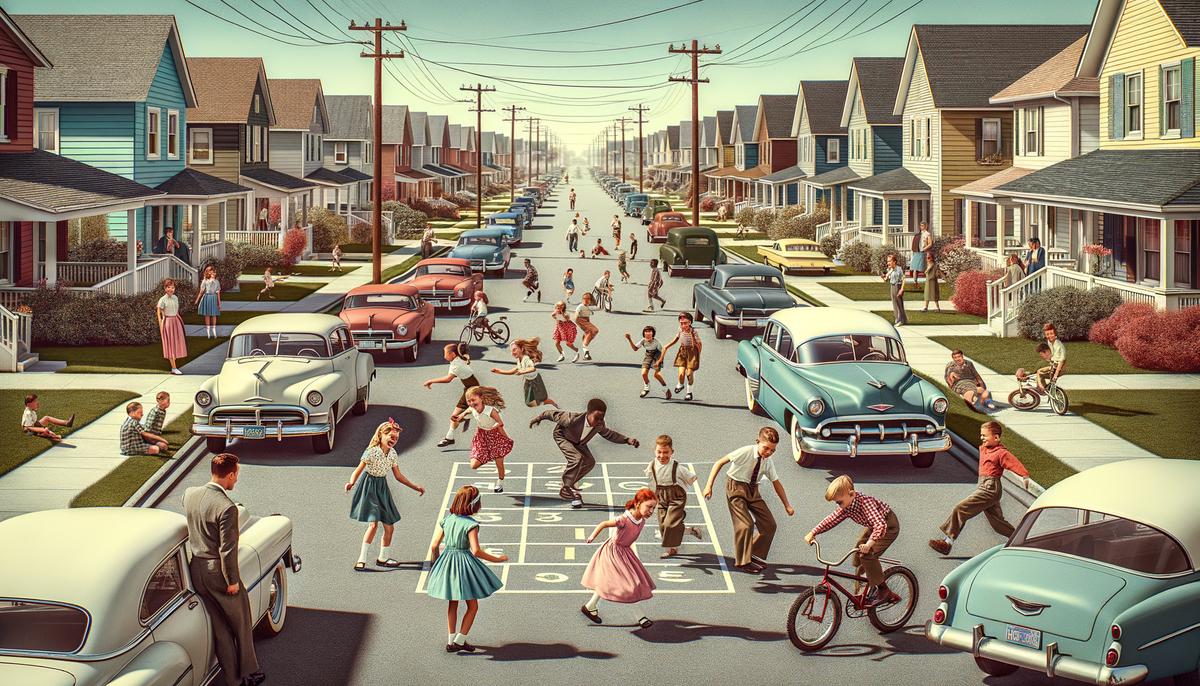
“Ankle-biter” is a charming term from the past that’s worth bringing back. It captures the essence of childhood – boundless energy, mischief, and the tendency to be found exactly where they shouldn’t be.
Using “ankle-biter” in conversation today adds personality and joy, transforming an everyday reference to children into a delightful nod to eras gone by. Whether you’re describing your niece’s adventures or your toddler’s constant movement, this spirited term is sure to lighten up the room with a touch of 50s flair.
Next time you’re at a family gathering, watching kids run circles around the picnic table, try letting “ankle-biters” slip into your speech. You might find those around you smiling, sharing a knowing nod at a term that carries a story all its own.
2. Gig
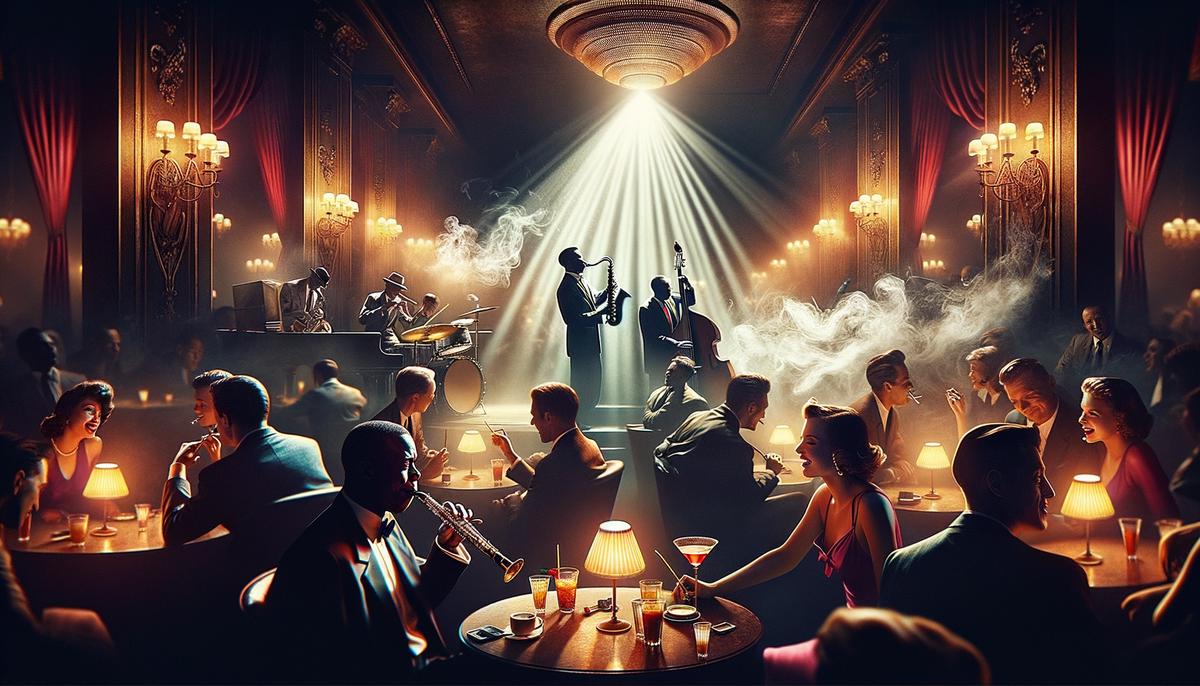
“Gig” has roots in the world of musicians, where it described performance jobs. But why not apply this snappy bit of 50s lingo to any short-term work? It can transform the mundane hustle into something that sounds cooler, adding a sense of rhythm to everyday life.
Imagine your friend telling you, “I’ve got a new gig starting next week.” Suddenly, there’s an air of excitement, as if they’ve announced a world tour rather than a new office position.
Whether you’re freelancing, working a side hustle, or starting a creative project, calling it a “gig” gives it an aura of charm. It celebrates the spirit of taking opportunities as they come—one cool project at a time.
So, whether you’re picking up temporary work or trying out a new hobby, why not call it a “gig”? You’ll add a dose of 50s pizzazz to your routine, reminding everyone that each task is a chance to groove to your own unique rhythm.
1. Knuckle Sandwich
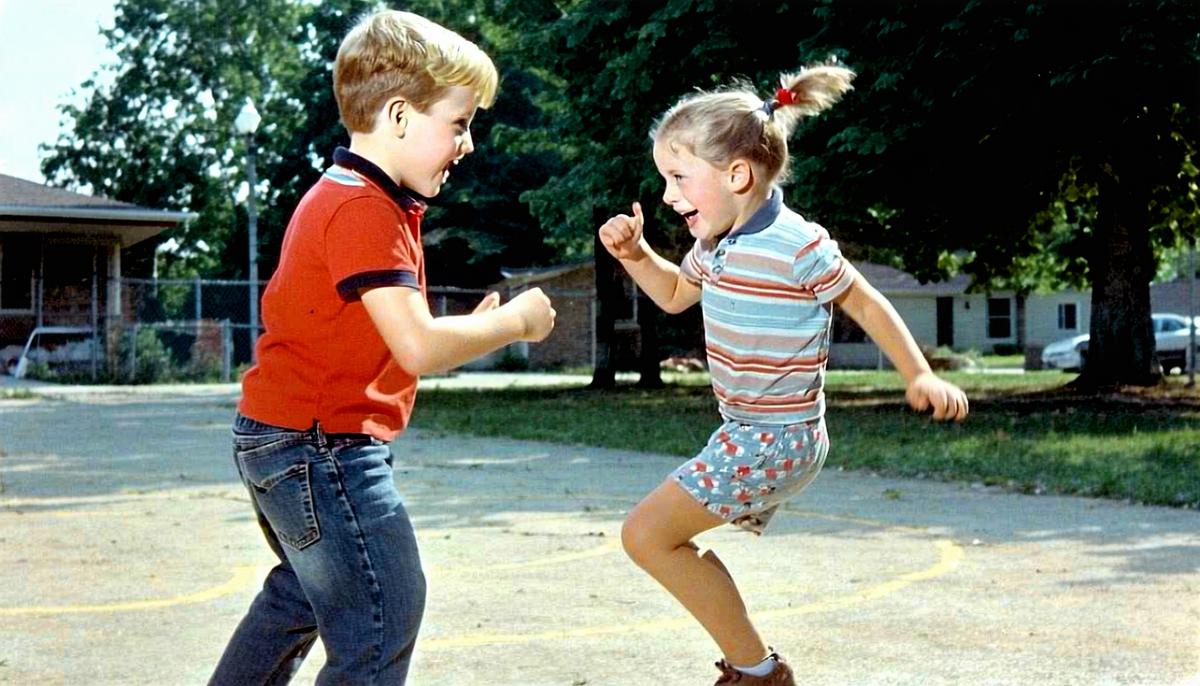
Add some playful nostalgia to your chats with “knuckle sandwich,” a phrase that packs a punch with a humorous twist. Picture a sunny afternoon in the ’50s, kids swapping baseball cards and playing dodge ball. Someone teases a friend, and instead of a boring reply, there’s a mock warning of a “knuckle sandwich” on the menu.
Back then, “knuckle sandwich” wasn’t about real threats; it was a sign of friendship and good fun. It turned an imaginary punch into a way to test how far you could joke around. Using it today brings back memories of when teasing was affectionate and friendships were built on shared laughter.
Whether you’re jokingly scolding a friend for eating the last cookie or debating who picks the next movie, this phrase adds a slice of 50s wit to your conversation. So next time the moment’s right, slip in this flavorful phrase and watch as it brings a touch of good-natured mischief to your chat.
Adding vintage slang to our modern speech isn’t just about reliving history; it’s about making our chats more colorful and fun. These playful terms remind us that simple words can bring joy and connection. So why not add a bit of retro flair to your daily talks? It’s a great way to let the charm of yesterday brighten up today’s conversations.