
1. Exploring Sci-Fi Classics
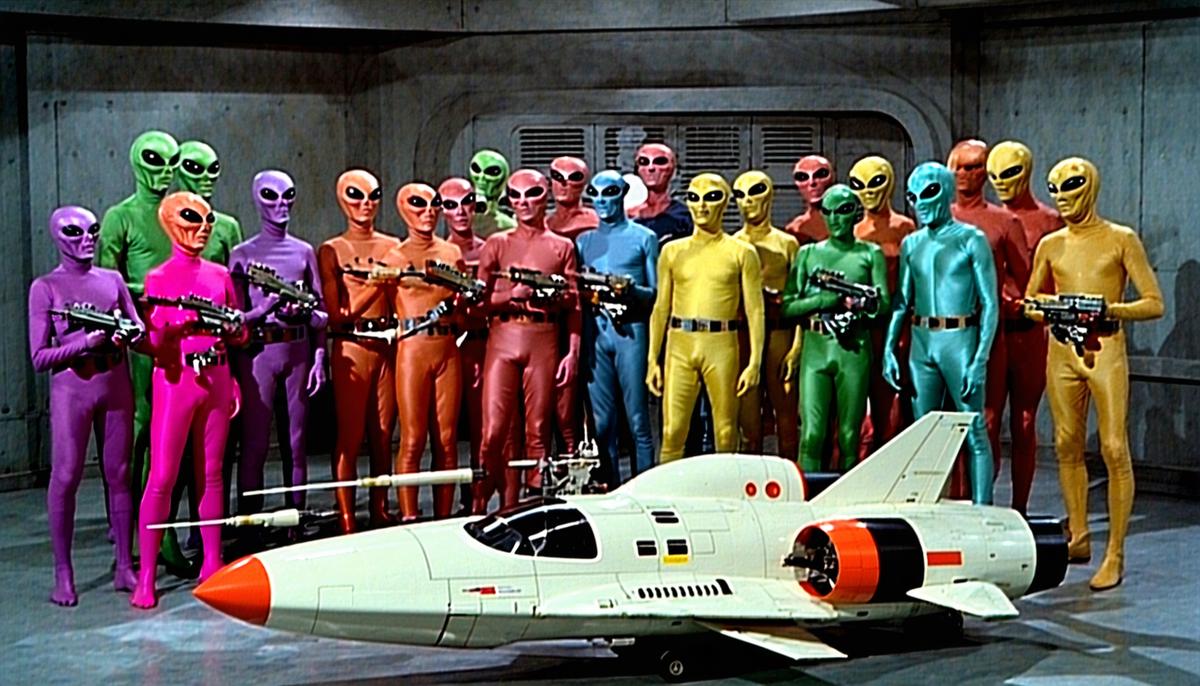
The 1950s was a golden era for science-fiction films. While today's sci-fi often relies on big budgets and CGI, back then it was all about creating magic with the basics—and they sure knew how to deliver! The sci-fi scene of the '50s was bustling with movies that reflected the worries and dreams of folks during the Space Age.
"Invasion of the Body Snatchers" cleverly mixed sci-fi with horror, offering social commentary that kept folks guessing. "The Day the Earth Stood Still" used aliens to emphasize how humans grapple with conflict—a cheeky yet profound commentary.
"Forbidden Planet" was a trailblazer that introduced viewers to futuristic landscapes and philosophical musings. And Robby the Robot? A metallic charmer you couldn't ignore!
These flicks were reflections of atomic-age jitters, the thrill of space exploration, and moral dilemmas. They didn't need fancy effects or sky-high budgets; just a good script and imagination did the trick! While some might chuckle at the special effects now, those vintage thrills still offer a peek into the world that tickled the fancies and fears of that era.
2. The Hitchcock Phenomenon
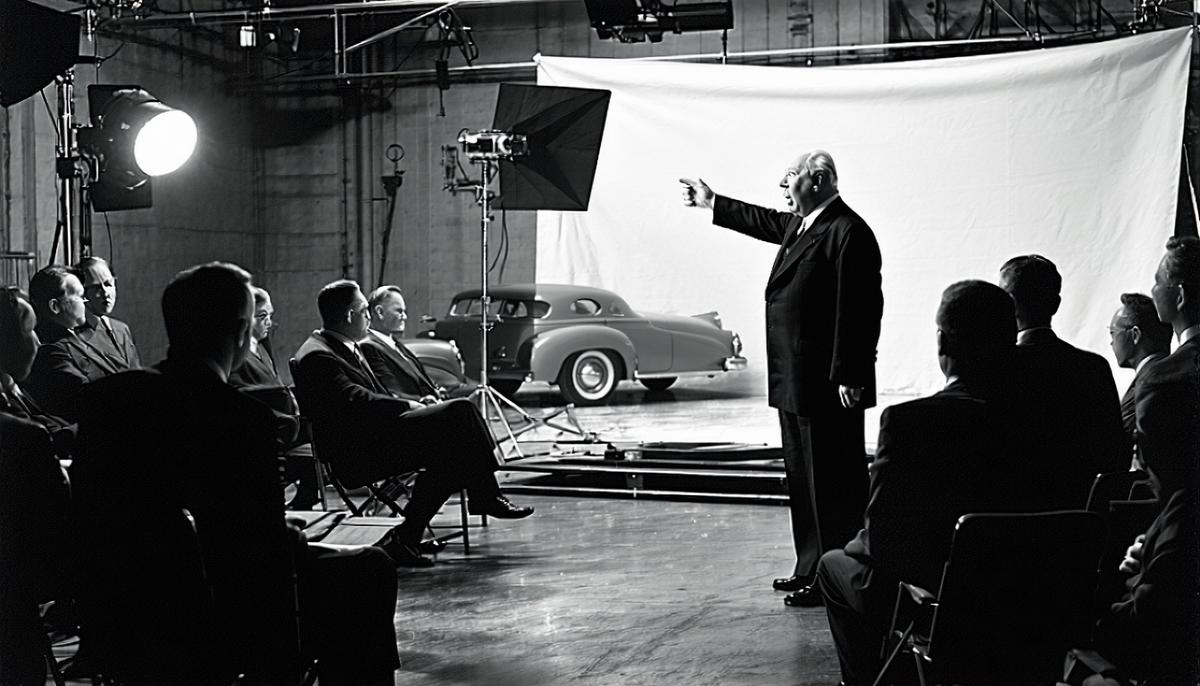
Alfred Hitchcock was a wizard behind the camera, crafting suspenseful tales that made audiences' hearts race. The 1950s saw Hitchcock at his best, making masterpieces that would thrill even the most seasoned movie buff.
"Rear Window" turned the thrill of peeping into neighbors' lives into a heart-pounding murder mystery. Jimmy Stewart and Grace Kelly made a power duo that was hard to resist.
"Vertigo" wasn't just about suspense—it was a complex web of intrigue and psychological depth. James Stewart dazzled as a tormented detective obsessed with unraveling a bizarre mystery. With its haunting score and vibrant visuals, "Vertigo" keeps audiences spellbound.
Hitchcock had a knack for blending tension with humor, allowing us a nervous laugh before the next twist. No fancy effects here, just a master painter with a palette full of human emotions and mysteries. Alfred Hitchcock defined thrillers in the 1950s, leaving a legacy that keeps movie lovers utterly entranced to this day.
3. Hollywood Epics and Drama
The 1950s saw Hollywood epics dance into the limelight, offering moviegoers a cinematic experience as vibrant as a county fair. Technicolor and widescreen formats made these films pop, drawing folks away from their new TV sets and back to the cinemas.
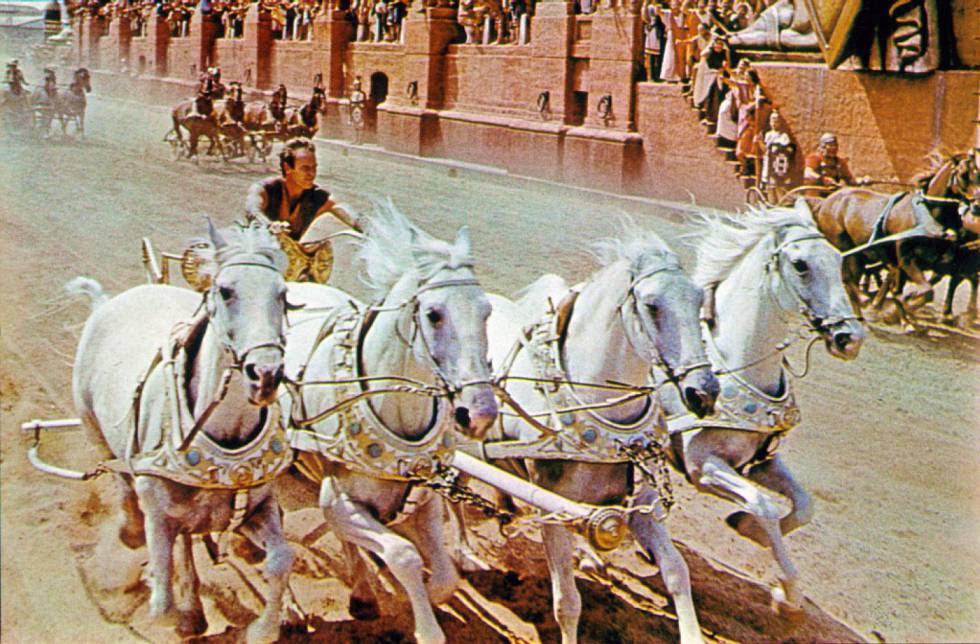
"Ben-Hur" galloped across screens with its unforgettable chariot race that had folks gripping their seats. Charlton Heston breathed life into a tale of revenge, redemption, and Roman pomp that painted the silver screen with history's rich colors.
"The Ten Commandments," directed by Cecil B. DeMille, served up a visual feast of biblical storytelling. Watching Moses lead his people to freedom against stunning backdrops was like visiting a faraway ancient world. Yul Brynner's fierce portrayal of Ramses II remains etched in memories.
"Ben-Hur" and "The Ten Commandments" weren't just about storytelling; they were bold, colorful beacons that transported folks to distant lands and times.
With widescreen formats stretching to the horizon and Technicolor popping like fireworks, Hollywood epics showcased the expanse of human creativity. They were a testament to the unmatched allure of cinema—a trip back to a golden age that proves the '50s really did it best.
4. Japanese Cinema's Global Impact
In the 1950s, Japanese filmmakers like Akira Kurosawa and Yasujiro Ozu took the global stage by storm, spinning tales so profound that even the most ardent Hollywood fan couldn't help but tip their hat.
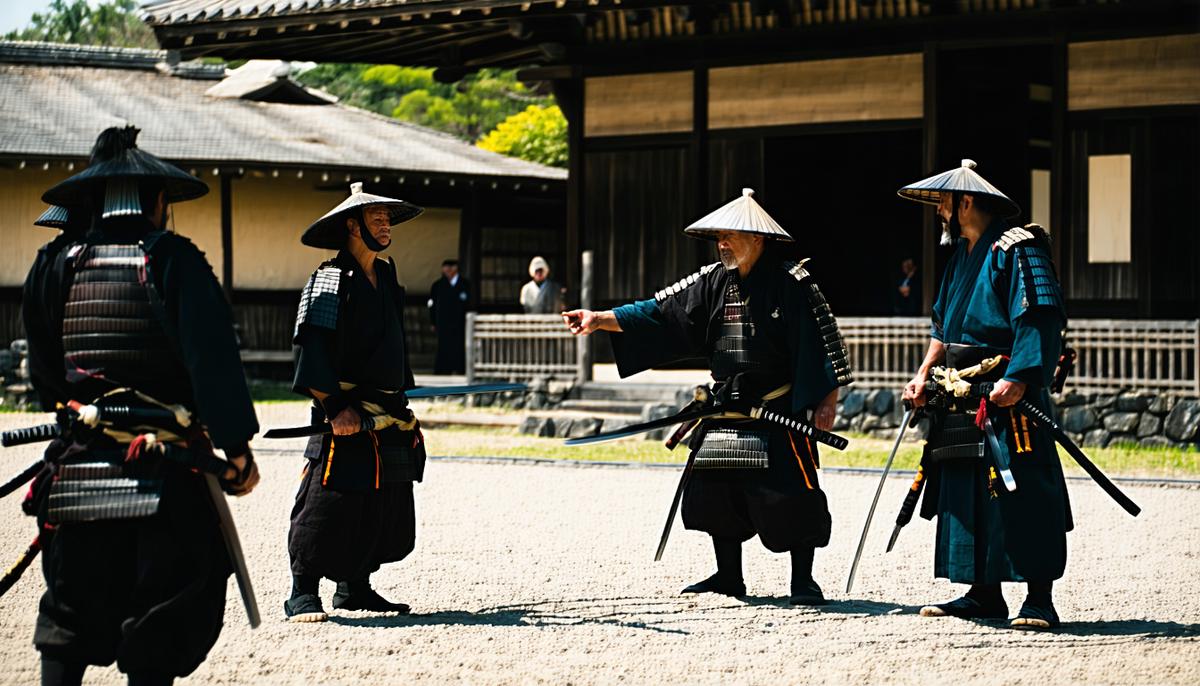
Kurosawa's "Seven Samurai" continues to inspire with its breathtaking storytelling and dynamic action sequences. It had audiences cheering for honor-bound warriors and laid the groundwork for the ensemble action genre.
Ozu's "Tokyo Story" offered something different but no less captivating. Through family dynamics, he examined themes of generational disconnect and the passage of time, resonating with folks around the globe. His signature tatami shot invited viewers to witness life's delicate nuances.
These directors did more than create classics—they spotlighted Japanese culture and storytelling on an international stage. Their influence echoed far beyond the 1950s, reaching future cinephiles and creators alike. They proved that good storytelling transcends borders, languages, and eras.
5. The Birth of the Auteur: French New Wave
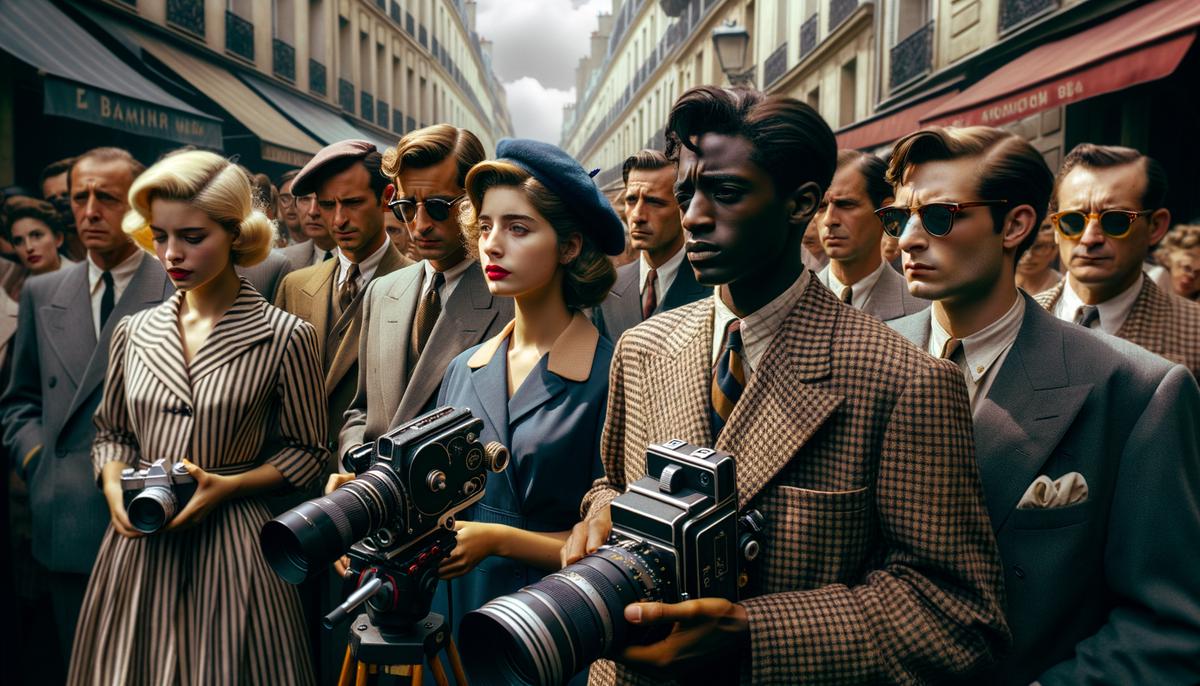
In the 1950s, a band of bold French filmmakers introduced a fresh, innovative style that set hearts fluttering all over the globe. Jean-Luc Godard and François Truffaut were masters of unbridled creativity, flipping the script on conventional filmmaking.
Where Hollywood focused on elaborate sets, these mavericks took to the streets, letting natural lighting and location shooting breathe life into their stories. The French New Wave brought jump cuts into the spotlight, carving out a dynamic rhythm that left audiences spellbound.
- Godard's "Breathless" was a pop-art revelation where style and substance danced across the screen.
- Truffaut's "The 400 Blows" captured the universal pangs of adolescence with raw authenticity.
The French New Wave wasn't just a cinematic movement—it was a joyride through storytelling that broke the shackles of tradition. These rebellious auteurs infused every frame with unusual techniques that rang true to their artistic intentions.
Their vibrant works have cemented their place in history, inspiring storytellers and dreamers everywhere. The French New Wave reminds us that sometimes the best stories are those that dance to the beat of their own drum.
6. Teen Rebellion and Pop Culture
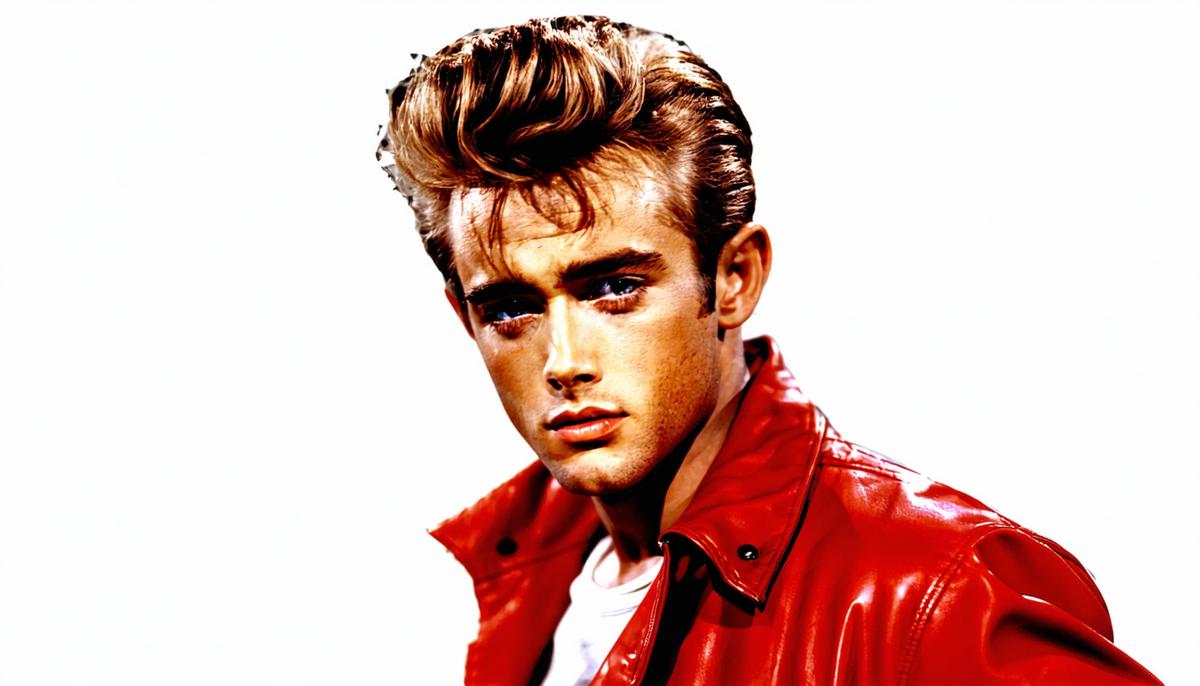
The 1950s saw the rise of teen rebellion and youth culture. James Dean became an icon for a generation caught between tradition and change, starring in films like Rebel Without a Cause that touched on themes of misunderstood adolescents and generational conflict.
It was a time when teenagers were finding their voices and grappling with identity. Movies weren't just entertainment; they were cultural touchstones that reflected the raw dilemmas American youth faced.
The decade also witnessed an explosion of pop culture phenomena:
- The advent of rock 'n' roll, with stars like Elvis Presley
- New fashions like bobby socks
- Rebellious films capturing teen angst
From twangy guitars to coming-of-age stories on the silver screen, each element blended into a growing culture that offered teens fresh avenues for self-expression. The 1950s cemented itself as a decade of transformative energy for youth culture.
7. Diversifying Genres in Hollywood
The 1950s saw Hollywood expand its creative horizons, offering a variety of genres to suit different tastes. From toe-tapping musicals to nail-biting Westerns, the silver screen had something for everyone.
Musicals: Films like "Singin' in the Rain" captured the glitz and glamour in dazzling Technicolor. Gene Kelly's iconic performance had audiences humming along as they left the theater. These films promised joy and exuberance in every beat and lyric.
Westerns: Films like "Shane" painted the frontier with both grit and glory, setting hearts racing with tales of cowboys and outlaws. These stories offered thrilling escapades where justice was served amidst dusty saloons and sweeping landscapes.
Noir and Drama: The '50s also saw a rich array of noir thrillers and heartfelt dramas. These genres spun webs of tension and emotion, inviting audiences into stories that unraveled the human psyche and kept everyone guessing.
This explosion of genre filmmaking allowed creators to explore new creative avenues, challenging conventions and experimenting with storytelling techniques. It ensured moviegoers always had something exciting to look forward to, with each film offering a unique experience.
8. Technicolor and the Art of Visual Storytelling
Technicolor revolutionized cinema in the 1950s, transforming how audiences connected with films. It wasn't just a technological advancement; it was a storytelling tool that brought movies to life with vibrant colors.
"The process made Audrey Hepburn's iconic outfits pop against Parisian backdrops, creating a visually striking experience that complemented the story."
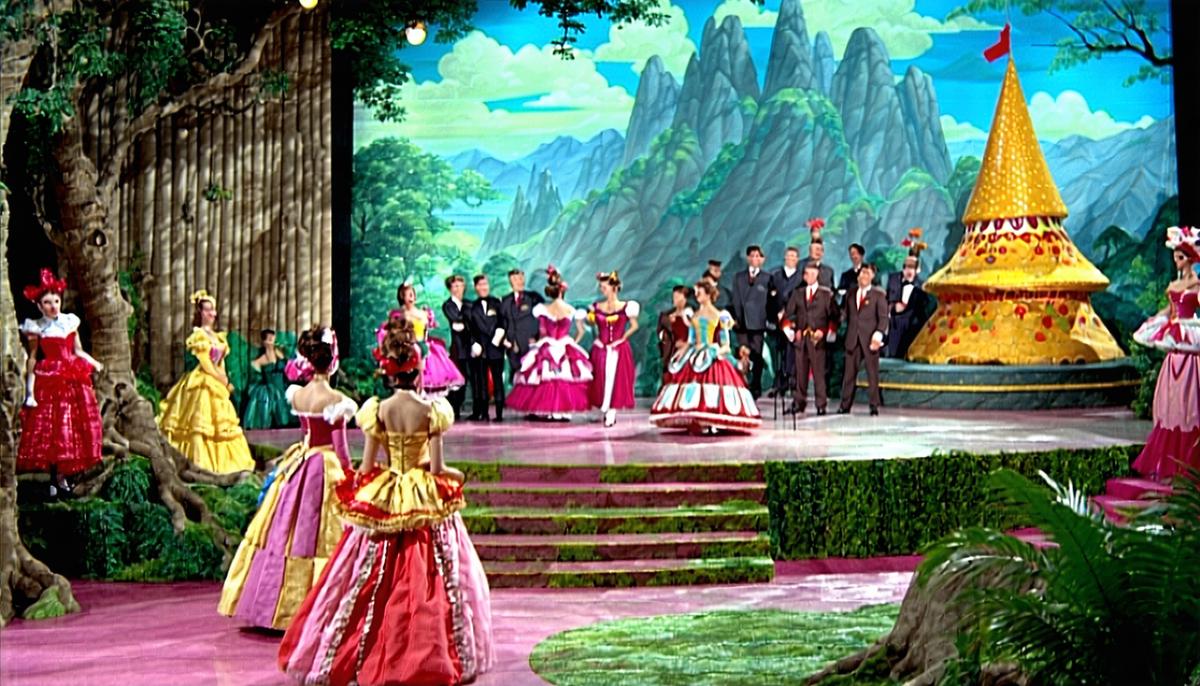
Films like "The Band Wagon" showcased how Technicolor could enhance performances. Fred Astaire and Cyd Charisse's dances were accentuated by the vivid palette, turning each frame into a memorable visual feast.
Technicolor gave filmmakers the freedom to craft more immersive experiences:
- Heightened drama
- Energized action
- Brought musical numbers to life
Each color could evoke a mood or deepen a story, drawing audiences further into the worlds on screen. In the spectrum of 1950s cinema, Technicolor emerged as a powerful tool for visual storytelling. It elevated films to new creative heights, leaving a mark that continues to inspire filmmakers and captivate audiences today.
The 1950s were a time of creativity and innovation in film. From Technicolor to teen rebellion on screen, these movies continue to resonate with audiences. They remind us of the timeless power of storytelling to connect us through shared experiences and emotions.