
Let’s take a little trip back to the golden days of the 1950s, where dads didn’t just lounge around in armchairs; they rolled up their sleeves and made magic happen. Picture this: a sharp fella in his trusty work shirt, whistling a snappy tune, transforming an ordinary afternoon into something downright extraordinary.
With a little elbow grease and a whole lotta heart, he built more than just projects—he built memories that stuck like bubblegum on a summer sidewalk. Now, darlin’, isn’t that just the kind of charm worth dustin’ off and bringing back?
5. Assembling a Model Train Set
Any 1950s dad who passed by a hobby shop window with model trains understood the appeal. It wasn’t just a toy, but a canvas for creativity. Railroads snaked across basements and dens, bringing to life miniature worlds where dads could lay tracks and build stories.
Sweating in work shirts, they set up intricate layouts, soldering rails and fashioning landscapes. Green felt became sprawling pastures, tiny buildings crafted town centers. When it was all set, flicking the switch ignited an electric parade—a testament to a dad’s ingenuity.

Evenings saw dads sprawled on the floor, focused on plotting routes through tunnels and over bridges. Time passed unnoticed in this beloved retreat, a place to escape the work grind and indulge in a passion shared with the family. Little hands helped decorate cars with childlike pride, their imagination fueling endless adventure scenarios.
The model train set was more than colored plastic pieces; it was a blend of patience and artistry. Fathers who built these intricate railroads embraced more than a hobby; they crafted legacies—each chugging locomotive a marker of love’s labor.
4. Constructing a Treehouse
In the 1950s, the idea of a treehouse sparked awe and delight. Transforming a sturdy backyard tree into a castle high among the branches was every child’s dream—and every dad’s pride. Armed with basic tools and an adventurous spirit, these dads would tap into their inner architects, sketching plans that captured the hearts of young explorers.
Treehouses weren’t just wooden structures; they were portals to enchanted lands and secret hideouts. Dads clambered up ladders with hammer in hand, selecting the straightest planks and sturdiest nails to create a stronghold that could withstand boisterous play.
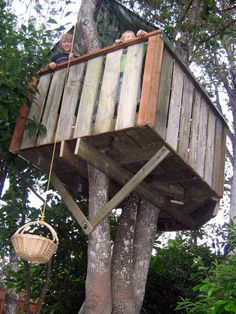
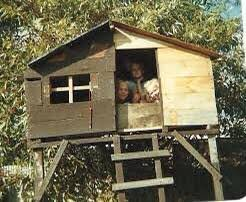
With each swing of the hammer, dads taught their children lessons in perseverance and problem-solving. They adorned these elevated retreats with:
- Trapdoors
- Pulley systems
- Secret compartments
Beyond the wood and nails lay something more profound—a bond between father and child, forged amidst the leaves. The treehouse stood as a testament to a dad’s craftsmanship and a pledge of freedom and imagination for his children. In an era before screens dominated playtime, the treehouse reigned supreme, built from the ground up with love and sawdust.

3. Building a Backyard Barbecue
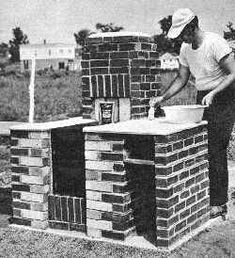
The backyard barbecue—a symbol of 1950s suburban bliss where the air was thick with the warm aroma of sizzling burgers and camaraderie. A brick grill wasn’t just a tool for cooking; it was a masterpiece that reflected each dad’s personal flair and creativity.

Brick by brick, dads cultivated a backyard oasis where flair and functionality mingled. With the same dedication as a sculptor, dads took pride in laying perfectly straight bricks—each row an ode to their steady hands and weekend dedication.
These weren’t just functional cooking stations. Decorative arches and clever brick patterns turned a simple grill into a suburban showpiece. A well-placed chimney here, a curious mosaic there; it was a statement piece as much as a culinary platform.
"Offer it up" (to see if it fitted); "Purge it" (for anything involving water); "Slap it on" (for paint, wallpaper paste, cement).
Sunday afternoons morphed from casual get-togethers to celebrated events, orchestrated by the backyard maestro. Dad skillfully juggled tongs and aprons, regaling guests with tales of construction challenges. Family and friends gathered around the fiery stage, charmed by both the savory aromas and the craftsmanship on display.
These brick barbecues stood as a reminder of a time when quality ruled over convenience. Every fire stoked in the pit carried a spark that united families and friends, fueled by the heart of 1950s optimism and DIY spirit.
2. Creating a Home Bar
In the 1950s, creating a home bar was more than just a project—it was a rite of passage for dads who fancied themselves both craftsmen and connoisseurs. With cocktail culture bubbling over, home bars became coveted symbols of sophistication.
Armed with saws, sandpaper, and a refined palate for the perfect martini, dads unveiled their inner mixologists and carpenters. They channeled their creativity into every nook and corner, from sleek mahogany surfaces to intricately designed shelves displaying gleaming bottles.
Instead of generic setups, fathers curated their mini-oases with thoughtful touches—perhaps a secret compartment for their prized scotch or a clever fold-out design. These spaces buzzed with a mix of craftsmanship and creativity as dads affixed quirky signs or repurposed vintage finds into clever bar stools.
Nights spent behind these bars saw dads shaking up more than cocktails; they concocted moments that would linger in memory. The atmosphere swirled with laughter and the clinking of ice cubes, a test run for new drink recipes or a chat about the latest gadgets.
Each grain of wood, each handcrafted detail, served not only spirits but also the spirit of hospitality—a character trait that shone through every sip shared. In these home-haven taverns, dads didn’t just pour drinks; they poured themselves into their work.

1. Building a Storm Cellar
With the shadow of the Cold War looming, many 1950s dads took on the task of constructing storm cellars in their backyards—a feat about peace of mind and practicality. These underground fortresses weren’t just brick and mortar; they were a sturdy emblem of a father’s protective instincts.
Dads donned their work boots and rolled up their sleeves, ready to transform a patch of their yard into a sanctuary. Armed with shovels and pickaxes, they dug deep, carving out spaces far removed from daily worries. Each cement pour and structural reinforcement spoke of grit and determination.
Crafted to withstand nature’s fury and more sinister threats, these shelters bore the hallmarks of the ’50s ethos: pragmatic and built-to-last. Dads constructed sturdy benches and stocked shelves with essentials—canned goods, batteries, and board games—just in case.
The shelters weren’t just utilitarian bunkers. They often bore personal touches—a playful mural to lift spirits or a cleverly disguised entrance blending into the garden. In them, the everyday mingled with the extraordinary, embodying the inventive spirit of those times.
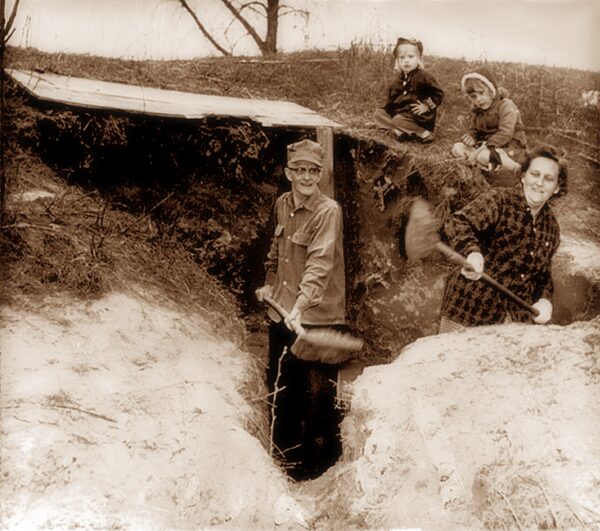
Though today’s storm preparedness might come courtesy of modern technology, the heart behind these bygone shelters remains unmatched. Each was a handcrafted promise of safety, reflecting a father’s love wrapped in concrete and steel.
These projects were more than just tasks; they were expressions of creativity and care. Each endeavor, whether building a storm cellar or crafting a home bar, was infused with the spirit of the times—a testament to dedication and familial love. These efforts left a mark on homes and hearts alike, echoing through generations as cherished memories.
For a brief few decades, DIY was one of this country’s great family (and certainly father-and-son) activities. Mums and dads, sons and daughters, we all pitched in, happily and collectively engaged in something practical and wholesome and money-saving and jolly useful and just, well, fun.
- Hennessy J. The DIY dad: a cultural history of home improvement. Oxford University Press; 2018.
- Smith R. Suburban dreams: the rise of the American home in the 1950s. Random House; 2010.