
The 1950s brought us TV shows that captured the era’s values and humor. From sitcoms to dramas, these programs offered a glimpse into a simpler time, entertaining viewers with worlds both familiar and fantastical.
10. Who’s Whose
“Who’s Whose” holds a unique place in TV history as one of the shortest-lived shows ever. Airing in 1951, this panel game show was canceled after just one episode, earning it a dubious distinction in the annals of television.
Hosted by radio personality Phil Baker, the show was hastily produced to fill a slot left by “The Goldbergs.” Unfortunately, its premise was as shaky as its execution, leaving viewers and critics alike unimpressed.
The show’s brief run serves as a quirky reminder of television’s early growing pains. While it may not have been a success, “Who’s Whose” offers an interesting glimpse into the risks and challenges of live TV in the 1950s.
For fans of television history, this short-lived show remains an intriguing footnote – a testament to the experimental nature of the medium’s early days and the occasional missteps along the way.
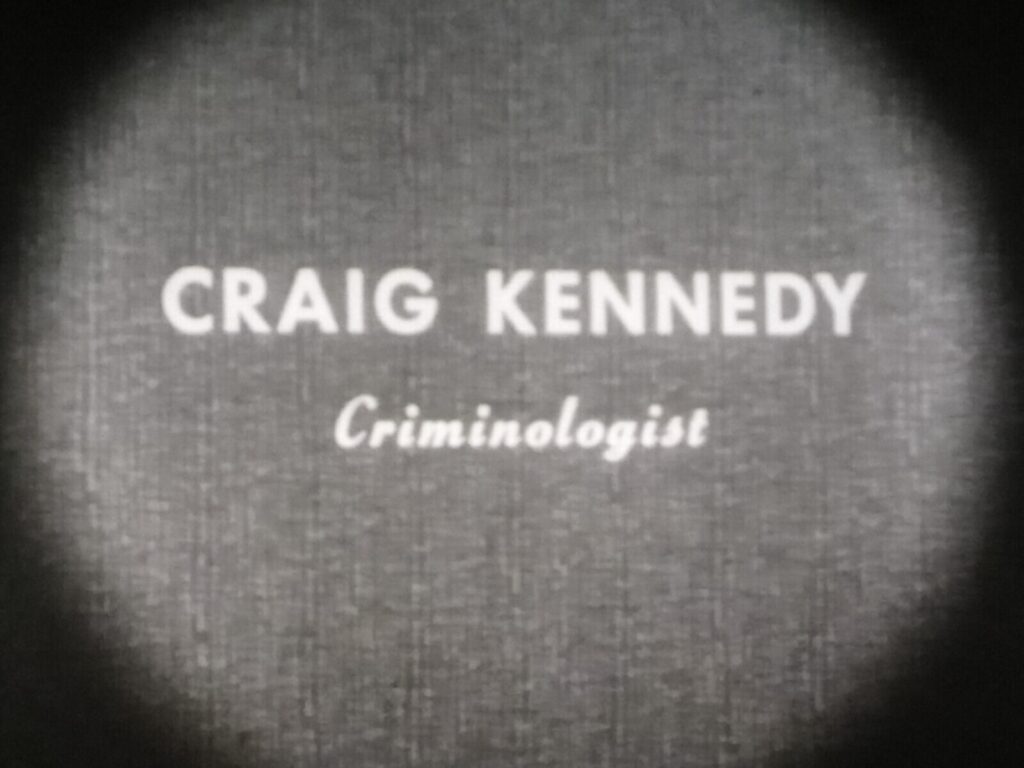
9. Craig Kennedy, Criminologist
“Craig Kennedy, Criminologist” brought a unique blend of science and sleuthing to 1950s television. Inspired by Arthur B. Reeve’s stories, the show featured Craig Kennedy, a scientist-detective who solved crimes using chemistry and gadgets.
While the concept was intriguing, the execution often fell short. Budget constraints led to modest production values, and some episodes struggled with technical limitations. Donald Woods gave a solid performance as Kennedy, but even his efforts couldn’t fully overcome the show’s rough edges.
Despite its flaws, “Craig Kennedy, Criminologist” had its charms. The series dared to mix scientific methods with crime-solving, offering viewers a taste of innovative storytelling. Its episodic plots, though sometimes predictable, paid homage to classic detective tales where reason trumps brute force.
The show serves as a reminder of early television’s experimental spirit. It may not have been a polished gem, but it represents a time when even modest productions attempted to push boundaries and try new ideas.
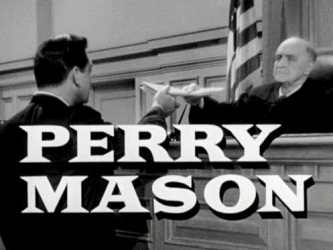
8. Perry Mason
“Perry Mason” stands out as a classic legal drama from the late ’50s. The show centers on Perry Mason, a skilled defense attorney known for his sharp mind and unwavering belief in justice.
The series shines in its portrayal of the legal system, drawing viewers into a world where every detail matters. Mason’s ability to uncover crucial evidence and outwit opposing counsel keeps audiences engaged. His teamwork with loyal secretary Della Street and private investigator Paul Drake adds depth to the storylines.
“Perry Mason” blends suspense with intellectual challenge, presenting each case as a cerebral chess game. The show’s clever pacing and unexpected twists keep viewers on the edge of their seats. Beyond the courtroom drama, it tackles moral dilemmas that still resonate today.
The series captures the essence of 1950s television, when storytelling reigned supreme. It continues to appeal to those nostalgic for a time when legal battles were fought with intelligence and determination, rather than grandstanding.
7. The Twilight Zone
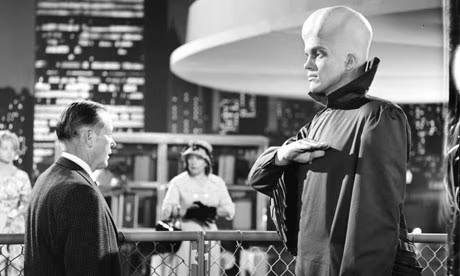
Rod Serling’s “The Twilight Zone” is a mind-bending journey through imagination. This anthology series explores themes beyond conventional storytelling, blending fantasy, science fiction, and social commentary. Each episode challenges our perceptions with unpredictable endings and thought-provoking scenarios. From dystopian futures to critiques of society, the show invites us to question reality and human nature. Its influence continues to inspire storytellers and viewers alike, making “The Twilight Zone” a timeless invitation to step beyond the ordinary and embrace the extraordinary.
6. Gunsmoke
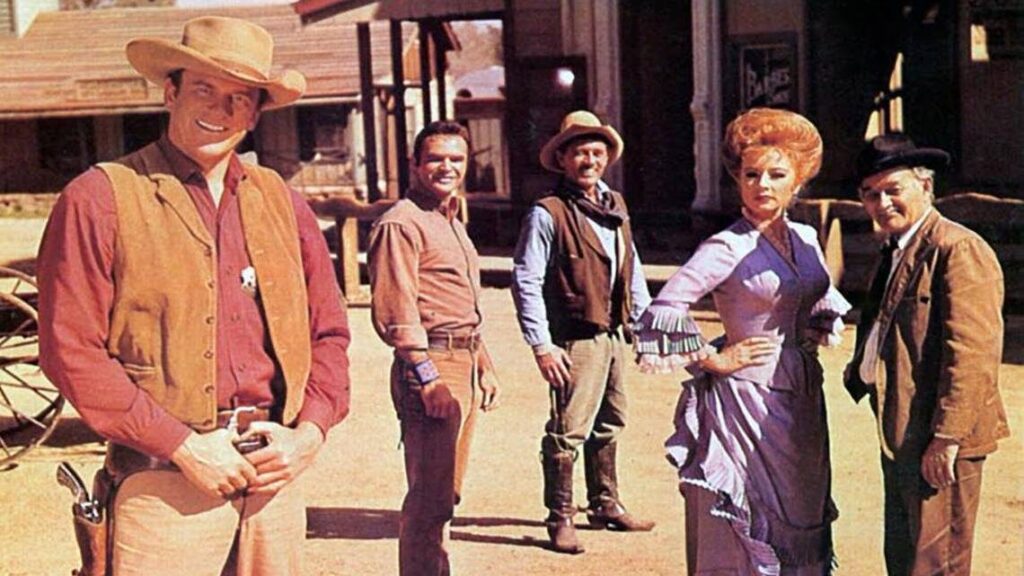
“Gunsmoke” brings the Wild West to life with Marshal Matt Dillon, played by James Arness, keeping law and order in Dodge City. Dillon’s unwavering sense of justice shines as he faces outlaws and settles disputes. The show features a colorful cast, including Miss Kitty, the compassionate saloon keeper, Doc Adams, and deputy Chester Goode. Each episode feels like a tale from history, complete with gunfights and cattle rustlers. “Gunsmoke” captures the allure of the Western genre, offering viewers a glimpse into a time when heroes roamed the untamed frontier.
Notable achievement: “Gunsmoke” topped the Nielsen ratings for three consecutive years from 1957 to 1959, showcasing the immense popularity of Westerns in the late 1950s.
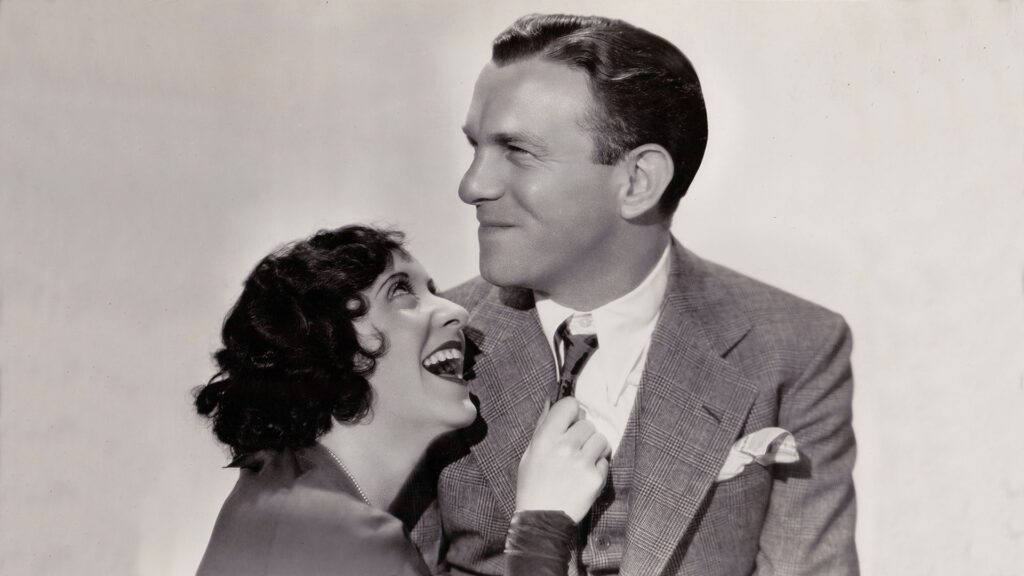
5. The George Burns and Gracie Allen Show
“The George Burns and Gracie Allen Show” offers a unique blend of humor and heart. George Burns often breaks the fourth wall, adding a mischievous wink to the audience. Gracie Allen steals the show with her charmingly convoluted logic, turning everyday situations into comedic gold. Her antics often leave George playfully bewildered, but it’s clear their love is the heart of the show. With clever dialogue and slapstick humor, it’s not just a comedy—it’s an invitation to enjoy life’s absurdities, wrapped in laughter and warmth.
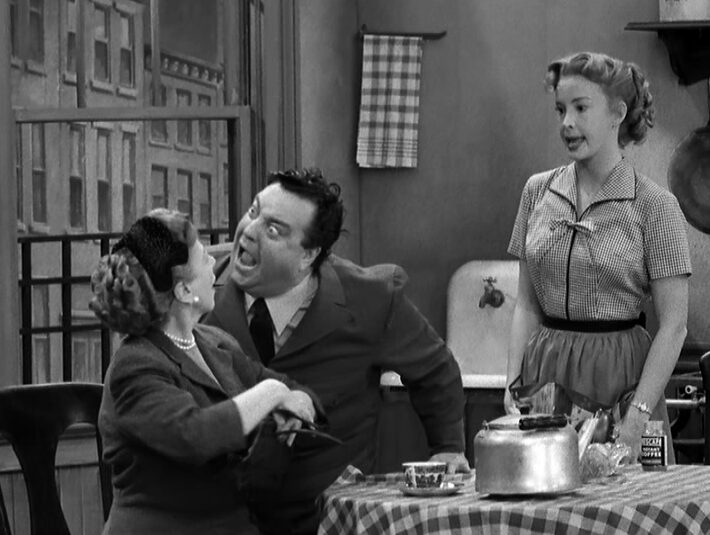
4. The Honeymooners
“The Honeymooners” brings classic ’50s humor with its blend of slapstick and snappy dialogue. Ralph Kramden, a blustery bus driver played by Jackie Gleason, constantly cooks up get-rich-quick schemes that usually backfire. His patient and witty wife Alice, portrayed by Audrey Meadows, keeps him grounded. The show’s charm lies in the chemistry between Ralph and Alice, filling their modest Brooklyn apartment with humor and heart. Ralph’s wild plans, often shared with pal Ed Norton, always leave the audience rooting for him despite the inevitable comic downfall. It’s a testament to married life in the ’50s, full of hopes, schemes, and everyday realities that still resonate today.
⬇️ TOP 3 1950s TV SHOWS BELOW TRIVIA ⬇️
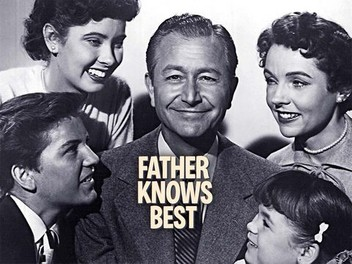
3. Father Knows Best
In “Father Knows Best,” the Anderson family became America’s model for wisdom and warmth. Jim Anderson, the quintessential ’50s dad, guides his family through life’s challenges with a steady hand and sage advice. Alongside his sensible wife Margaret and their three kids—Betty, Bud, and Kathy—Jim tackles everyday issues with thoughtfulness. The show celebrates family values and those tender moments that remind us of simpler times. It’s a nostalgic watch for anyone who appreciates when life’s answers could often be found in a chat with mom or dad.
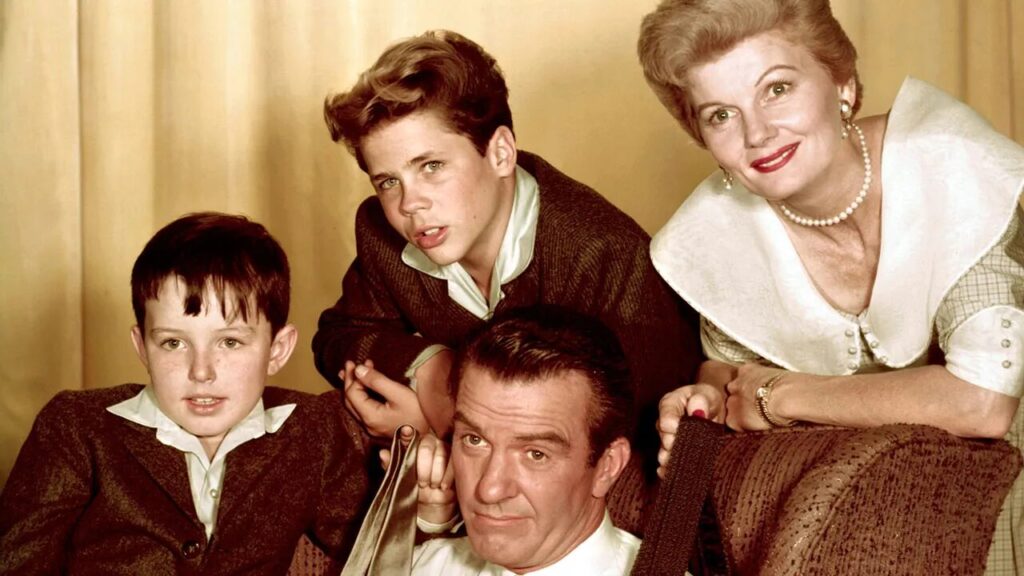
2. Leave It to Beaver
“Leave It to Beaver” captures the essence of 1950s American suburbia. The Cleaver family, led by young Beaver, takes us through the ups and downs of growing up. From misunderstood mischief to heartwarming moments of parental guidance, each episode offers nostalgia and life lessons. Beaver’s curiosity and innocence make every small problem seem huge until mom June or dad Ward step in with wisdom. It’s a warm portrayal of a time when life was simpler and family values were central—a classic slice of Americana that brings you back to front-yard chats and family dinners.
1. I Love Lucy
“I Love Lucy” is a classic ’50s sitcom starring Lucille Ball as Lucy Ricardo. Her comedic timing and quirky schemes to steal the spotlight from her bandleader husband, Ricky, never fail to entertain. Whether teaming up with best pal Ethel or finding herself in another jam, Lucy’s antics resonate with viewers of all ages. The show set the standard for sitcoms, with Ball and Desi Arnaz’s chemistry keeping audiences hooked. It’s more than just a show—it’s a timeless piece of TV history.
Fun fact: “I Love Lucy” topped the Nielsen ratings for three consecutive years from 1952 to 1954, a feat unmatched by any other show in the 1950s.

These classic ’50s shows, from the beloved “Perry Mason” to the forgotten “Who’s Whose,” offer a fun look back at TV’s early days. They remind us of a time when television was finding its footing, sometimes stumbling but always aiming to entertain.