
I salute those who remember when childhood didn’t come with instruction manuals, LED screens, or rechargeable batteries – only imagination, sunlight, and whatever treasures your hands could carry.
Let’s wander back through that era – when simplicity reigned, when a child’s most prized possessions fit neatly in a pocket, a tin lunchbox, or the crook of an arm. And for fun (or for a little sting of regret), we’ll note what these beloved toys are worth now.
You may just wish you’d kept a few of them tucked away…
The Original Blonde Barbie (1959)
When Barbie arrived in 1959, she was more glamorous than any doll that had come before her—striped swimsuit, red lips, golden hair pulled into a perfect ponytail. She stood not just as a toy, but as a spark of possibility for millions of kids.
One of those early blondes in pristine condition could fetch around $4,000 in 2019. Not bad for a doll who launched a cultural era.

Roy Rogers, Trigger & Bullet Action Figures
The West was everywhere in the ’50s—on TV, in lunchboxes, in the backyards where kids practiced their fastest draw. Roy Rogers reigned supreme. Action figures of Roy, his loyal horse Trigger, and faithful dog Bullet kept the frontier alive long after suppertime.
A complete vintage set typically brought in about $250, but the real value came from the reenactments kids staged on living room carpets across America.

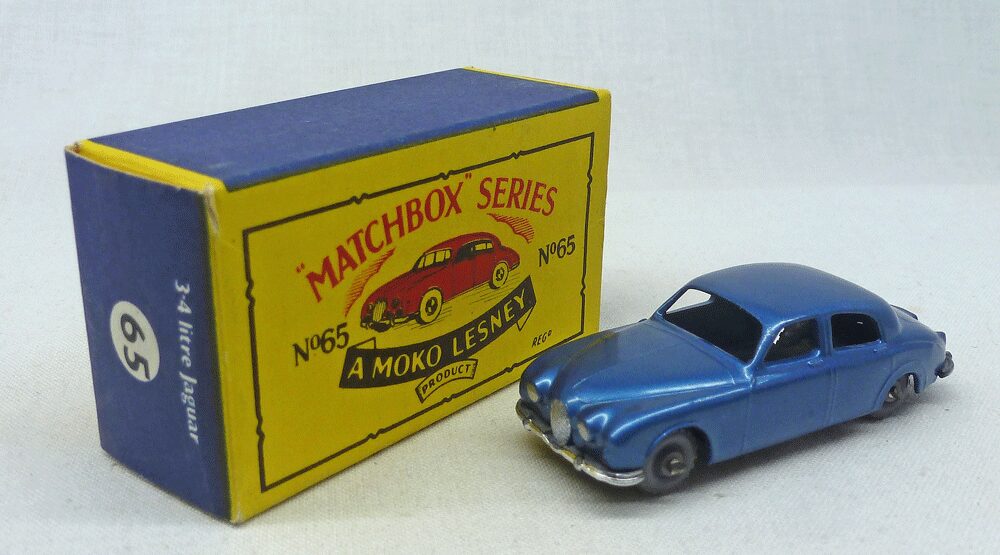
Moko Lesney Matchbox Cars
Long before video games, the clatter of metal-on-wood floors marked an afternoon well spent. Matchbox cars were tough, detailed, collectible, and perfectly sized to slip into a pocket. They could turn any patch of dirt into a racetrack—and any parent into a landmine survivor.
In 2019, a vintage piece from the 1950s averaged around $150.
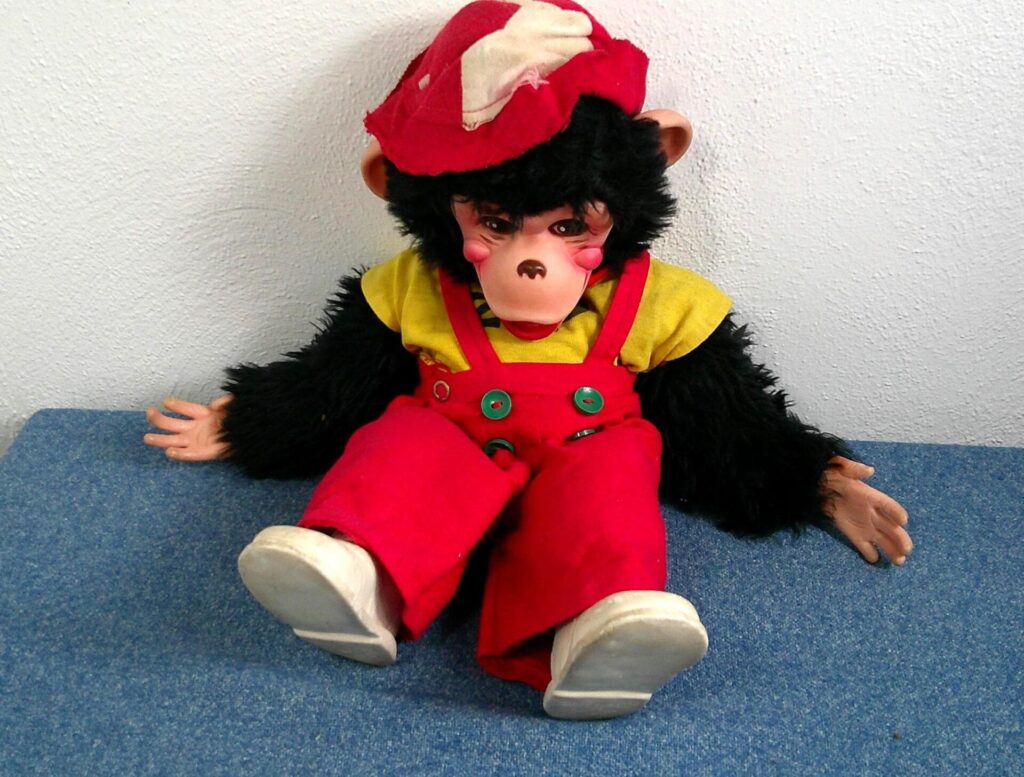
The Howdy Doody “Zip” Monkey
Zippy the Chimp from the Howdy Doody show didn’t just charm TV audiences—he inspired a wave of plush, poseable monkey dolls that quickly became childhood staples. Bright-eyed, slightly mischievous, and endlessly bendable, Zip dolls captured the whimsical spirit of early television.
A 1950s example typically sells for about $100 nowadays.
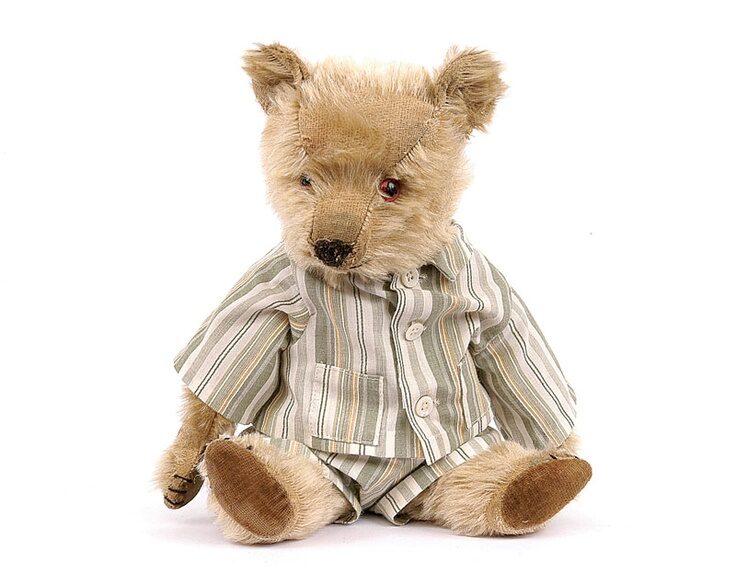
The Chiltern Hug-Me Teddy Bear
Soft, slightly shaggy, and made for comforting squeezes, the Chiltern Hug-Me Bear earned its name honestly. It became a bedtime guardian for thousands of children in the post-war years.
These early bears, with their endearing faces and distinctive fur, often commanded around $170 decades later.
Lincoln Logs
Few toys bridged generations like Lincoln Logs. You could build a frontier cabin one day and a fort the next, then tear it all down and start over—no screens required. Parents cursed the pieces underfoot, but kids adored them.
1950s Lincoln Logs value varies greatly, from $20-$50 for smaller, loose sets to potentially over $100-$200 for complete sets with original containers, figures, and instructions, especially those made by Halsam or in the popular “American Logs” style.

Fisher Price Corn Popper
The soundtrack of toddlerhood in the 1950s was unmistakable: clack-clack-clack-clack. The Corn Popper didn’t require skill, just enthusiasm. Roll it across the floor and watch the colored pellets explode upward in cheerful chaos. Early models typically sold for about $30.

The Original Mr. Potato Head
Before plastic bodies came along, the original Mr. Potato Head set required actual vegetables—a concept that feels absurd now, but thrilled kids then. Eyes, hats, mouths, and mustaches were stabbed into real potatoes (or apples, or anything round enough).
A vintage accessory set from the era often sold for around $120.

Play-Doh
Its journey began as wallpaper cleaner in the 1930s, but by 1956 Play-Doh had become a classroom and household sensation. Soft, squishy, and endlessly moldable, it was the closest thing to creativity in a can.
The dough itself doesn’t survive, but original cans usually sell for about $30.

Mickey Mouse Roly Poly Figure
One nudge and Mickey rocked forward, then backward, always bouncing upright with a grin. These roly poly figures—simple, cheerful, and indestructible—were a fixture in 1950s nurseries. Surviving examples typically go for around $30.

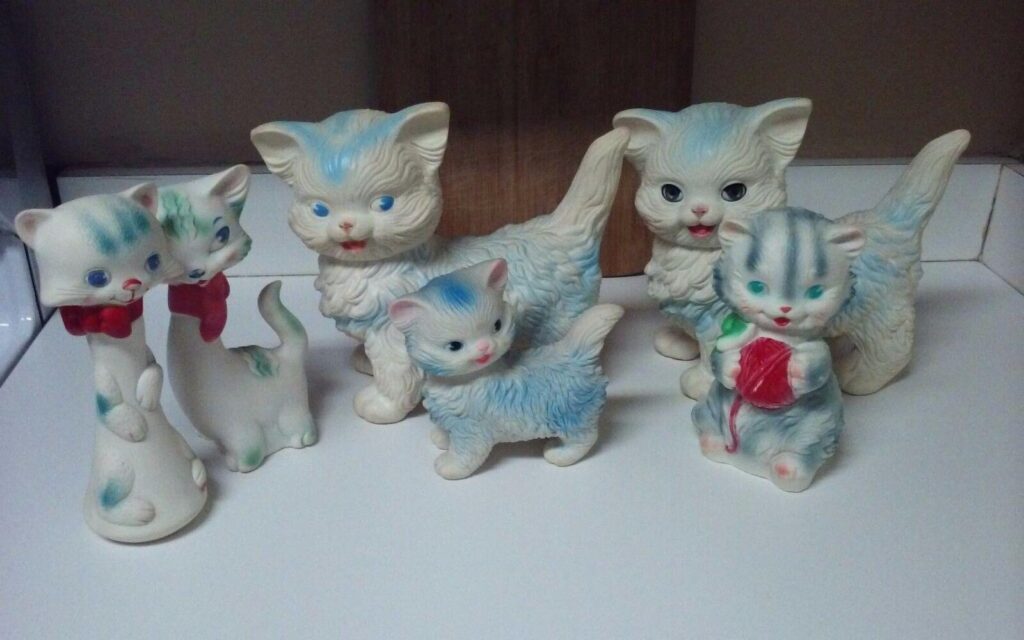
Mobley Cat Squeaky Toy
This rubber kitten didn’t shed, scratch, or demand attention—but it did squeak enthusiastically when squished. Kids loved it. Parents tolerated it. Collectors now pay about $60 for an original.
What Else Did Kids Play With in the 1950s?
The decade overflowed with toys that channeled curiosity, coordination, and imagination. Among the most iconic:
- Play-Doh, Silly Putty, Magic 8-Ball
- Frisbee, Slinky, Pogo Stick, Hula Hoop
- BAS-KET tabletop basketball, Spell-It, Foto-Electric Baseball
- Matchbox cars, Corn Popper, Colorforms
- Toy guns and Western outfits
- Roy Rogers and circus playsets
- View-Master reels and doll houses
- Mr. and Mrs. Potato Head
- Wood blocks, spinning tops, toy trains
- Barbie and miniature instruments
- 1:24 scale service stations and farm sets with tractors and animals
None of them required charging. None of them needed updates. All of them asked only for a child’s willingness to imagine.
A Last Look Back
The toys of the 1950s were humble by today’s standards, but they left a deep imprint on the children who played with them. They taught us to build worlds from blocks and logs, to dream through dolls and figurines, to experiment with color and shape, and to find joy in motion, sound, and simplicity.

Most of those toys were eventually lost, donated, or tossed in a box during a move. A lucky few survived—now prized by collectors, but priceless to those who remember what it felt like to hold them for the first time.
Because in the end, these weren’t just toys. They were tiny pieces of freedom, imagination, and the uncomplicated wonder of being a kid in a slower, gentler time.