
In the 1950s, TV dinners emerged as a convenient solution for families, blending the novelty of television with the ease of ready-made meals. These meals offered a glimpse into a time when convenience began to take precedence over traditional cooking, capturing the spirit of an era eager for innovation and simplicity.
The Rise of TV Dinners
TV dinners were all the rage back in the 1950s, a marvel of modern convenience for American families. With televisions becoming the centerpiece of the living room, these meals popped up just when folks wanted to mix the magic of the screen with dinner time. Suddenly, everyone could dine like astronauts—on contraptions designed to warm up while catching the latest installment of their favorite shows.
The brilliance of TV dinners was in their packaging; each compartmentalized tray had its own bit of delight, much like opening a Christmas gift. Yet these gleaming containers had a secret lurking within—aluminum could quietly seep into your mashed potatoes.
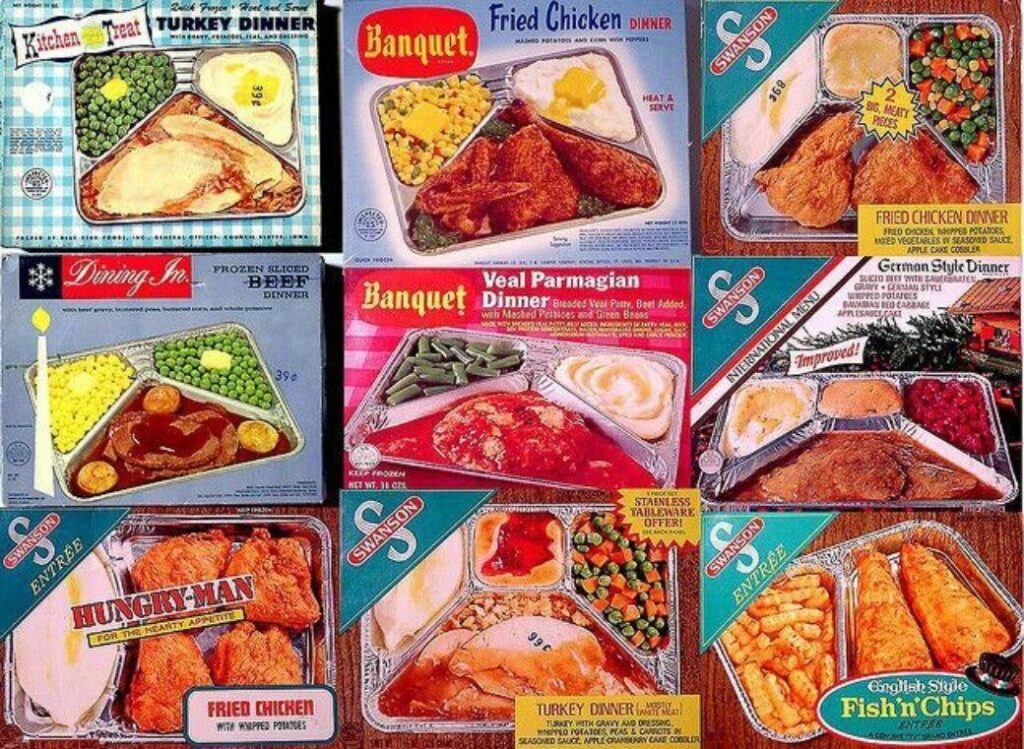
The pull of convenience overshadowed the nutritional void. Dietary balance was quickly chucked out the window in exchange for salt-laden concoctions. These meals mastered the art of preservation but left fresh ingredients in the dust. Fats had a field day, slathering themselves over every morsel, masquerading as their wholesome incarnations.
Amidst this culinary carnival, families embraced the freedom gained from less time in the kitchen. More women were entering the workforce, shattering old molds and putting newfound autonomy front and center. TV dinners played their role in this shifting societal landscape, making it easier to use your oven over cooking from scratch.
In the grand saga of better living through chemistry, the TV dinner painted a vivid picture—a small step for man, a giant leap for dinner plates. But hidden in its allure lay the start of questions relating to health that would span future generations.
Chemical Composition of TV Dinners
Let’s explore those TV dinners—a mix of sodium and chemicals that promised long-lasting flavors. These meals had a knack for turning pantry staples like salt and fat into pop-culture hits. Back then, a dash of this and a dollop of that meant a meal could sit in a freezer for ages yet emerge seemingly fresh.
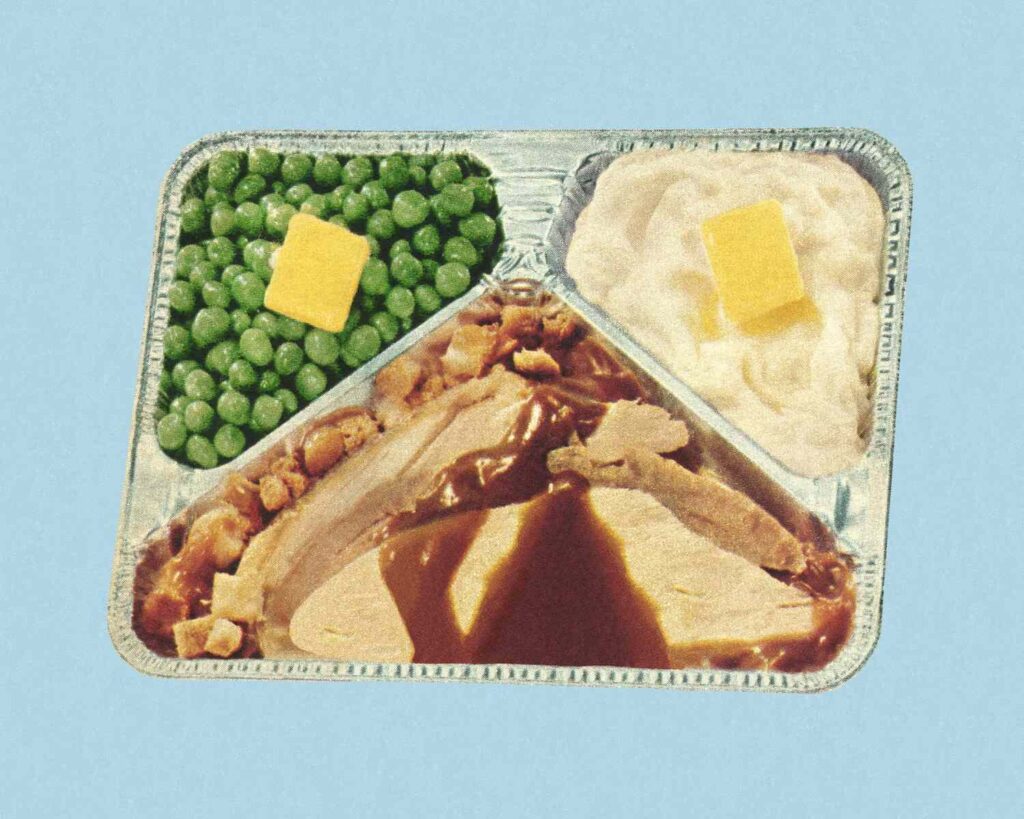
When it came to sodium, these trays were like that loud uncle who always made himself known at family gatherings—impossible to ignore. And if the gravy felt like it could cling to your spoon for dear life, it was probably dancing with preservatives that would make your heart skip a beat.
Imagine trying to pack the punch of a Sunday roast into a bite-sized memory wrapped in foil. The key was the fridge-friendly crew of artificial flavors and preservatives making everything last as long as a big band hit on the radio. Convenience was king, and unfortunately, nutritional value often took a back seat.
Let’s not forget those aluminum trays, shining bright like a beacon of culinary innovation. Yet, imagine them as covert operatives ready to drop a subtle metallic hint into the stew—a little extra “flavor” courtesy of reheating mishaps.
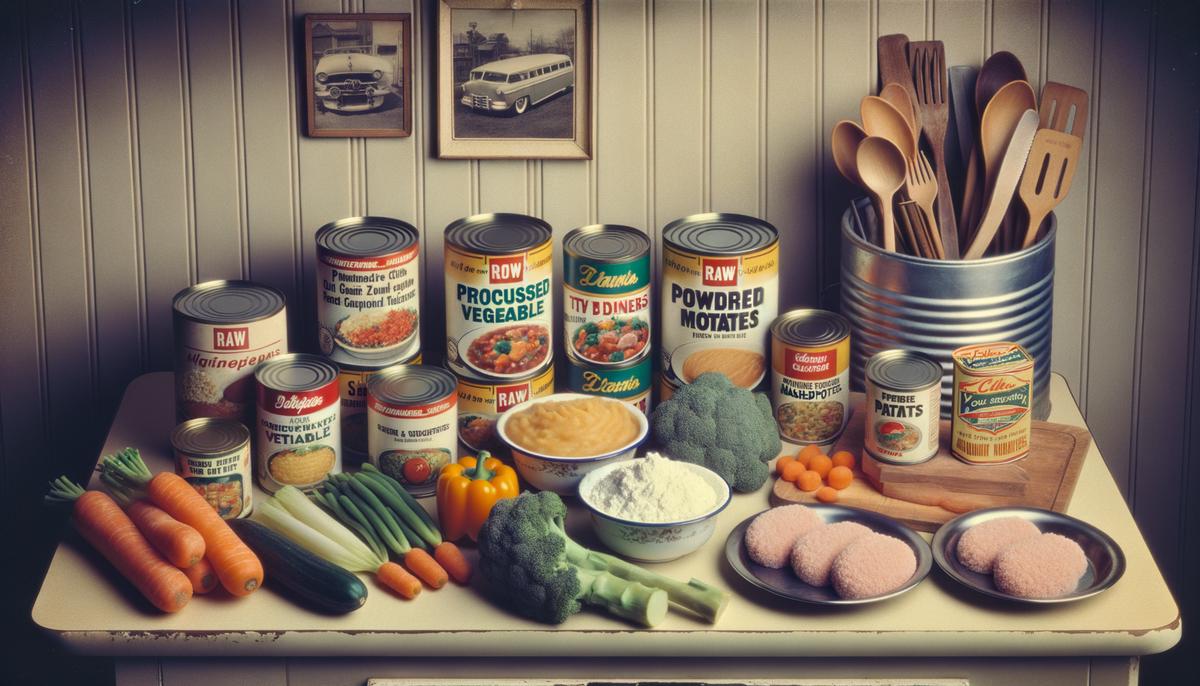
The choice of ingredients showed how much we valued convenience over health. Unhealthy fats spread their wings over meals that had long buried their fresh ingredient kin beneath layers of processing and preservation.
In the end, TV dinners were symbols of a time when science and convenience danced their way into our homes. Today, they serve as a nostalgic nod to simpler days when gathering around the television bordered on ritualistic, and when preservation came with just a pinch of chemical magic.
Health Concerns and Additives
An exploration into those additives reveals MSG and trans fats as the secret agents of taste, making meals sing with flavor while keeping them fresh enough to survive an atomic apocalypse. Back in those days, MSG was like a culinary maestro, conducting taste symphonies that made our taste buds hum a tune so catchy you couldn’t help but come back for more.
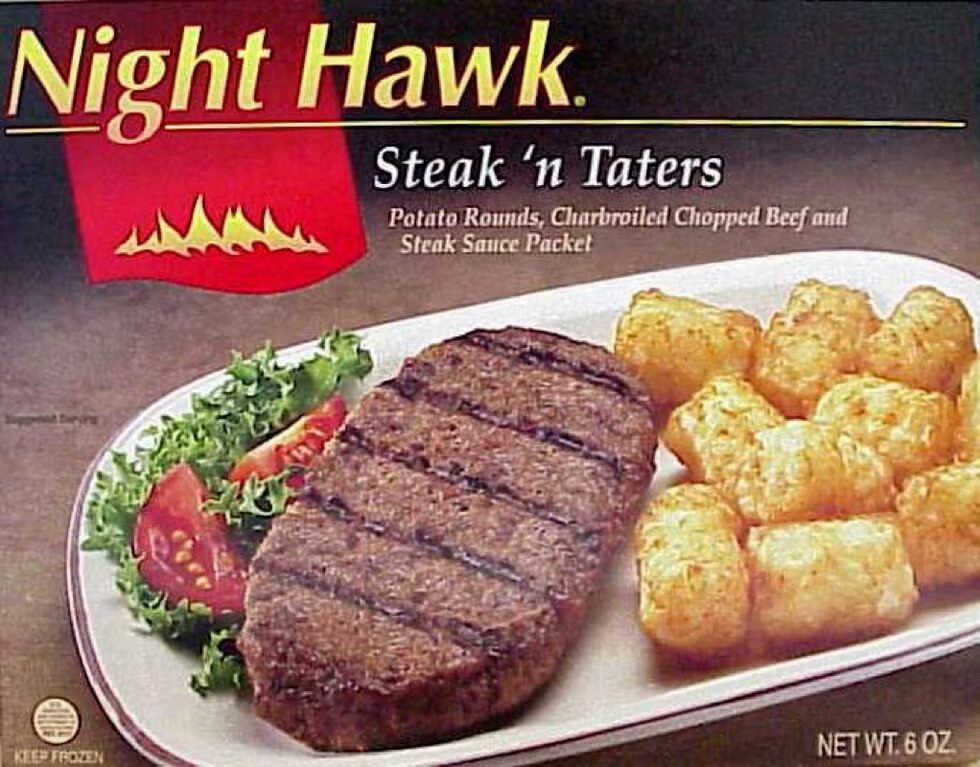
Trans fats, meanwhile, were the hidden cool cats, giving meals that extra smoothness. They practically waltzed onto our plates, making sure everything tasted buttery. Now think of trans fats as the party-goers that overstay their welcome—they were fun at first, but overstaying meant trouble was brewing. These fats were later found to have health consequences that went beyond just a little extra jiggle.
While MSG’s fan club was widespread, its lasting impression wasn’t always favorable. As research began to reveal its correlation with headaches and other symptoms for some folks, it was soon rebranded with cautionary tales.
The old saying “ignorance is bliss” worked well back then as families gathered around TV trays, unaware of the questionable additives in their dinners. But with each bite of that slick gravy and perfectly golden-dessert square, we were unwittingly laying the groundwork for health discussions that would become part of kitchen table talk in the decades to come.
In TV dinners, though, we can’t forget they represented freedom from ‘peeling, chopping, and stirring’ that consumed so much time. They were revolutionary for families, who placed convenience and taste above health concerns. A bite of nostalgia now uncovers the layers of experiences we shared, unaware the additives were leaving clues that would eventually prompt keen modern sleuths to ask, “What exactly were we eating?“
Modern Reflections on TV Dinners
It’s interesting to think how far we’ve come since the heyday of the TV dinner. Our modern, health-conscious counterparts would probably be surprised at the aluminum-clad meals of the ’50s. These days, the thought of preservative-packed meals with more chemicals than an old-school science kit might cause even the most nostalgic among us to pause—albeit with a fond chuckle.
Today’s savvy shoppers steer their carts through the aisles with a different mindset, more in line with wholesome ingredients. Organic labels, farm-fresh produce, and less packaging have become the standard for conscious consumption. What a contrast to the aluminum tray days of yore, when “healthy” was measured by great taste and a thrilling episode of “Gunsmoke.”
Gone is the era when monosodium glutamate and trans fats ruled the roost. Now, we’ve replaced those with avocado toast and quinoa salads that promise both taste and nutrition without the “poof!” of preservatives. It’s a new age, where science and nature share center stage, and consumers appreciate minimally processed diets.
For many, the shift is about regaining a sense of control over what they eat. They explore ingredient labels like treasure maps, often peppered with exotic hints of chia and assessments of glycemic indexes. A touch more complex than just slinging a tray into the oven and calling it dinner.
The move towards health-conscious eating represents a larger story of society’s evolution. A trend that champions transparency and minimal processing may just be our culinary makeup paying a little penance for those carefree aluminum days where chemical concoctions masqueraded as meals.
Yet, there lies an appreciation for what those TV dinners gave to us—more time with family, more evenings captivated by “I Love Lucy,” and vibrant chatter in the living room as trays clattered to their pre-designed slots in front of TV sets. Life now, for all its organic kale chips and acai bowls, would be just a tad drier without a sprinkle of the charm of TV dinners coloring our memories with flavor and carefree convenience.
So we look back fondly at those chemically controversial meals—like flipping through a photo album of a beloved eccentric uncle who’s a bit rough around the edges but adored nonetheless. And while our modern palates pursue greener pastures, they can’t help but tip their hats to these historic innovations. After all, without TV dinners, where else would have begun our journey towards processed food awareness, chuckling as we hopped along the way, tray by tray, down memory lane?
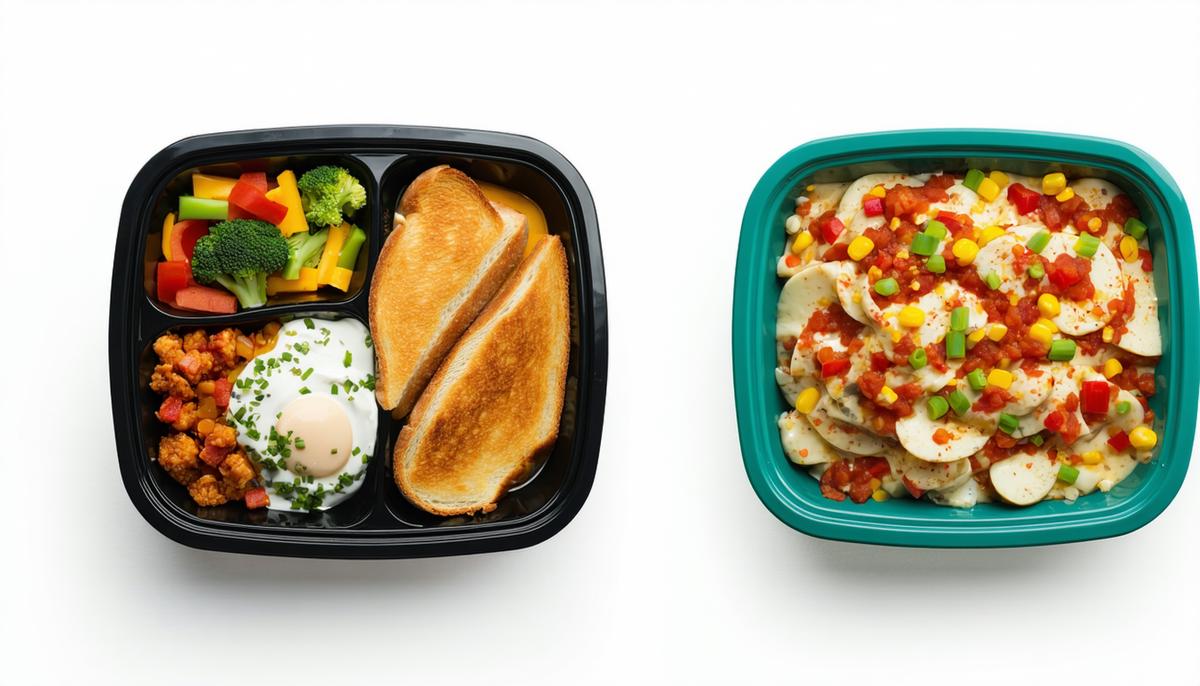
Reflecting on TV dinners, we see more than just a culinary trend; they symbolize a pivotal moment in history where convenience met culture. While our tastes have evolved, the nostalgia they evoke reminds us of simpler times, where family and entertainment came together in a way that still resonates today.
- National Institutes of Health. PFAS and Your Health. 2024.
- Czerwony B. Cleveland Clinic Center for Human Nutrition. 2024.
- United States Department of Agriculture. Food Safety and Inspection Service. 2024.
- Food Chemistry. PFAS levels in vegetables: A comparative study of fresh, frozen, and ready-to-eat products. 2023;430:134986.