
In 1953, Swanson & Sons faced a dilemma so colossal it could have sunk the company. What began as a festive feast quickly spiraled into a post-holiday nightmare.Panic set in as the days ticked by, the problem growing more daunting with every passing moment. But then, amidst the chaos, inspiration struck—an idea so bold, so ingenious, it would not only save the day but redefine how Americans dined forever. What could possibly transform a disaster into an icon?
The Thanksgiving Blunder
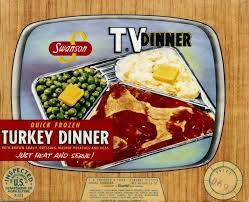
In 1953, Swanson & Sons found themselves in a pickle with 260 tons of leftover turkey after Thanksgiving. Gerry Thomas, a quick-thinking salesman, saw an opportunity where others saw disaster. His idea? Put that turkey on aluminum trays with some sides, and voila! Betty Cronin, Swanson’s scientist, figured out how to cook it just right.
The result was the TV dinner—a meal that solved the turkey problem and gave folks something to eat while watching television. By 1954, ten million of these dinners had flown off the shelves.

The TV dinner caught on fast, offering a taste of independence. Suddenly, dinner didn’t tie mom to the stove after work. The dining table transformed, just like the TV dinner, into something new and modern.
As TVs became more common in homes, these dinners gained popularity. Swanson’s ads, showing stylish women enjoying TV dinners at home, made waves. Even stars like Barbra Streisand gave them a thumbs up.
The frozen food industry kept innovating. Remember Swanson’s “Polynesian Style Dinner”? Each tray told a little story of its own.
Today, we’ve got fancy microwave meals in upscale stores. During the 2020s, as the world changed, the humble frozen meal made a comeback, mixing nostalgia with fresh convenience. From turkey leftovers to futuristic fare, these dinners have left quite a mark on American culture.
Impact on American Dining
The TV dinner didn’t just serve up a meal; it changed how Americans ate. Families used to gather around the table regularly, sharing stories and laughs. Now, they could enjoy a quick meal in front of the newest family member: the television.
This aluminum tray hero shook things up. Dinner could be savored while watching Milton Berle or I Love Lucy. Living rooms became entertainment centers, and the TV dinner was the perfect sidekick.
While some missed big family dinners, others welcomed the freedom. Moms, who were taking on more than just household duties, found meal prep didn’t eat up the whole evening. A warm, ready-to-eat meal meant families could enjoy their shows without interruption.
Isn't that what the '50s were about? Moving forward while keeping the good parts of tradition?
What could be better than a comfy plate of turkey and fixings, cozying up for the latest episode, all while feeling like a time management pro?
Sure, some folks worried about trading talks for TV time, but for many, this was modern living at its finest. TV dinners became more than meals; they were part of a lifestyle where everything was within reach—tasty, quick, and perfect for the tech-loving generation.
Whether it’s nostalgia or practicality driving us, TV dinners have stuck around. From ’50s winter evenings to today’s busy schedules, these freezer treasures have kept us fed and entertained. And isn’t that the heart of it? The TV dinner didn’t just change meals; it changed how we lived.
As we look back on the TV dinner’s journey, it’s clear this simple meal did more than change how we ate. It brought a new beat to family life, mixing convenience with a dash of nostalgia. In its own way, it showed how we could embrace the new while still enjoying time together—even if it was in front of the tube.
- Adweek. The Birth of the TV Dinner. 2011.
- New Yorker. Barbra Streisand Interview. 1962.
- American Frozen Food Institute. Frozen Food Sales Report. 2020.