
Origins of Whitewall Tires
Whitewall tires started with natural rubber that looked like chewing gum. Zinc oxide turned them white, giving a dash of flair to their plain look. When B.F. Goodrich added carbon black to rubber in 1910, it improved durability and performance but left the sidewalls white, creating the whitewall tire.
Cadillacs and Rolls-Royces showed off wide whitewalls like jewelry. As decades passed, whitewalls changed with the times:
- 30s and 40s: Wide whitewalls
- 50s: Even wider, peak popularity
- Later: Sizes shrank, less sedan-friendly
In the 60s and 70s, double and triple whitewalls appeared, especially on luxury sedans. But like many trends, broad whitewalls faded. By the 70s, slim white strips were more common. Today, whitewall tires remain a symbol of classic cars and auto nostalgia.

Rise in Popularity
By the 1930s, whitewall tires were a must-have style accessory. They transformed cars from mere vehicles into fashion statements on wheels. In the 1940s, Ford offered whitewalls as an upgrade—like snazzy cufflinks for your car.
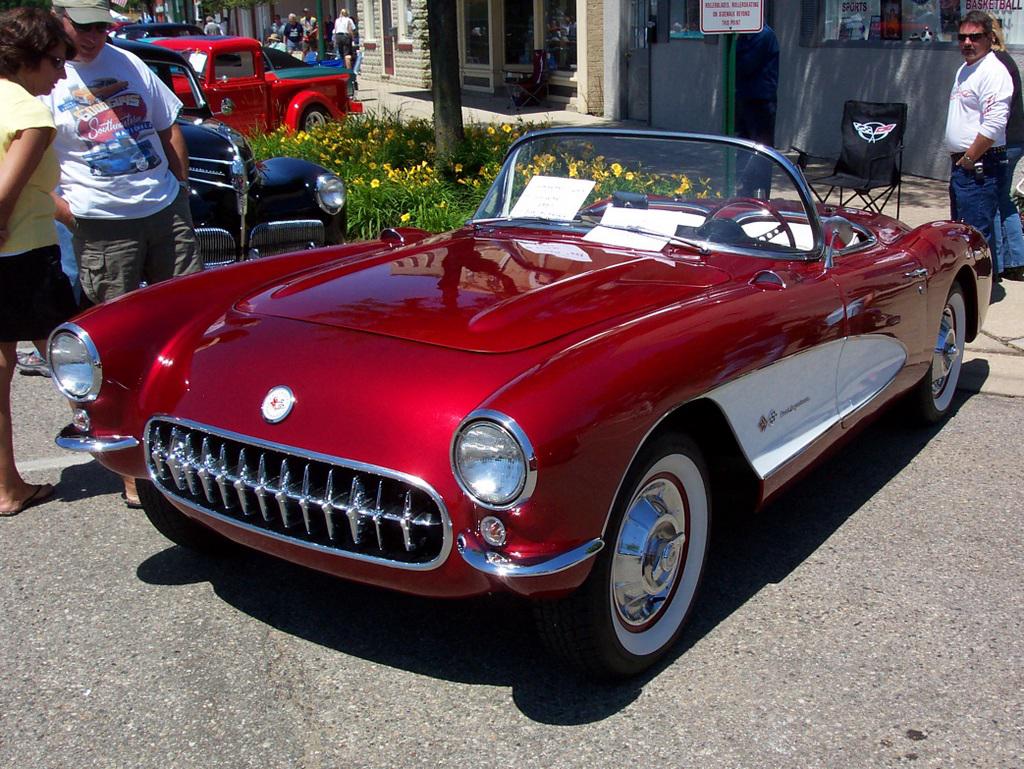
The 1950s saw whitewalls dominate. They became synonymous with classic style, perfectly complementing the chrome and curves of the era. Owning a car with whitewall tires was like wearing a tuxedo—it was luxury in motion.
Whitewalls weren’t just an accessory but a full-blown fad. Each white stripe told a story, turning everyday drives into stylish excursions. Those chasing luxury found a little piece of heaven in their rubber tires.
Decline and Transition
As car designs evolved in the 60s, the wide whitewall began its retreat. Sleeker, faster cars were in vogue, and the flashy wide whitewall seemed outdated. Cars became more streamlined and futuristic, and the bold whites didn’t fit the new aerodynamic look.
It wasn’t just about style. Drivers wanted simplicity and easy maintenance. Keeping whitewalls clean in smoky cities was a chore. The whitewall adapted, transforming from a generous flash of white to a modest pinstripe.
Meanwhile, radial tires gained popularity with better performance and longer lifespans, further pushing whitewalls towards history. Yet, the spirit of whitewall tires lingered, appearing in hot rod magazines and at car shows, a nostalgic nod to an era when cars oozed character.
Modern Usage and Revival
Today, whitewall tires are back in the spotlight. They’ve found new life as coveted accessories for vintage and custom car enthusiasts. While not as common as in the ’50s, they’re the perfect touch for restored classics or custom builds.
Companies like Coker Tire have played a key role in reviving these iconic tires. They’ve combined vintage looks with modern technology, creating safer and more reliable whitewalls. This makes life easier for enthusiasts, who can now buy a set made for their classic ride right off the shelf.
Whether it’s a Sunday drive in a whitewall-decked Cadillac or showing off a custom cruiser, these tires are more than just rubber—they’re a connection to an era that celebrated the art of driving. They’re proof that good things come back in style, hitting all the right notes with fans old and new.

Whitewall tires have left their mark on automotive history. Their story reminds us of a time when cars were more than just transportation—they were statements of style. Whether you’re remembering the past or enjoying them today, whitewalls continue to represent the golden age of motoring.
- Dwyer D. Whitewall Tires Then And Now. Classic Car History.
- Coker Tire Company. What Cars Came with Whitewall Tires and How Long Did this Trend Last?
- Firestone. The History of the Whitewall Tire.