
 Loading …
The Rise of the Brownie Camera
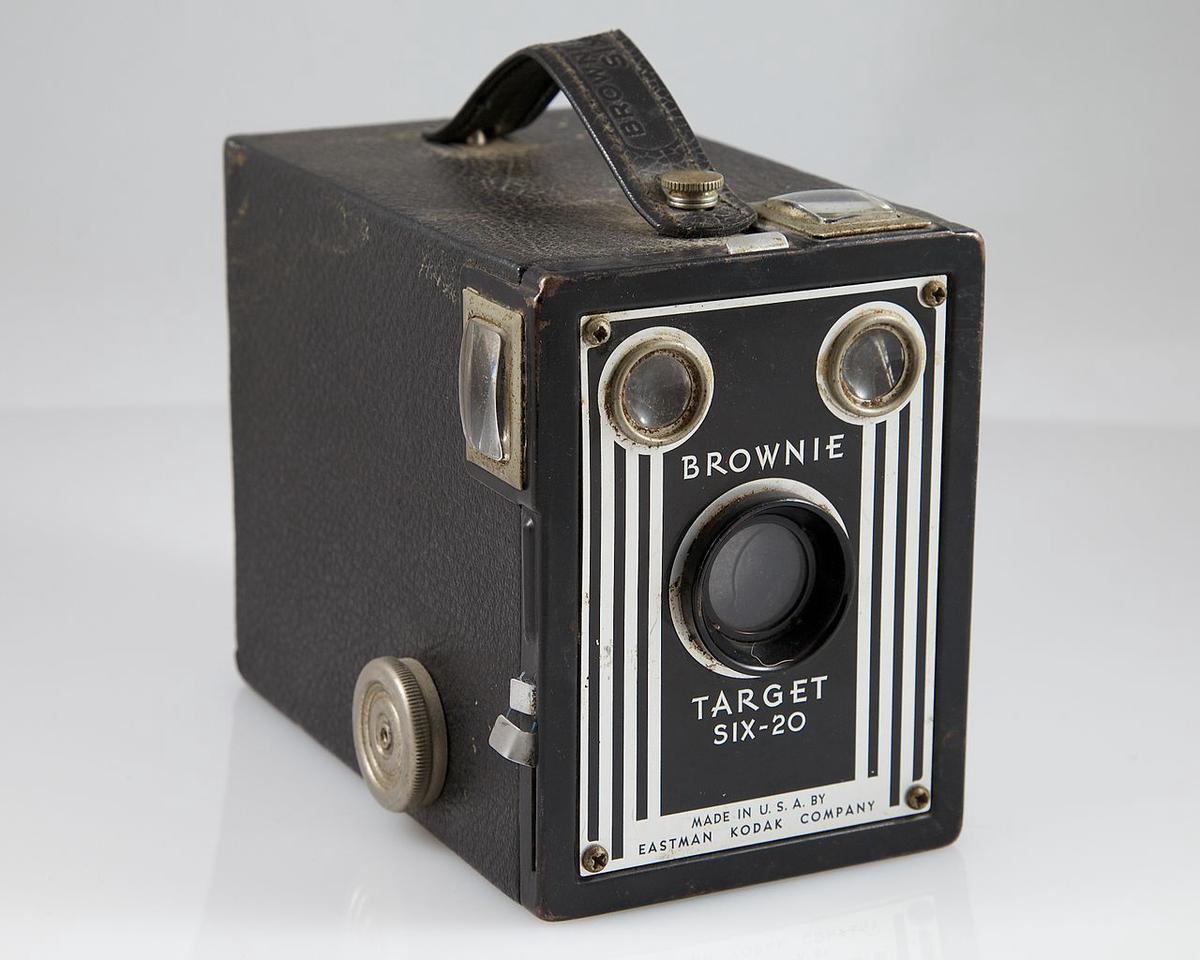
In the 1950s, the Brownie camera became a household staple. Eastman Kodak hit the jackpot with this affordable gadget, priced at just a dollar. It was so simple that even kids could use it, often better than adults.
The camera’s marketing didn’t shy away from targeting children, featuring Palmer Cox’s Brownie characters in ads and encouraging youngsters to join the Brownie Camera Club. Adults quickly caught on too, with moms and dads becoming family historians, capturing everything from birthdays to backyard fun.
Women played a big part in this photo craze. The Kodak Girl became a style icon, showing how fashionable photography could be. She represented modern independence, snapping pics of all sorts of adventures.
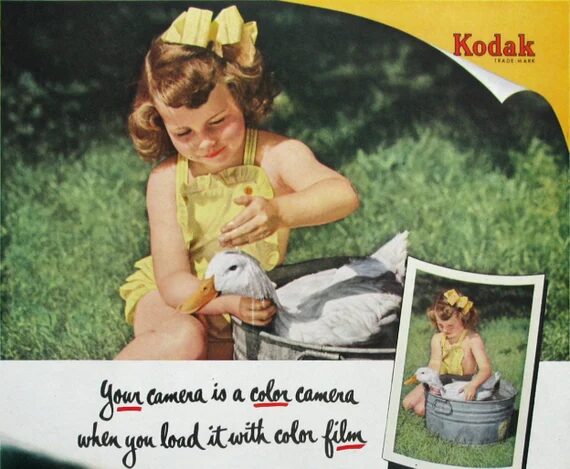
While black and white photos were common, color photography started to gain popularity. Those willing to spend a bit more could capture the world in vibrant hues, making those summer barbecue shots extra special.
The Brownie wasn’t just a camera; it was a way to connect. It turned everyday folks into storytellers without saying a word. Who knew a little black box could add so much to daily life?
Cultural Impact of Brownie Cameras
Brownie cameras turned snapshots into cherished family heirlooms, capturing both big events and everyday moments. Rod Kruger’s photos of family road trips across South Africa paint a vivid picture of 1950s youth adventures.
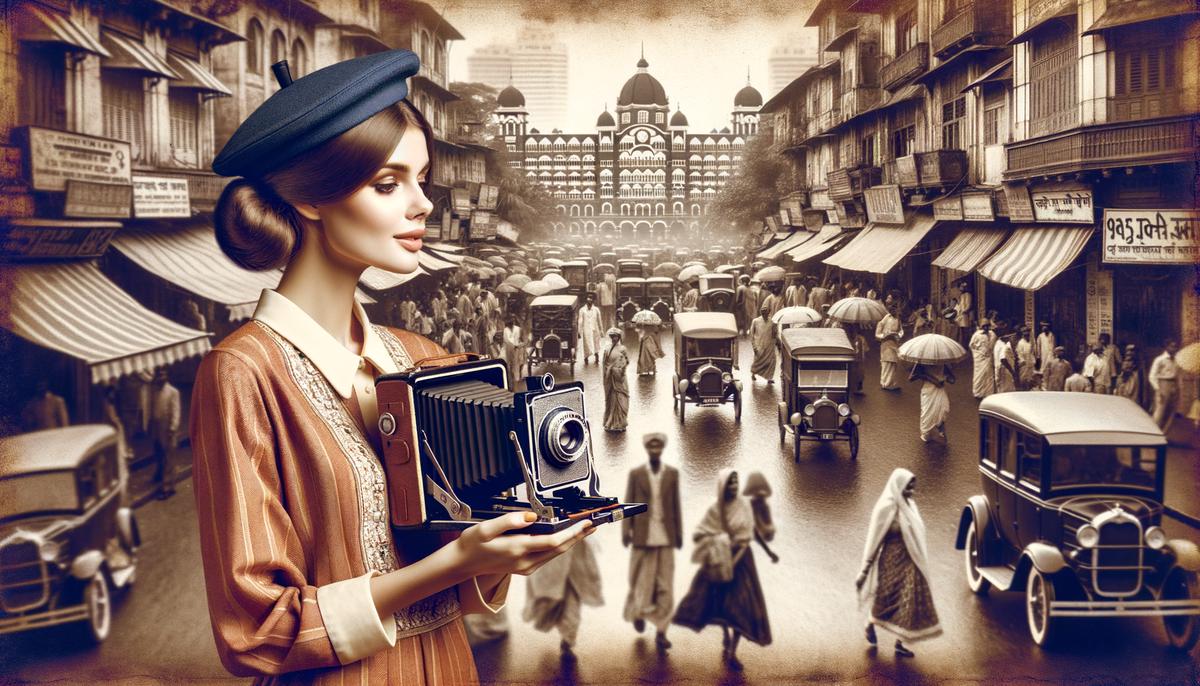
Victor Morgan’s experience in Bombay shows how the Brownie bridged cultures. Even in far-flung places, it was a constant companion for creating lasting memories.
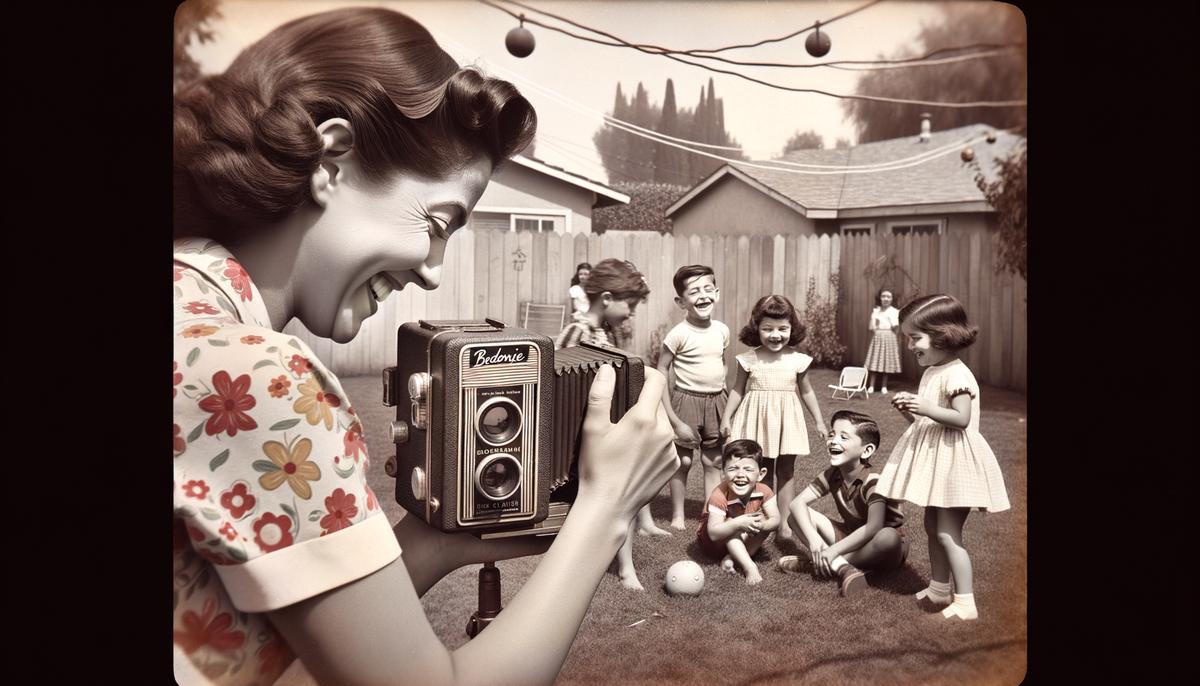
Jaffer Bhimji used his Brownie to capture glamorous events like royal visits. The excitement of using a Brownie was contagious, as Nathanial’s story from East Africa demonstrates.
In homes from Trinidad and Tobago to England, the Brownie marked family milestones. Merryl See Tai’s stories show how it preserved childhood friendships and kept loved ones close despite distance.
The Brownie transformed everyday people into visual historians. Whether taking color photos of daily life or quick shots in busy cities, it captured raw, unpretentious beauty. These memories continue to spark nostalgia for a simpler time that feels just a click away.
The Brownie camera was more than just a tool; it was a bridge to the past, capturing life’s moments in their simplest form. As we look back on those snapshots, we’re reminded of the joy and connection that little black box brought into our lives. It’s a testament to how something so simple could hold such profound meaning.
Interesting Brownie Camera Facts:
- The first Brownie was introduced in 1900 and sold for $1
- Over 150,000 cameras were shipped in the first year
- There were 125 Brownie camera models produced over 70 years
- The Brownie Camera Club was free for children under 16
"You press the button, we do the rest." – Eastman Kodak Company slogan
- Turnbow D. Women Behind the Camera: How Kodak’s Cameras Helped Create a New Role for Women. Smithsonian American Women’s History Museum.
- Dowling S. The Cardboard Box That Transformed Photography. BBC News Magazine.