
Origins and Evolution of Sock Hops
Sock hops started during WWII as fundraisers for the war effort. Teens would kick off their shoes to protect gym floors, dancing in their socks. By the 1950s, these dances had become a teen craze.
The 1950s saw a boom in consumerism and TV broadcasts. Teens had spending money thanks to their Depression-era parents' hard work. School gyms became the place to be, with kids dancing to rock-n-roll beats.
Musicians like Elvis and Chuck Berry filled the airwaves, inspiring teens who saw them on TV. With most homes having a TV by 1960, pop culture spread quickly. Dances featured moves like the bop and the mashed potato, mixing rebellion and style.
New dating rules emerged, giving teens more freedom. The rise in car ownership added to this independence, giving youngsters places to hang out away from watchful eyes.
Sock hops were more than just dances—they captured the spirit of 1950s youth culture, leaving a lasting mark on American history.

Cultural Impact of Sock Hops
Sock hops played a big role in shaping 1950s American teenage identity. They were more than just dance events—they were where teens explored the line between their parents' conformity and the coming counterculture.
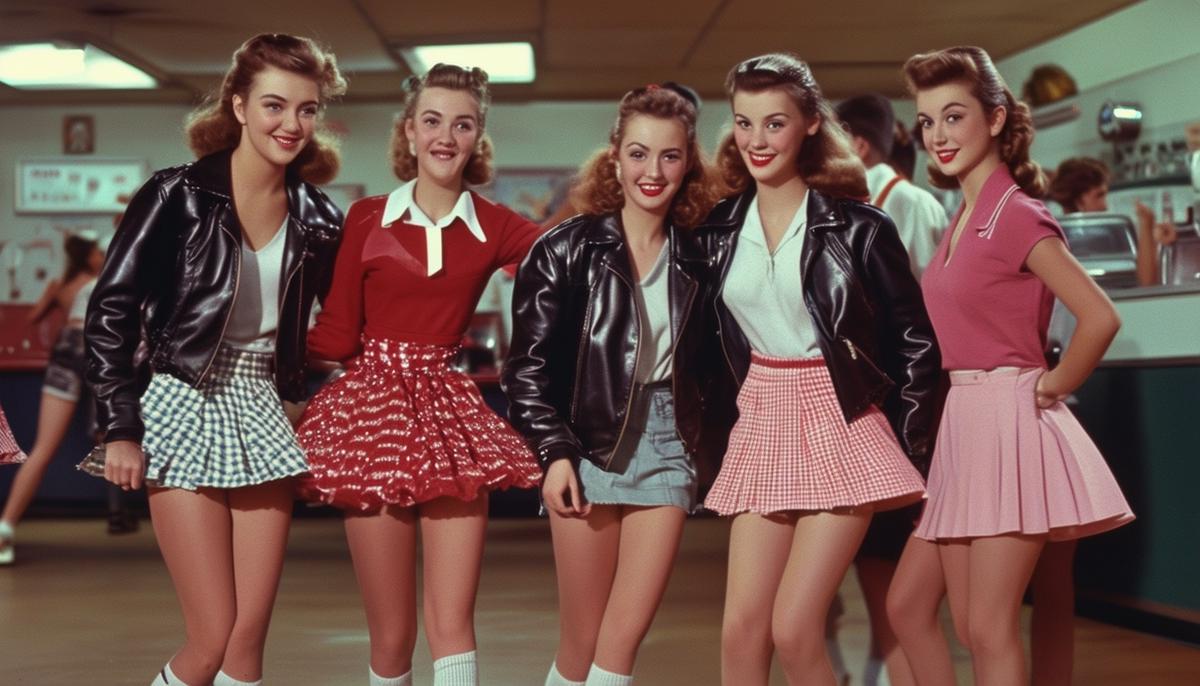
Fashion was key at these gatherings. Girls wore poodle skirts and saddle shoes, while boys sported rolled-cuff jeans and leather jackets. These weren't just clothes; they were statements of youthful freedom.
These dances changed how teens interacted. Old courtship rules loosened up, with practices like "cutting in" becoming common. It was a new way for young people to mingle and explore relationships.
Music became central to teen culture through sock hops. Rock & roll wasn't just background noise—it was the heartbeat of youth rebellion. Seeing music idols on TV made stars feel more real and inspired many to start their own bands.
Sock hops left a lasting impact on American life. They were where music was loud, fashion was bold, and teens carved out their own identity. The excitement of these dances still lives on in the memories of those who experienced them.
Music and Dance at Sock Hops
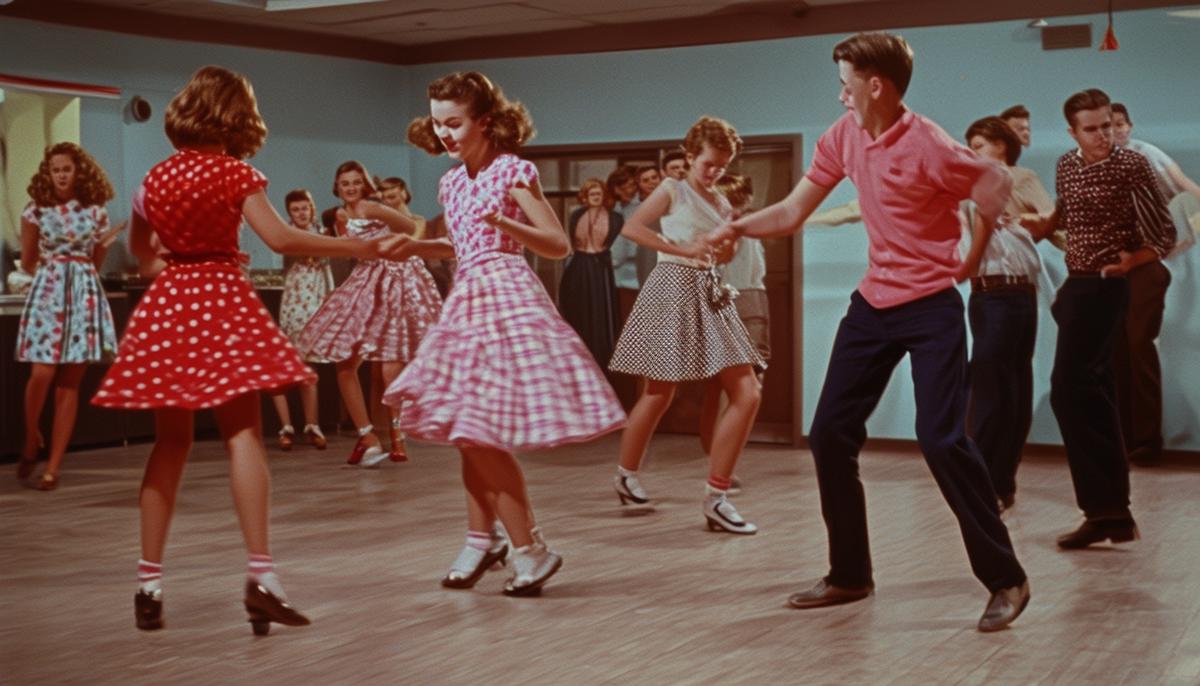
The heart of sock hops was the music and dancing. Rock & Roll got everyone moving, with hits from Elvis Presley, Little Richard, and Chuck Berry. But it wasn't all high-energy tunes—DooWop groups like The Platters and The Shirelles provided smooth harmonies for slow dances.
Popular Dances at Sock Hops:
- The Jitterbug: Known for its spins and lifts
- The Bop: Had kids bouncing to the beat
- The Mashed Potato: A fun novelty dance
- The Watusi: Another energetic novelty dance
- The Stroll: Offered a more orderly option with lines and rhythmic steps
These dances weren't just about moving—they were social events. Teens could show off their skills, meet new people, and feel part of something bigger. Whether you were great at dancing or had two left feet, there was a place for everyone on the sock hop floor.
The music and moves at these dances captured the spirit of the 1950s. It was a time when a shared rhythm could bring people together and make everyday life feel a bit more exciting. For many, the memories of sock hops still bring back the joy and energy of their youth.
Fashion and Social Dynamics
Sock hop fashion was all about showing your style. Girls wore circle skirts, poodle skirts, and prom dresses that twirled when they danced. They topped off their looks with cardigans, blouses, and those classic bobby socks with saddle shoes.
Boys weren't left out of the fashion fun. They sported rolled cuff jeans with white t-shirts or went for a sharper look with suits and skinny ties. Leather jackets were popular too, giving that "bad boy" vibe. Slicked-back hair or pompadours finished off the cool 1950s look.
"Cutting in" was a way to change dance partners and meet new people. It could be exciting or nerve-wracking, depending on how smooth you were.
Sock hops were where friendships formed, crushes developed, and teens figured out where they fit in. You might gossip with friends in one corner or work up the courage to ask someone to dance. It was all part of growing up and finding your place in the world.
For many, these dances were a first taste of independence. Whether you landed a dance with your crush or just had fun with friends, sock hops were a big part of the 1950s teen experience. They left lasting memories of music, fashion, and youthful energy that many still cherish today.

Sock hops were a lively part of 1950s teen life, mixing music, fashion, and social fun. These dances gave young people a place to be themselves, make friends, and create memories that would last a lifetime. The spirit of those sock-footed nights still brings a smile to those who remember them.
- Palladino P. Teenagers: An American History. New York: Basic Books; 1996.
- Gilbert J. A Cycle of Outrage: America's Reaction to the Juvenile Delinquent in the 1950s. New York: Oxford University Press; 1986.
- Altschuler G. All Shook Up: How Rock 'n' Roll Changed America. Oxford: Oxford University Press; 2003.