
In the 1950s, Zenith emerged as a leader in television innovation, transforming family entertainment. As households shifted from radio to TV, Zenith's advancements brought new experiences that captured the spirit of the era.
Zenith's Technological Innovations
Zenith's venture into television began in 1948 with their first line of black-and-white sets. In 1955, they unveiled the Flash-Matic, the first wireless TV remote control. This gadget, resembling a flashlight, allowed channel changing from the comfort of the couch. The Space Command ultrasonic remote followed in 1956, using high-frequency sounds without batteries.
Color TV sets appeared in 1961, though Zenith had already introduced the first 21-inch color picture tube in 1954. Their innovation continued with Chromacolor in 1969, featuring a black-matrix screen that doubled image brightness.
Zenith's contributions, especially in remote control technology, changed how people interacted with their TVs. These advancements marked the transition from radio to a new era of television viewing.
The Zenith Viewing Experience
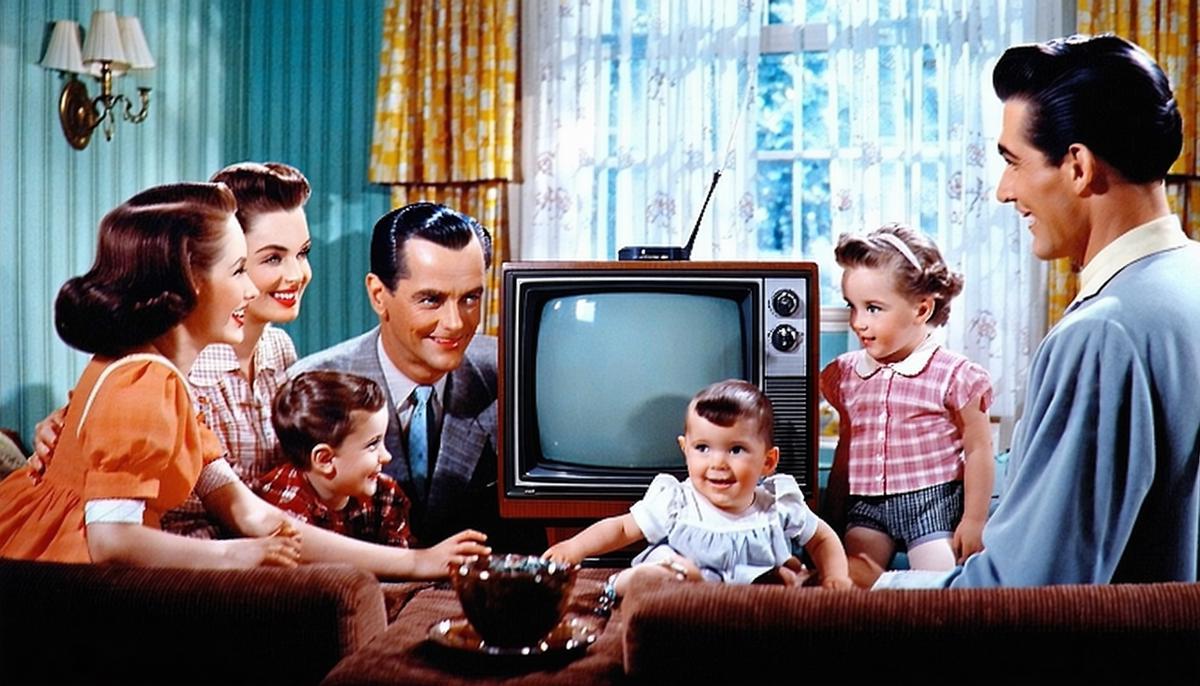
The Zenith black-and-white TV was the centerpiece of 1950s living rooms. Its sleek design with the Zenith logo made it a stylish addition to any home. Families would gather around, adjusting rabbit ears to fine-tune the picture, turning TV watching into a shared event.
Despite being black and white, Zenith sets were known for their picture quality. Viewing was often a social activity, with neighbors dropping by to watch together. This communal aspect of TV watching became a new tradition, tying families to the cultural trends of the day.
Zenith didn't just manufacture TVs; they created experiences that brought families together and connected them to the wider world, all through a small black-and-white screen.

Zenith's Market Position
In the competitive 1950s TV market, Zenith held its ground against rivals like RCA, Admiral, and Magnavox. Their strategy combined innovation with quality and community connection.
Zenith's edge came from introducing features like the Flash-Matic remote, making their TVs both cutting-edge and convenient. They balanced high-tech offerings with reliability, earning customer loyalty. Their tagline, "The Quality Goes In Before The Name Goes On," resonated with consumers' desire for trustworthy products.
As foreign competition increased, Zenith responded by continuing to innovate. Their Chromacolor screens and Space Command technology kept them ahead in the market, appealing to Americans' growing appetite for feature-rich TVs.
Zenith's commitment to quality and innovation helped them maintain a strong market position, even as the industry became more competitive.
Nostalgia and Legacy
For baby boomers, Zenith TVs represent more than just technology; they're symbols of family togetherness and shared experiences. These sets were central to many household rituals, from Saturday morning cartoons to family movie nights.
Owning a Zenith felt like being part of a club that valued innovation. The TVs weren't just for watching shows; they were the backdrop for holiday gatherings, impromptu family meetings, and daily routines.
Today, Zenith TVs evoke memories of a simpler time when technology brought people together. They remind us of an era when life unfolded through a black-and-white screen, each moment leaving its mark on family history.
Zenith's legacy extends beyond technology, encompassing the experiences and memories they helped create. Their TVs played a crucial role in shaping an era where innovation and togetherness went hand in hand, leaving a lasting impression on our collective memory.
- Kosareff S. Window to the Future: The Golden Age of Television Marketing and Advertising. Chronicle Books; 2005.
- Zenith Electronics Corporation. The Evolution of Zenith (and the TV Industry). Zenith Electronics Corporation; 1988.